
Traditional 3-Coat Stucco
Three-coat stucco is the original cement system: scratch and brown coats over metal lath, topped with a finish coat, for a wall roughly seven-eighths of an inch thick. It’s the right choice when you want the hardest, most impact-resistant stucco wall available, and Grandview installs it across Utah County and the Salt Lake Valley under a B100 general contractor license.

When three-coat beats one-coat and EIFS
The three systems on our stucco and EIFS page differ first by thickness. Three-coat builds about 7/8 inch of cement over lath. A one-coat system puts roughly 3/8 to 1/2 inch of fiber-reinforced base over foam board. EIFS is a reinforced polymer skin only a couple of millimeters thick over continuous insulation.
That extra mass is why three-coat is still the benchmark for Utah exteriors. It shrugs off ladders, hail, and lawn-mower pebbles that chip thinner systems at grade, it takes a true cement finish with integral color, and it’s what most older stucco homes in Provo, Orem, and Salt Lake’s east bench were built with, which matters when an addition has to match.
Choose something else when the wall needs insulation the framing can’t give it (EIFS or one-coat over foam), when the schedule can’t absorb the cure times below, or when weight is a question: a three-coat wall runs about 10 pounds per square foot, fine over standard framing but worth checking on a post-frame building. If the existing wall is sound and you only want new color, a re-coat is the cheaper answer and we’ll say so.
What goes into a three-coat wall
- Weather-resistive barrier. Two layers of Grade D building paper over sheathing, lapped shingle-style, with window and door flashing integrated so water that reaches the barrier runs out. A weep screed goes at the base of every wall, at least 4 inches above grade and 2 inches above paving.
- Lath and accessories. Self-furring 2.5-pound expanded metal lath or 17-gauge woven wire, fastened into studs, not just sheathing. Casing beads, corner aid, and control joints laid out before the first coat so panels stay under roughly 144 square feet with no side past 18 feet.
- Scratch coat. About 3/8 inch of cement plaster worked through the lath to embed it, raked horizontally while soft for mechanical grip, then moist-cured for 48 hours.
- Brown coat. Another 3/8 inch, rodded straight and floated flat. This is the coat that decides whether the wall reads true in low sun. It cures at least seven days before finish.
- Finish coat. Roughly 1/8 inch of integrally colored cement finish, or acrylic over primer, in the texture chosen from a sample panel: sand float, dash, lace, or troweled smooth.
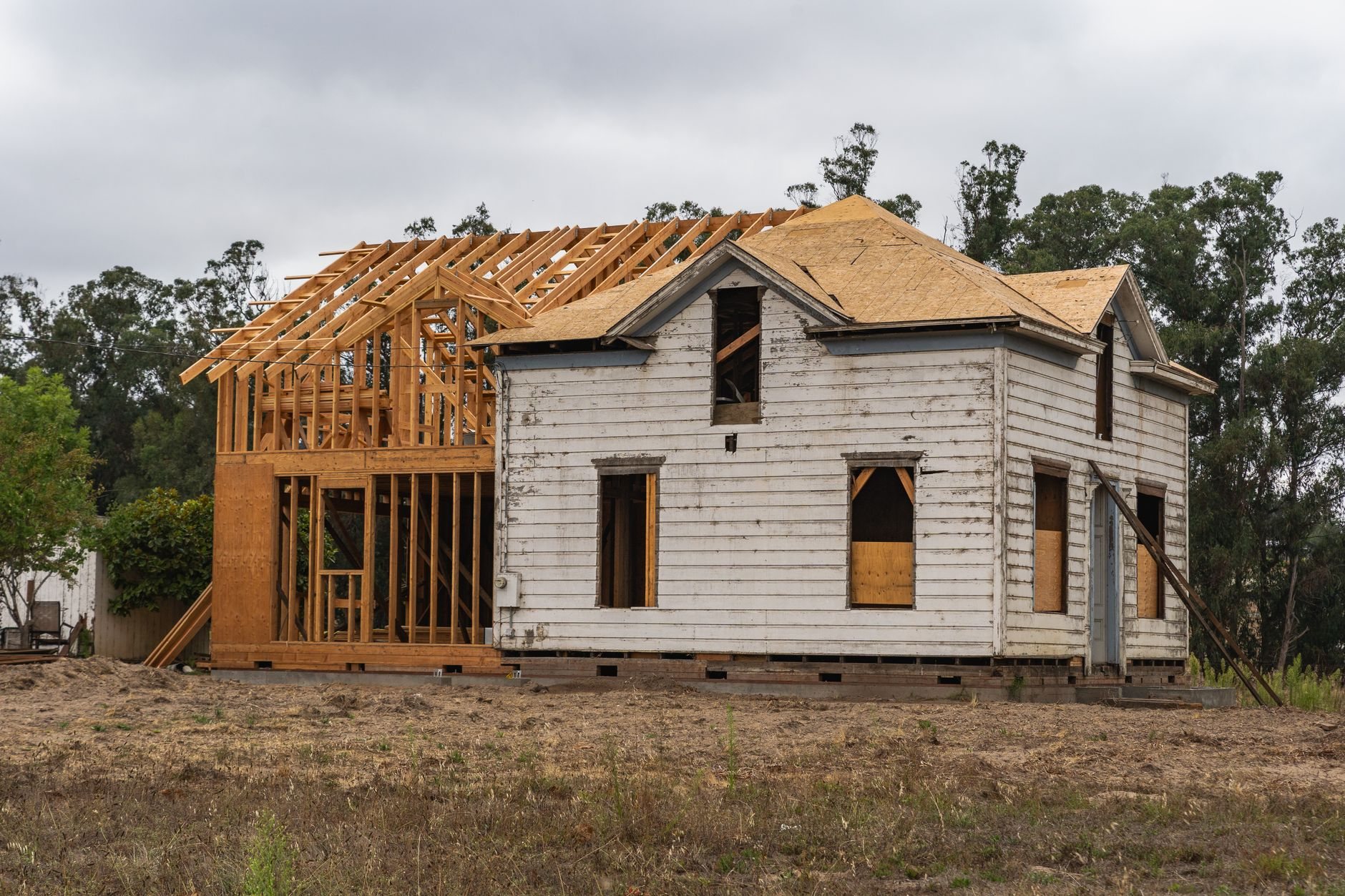
Curing is the whole game in a dry climate
Cement plaster gains strength by hydrating, and the Wasatch Front’s summer air pulls water out of a fresh coat faster than the chemistry can use it. A scratch coat left uncured on a 95-degree July afternoon in Lehi will shrink-crack before the brown coat is mixed, and those cracks telegraph through everything placed over them. So we fog the walls, shade south and west elevations, and treat the 48-hour and seven-day cure windows as schedule items, not suggestions. The reverse applies in shoulder season: cement doesn’t hydrate reliably below about 40 degrees, so winter three-coat work means heat and tenting or waiting for April.
The finish-coat decision is also a climate decision. Integral-color cement finishes cure to a lime-based surface that handles our high-elevation UV without a paint film to chalk. Acrylic finishes hold brighter color and tolerate hairline movement better, which is worth having over the expansive clay soils in parts of Utah County and the southwest Salt Lake Valley where foundations shift seasonally. We’ll show you both on a sample panel. The lath, barrier, and base-coat work is the same substrate scope we handle stand-alone on our lath and scratch-coat page, built to current Utah-adopted code under a license you can check at dopl.utah.gov.
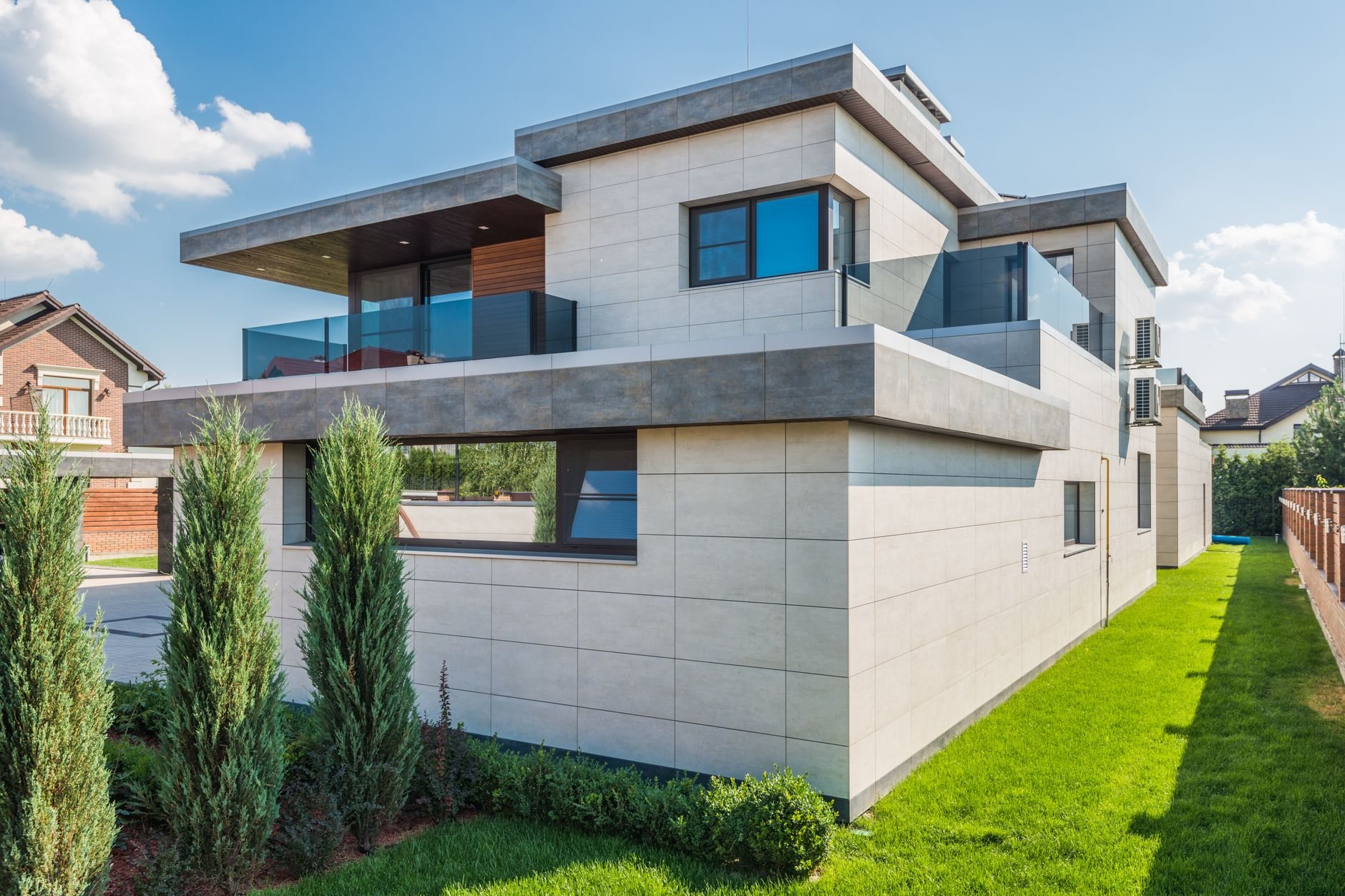
What does three-coat stucco cost in Utah?
As a ballpark planning number, new three-coat stucco along the Wasatch Front commonly lands in the low-to-mid teens per square foot installed, the highest of the three stucco systems because it carries the most material and labor days. The number moves on stories and scaffold access, the count of openings and corners (every window is four casing beads and a flashing detail), cement versus acrylic finish, and whether old cladding comes off first. A single-story rambler sits at the low end; a two-story with a dozen windows sits at the high end. Since every opening gets re-flashed anyway, new three-coat is also the moment to replace windows and doors. We give a budget range after a site walk and a firm estimate once the elevations are drawn; for the rest of the shell, start at our site, structure & envelope hub.
Questions we actually get
How long does a three-coat stucco job take?
Plan on three to four weeks for a typical house, and most of that is curing, not troweling. Lath and barrier take a few days, the scratch coat needs 48 hours of moist cure, and the brown coat needs at least seven days before finish. Rushing those windows is how cement stucco cracks in its first year.
Why does my old three-coat stucco have cracks at every window corner?
Window corners concentrate stress, and a wall without control joints or corner reinforcement cracks there first; freeze-thaw cycling then widens the hairline a little each winter. On new work we reinforce corners with diagonal lath strips; on existing walls, see our crack repair page.
Can I get a three-coat wall insulated?
Not within the stucco itself. Three-coat is cement over lath with no foam layer, so its insulation value comes from the wall cavity behind it. If continuous exterior insulation is the goal, a one-coat system or drainable EIFS carries foam as part of the assembly, and we’ll say which fits your energy target before you commit.
Does three-coat stucco need to be painted?
No. An integrally colored cement finish is the color all the way through and can be left unpainted for decades, with a fog coat or re-color if it fades. Acrylic finishes are pigmented too. If you later want a color change on a sound wall, that’s a stucco painting or re-coat job, not a replacement.
Tell us what you’re working on
A new build, an addition that needs to match, or a tired wall you’re weighing against replacement. We reply within a couple of hours during business hours, a day at most, with a straight read on scope, sequence, and budget.