
Stucco Removal & Replacement
Stucco removal and replacement is a full tear-off: finish, base coats, lath, and weather barrier come off down to the sheathing, the substrate gets repaired, and a new stucco or EIFS assembly goes on. It’s the right scope when water has been inside the wall long enough that patching would only hide it, and Grandview performs it across Salt Lake City and Utah County under a B100 general contractor license.
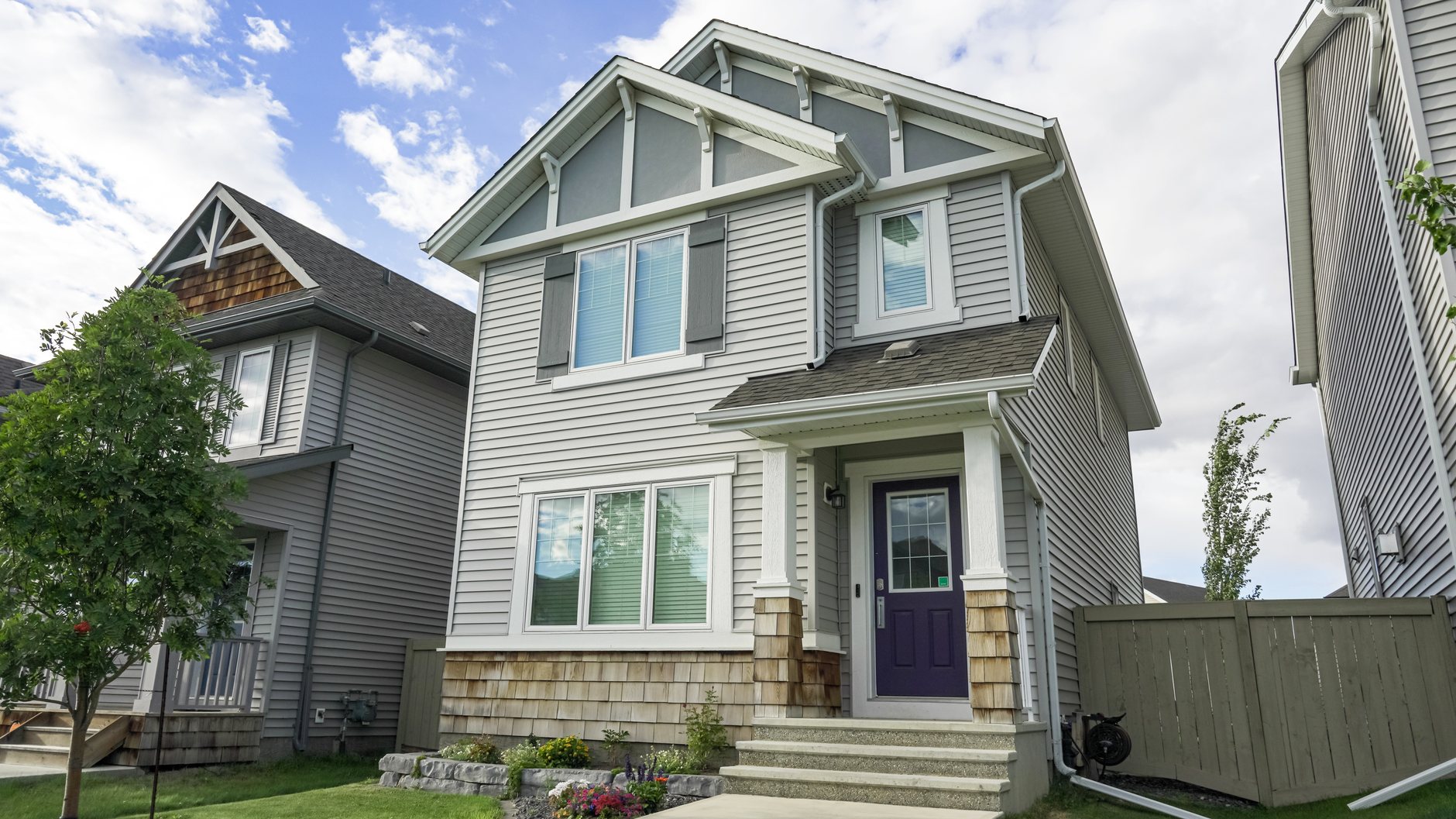
When removal beats repair or re-coat
Most stucco problems don’t need this page. A chipped corner or a woodpecker hole is a stucco repair. Chalky, faded, but sound walls want a re-coat and re-color. Hairline map cracking is a crack-repair conversation. Those scopes keep the existing lath and base coats because they’re still doing their job.
Removal is the answer when the hidden layers have stopped doing theirs. The signs are consistent: soft or hollow-sounding areas when you tap the wall, dark staining running down from window corners, rusted lath bleeding through the finish, a weep screed buried under grade, or a moisture probe reading high in the sheathing on more than one elevation. Older barrier-type EIFS with no drainage plane lands here often, because there’s no honest way to patch a system designed to trap water.
Partial removal is real and we price it when it fits: one elevation, or the bottom three feet of a wall where splash-back did the damage. Once rot shows up on two or more sides of a house, chasing it patch by patch almost always costs more than one planned tear-off.
What a full tear-off involves
- Protect and contain. Windows, landscaping, roofing, and the neighbor’s side yard get covered. Cement stucco comes off in heavy, sharp pieces and the dust is silica, so we wet-cut and haul in dumpsters sized for roughly 10 pounds per square foot of wall.
- Strip to sheathing. Finish and base coats are broken free, lath is cut and pulled with its fasteners, and the old weather barrier comes off. On EIFS, the foam board and adhesive come off too: faster, but with more cleanup on the sheathing.
- Inspect and repair the substrate. This is the step the whole job is for. Delaminated OSB, rotted plywood, and softened rim boards get cut out and replaced, and framing damage gets sistered or replaced through our framing crew.
- Rebuild the drainage layers. New water-resistive barrier, sill-pan and jamb flashing at every opening, kick-out flashing where roofs meet walls, and a new weep screed set at least 4 inches above grade. These details are covered in depth on our lath and scratch-coat page.
- Install the new system. Three-coat cement, one-coat, or drainable EIFS, chosen with you around insulation goals, budget, and how the rest of the house is finished.
- Finish and close out. Texture and color across the whole elevation (full tear-offs sidestep patch-matching entirely), sealant joints tooled, and a written record of the substrate repairs we made and where.
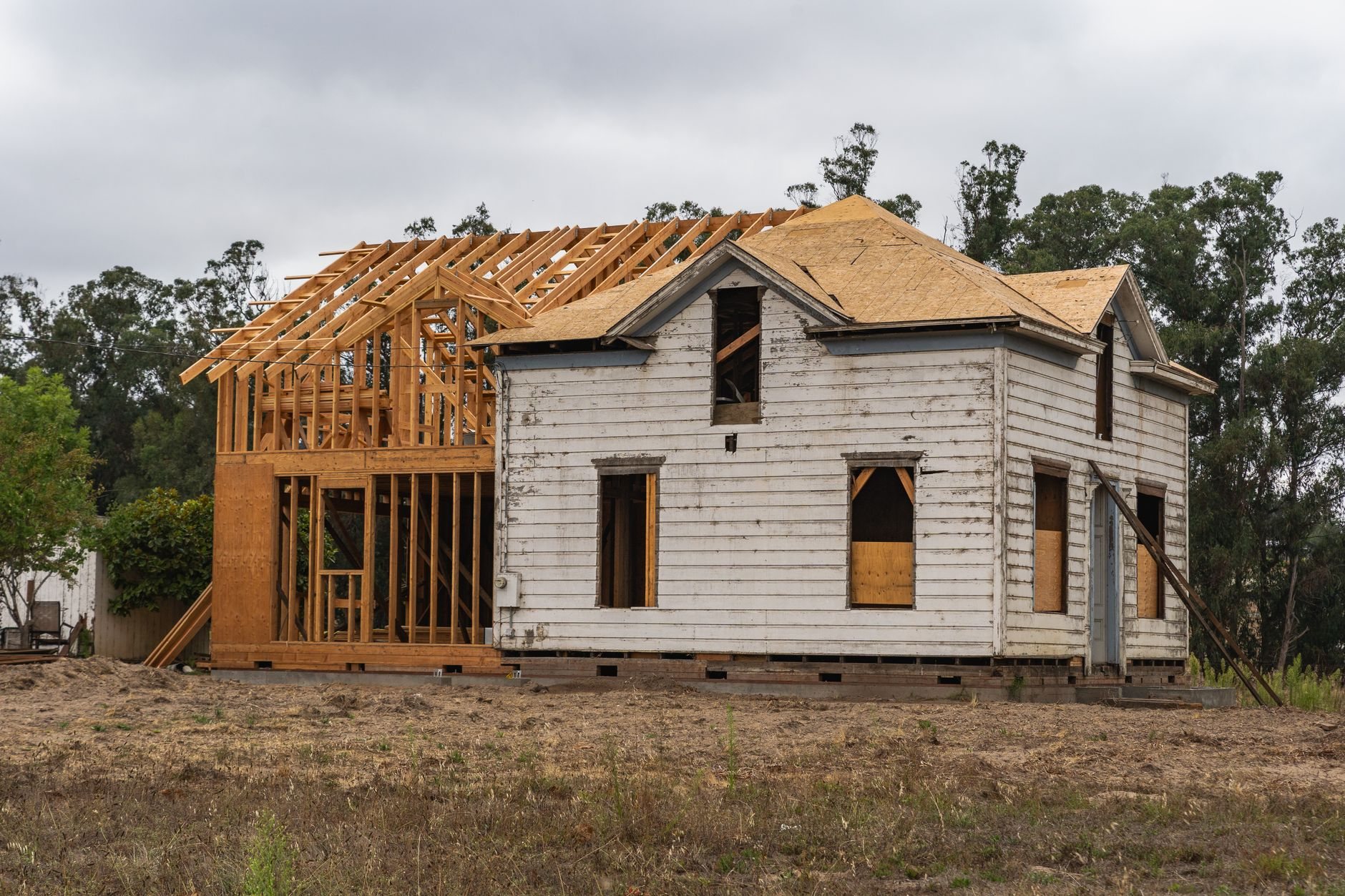
Opening the wall: what we usually find
Nobody can see through stucco, so a removal estimate carries a stated allowance for substrate repair. On the Wasatch Front, the recurring finds are predictable. Rot under windows and at inside corners, where sealant failed and roughly 100-plus freeze–thaw days a year pumped water into the sheathing. Weep screeds buried behind raised planters or a later concrete pour, so the wall drained into the plate instead of out the bottom. Missing kick-out flashing where a lower roof dies into a wall, which sends every summer monsoon cloudburst straight down behind the lath.
A tear-off is also the one time the wall is open for upgrades that cost far more to do later. Many owners replace windows and doors in the same mobilization, because new units flash into a new barrier instead of being retrofitted into an old one. Adding continuous exterior insulation under a one-coat or EIFS system is another common choice; the U.S. Department of Energy’s guidance on insulation explains why insulating outside the studs reduces thermal bridging.
What does stucco removal and replacement cost in Utah?
As a ballpark planning number for Salt Lake and Utah County, full removal and replacement commonly runs in the high teens to the mid-twenties per square foot of wall, which is roughly 40 to 60 percent more than new stucco on an open frame. The premium is the demolition and disposal, plus the substrate repair that no one can quantify until the wall is open. Two-story walls and steep lots add scaffold and labor; many openings and corners add flashing time. We give a budget range after a site walk with a moisture meter, then a firm estimate with a stated repair allowance once scope is defined. Our license is verifiable at dopl.utah.gov.
Questions we actually get
Can you remove the stucco on just the damaged side of the house?
Yes, when the damage is genuinely confined. We probe every elevation first, because moisture rarely respects corners. If one side is rotted and the other three read dry and sound, a single-elevation replacement with a carefully tied-in barrier is a legitimate scope and we’ll price it that way.
How long does a full stucco tear-off and replacement take?
Plan on three to six weeks for a typical two-story house, longer with heavy substrate repair. Demolition takes days; the cure between scratch, brown, and finish coats takes most of the rest. Cement stucco needs temperatures above roughly 40 degrees to cure, so spring through fall is the reliable window along the Wasatch Front.
Do I have to replace stucco with stucco?
No. Once the wall is down to sheathing, it’s a clean substrate for fiber-cement, engineered wood, or metal siding as well as a new stucco or EIFS system. Some owners switch to siding to simplify future maintenance. We walk through the options in the estimate.
What drives the final price above the estimate?
Hidden substrate damage. The estimate carries a repair allowance based on the moisture survey; if we open the wall and find more rotted sheathing or framing than it covers, we photograph it, price the difference, and get your sign-off before continuing. Nothing gets covered back up without your approval.
For the rest of the stucco family, start at our stucco and EIFS page. For foundations, roofing, and the wider building shell, see the site, structure & envelope hub.
Tell us what you’re working on
Soft spots, staining, or an inspector’s note about old EIFS: we’ll give you a straight read on repair versus full replacement before anyone commits to anything. We reply within a couple of hours during business hours, a day at most.