
Concrete Formwork Setting & Stripping in Utah
Formwork is the temporary structure that gives concrete its shape and holds it there until the concrete can hold itself. Grandview sets, braces, and strips forms for walls, footings, columns, and elevated slabs across Utah and Salt Lake counties under a B100 general contractor license, on a schedule the concrete sets rather than the calendar.
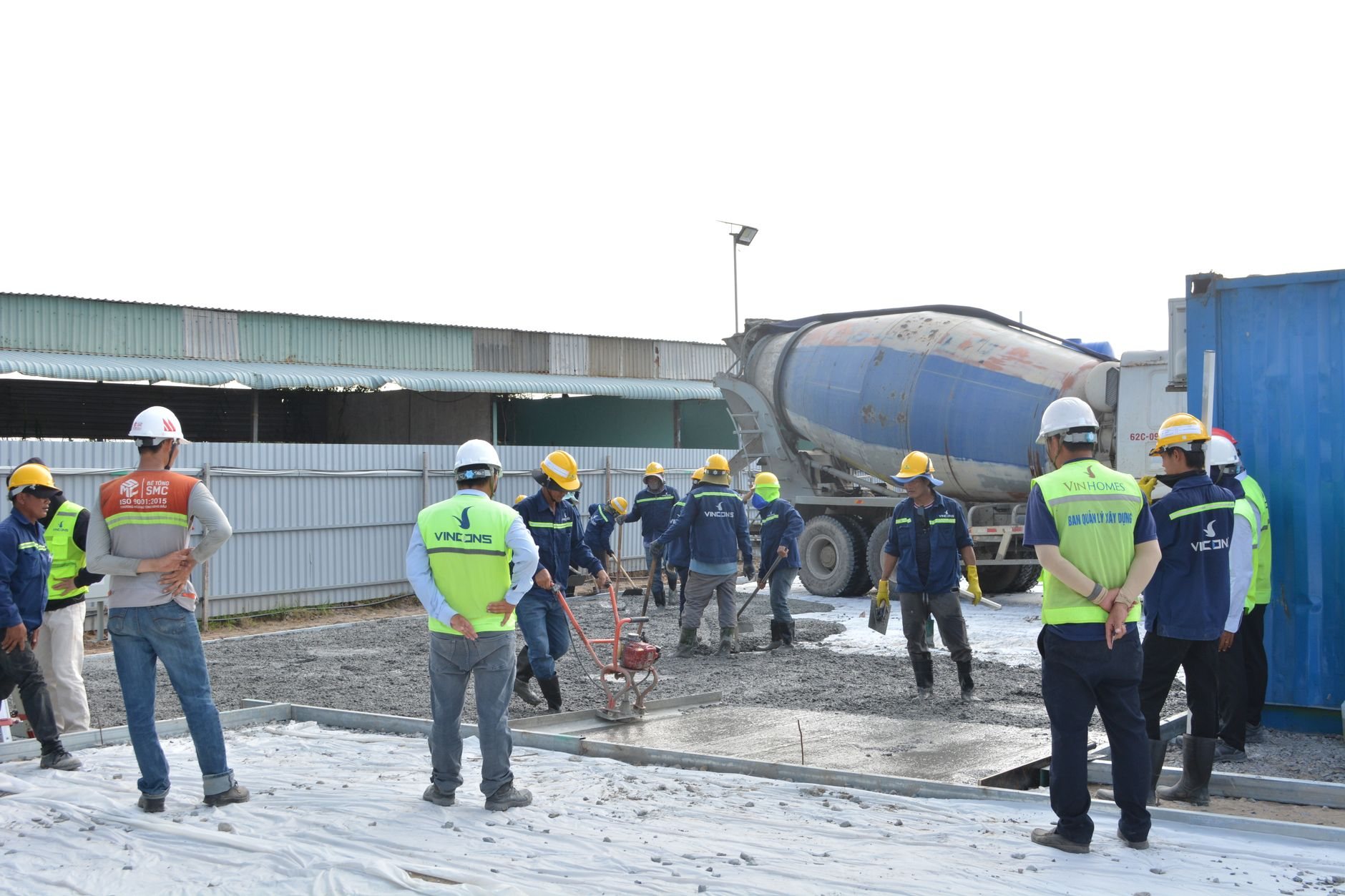
When formwork setting and stripping is the scope you need
This page covers the forming discipline as a whole: layout, setting, ties and bracing, embeds, the pour watch, and the strip. Our neighboring pages go narrower. If your question is which panel system suits a long run of basement wall, start with concrete wall forming systems. If it’s pads, piers, and pilasters set to survey points, see column and footing forms. The steel inside the mold is its own scope under rebar placement and tying.
You’re in the right place if you have an engineered pour coming — a poured foundation wall, a cast-in-place shear wall, the shored soffit under an elevated slab — and need a crew that forms it straight and strips it at the right hour. We form inside a complete structural concrete scope within the site, structure & envelope family, and we’ll also set and strip for a placement another contractor is pouring. We are fond of straight lines and straight answers.
What setting the forms actually involves
- Layout from control. Form lines are snapped from survey control, never from the last panel set. A wall a half-inch out of plumb over eight feet is a visible bow after the strip and a shim problem for the framer.
- Base and panels. Footing forms are staked to grade on undisturbed or compacted soil. Wall and column panels — plywood on lumber, or aluminum and steel-framed systems — go up on a cleaned, level base with corners locked and joints tight enough that paste can’t bleed out.
- Ties and walers. Snap ties or taper ties go in at a spacing set by wall height and planned pour rate. Fresh concrete at the bottom of a tall wall pushes like a liquid, and that pressure is why forms blow out when tie spacing is guessed. Walers and strongbacks stiffen the panels between ties.
- Bracing and alignment. Kickers and turnbuckle braces run to driven stakes, and the top of form is string-lined before anything is pinned off. On bench lots along the Wasatch Front a set of wall forms is a sail, and a canyon-wind event can rack them overnight, so we brace for wind as well as for concrete.
- Embeds, blockouts, and release. Anchor bolts, seismic hold-downs, weld plates, beam pockets, sleeves, and window bucks go in before the truck is scheduled. Hold-downs are routinely specified near the Wasatch fault; a missed one means epoxy anchors and an engineer’s letter. Every contact face gets release agent so the strip doesn’t tear the surface.
- The pour watch. The forming crew stays through the placement, re-tightening braces and watching joints for leaks. The first minutes of vibration are when forms move.

When do concrete forms come off?
Wall and column side forms typically come off 12 to 48 hours after placement in warm weather, once the edges are hard enough not to crumble. Slab soffits and beam bottoms stay until the concrete reaches the strength the engineer specified — often one to two weeks or more — and then get reshored, since those forms carry the structure rather than just shaping it. Strength sets the schedule, and mix and temperature set strength.
Temperature is the Utah variable. Concrete below about 50°F gains strength slowly, so a form that strips in a day in July may need three in January. Forms are also insulation, which is why on a Wasatch Front winter pour we often leave them on longer on purpose, blanketed, to keep the concrete from freezing before it can take it. Summer flips the problem: a 95°F afternoon dries a freshly stripped wall fast, so it gets curing compound the same day. The American Concrete Institute’s formwork guidance is where our stripping schedules start; the engineer’s strength requirement on elevated work overrides everything.
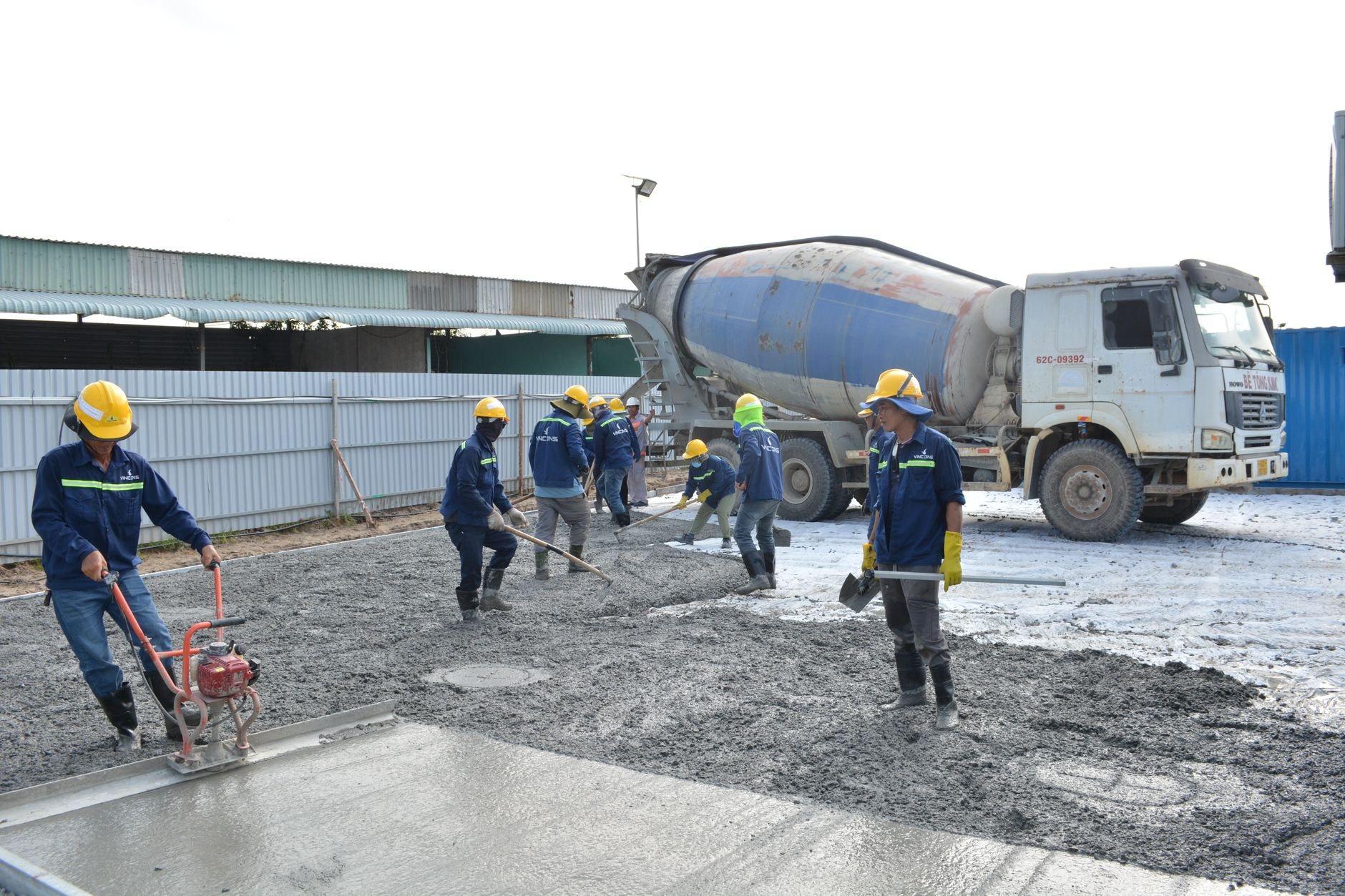
The strip has technique too. Panels are pried from the bottom and worked loose, never levered against green concrete. Ties are snapped back behind the face, cone holes patched with non-shrink grout, and below-grade tie holes sealed before waterproofing goes on. Then the forms are scraped, oiled, and stacked; a dented panel prints its dent on every pour that follows.
What drives formwork cost in Utah?
Formwork is usually the largest line in a structural concrete budget — commonly a third to half of it, most of that labor. It’s priced by square foot of contact area, and the per-foot number moves with height (more ties, heavier bracing, slower pour rate), geometry (corners, pilasters, curves, and step footings cost far more per foot than a straight run), and repetition (gang forms moved along a long wall amortize their setup; a one-off shape never does). An exposed architectural finish needs new plywood or liners and a laid-out tie pattern; a backfilled wall can use reused panels. Embed count, crane access, and winter protection add from there. Any number before a site walk and a read of the drawings is a planning ballpark, not a promise; our B100 license (#14282236-5501) is verifiable at dopl.utah.gov.
Questions we actually get
Can you set and strip forms for a pour someone else is placing?
Yes. We form for placements other contractors pour, and set forms around steel another crew placed. We need the structural drawings, the pour rate the placing crew plans to run, and a clear line on who owns the pour watch. Or hand off the whole element; forming is included in our structural concrete scope.
Why did my last wall come out bowed or bulged?
Almost always one of three things: ties spaced for a slower pour rate than the crew actually ran, bracing not tied back to solid stakes, or forms stripped before the concrete could hold its own shape. Wind racking the forms overnight is the fourth. All four are prevented at the setting stage, which is why we won’t rush it.
Does a winter pour change the stripping schedule and cost?
Yes to both. Cold concrete gains strength slowly, so forms stay on longer, rental and crew days stretch, and blankets or heat add cost. Below freezing we leave forms in place as insulation until test cylinders or maturity readings say the concrete can take the exposure. If a three-week wait gets you a better wall for less money, we’ll say so.
Tell us what you’re working on
We reply within a couple of hours during business hours — a day at most. You’ll get a straight read on scope, sequence, and budget before anyone commits to anything.