
Wood board & batten siding
Wood board and batten siding is wide vertical boards with narrow battens covering every joint — the right cladding for barn-style homes, gable ends, and anyone who wants real wood rather than a wood look. Grandview installs it across Salt Lake City and Utah County under a B100 general contractor license, furred, flashed, and fastened so the boards can move the way wood does.
When real wood board and batten is the right choice
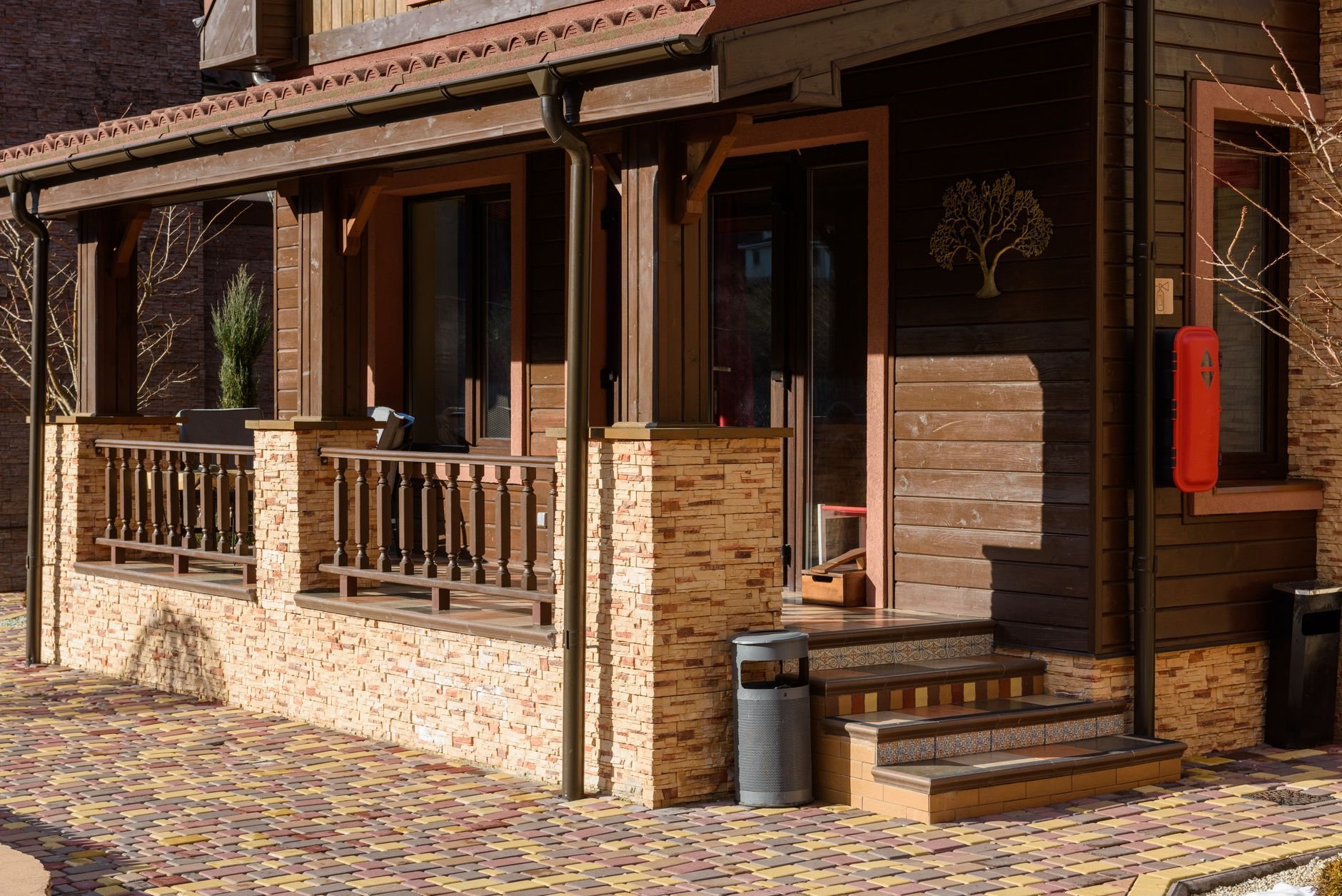
Choose solid wood when texture matters up close: rough-sawn faces, visible grain, a batten that casts a real shadow line. Modern farmhouse plans, mountain-contemporary gables, and detached shops and barns in Alpine, Mapleton, and Draper are where we install the most of it.
If you want the look with less upkeep, the honest alternatives are fiber cement board and batten, which holds paint for a decade and never checks, and LP SmartSide engineered wood in its vertical panel-and-batten format. Vertical vinyl board-and-batten is the budget route. Within solid wood, tongue-and-groove gives a flush or nickel-gap face with no battens, and cedar lap runs horizontal. Real wood asks for a refinish every five to eight years here; in return it can be sanded, re-stained, and repaired board by board for decades. If that trade doesn’t suit you, we’ll say so.
Boards, battens, and species that hold up here
The classic layout is 1×10 or 1×12 boards gapped about half an inch, with 1×3 battens centered over each gap so the batten laps each board by at least three-quarters of an inch. Narrower 1×8 boards with 1×2 battens suit small gables; reverse board-and-batten, with battens underneath, reads as deep channels on modern elevations.
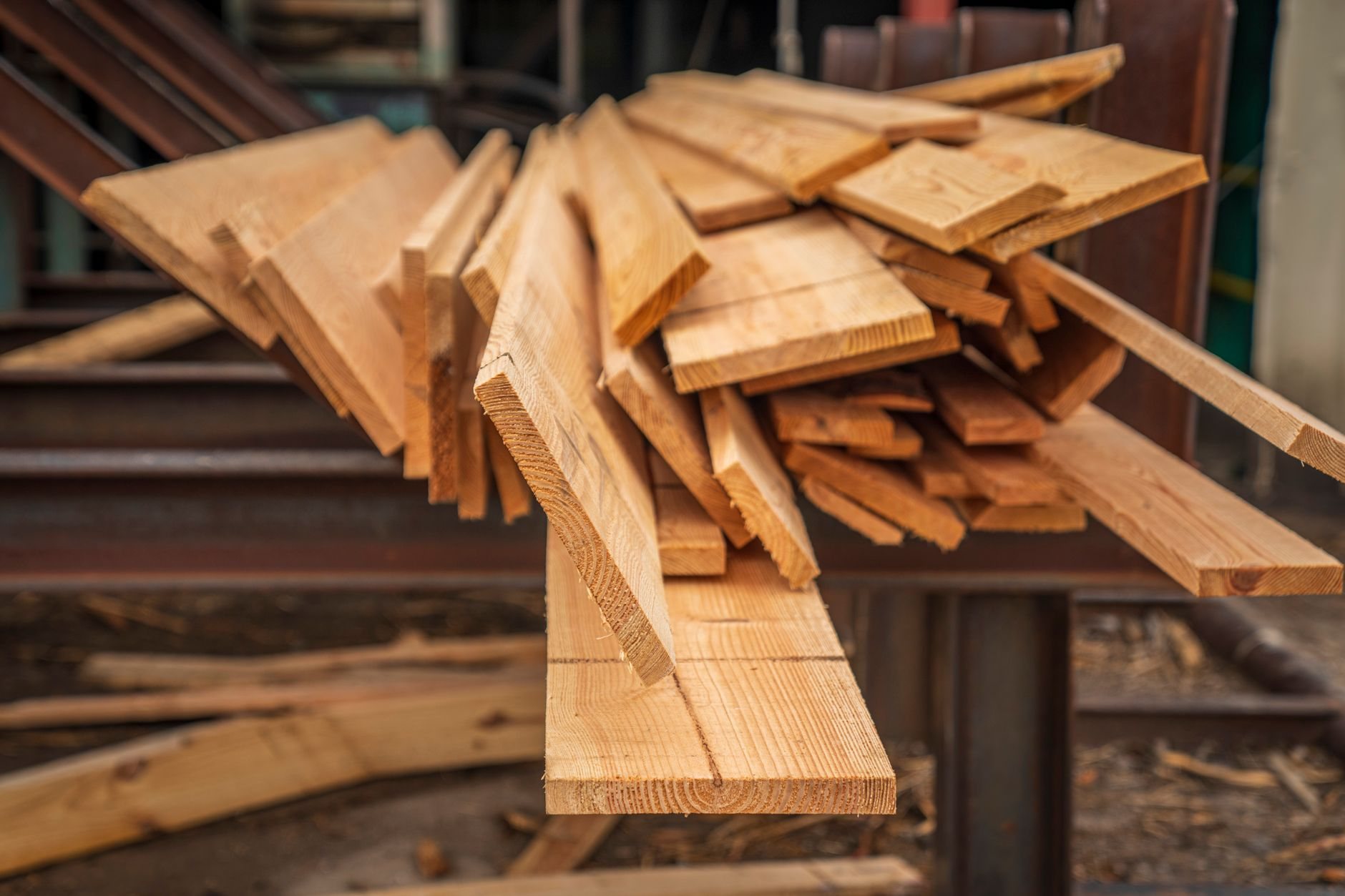
Western red cedar is the default species: rot-resistant, stable, and light enough that wide boards don’t cup badly. Rough-sawn Douglas fir costs less but moves more; kiln-dried pine is the economy choice and only sensible under solid stain or paint. We order boards at 12–15 percent moisture content and acclimate them on site for a week, because lumber shipped from the coast into Utah’s dry air shrinks measurably — a 1×12 can lose a quarter inch of width in its first summer. The batten exists to cover that shrinkage, which is why the gap and overlap aren’t decorative numbers.
How wood board and batten goes on
- Build a horizontal nailing base. Vertical boards can’t nail to vertical studs. We install horizontal furring at 24 inches on center over the weather-resistive barrier, which doubles as a ventilated rainscreen so the back of the wood dries.
- Back-prime and end-seal. Every board and batten gets finish on the back and both cut ends before it goes up. Unsealed end grain at the bottom of a vertical board is where wood siding rots first.
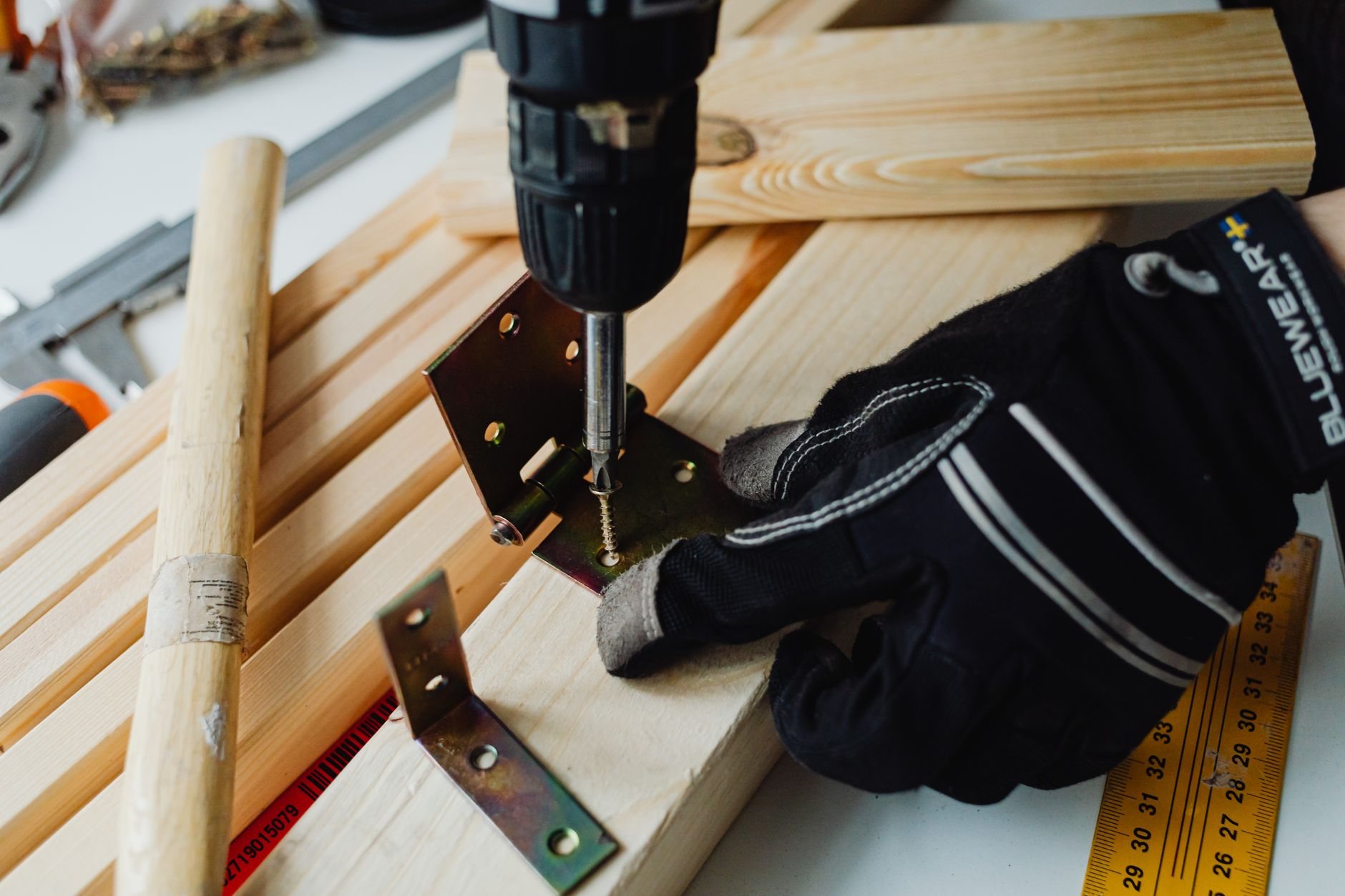
- Fasten boards for movement. One line of stainless or hot-dip galvanized ring-shank nails down the center of each board, never two rows, so the board can shrink and swell without splitting.
- Set battens between, not through. Battens nail into the gap, pinning nothing. Trapping board edges under a nailed-through batten is the most common cause of cracked board-and-batten walls.
- Finish and document. Field-applied stain, clearances held at six inches above grade and two above roofing, and a maintenance schedule in your closeout file.
What Utah’s climate does to vertical wood
At 4,500 feet, UV breaks down the wood surface faster than at sea level, so clear finishes gray out within a year or two and pigmented stains are the realistic choice. A hundred-plus freeze–thaw cycles a winter pry open any unsealed end grain, which is why the bottom-edge bevel and rainscreen gap get so much attention. And canyon wind tests battens first, so on exposed elevations we tighten the batten nailing schedule.
Board and batten siding, furring, flashing, and corner boards, window trim, and rake details are carpentry scopes we perform under our Utah DOPL-verifiable B100 license. Finish coats on a large wall field are often applied by professional painting crews; Grandview holds the contract, sequences siding staining after installation, and checks coverage before closeout. Board and batten is one profile within our siding installation and replacement service, inside site, structure & envelope.
What does wood board and batten siding cost in Salt Lake City?
As ballpark planning numbers only: installed wood board and batten along the Wasatch Front typically runs $13–22 per square foot of wall, including tear-off, weather-resistive barrier, horizontal furring, flashing, stainless fasteners, and a first finish coat. Pine or fir with solid stain sits low; clear cedar with a semi-transparent finish sits high. A gable accent is a small scope; a full two-story exterior usually lands between roughly $32,000 and $55,000. A firm estimate follows a site walk and a written scope.
- Species and grade. Clear cedar can cost twice what knotty fir does before anything is cut.
- Finish path. Shop-prefinished boards cost more up front and save a painting phase; field finish runs the other way.
- Gable count. Steep rakes mean every board gets a custom angle cut at the top.
Questions we actually get
Can wood board and batten go over my existing siding?
Not well. Vertical boards need a flat horizontal nailing base and a drainage gap behind them, and old cladding is neither. We tear off to the sheathing, repair what we find, install a new weather-resistive barrier, and fur the wall. It costs more than a cover-up and is the reason the boards last.
Why are the battens nailed between the boards instead of through them?
Because wood moves. A 1×12 in Utah’s dry air shrinks and swells across its width every season. A batten nailed through both board edges locks them, and the board splits down the middle within a year or two. A batten nailed only into the gap floats over the boards and keeps covering the joint as they move.
Do I have to stain it, and how often?
Yes, unless you want it to gray. UV at our elevation strips clear finishes fast, so most owners choose a solid or semi-transparent stain and recoat every five to eight years, sooner on south and west walls. Rough-sawn faces hold roughly twice the stain of smooth boards and go longer between coats.
Is real wood siding a fire concern in Utah’s foothills?
In wildland–urban interface zones along the bench, some cities restrict combustible cladding or require ignition-resistant treatment. Requirements vary, so verify with your city’s building department before committing — we check during scoping and recommend fiber cement board and batten where the rules call for it.
Tell us what you’re working on
Send a photo of the elevation or the plan set. We reply within a couple of hours during business hours — a day at most — with a straight read on species, layout, and budget before anyone commits to anything.