
Tongue-and-Groove Wood Siding
Tongue-and-groove siding is solid wood milled with an interlocking edge, so each board locks into the next and the nails hide inside the joint. It’s the choice for Salt Lake City and Utah County owners who want a flush or V-groove wood wall rather than overlapping boards — and Grandview installs it, with the rainscreen and finish it needs here, under a B100 general contractor license.
When tongue-and-groove is the right wood siding
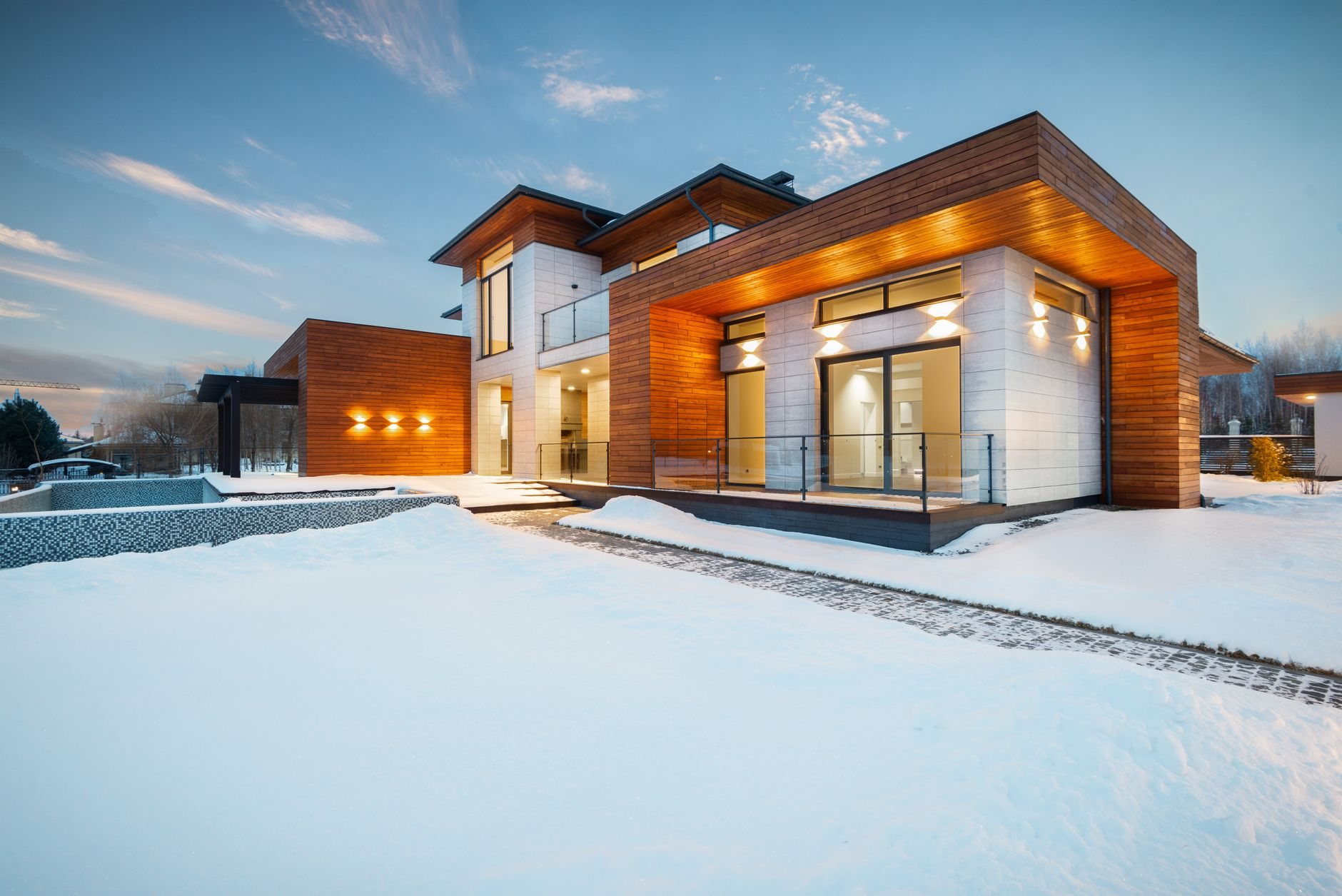
Within our siding installation work and the wider building envelope, three wood claddings get confused with each other, and the joint is the difference. Cedar lap siding overlaps each course and sheds water by gravity, forgiving a little movement. Board-and-batten covers the gap between wide vertical boards with a strip, so shrinkage shows nowhere. Tongue-and-groove hides the joint: the tongue seats into the next board’s groove, and the face reads as one plane with a crisp V or a flat seam.
It’s the pick for a clean modern or mountain-contemporary surface — a gable field above stone, an entry alcove, a porch ceiling, or an accent wall beside stucco or fiber cement. It runs horizontally, vertically, or diagonally with equal ease. The trade-off: a tight joint holds water longer than an overlap, so this siding needs a ventilated gap behind it everywhere. For texture instead of a smooth field, cedar shake siding is the other direction; for the wood look with less upkeep, LP SmartSide is the honest comparison.
Profiles, species, and board sizes
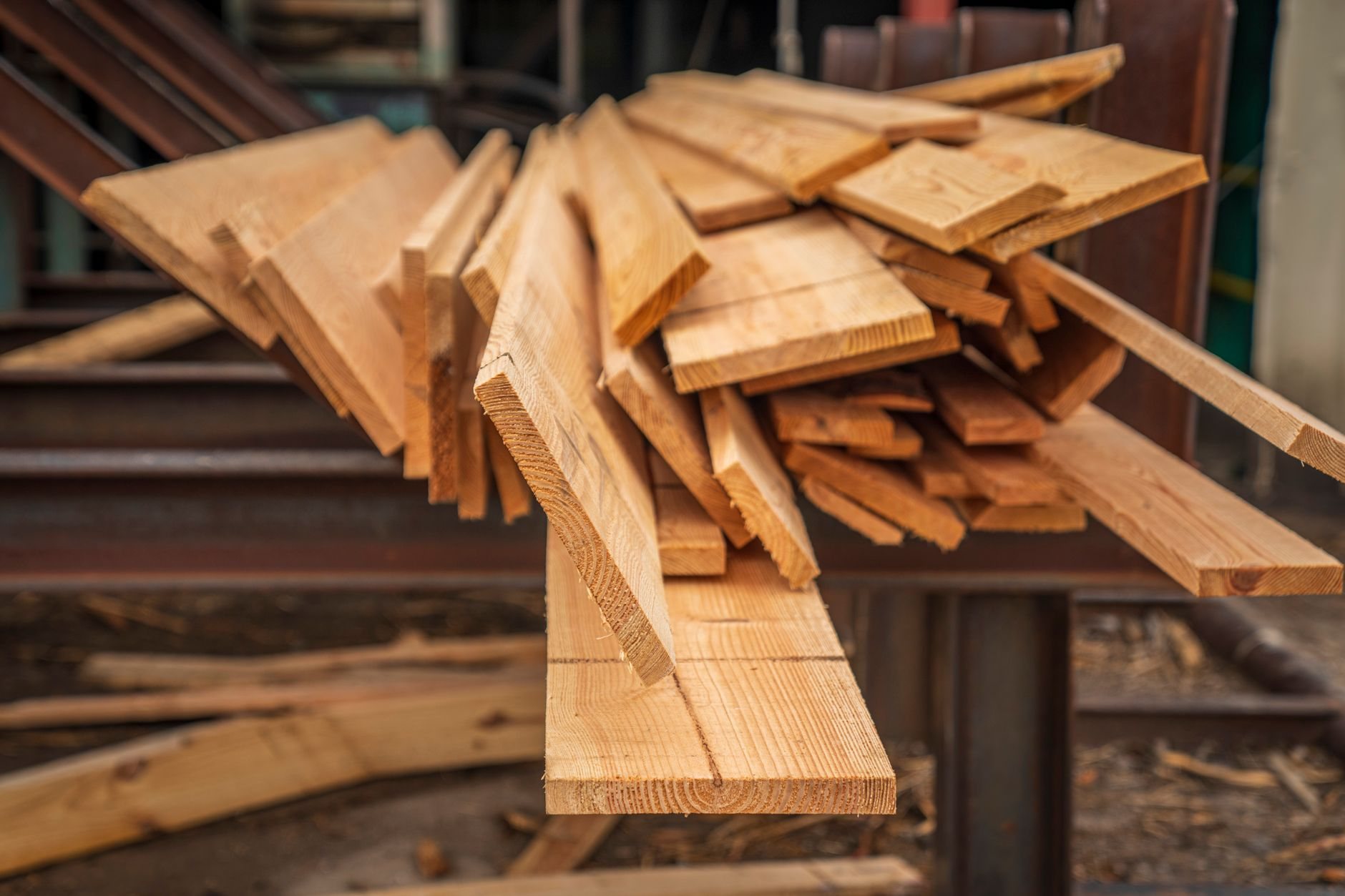
Most tongue-and-groove siding is 1×6 or 1×8 nominal, about three-quarters of an inch thick. V-joint chamfers each edge so the seam reads as a shadow line; flush or square-edge boards meet nearly invisibly; nickel gap mills a deliberate narrow reveal for a shiplap look with a true interlock behind it. Mill pattern numbers like WP4 name these profiles; we bring samples.
Species matters more than with painted lap boards, because the face is usually stained or oiled. Western red cedar is the exterior default: light, stable, naturally decay-resistant, in clear grades for a uniform look or knotty grades for a rustic field. Douglas fir and pine cost less but want a solid-color finish and faithful upkeep. Whatever the species, we specify kiln-dried stock and acclimate it on site. The Wasatch Front’s dry air pulls moisture out of wood fast; a board installed too wet shrinks across its width, and on this wall that shows up as a tongue pulling out of its groove by the end of the first winter.
How tongue-and-groove siding goes on
- Set the orientation. Horizontal boards go tongue-up so the groove faces down and sheds water. Vertical boards need horizontal furring or blocking every 16 to 24 inches to nail into.
- Build the drainage plane. Weather-resistive barrier, flashing, and furring strips that create at least a three-eighths-inch air gap. A tight-jointed wood wall against bare house wrap stays damp and cups.
- Finish six sides first. Every board is back-primed or stained on all faces and ends before it goes up, and field cuts get re-sealed. This decides whether the wall holds its finish under high-elevation UV.
- Blind-nail through the tongue. Boards up to six inches wide take one stainless ring-shank nail driven at an angle through the tongue, hidden by the next course; wider boards get a set face nail. Galvanized fasteners react with cedar tannins and streak black, so we don’t use them on cedar.
- Detail the edges. Six to eight inches of clearance at grade, kick-out flashing where roofs meet walls, and corner and trim details that keep end grain from drinking water.
- Top coat and close out. A final coat after installation hides nail sets and seals joints. Where painting crews field-finish larger jobs, Grandview holds the contract and sequences and checks their work.
What does tongue-and-groove siding cost in Utah?
As ballpark planning numbers only: installed tongue-and-groove cedar siding along the Wasatch Front typically runs about $14–22 per square foot including rainscreen furring, flashing, stainless fasteners, and a shop-applied finish. Knotty cedar and fir sit low; clear vertical-grain cedar and nickel-gap profiles high. Most owners use it as an accent on a few hundred square feet. A firm estimate follows a site walk and a sample selection.
- Grade and species. Clear western red cedar costs roughly twice what knotty stock does, and wider boards price higher and shrink more.
- Orientation. Vertical and diagonal runs need more blocking and cutting than horizontal.
- Finish path. Pre-finishing six sides costs more up front than field staining and is the better buy here. Plan on re-coating every three to five years; south and west walls at our elevation fade first.
- Openings. Every window, light, and inside corner needs end-grain sealing and trim, so a busy wall costs more than a plain gable.
One site note: bench lots near the foothills can fall inside a wildland-urban interface zone where ignition-resistant exterior requirements apply under current Utah-adopted code, and solid wood siding may be limited there. Verify with your city’s building department; we check as part of scoping. Our license is verifiable at dopl.utah.gov.
Questions we actually get
Can tongue-and-groove siding be installed vertically?
Yes, and it’s a popular modern look. Vertical boards can’t nail to studs directly, so we install horizontal furring or blocking every 16 to 24 inches over the house wrap, which doubles as the ventilation gap. Bottom ends get a bevel and sealer so they drip instead of wick.
Will the joints open up in Utah’s dry climate?
They can if the wood goes up wet. Boards shrink across their width as they dry to our low humidity, and a gap invisible in July can show by January. Kiln-dried stock, on-site acclimation, and six-side finishing keep movement small, and the tongue is deep enough to stay engaged through normal seasonal change.
Why do you insist on a rainscreen gap behind it?
Because the joints are tight, water behind the boards has no overlap to run out of. A ventilated gap of at least three-eighths of an inch lets the back dry, which prevents cupping, finish failure, and rot at the groove. Installation guidance from the Western Red Cedar Lumber Association calls for the same approach.
How often does it need refinishing?
Plan on three to five years for penetrating oils and stains, longer for solid-color finishes. Wasatch Front elevation intensifies UV, and south and west exposures gray first. Our siding painting and staining page covers the options.
Tell us what you’re working on
Send a photo of the wall and the look you’re after. We reply within a couple of hours during business hours — a day at most — with a straight read on profile, species, and budget.