
Siding painting and repainting in Salt Lake City
Siding painting is the body-only repaint: fiber cement, wood, engineered wood, vinyl, or aluminum siding washed, repaired, primed where bare, and recoated with a product matched to how that material moves. Grandview does this across Salt Lake County and Utah County under a B100 general contractor license, so the rotted board under the old paint gets replaced, not painted around.
When siding painting is the right scope
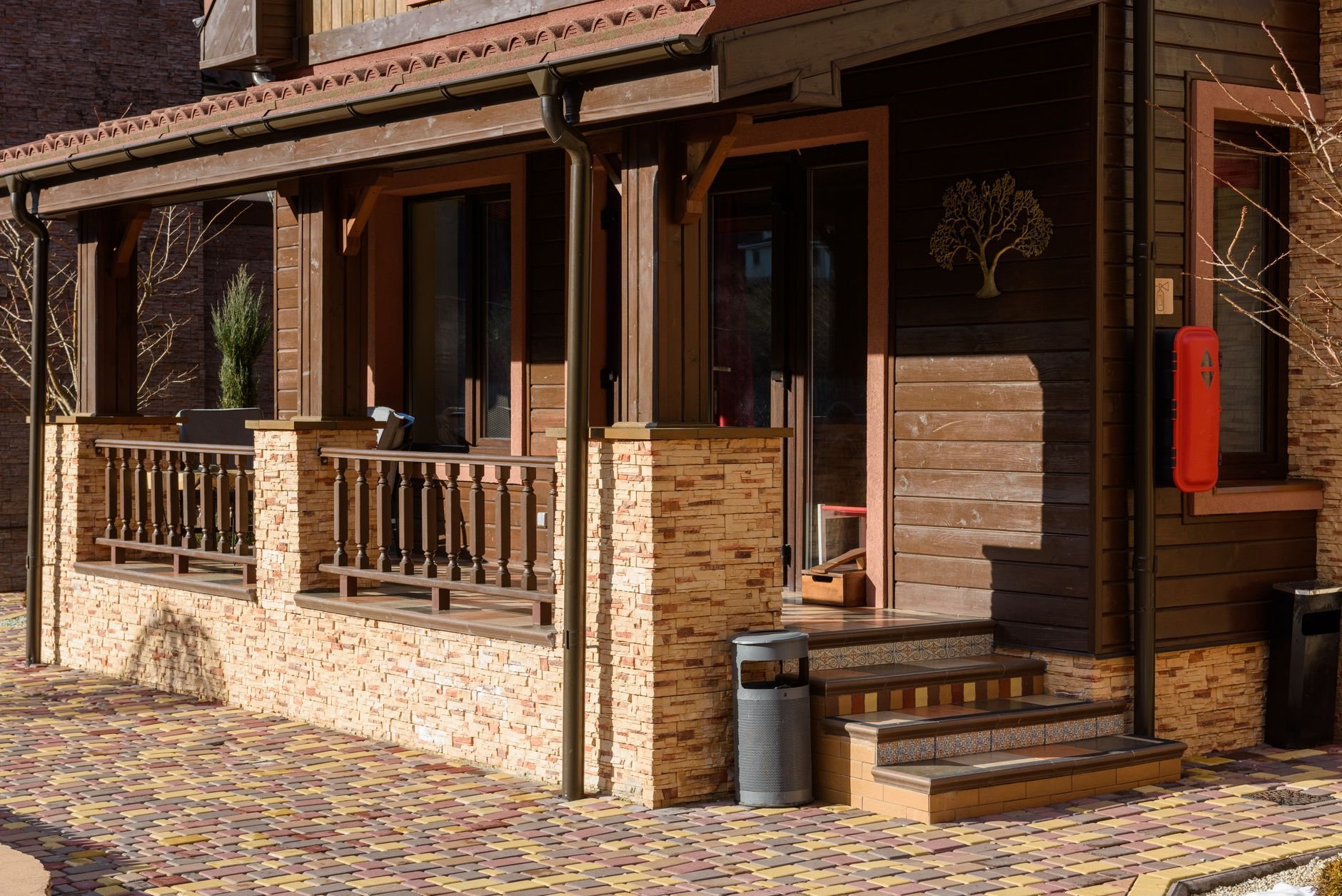
This is for the house whose siding is chalking, fading, or peeling while the boards underneath are still straight and dry. If the trim was done recently, or you’re staging work over two seasons, painting the siding body alone is a legitimate scope and we price it that way. When the whole exterior is tired at once, the full exterior house repaint is the better value, since the lift, masking, and wash get paid for once.
Two neighbors look similar and aren’t. Fascia, soffits, corner boards, and window casings fail earlier than the siding field and are handled under trim and fascia painting. Stucco needs breathable coatings and crack treatment lap siding never sees, so it lives under stucco painting. If more than a handful of boards are cupped, split, or soft, you’re past paint; we’ll say so and quote siding repair instead.
What painting siding actually involves
Primer, topcoat, caulk, and even the colors you can safely pick change with the material on the wall.
Fiber cement
Fiber cement is alkaline and takes a 100 percent acrylic topcoat; oil-based products saponify on it and fail. Field-cut ends get spot-primed, and the installation guidance from James Hardie governs where caulk goes: at trim and penetrations, not across flashed butt joints designed to shed water.
Wood and cedar
Cedar bleeds tannin through latex as brown streaks, so bare or weathered areas get a stain-blocking primer first. We meter moisture before coating and wait for boards under roughly 15 percent; a Wasatch Front summer dries siding fast, but a north wall after a wet spring does not.
Engineered wood, vinyl, and aluminum
LP SmartSide and similar engineered siding repaints well with acrylic once the edges are sealed, because edges are where it drinks water. Vinyl can be painted, but only in vinyl-safe colors with a light reflectance value near the original shade; dark navy on tan vinyl absorbs enough heat to buckle panels, and nothing fixes that afterward. Aluminum siding is mostly a chalk-removal and bonding-primer job.
How a siding repaint is sequenced
- Walk every elevation. We probe the bottom courses, boards under window sills, and anything below a gutter outlet, because that’s where siding rots first. Replacements are listed before the quote, not discovered after.
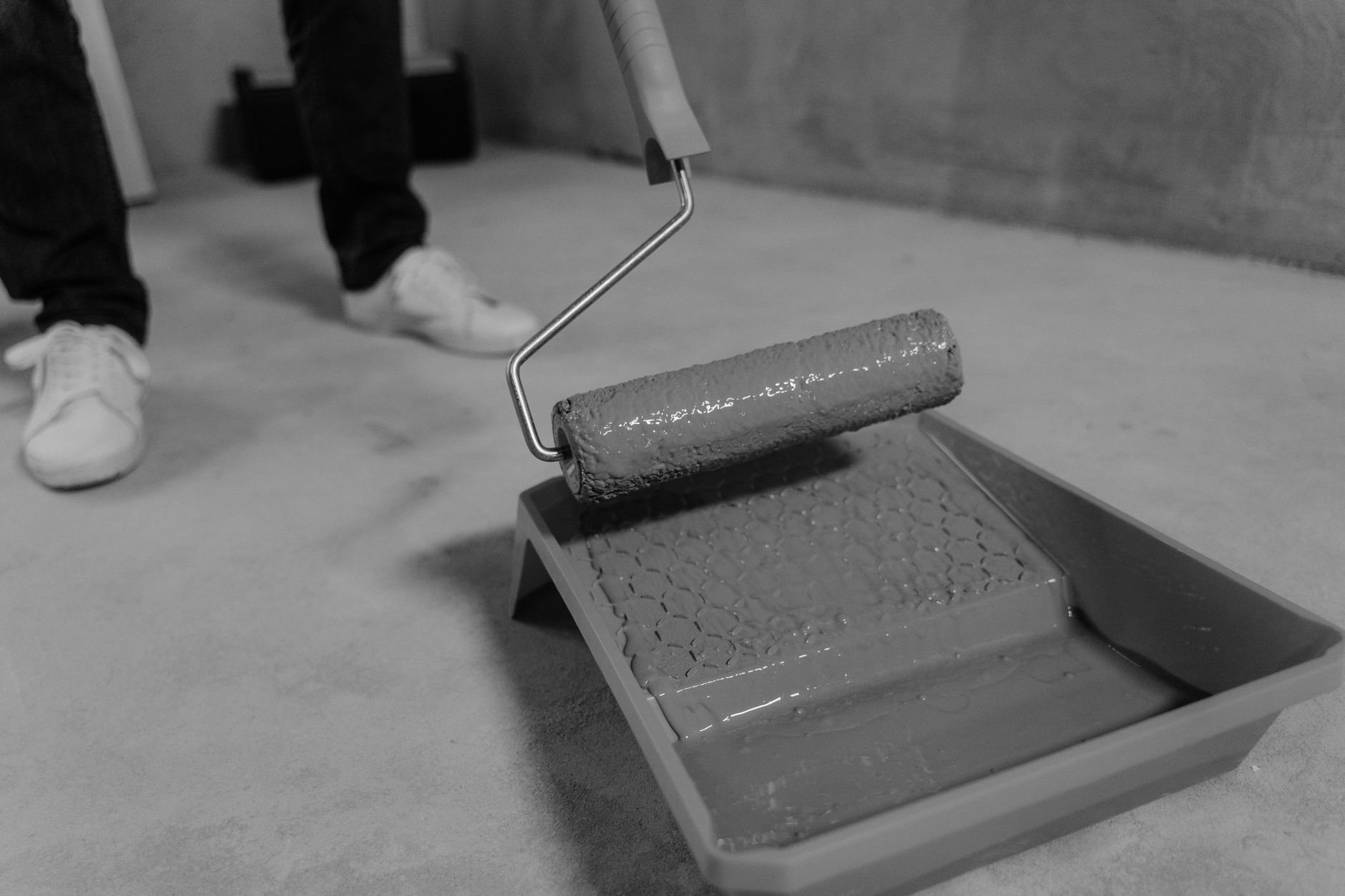
- Wash and let it dry. Power washing strips chalk and mildew. Lap siding holds water in every overlap, so the wall gets a day or two of drying before any primer touches it.
- Scrape, sand, and feather. Peeling edges are scraped to sound film and feather-sanded so the new coat doesn’t telegraph a ridge at every old failure. Bare material is primed the day it’s exposed.
- Caulk and mask. Siding-to-trim joints and penetrations get a paintable elastomeric sealant rated for the movement that 100-plus freeze–thaw days a year put on them.
- Spray and back-brush. Lap siding is sprayed for film build, then back-brushed so paint is worked under each drip edge and into the texture instead of bridging it. Two coats, the second after the first has cured, not just dried to the touch.
Timing matters more on siding than on most surfaces. South and west walls at our 4,300-to-5,000-foot elevations take enough UV that a July afternoon spray can skin over before it levels, so we chase shade around the house. We won’t spray into a canyon-wind forecast either; grit in wet paint on a textured lap is permanent.
What does it cost to paint siding in Utah?
Painting the siding body alone on a typical two-story Wasatch Front home usually lands in a $3,000 to $8,000 planning range; add trim and doors and it approaches the full-repaint numbers on our exterior painting page. Ballpark figures, not a quote; the firm estimate comes after we walk the building.
What moves the number: how much wall needs scraping versus washing, boards replaced before paint (counted and priced per board), stories and roofline access, a color change dark enough to need tinted primer, and the product line. HOA color approvals in newer Lehi, Saratoga Springs, and Eagle Mountain developments don’t change the price much, but they add weeks to the front of the schedule, so we start that paperwork at the estimate stage. Our license is verifiable at dopl.utah.gov.
Questions we actually get
How long does painted siding last in Utah?
Plan on seven to ten years for a properly prepped acrylic repaint on fiber cement or wood siding, less on south and west walls that take the hardest UV along the Wasatch Front. Painted aluminum often goes longer because the substrate barely moves. The number drops sharply when prep is skipped.
Can you paint vinyl siding a darker color?
Only within limits. Vinyl expands with heat, and a color much darker than the original absorbs enough sun to warp panels. We use vinyl-safe formulas and keep the light reflectance value close to the existing shade. If you want a dramatically darker house, the honest answer is new siding in that color, not paint.
Do you replace rotted siding boards before painting?
Yes. Our general contractor license covers carpentry, so soft boards under sills and along bottom courses get cut out and replaced with matching material, primed on all sides, before the wall is painted. Painting over rot hides it for a season and then peels. Board counts are itemized in the estimate.
Spray or brush: which is better for lap siding?
Both, in that order. Spraying builds an even film quickly; back-brushing right behind the sprayer works paint under each lap’s drip edge and into the grain or texture, where a sprayed-only coat tends to bridge and peel first. On tight lots we brush and roll outright; it costs more labor and keeps overspray off the neighbor’s car.
Tell us what you’re working on
Siding painting is one scope within our site, structure & envelope work. Send photos of the worst wall. We reply within a couple of hours during business hours, a day at most, with a straight read on prep, board replacements, and budget.