
Vertical & board-and-batten vinyl siding
Vertical vinyl siding is a molded board-and-batten panel hung top-to-bottom instead of side-to-side — the farmhouse look without paint, at vinyl prices. Grandview installs it on whole walls, gables, and porch accents across Utah County and the Salt Lake Valley under a B100 license, furred and flashed for how vertical panels move and drain.
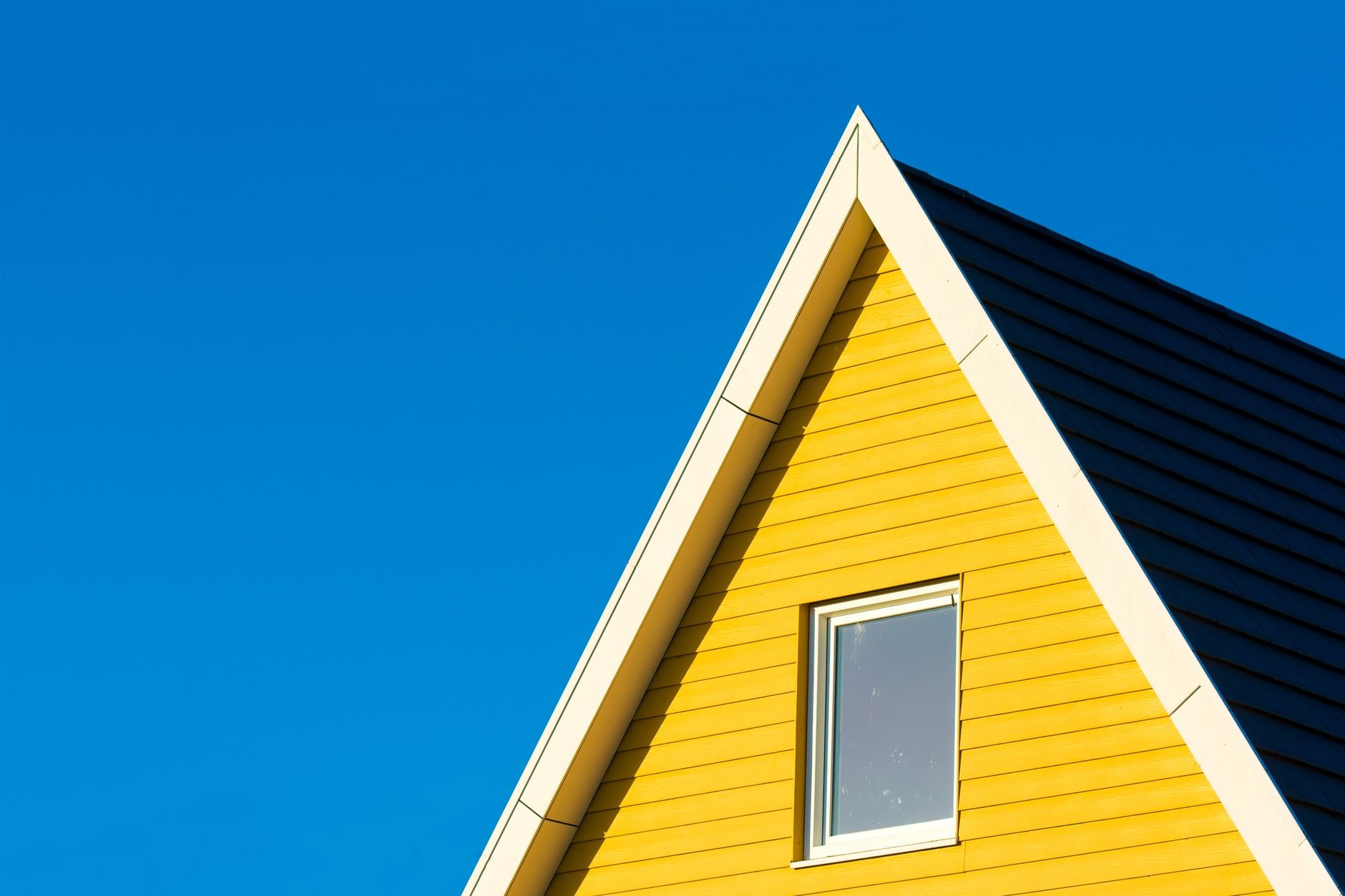
When vertical vinyl is the right board-and-batten
Three claddings give the board-and-batten look. Fiber cement board and batten uses real applied battens over flat panels — deep shadow line, any spacing you want — but it needs field paint and costs the most. Wood board and batten is the original and asks for a stain or paint cycle every few years in our sun. Vertical vinyl molds board and batten into one panel: shallower relief, fixed spacing, no paint, lowest cost of the three.
It’s the right call when you want the vertical look on a budget, when the house already wears vinyl lap and you want matching gables from the same color line, or when an HOA in Lehi, Saratoga Springs, or Eagle Mountain already lists vinyl as approved. It’s the wrong call for an eye-level, street-facing wall where you want a deep batten shadow — there, fiber cement earns its premium. For a textured gable instead, see vinyl shake and scallop.
What the installation actually involves
Vertical vinyl fails for different reasons than lap, so it goes up differently. Panels come in single-board, double-board, or board-and-batten profiles, usually 10 or 12 feet long, each hanging from a nailing hem that runs the full height of the wall.
- Give the nails something to bite. Vertical panels need horizontal backing. Over sheathing that holds a nail we fasten direct; over foam or old board sheathing we strap the wall with horizontal furring at 12 inches on center so every nail lands in wood.
- Build the base. Water runs straight down a vertical panel into the bottom trim, so the base J-channel gets weep holes at regular spacing. Base trim without weeps is a trough.
- Lay out the battens. We start from a point that leaves equal partial panels at both corners, so the batten rhythm reads centered and no sliver lands beside a window; gables lay out from the peak.
- Hang, don’t nail. The top nail sits at the top of the uppermost slot to carry the panel’s weight; every other nail is centered and left a hair proud. Panels get about a quarter inch of room at top and bottom, because a 12-foot vertical panel moves nearly half an inch between a July afternoon and a January night on the Wasatch Front.
- Flash the transitions. Where vertical meets lap below it — a gable over a lap wall, or a board-and-batten upper story — a flashed drip cap sends water out over the lap instead of behind it. Trim, J-channel, and corner detailing covers that edge work in depth.
- Cut for the season. Vinyl gets brittle in hard cold. In winter we cut with a fine-tooth blade mounted backward on the saw so the panel shears clean instead of chipping, and widen expansion gaps because the material is at its smallest.
Fastening follows the high-wind schedule — tighter hem spacing, full lock engagement — because an under-nailed hem is what a canyon-wind night in Centerville will find and peel. The Vinyl Siding Institute’s installation manual is the standard we work from; the panel warranty depends on it.
What does vertical vinyl siding cost in Utah?
As ballpark planning numbers only: vertical and board-and-batten vinyl typically runs about $7–11 per square foot installed along the Wasatch Front, a step above vinyl lap because the panels are heavier and furring, base detailing, and layout add labor. A gable accent added to a lap job usually lands in the low thousands. These are ranges to plan with, not quotes — a firm estimate follows a site walk and a written scope.
- Furring. A strapped wall costs more than one that takes nails directly, and usually needs extended jamb trim at windows and doors.
- Profile. Single- and double-board panels cost less than board-and-batten profiles; insulated-backed panels cost more.
- Color. Dark board-and-batten on a south or west wall needs heat-reflective pigments, or a 12-foot panel will soften and ripple on a 100-degree afternoon — our elevation makes the sun harsher than the sample board suggests.
- Transitions. Every vertical-to-horizontal change and every window in the field adds flashing and trim time. A plain wall is cheap; a wall full of dormers isn’t.
Vinyl siding, furring, flashing, and trim are carpentry scopes Grandview performs under a Utah DOPL-verifiable B100 license. Relocating an exterior light or outlet that lands in a batten line is done by licensed electricians; we hold the contract and sequence their work inside yours.
Questions we actually get
Can vertical vinyl go over my existing lap siding?
Over existing vinyl or aluminum lap, no — the uneven surface won’t support the panel. Over sound, flat wood lap it’s sometimes possible with horizontal furring, but you lose the chance to fix house wrap and flashing underneath — most of our jobs are tear-offs for that reason.
Will vinyl board and batten look fake next to a fiber cement version?
Side by side at arm’s length, yes — the molded batten is shallower and the spacing is fixed. From the distance a gable or second story is actually viewed, the difference mostly disappears. That’s why we lean toward vinyl for upper stories and fiber cement for eye-level walls.
Why are there gaps at the top and bottom of the panels?
Because the panels have to move. A 12-foot vertical vinyl panel changes length by close to half an inch across Utah’s summer-to-winter swing. The gaps hide inside the top and base trim; a panel installed tight is the one that buckles the first hot August.
Can you mix vertical vinyl with lap siding on the same house?
Yes — that’s the most common use: board and batten on gables, dormers, or an upper story over a lap first floor. The detail that matters is the horizontal transition, a flashed drip cap that carries water out over the lap below. Most manufacturers make both profiles in one color line, so the match is exact.
Tell us what you’re working on
Vertical vinyl is one profile under our siding installation and replacement service, one layer of the building envelope. We reply within a couple of hours during business hours — a day at most — with a straight read on scope, sequence, and budget before anyone commits.