
Engineered wood siding (LP SmartSide)
LP SmartSide is wood strand siding bonded with resin, treated against rot and insects, and wrapped in a resin-saturated overlay that takes paint like lumber without lumber’s cupping. Grandview installs SmartSide lap, panel, and trim across Utah County under a B100 general contractor license, to LP’s fastening and clearance schedule.
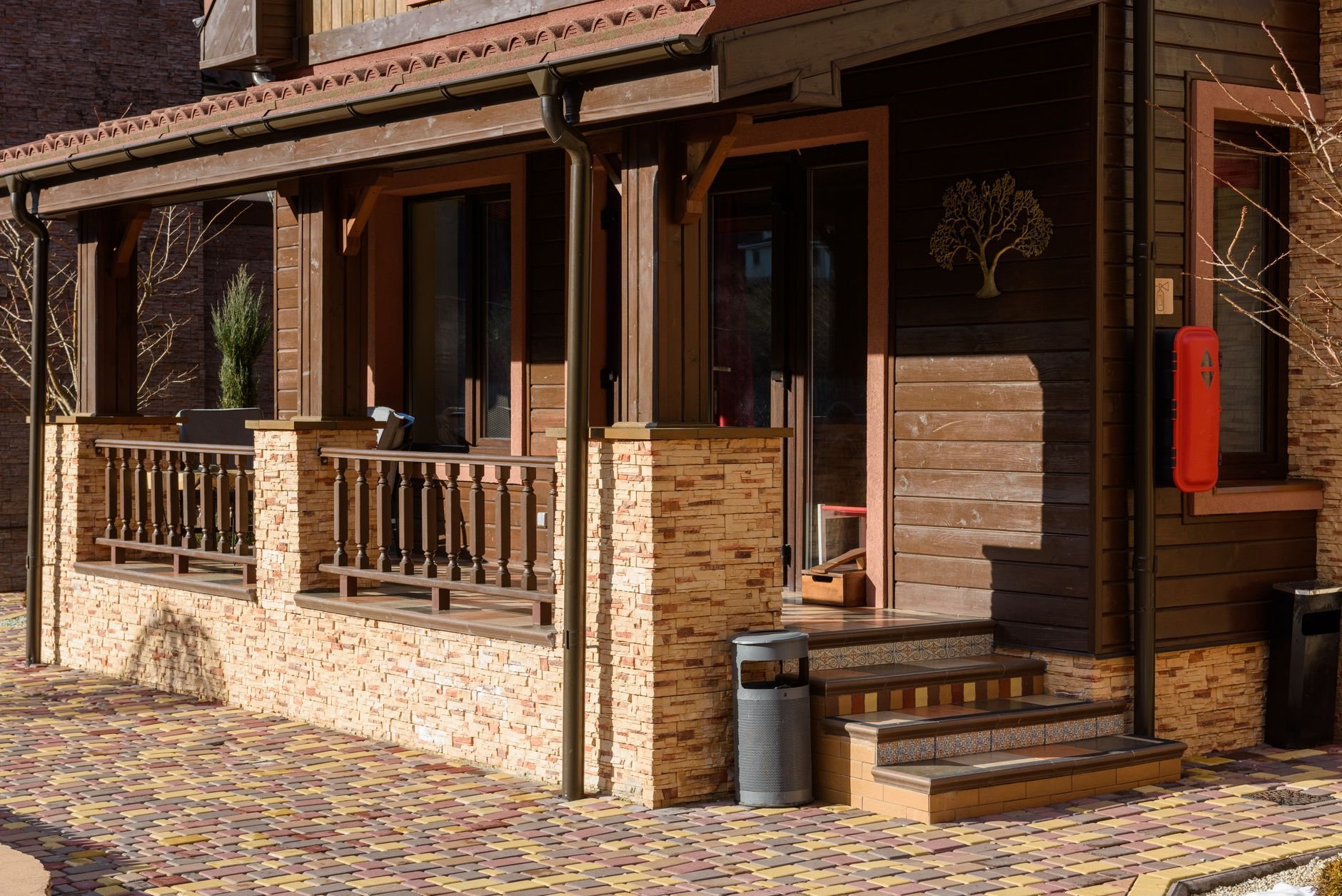
When SmartSide beats fiber cement and cedar
Choose engineered wood when you want deep grain and crisp shadow lines without cedar’s maintenance curve or fiber cement’s weight and labor premium. SmartSide lap comes in 16-foot lengths, so a typical wall carries a third fewer butt joints than 12-foot fiber cement lap: fewer sealant lines to maintain through a hundred-plus freeze–thaw days a year.
It’s also the right answer where impact matters. Wasatch Front summer cloudbursts carry hail often enough that cracked fiber cement and dented vinyl are familiar sights after July. Engineered wood strand flexes and absorbs a hit that would chip a cementitious board, which makes it a common pick for exposed west walls and storm-claim rebuilds.
It’s the wrong answer in two cases. If you want the real thing and will keep up with stain, cedar lap siding is still cedar. And if your lot sits in a mapped wildland-urban interface area on the bench, your city may restrict combustible cladding; SmartSide is a wood product, so verify with the building department first. Composite siding is the sibling to consider for a fully synthetic board with no paint cycle.
What an LP SmartSide installation actually involves
SmartSide forgives weight and cutting. It does not forgive unsealed edges.
- Dry in first. Weather-resistive barrier lapped shingle-style, pan and head flashing at every window, kick-out flashing where roofs meet walls.
- Set the clearances. LP calls for the bottom edge at least 6 inches above finished grade and 1 inch above roofing, decks, and concrete flatwork. On north walls where shoveled snow piles against the house, we hold those numbers.
- Cut and seal. Boards cut with a standard carbide blade, no silica dust. Every field-cut end gets primed before it goes on the wall, because a bare cut edge is the one place this product will swell.
- Fasten into framing. Hot-dip galvanized nails, face-nailed through the overlap at every stud, 16 inches on center, heads flush and never countersunk. Nails that only catch sheathing are why lap lifts in a canyon-wind event.
- Gap and seal joints. Butt joints land on studs, gapped about 3/16 inch, then filled with a high-movement exterior sealant or covered with LP joint moulding. Same gap at trim, corners, and window casings.
- Finish within the window. Primed SmartSide needs a topcoat within LP’s stated period after installation, so siding paint is scheduled as part of the job, not an afterthought.
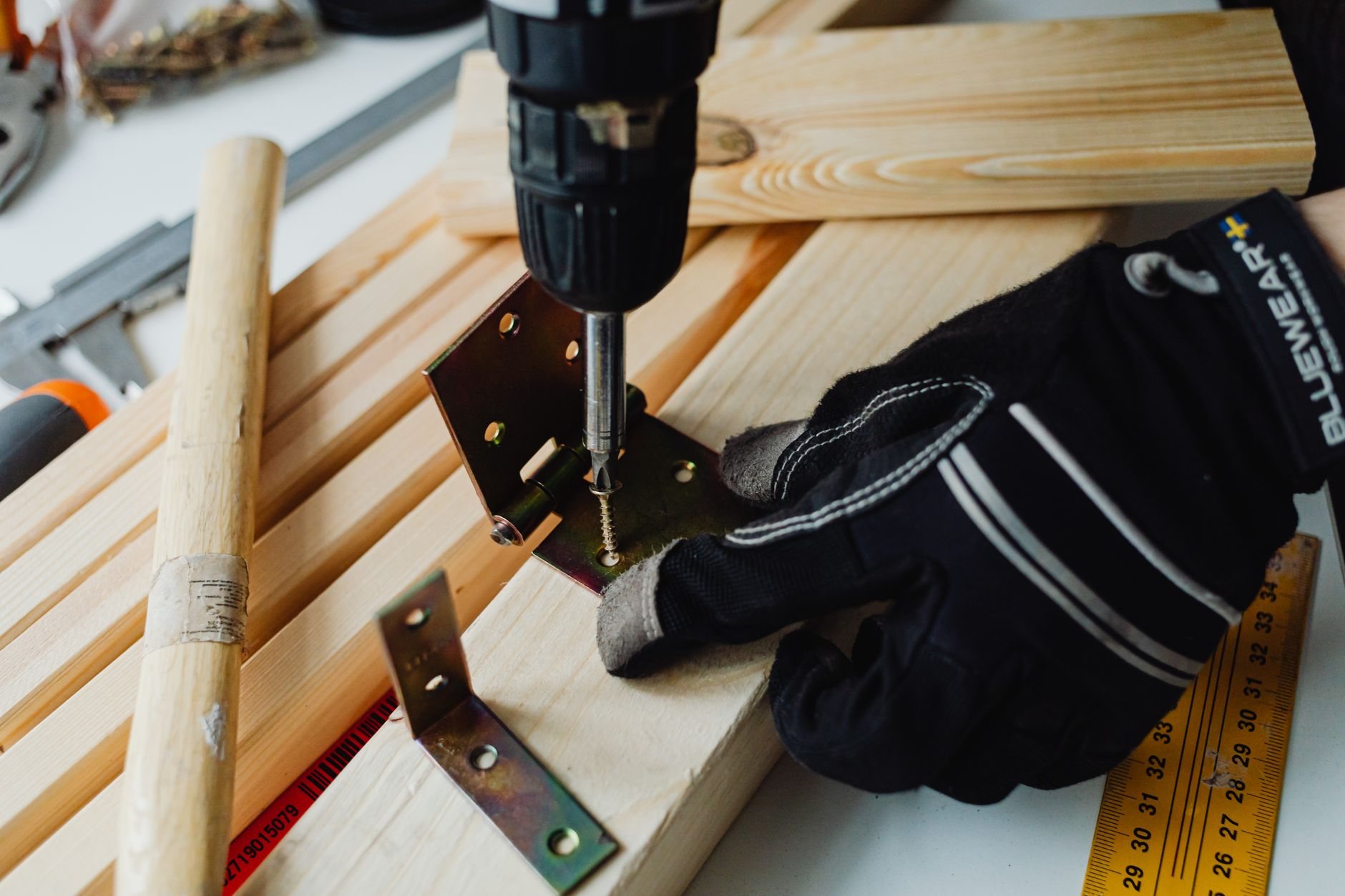
Lap, panel, or factory finish: choosing inside the line
The SmartSide line covers lap in several reveals, vertical panel with or without grooves, shakes, and matching trim and fascia, so a whole exterior can come from one system with one fastening schedule. Lap is the default for most Utah County homes. Grooved panel reads as board-and-batten at lower cost than a true wood board-and-batten assembly, and lap on the body with panel in the gables is a common mix.
The finish decision matters more here than on most claddings. Elevation makes Wasatch Front UV harsher than at sea level, and south and west walls take the worst of it. LP’s factory-finished ExpertFinish boards carry a baked-on coating that outlasts any field coat on that exposure and skip the painting phase; the trade is a limited palette. Primed boards cost less and can be any color, but the field topcoat needs renewing sooner on sunny walls. Exposed lots tend to go factory-finished; homeowners matching an HOA color book usually go primed and painted.
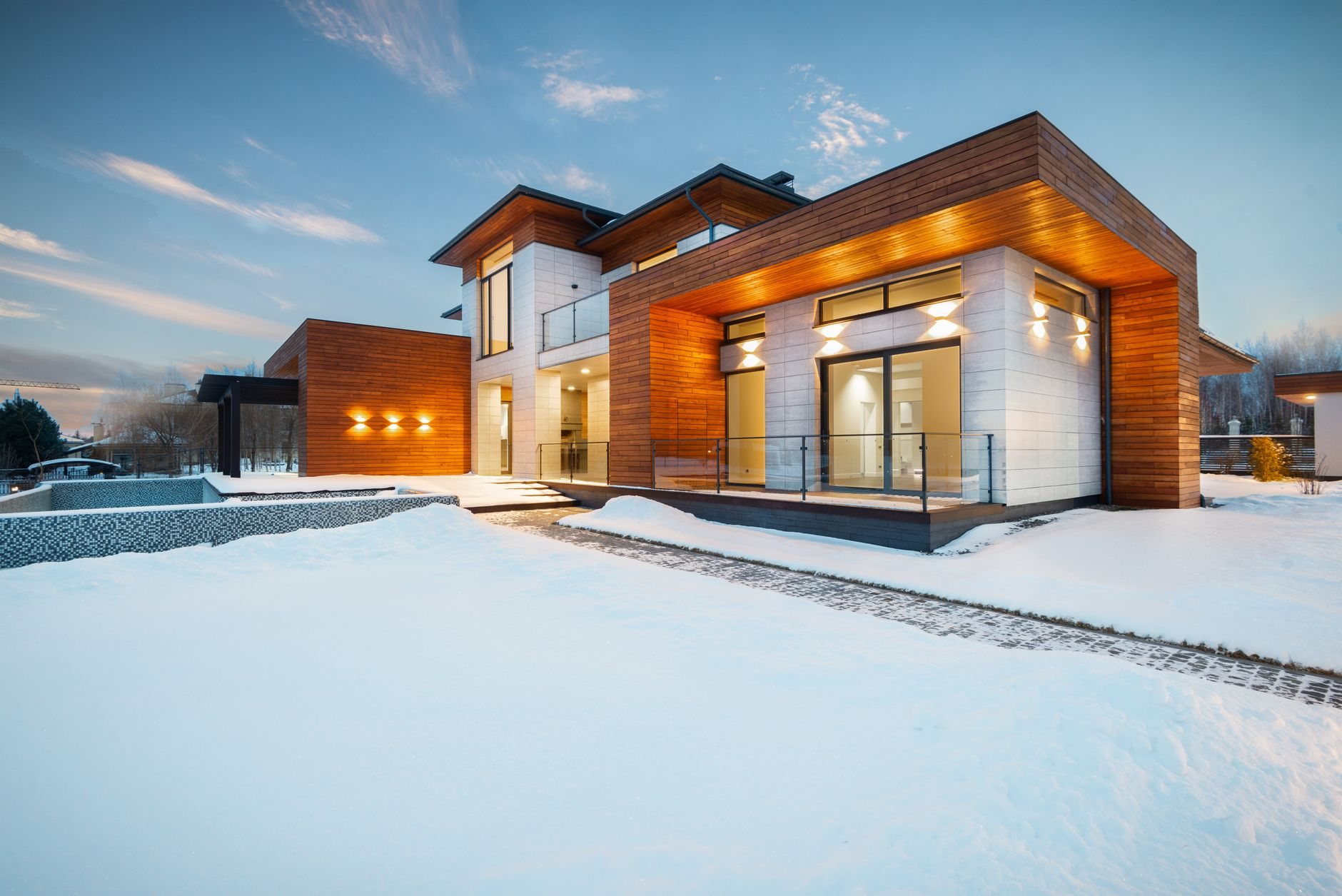
What does LP SmartSide siding cost in Utah County?
As ballpark planning numbers only: SmartSide lap on a full replacement in Utah County typically runs about $9–14 per square foot installed, including tear-off, house wrap, flashing, and standard trim. That lands between vinyl and fiber cement; most of the gap to fiber cement is labor, since a 16-foot SmartSide board weighs roughly half the equivalent cement board. Ranges to plan with, not quotes; a firm estimate follows a site walk and written scope.
- Finish path. ExpertFinish adds material cost per square but removes the painter from the schedule. Primed plus field paint nets out close, with more color freedom.
- Panel and gable detailing. Grooved panel in gables, shake accents, and wide trim builds add cuts, and every cut is an edge to seal.
- What’s under the old siding. Rotted sheathing where old flashing failed is common. We carry a discovery allowance in the contract and show you photos before anything is covered.
The fastening and clearance numbers above come from LP’s published installation instructions, which govern the warranty; our license is verifiable at dopl.utah.gov. Broader material comparisons live on our siding installation and replacement page, part of site, structure & envelope.
Questions we actually get
Does LP SmartSide hold up to Utah freeze-thaw cycles?
Yes, provided the edges are sealed and the clearances are kept. The strand core is bonded with resin and wax and treated with zinc borate, and the overlay sheds water. Failures almost always trace to bare cut ends, siding buried in grade or snow, or sealant that gave up at an unprimed joint. Detail those three and it does fine through a Wasatch Front winter.
Is SmartSide better than fiber cement for hail?
For impact, usually. Engineered wood strand flexes where fiber cement is brittle and can crack or chip under hail. Fiber cement wins on fire rating and raw surface UV durability. If your lot has taken hail before, or you’re rebuilding from a storm claim, SmartSide is a reasonable pick; if your city restricts combustible cladding, it’s off the table.
Why does the paint timing matter so much?
Primed SmartSide is primed, not finished. LP requires a topcoat within a stated period after installation to keep the warranty, and Utah’s UV degrades primer faster than the calendar suggests. We sequence painting into the project so boards never sit primed through a summer. ExpertFinish boards avoid the issue entirely.
Can SmartSide go over my existing siding?
We don’t recommend it. Installing over old cladding hides the sheathing and flashing you most need to inspect, makes the 6-inch grade clearance harder to hold, and leaves fasteners reaching through a soft layer to find studs. Tear-off costs a little more and is the only way to know the wall behind the new siding is dry.
Tell us what your walls are doing
Send photos of the worst exposure or describe the house. We reply within a couple of hours during business hours, a day at most, with a straight read on whether SmartSide fits, which profile, and a realistic budget range.