
Fiber cement lap & plank siding (James Hardie)
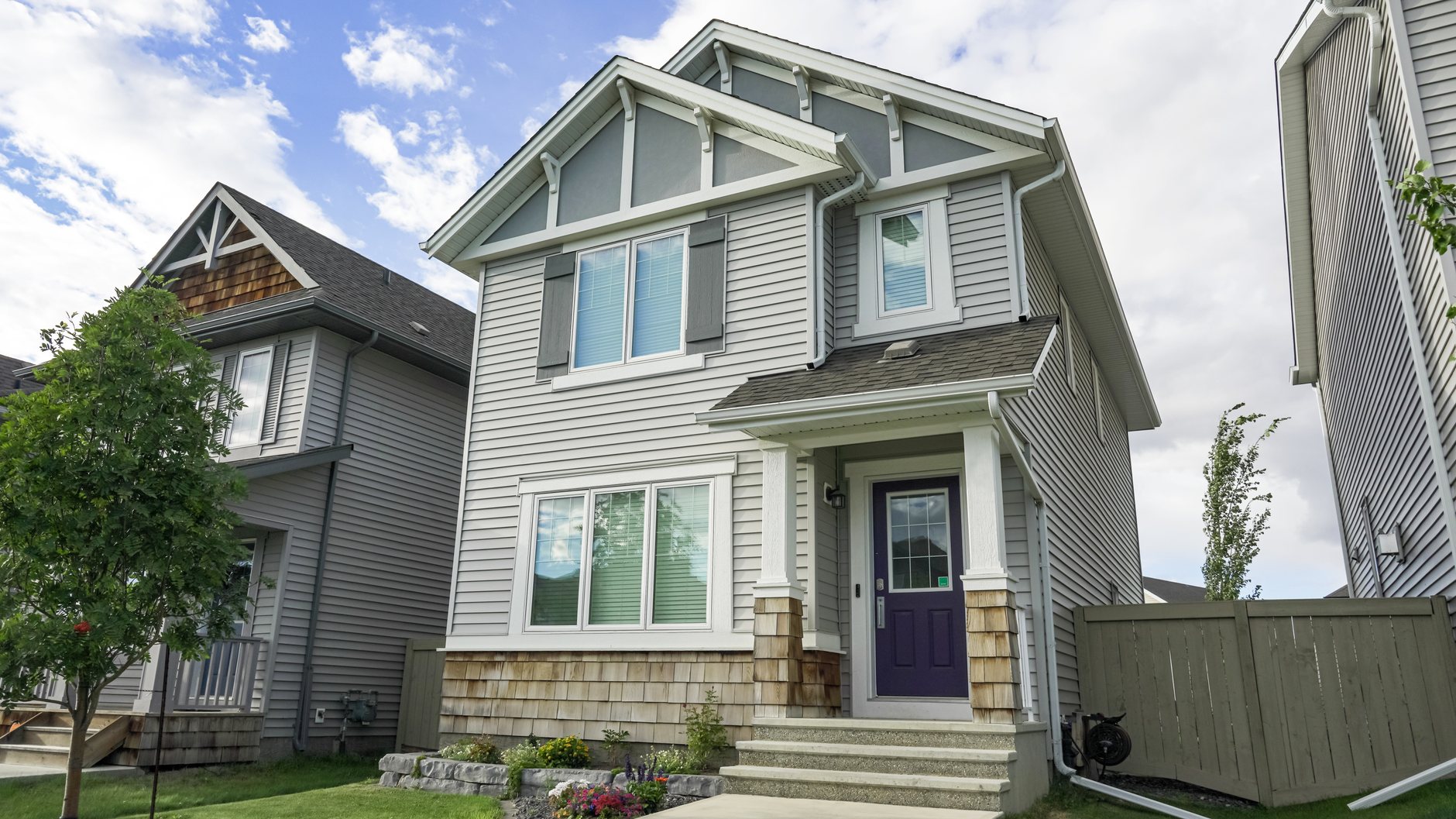
Fiber cement lap siding is the horizontal plank profile — HardiePlank is the name most people know — and it’s the fiber cement option we install most across Utah County. Grandview installs it under a Utah B100 general contractor license, blind-nailed to the manufacturer’s schedule with the joint flashing, gaps, and clearances that decide whether it still looks right in year fifteen.
When lap is the right fiber cement profile
Lap is the default for a reason. On a conventional two-story home it reads as classic clapboard, works with nearly any trim package, and passes HOA review boards without a conversation.
The siblings earn their place in specific spots. Fiber cement board and batten suits farmhouse and modern-rustic elevations where vertical lines are the point. Fiber cement shakes are usually a gable or dormer accent rather than a whole-house cladding. Vertical panel siding is for flat, contemporary walls with reveal joints. Many good exteriors run lap on the field walls and one of those on a feature area.
Against other horizontal claddings: LP SmartSide engineered wood lap is lighter and cheaper but its cut edges hate water, and cedar lap gives you real grain with real maintenance. Fiber cement lap doesn’t burn, doesn’t feed insects, and holds a finish under our elevation’s UV.
What the installation actually involves
Lap boards are a 5/16-inch cementitious plank, 12 feet long, in widths from 5¼ to 12 inches. The common choice here is an 8¼-inch board hung at a 7-inch exposure, which leaves the 1¼-inch overlap the manufacturer requires. Narrower exposures suit smaller homes and cost more because there are more courses to hang. James Hardie makes the plank in two climate formulations; the cold-climate HZ5 line is the one for the Wasatch Front, where boards see a hundred-plus freeze–thaw days a year.
- Starter strip and clearances. A starter strip kicks the first course out to the same angle as every course above it. The bottom edge stays 6 inches above grade and 2 inches above decks, patios, and roofing — clearances we hold strictly on bench lots where snow sits against a wall for weeks.
- Blind nailing on layout. Each board is fastened through its top edge, about 1 inch down, into studs with corrosion-resistant siding nails; the next course hides the heads. In the canyon-wind corridors along the bench we use the manufacturer’s high-wind schedule — closer spacing plus face-nailing where the exposure calls for it. Over-driven nails crack the board; under-driven ones hold the next course off the wall.
- Butt joints with flashing behind. Field joints land on studs, stagger course to course, and get a strip of flashing behind each one so water drains over the course below instead of into the sheathing.
- Trim gaps and sealant. Boards stop 1/8 inch short of corner boards and window trim, and that gap takes a paintable, high-movement sealant. Freeze–thaw cycling works those joints hard, so sealant grade is a performance decision here.
- Cuts and dust. Boards are cut outdoors with shears or a polycrystalline diamond blade and dust collection, because the dust carries crystalline silica. Cut edges get primed before they go on the wall.
- Finish. Pre-finished ColorPlus boards get touch-up at cuts and nail heads. Factory-primed boards get field-applied siding paint within the manufacturer’s window; professional painting crews do that work, and Grandview holds the contract, sequences it, and checks it.
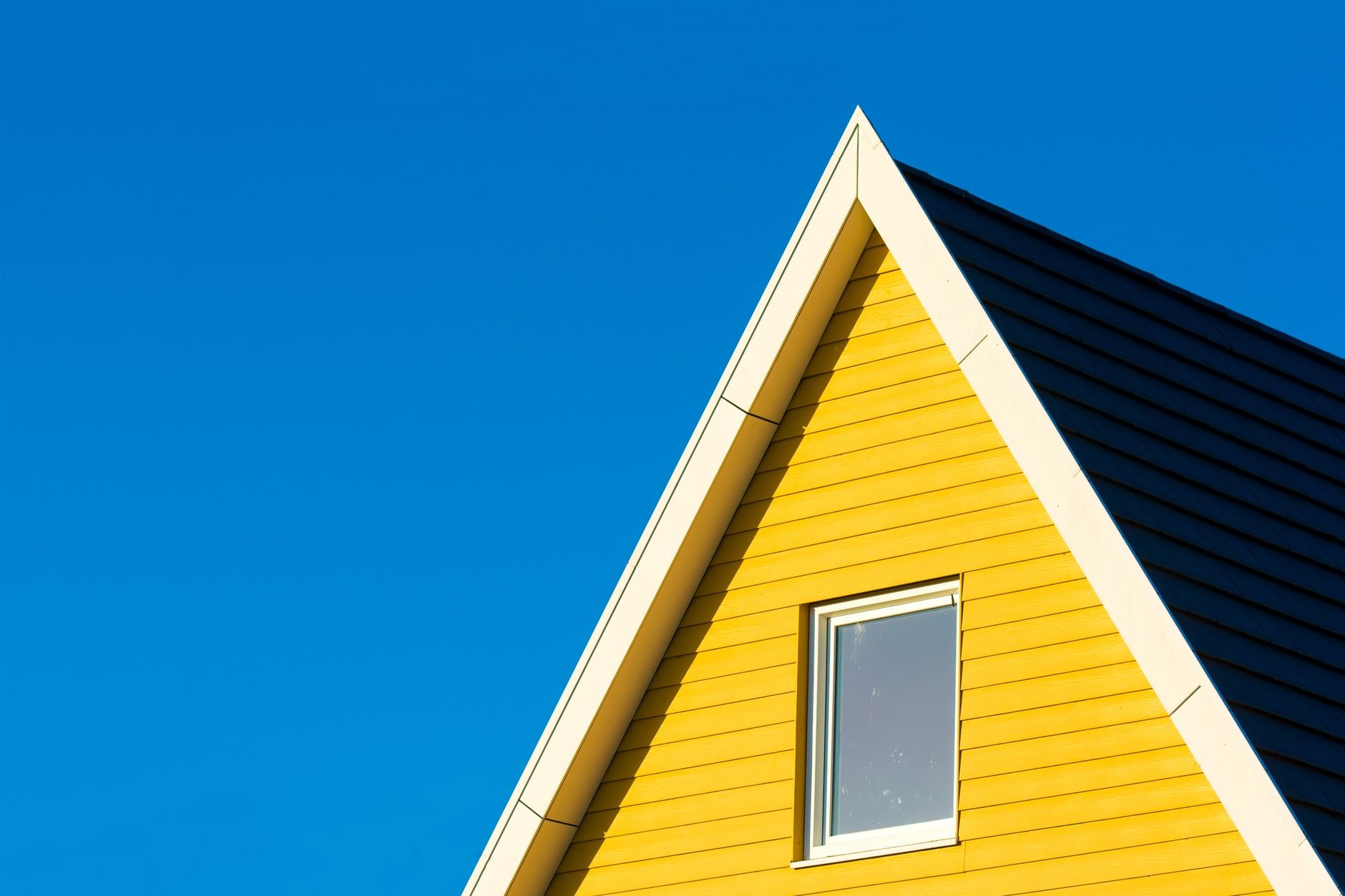
Siding, flashing, house wrap, and trim are carpentry scopes we perform under a DOPL-verifiable B100 license. The wall assembly underneath follows the sequence on our siding installation and replacement page — tear-off, sheathing repair, a lapped weather-resistive barrier, and window and roof-to-wall flashing — before the first board is hung. Corner boards and trim detailing are planned with the lap layout, not after it, so course lines land evenly above windows and at the top of the wall. The rest of the shell lives under site, structure & envelope.
What does fiber cement lap siding cost in Utah County?
As ballpark planning numbers only: installed fiber cement lap siding along the Wasatch Front typically runs about $10–15 per square foot of wall, including tear-off, weather-resistive barrier, flashing, and standard trim. A typical two-story home lands roughly between $28,000 and $45,000. These are ranges to plan with, not quotes — a firm estimate follows a site walk and a defined scope.
The lap-specific drivers inside that range:
- Exposure width. A 4- or 5-inch exposure can mean a third more courses than 7-inch — more boards, nails, and joints.
- Pre-finished versus primed. ColorPlus costs more per square but removes the painting phase and its temperature window; primed boards cost less and add a painter.
- Window and corner count. Every opening adds trim, flashing, and cuts.
Questions we actually get
What exposure should I choose for lap siding?
Seven inches is the standard look on most Utah County homes and the most economical to hang. Five or six reads more traditional and suits smaller or older houses; four is a cottage look. Exposure also sets where course lines meet window heads, so we lay the wall out before ordering.
Is pre-finished ColorPlus worth it over field painting?
Usually, if your color is in the line. The baked-on finish carries a longer finish warranty, survives our elevation’s UV better than most field coats on south and west walls, and takes the painting phase off the schedule. Primed boards cost less and give unlimited color, but repaint sooner.
Can fiber cement lap go over my existing siding?
We don’t recommend it, and the manufacturer requires a flat, properly flashed substrate. New lap over old vinyl or wood hides whatever failed underneath and leaves the weather barrier and flashing unaddressed. Tear-off lets us repair sheathing and reset window flashing, which is where most Utah siding leaks start.
How does the cost compare with vinyl or engineered wood lap?
Fiber cement lap sits at the top of the three. Vinyl lap runs well under it and engineered wood lands in between. The premium buys non-combustibility, dimensional stability through freeze–thaw, and a finish that holds. For a house you plan to keep, cost of ownership per year usually favors fiber cement.
Tell us what your walls are doing
We reply within a couple of hours during business hours — a day at most — with a straight read on profile, finish, and a realistic budget range before anyone commits to anything.