
Ridge Vent & Roof Ventilation Installation
Roof ventilation is balanced intake at the eaves and exhaust at the ridge, moving outside air through the attic so the roof deck stays cold in winter and cooler in summer. Grandview installs continuous ridge vents, soffit intake, and attic baffles across Utah County and Salt Lake County under a B100 general contractor license, during a re-roof or as a standalone retrofit.
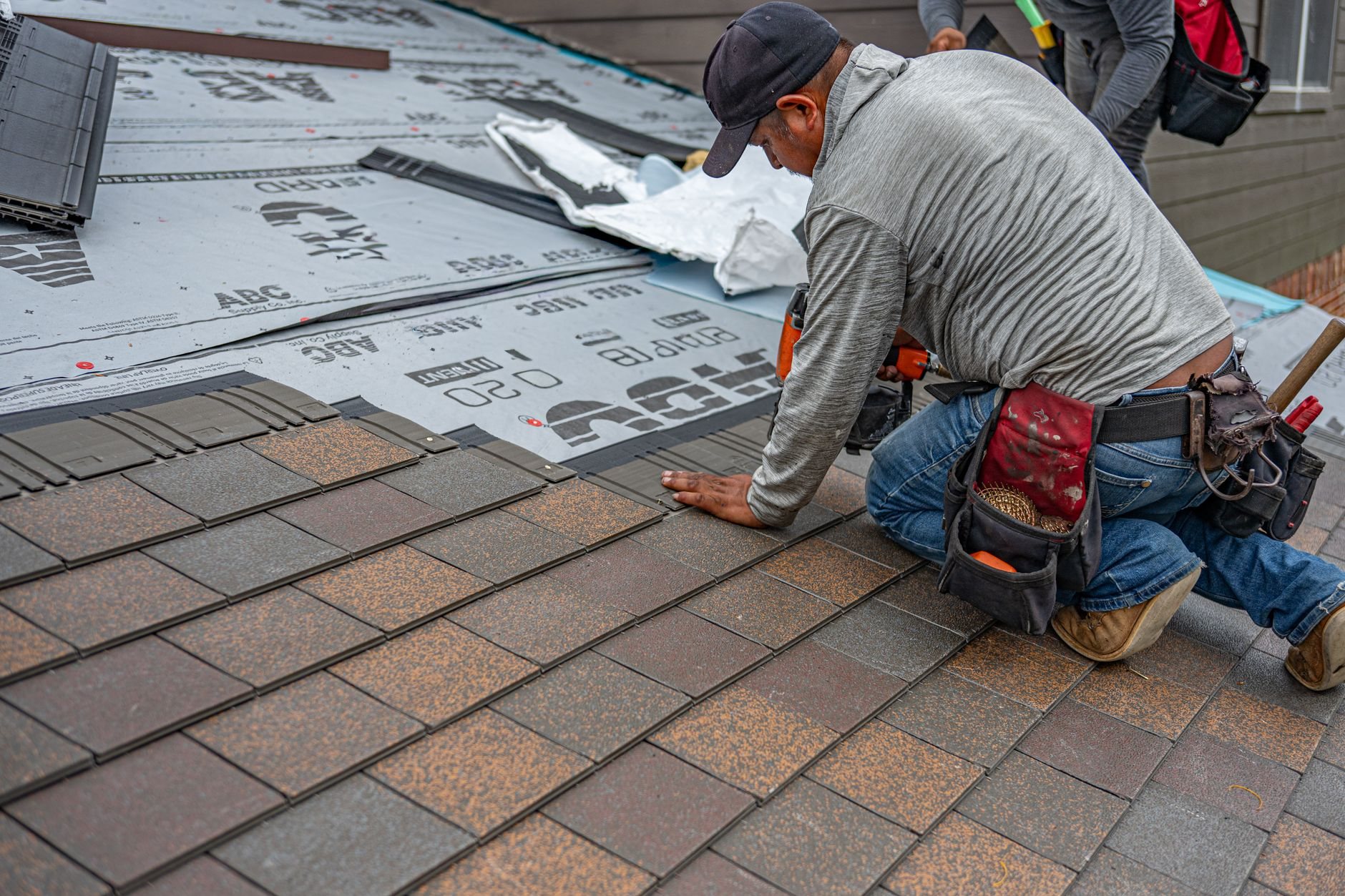
When a ridge vent is the right call, and when something else is
A continuous ridge vent is the default exhaust for any gable or hip roof with a ridge long enough to matter. It sits at the highest point, so warm, moist attic air leaves on its own, evenly along the whole ridge. If your attic still relies on a few box vents, a gable louver, or a fan that died years ago, converting to ridge-and-soffit is usually the cleanest fix.
It is not the answer everywhere. A low hip roof with ten feet of ridge can’t exhaust enough through it, so we pair hip-ridge vents with box vents. A roof with no soffit overhang needs intake solved first, often with edge-of-roof intake vents. A flat TPO or EPDM roof over a sealed deck has no attic to vent at all.
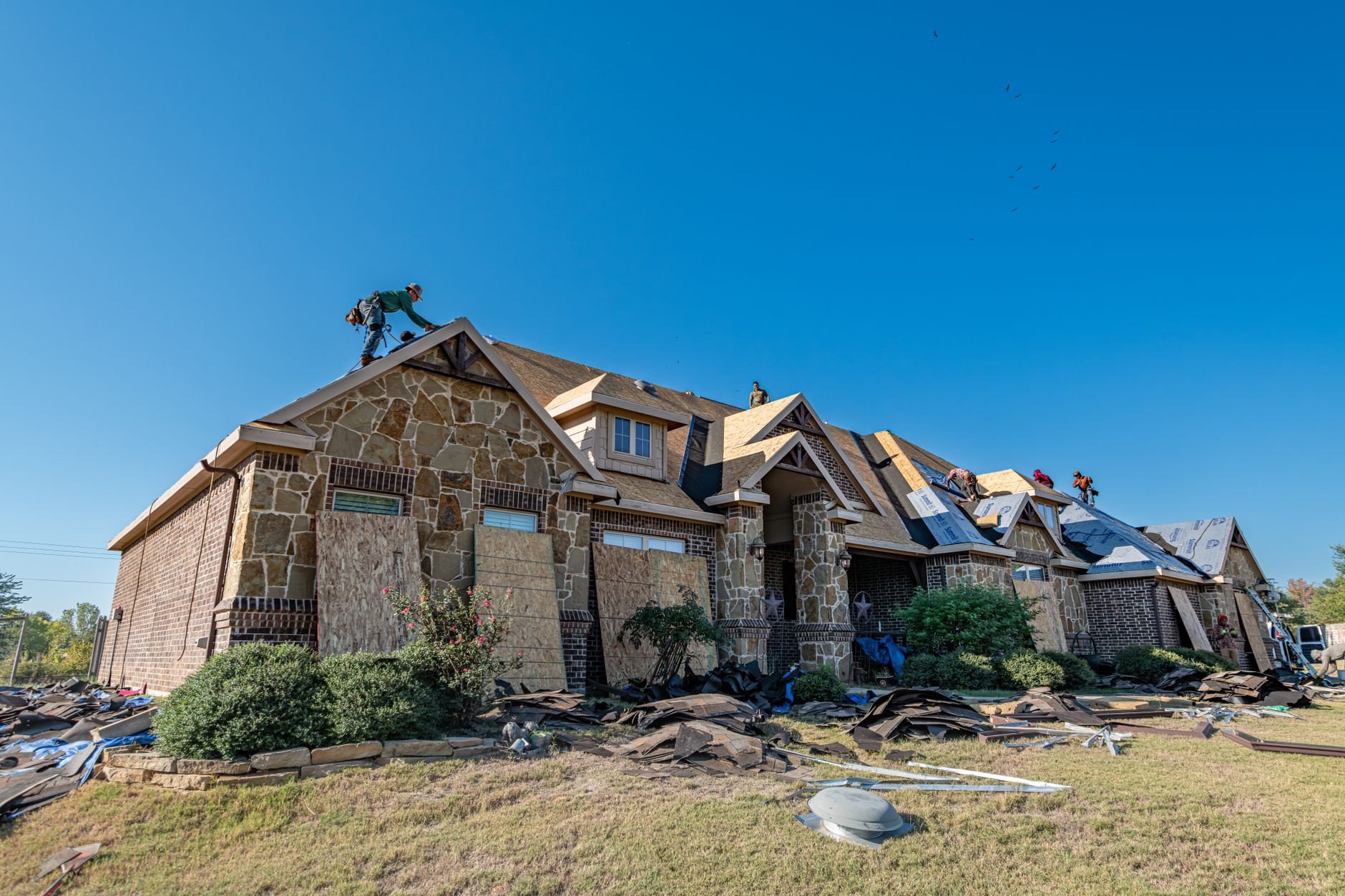
The cheapest moment to cut a ridge slot is during a roof replacement, when the cap shingles are off anyway. If you’re adding skylights or re-doing ice-and-water shield at the eaves, fold ventilation in at the same time.
What the installation actually involves
A ridge vent is a slot, roughly an inch to an inch and a half each side of the ridge board, cut through the sheathing and stopped short of the ends and hip intersections, then covered with the vent and ridge cap shingles. The slot is the whole job. Too narrow and the vent is decorative; cut over a structural ridge beam and you’ve weakened the framing. We check what’s under the ridge from the attic before the saw comes out.
The product matters in Utah. We specify externally baffled, shingle-over ridge vents with a weather filter, not rolled mesh. The baffle creates a low-pressure zone that pulls air out as wind crosses the ridge and deflects wind-driven snow. On bench lots where canyon wind arrives sideways, an unbaffled vent lets snow into the attic.
- Attic survey. We measure attic floor area, count existing intake and exhaust, check for soffits choked with insulation, and confirm the ridge framing. You get the net-free-area math in writing.
- Intake first. Soffit vents are added or cleared, and baffles go in at every rafter bay so insulation can’t block the airway.
- Cut and cap. Cap shingles come off, the slot is cut, the vent is nailed through the shingle courses with the manufacturer’s fastener length, and new caps go over it. Half a day on a typical existing roof.
- Close the other holes. Gable louvers get sealed and old box vents decked over, because mixed exhaust short-circuits the airflow. Bath fans dumping into the attic get a roof jack instead.
- Verify. Smoke at the eaves confirms air is moving in, not out. Photos go in your file.
Why Utah attics punish bad ventilation
Ice dams are the winter reason. Along the Wasatch Front the roof sees roughly a hundred freeze-thaw days a year. An under-vented attic warms the deck from below, snow melts from the bottom, and the water refreezes at the cold eave into a dam that backs up under the shingles. Balanced ventilation keeps the deck near outdoor temperature so snow stays snow.
Summer is the other half. At 4,500 feet under thin, dry air, a south-facing asphalt roof in July pushes attic temperatures well past 130°F. That heat ages the shingle from underneath and loads the air conditioner. ENERGY STAR’s seal-and-insulate guidance treats attic ventilation as part of the whole-house insulation and moisture strategy, and we size it that way.
Code sets the floor: current Utah-adopted code requires a minimum ratio of vent area to attic floor area, lower when intake and exhaust are balanced. Most quality ridge vents deliver around 12 to 18 square inches of net free area per linear foot, and soffit intake has to meet or beat that. We do the arithmetic on your attic, not a rule of thumb.
What does ridge vent installation cost in Utah?
As a ballpark planning number, adding a continuous ridge vent during a re-roof in Utah County or Salt Lake County typically adds about $7 to $12 per linear foot of ridge, often $400 to $900 on a single-family home. A standalone retrofit runs more because the cap shingles come off and go back: roughly $900 to $2,000, plus $600 to $1,800 if solid soffits need intake cut in and baffles installed. Planning numbers, not promises; a firm estimate follows the attic survey.
- Ridge length and hip count. More ridge means more vent and cap shingles. Hip roofs with short ridges may need supplemental exhaust.
- Soffit condition. Vented soffit costs nothing to use. Solid wood or aluminum soffit needs vents cut and trimmed; insulation-packed eaves need clearing and baffles.
- Roof material. Ridge vent on standing seam metal or tile uses profile-specific closures and costs more than on asphalt.
Questions we actually get
Can I add a ridge vent without replacing the roof?
Yes, on most asphalt shingle roofs in sound condition. The cap shingles come off, the slot is cut, and the vent and new caps go on, usually in half a day. If the shingles are brittle or within a few years of replacement, we’ll suggest doing both together.
Do I still need soffit vents if I have a ridge vent?
You need them more, not less. A ridge vent exhausts air; something has to replace it. Without eave intake it pulls air from the easiest source, which is the heated house through ceiling penetrations and can lights. That raises heating bills and moves moisture into the attic. We don’t install a ridge vent without confirming intake.
Will a ridge vent let snow into my attic on a windy lot?
A properly baffled, filtered ridge vent should not. The external baffle deflects wind up and over the opening while a filter stops fine snow. Rolled mesh products without a baffle are the ones that admit snow on bench lots. Frost or dark streaks under the ridge are the first thing we check.
Should I keep my gable vents and attic fan too?
Usually no. Gable louvers near a ridge vent become the path of least resistance, so air moves gable to ridge and the lower attic stays stagnant. A power fan can pull air back in through the ridge vent, sometimes with rain. The clean system is soffit in, ridge out, everything else sealed.
Where ventilation fits in the rest of the roof
Ventilation is a quiet line inside every roofing scope we run and a frequent flag on roof inspection reports. It also decides how well new attic insulation performs. The rest of the envelope, flashing included, lives under site, structure & envelope. Our B100 license is verifiable at Utah DOPL.
Tell us what your attic is doing
Ice dams every February, or an attic you can feel from the hallway in July: we’ll survey it, run the ventilation math, and give you a straight read before anyone commits to anything. We reply within a couple of hours during business hours, a day at most.