
Roof Flashing Repair & Replacement
Flashing is the metal that keeps water out where a roof meets something else — a chimney, a wall, a skylight, a pipe. When it rusts, lifts, or was never lapped correctly, Grandview repairs or replaces it under a B100 general contractor license — fixing the detail, not caulking over it.
When flashing repair is the right fix, and when it isn’t
Most roof leaks don’t start in the field of shingles. They start at a transition — a chimney, a dormer side wall, a skylight curb, a plumbing vent — because that’s where water changes direction. A ceiling stain near one of those features, with sound shingles around it, is almost always a flashing problem.
Flashing repair is the right call when the roof has years left and the failure is confined to the metal: rusted-through galvanized, counter-flashing pulled out of the mortar joint, step flashing face-nailed and sealed instead of lapped, a cracked pipe boot. It’s the wrong call when the leak wanders across a slope or shingles are shedding granules — that’s a roof leak repair diagnosis that may end in roof replacement; wind-torn metal with a claim attached goes through storm damage roof repair. And if the failing metal is the curb flashing on an old acrylic dome, skylight replacement usually beats re-flashing a unit about to fail on its own.
Flashing types, and what repairing each one actually involves
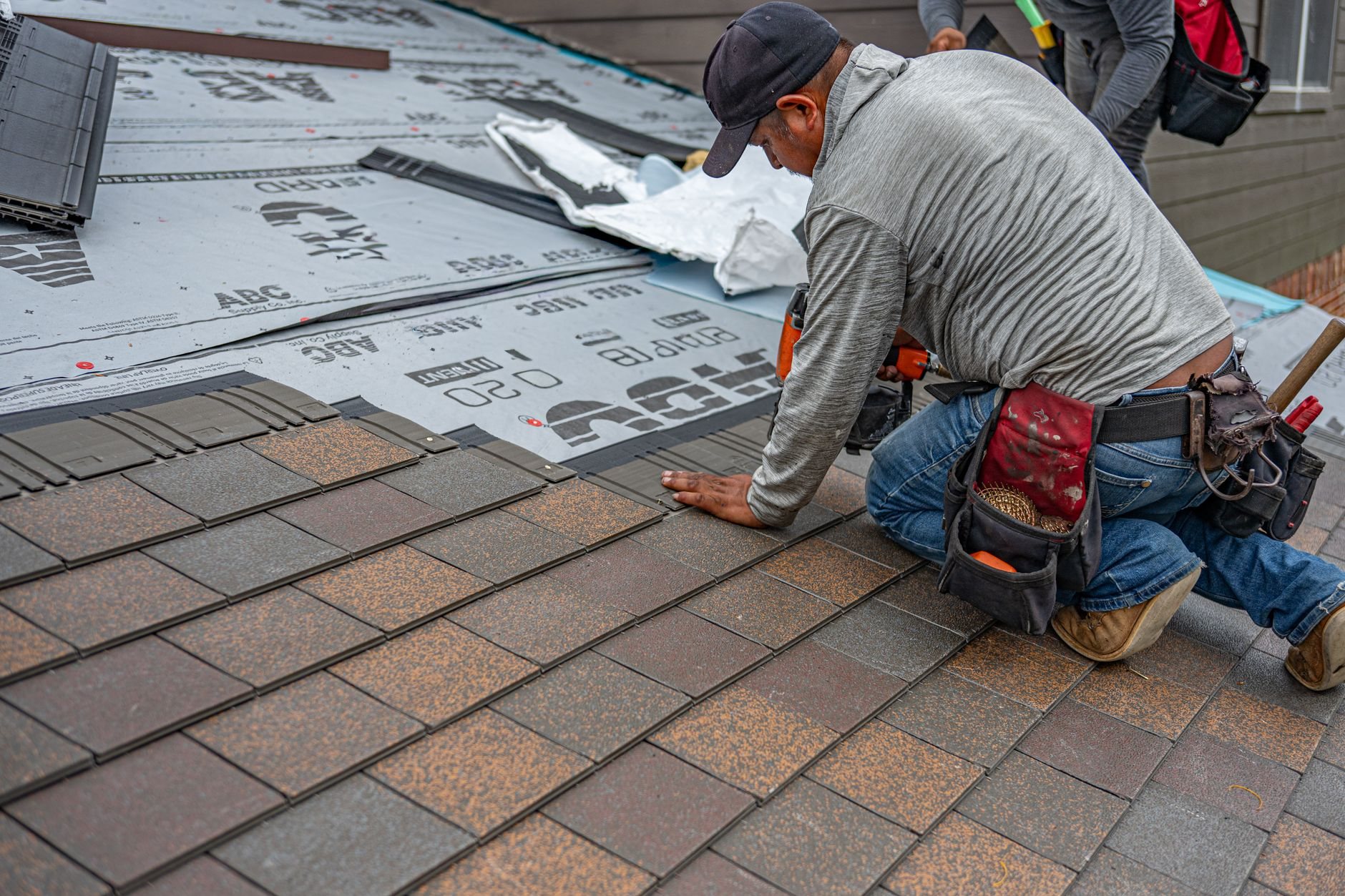
Step and counter-flashing at chimneys and side walls. Step flashing is L-shaped pieces, one per shingle course, lapped so each sheds onto the one below; counter-flashing covers the vertical leg. On masonry we cut a reglet into the mortar joint and bed the counter-flashing in it — not surface-mount and caulk. Chimneys wider than about 30 inches get a cricket on the uphill side: with roughly 100-plus freeze–thaw days a year along the Wasatch Front, that pocket is where ice forms, melts, and works under the metal if nothing diverts it.
Apron (headwall) flashing. Where a slope dies into a wall, one bent piece laps over the top shingle course and tucks behind the siding’s weather barrier. The usual failure is metal stopped short and sealed to the face of the siding; repair means pulling the bottom course of cladding.
Valley metal. Rusted valley metal gets replaced with 26-gauge galvanized or painted aluminum over a full-width membrane strip, shingle cut lines held back from center so a summer cloudburst doesn’t overrun it.
Pipe boots and vent flashing. The neoprene collar on a standard pipe boot is the shortest-lived flashing on your roof, and at 4,500-plus feet Utah UV cracks it faster — eight to twelve years is typical. We replace it with a lead or UV-rated silicone boot, lapped under the uphill shingles and over the downhill ones.
Kick-out flashing and drip edge. Kick-out diverters at the bottom of a roof-to-wall run throw water into the gutter instead of behind the siding; missing ones are a leading cause of hidden sheathing rot. Drip edge protects the fascia and gives canyon wind nothing to lift.
Metal matches the roof: galvanized or aluminum for asphalt, copper or stainless for cedar and slate, manufacturer-matched for standing-seam. Wherever we open a transition, we also check the underlayment and ice-and-water shield beneath it; the two work as one system.
How a flashing repair is sequenced
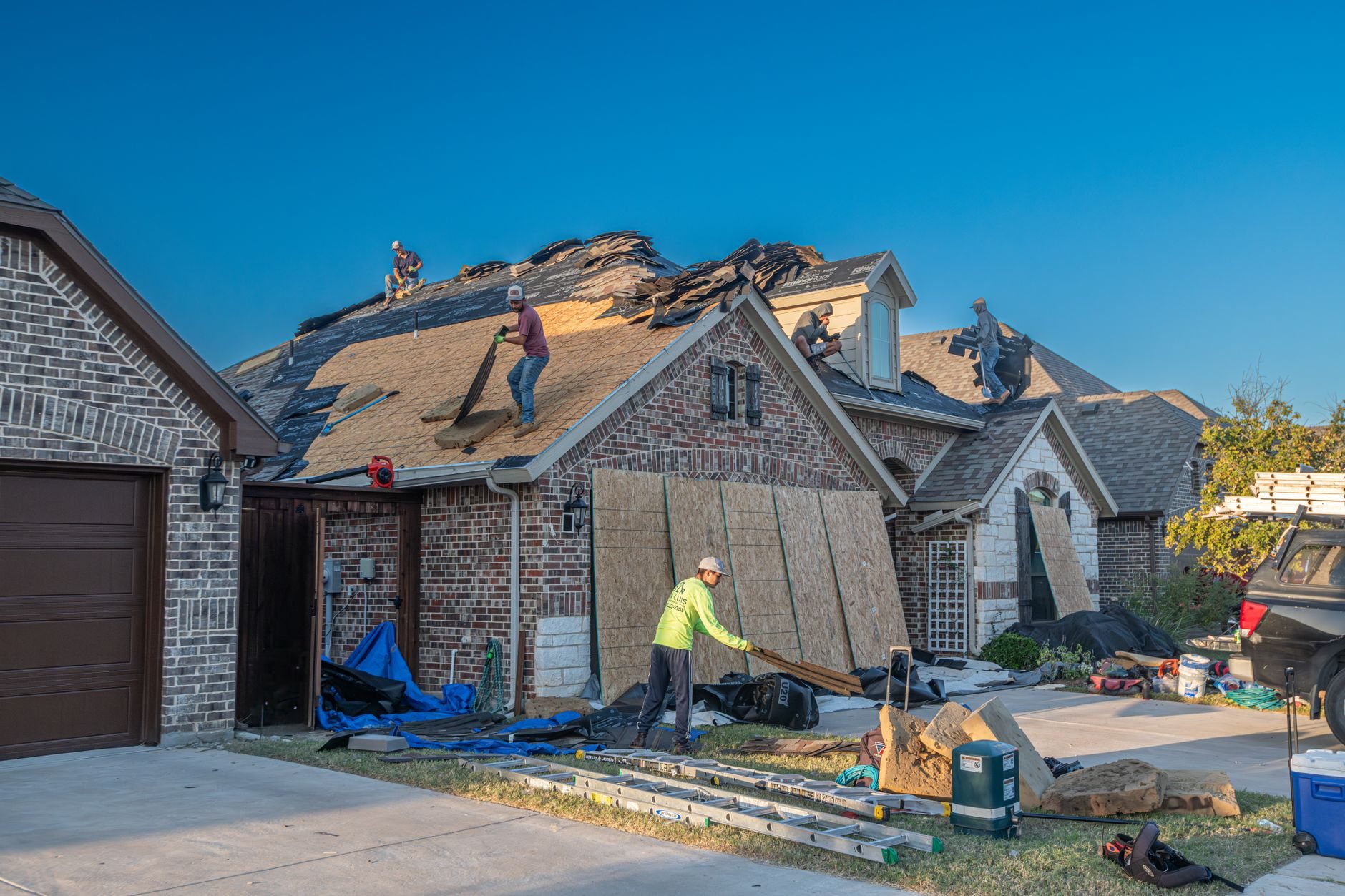
- Trace the leak. Attic side first — the stain on the sheathing names the transition, often uphill of where the ceiling shows it.
- Open the transition. Shingles come off two courses back, along with the face-nails and old caulk.
- Repair the substrate. Soft sheathing at the uphill corner is replaced. Membrane goes down and up the vertical surface before any metal.
- Set new metal in lap order. Step pieces per course, counter-flashing reglet-cut or tucked behind cladding, kick-out at the bottom, cricket where width calls for it.
- Re-shingle and water-test. Shingles woven back in on the high-wind nailing schedule, then a hose test before we leave.
Most single-feature repairs take a day; a chimney re-flash with a cricket on a steep roof can take two. You get photos of the open detail and the finished one. Good work should not require detective work.
What does roof flashing repair cost in Utah County?
Ballpark planning numbers for Utah County: a pipe boot replacement typically runs $250 to $500; step and counter-flashing along one side of a chimney or dormer wall, $600 to $1,800; a full chimney re-flash with a new cricket, $1,500 to $3,500; valley metal, roughly $25 to $45 per linear foot. Planning figures, not promises — a written estimate follows an inspection.
What moves the number: masonry versus sided walls (reglet cutting takes longer), roof pitch and staging, copper or stainless instead of galvanized, hidden sheathing rot, and how many transitions we open in one trip — bundling every suspect detail into one mobilization beats three visits. Flashing repair sits inside our wider roofing and site, structure & envelope work, and you can verify our B100 license through Utah DOPL before you book.
Questions we actually get
Can’t you just caulk the flashing instead of replacing it?
Caulk buys months, not years. Sealant on a roof transition shrinks, UV-checks, and lets go at the joint that moves most with temperature, and Utah’s freeze–thaw swings are hard on it. Properly lapped metal sheds water without adhesive; we use sealant only as a backup at laps and reglets.
Do I need a permit to repair roof flashing?
For a like-for-like repair at a single chimney, wall, or vent, Utah County and Salt Lake County cities generally don’t require one. Once the job grows into replacing a meaningful area of roofing, most do. We’ll tell you which side of that line you’re on and verify with your city’s building department when it’s close.
Why does my chimney leak only in late winter?
That’s an ice-dam pattern. Snow on the uphill side of the chimney melts from house heat, refreezes at the cold edge, and meltwater backs up under the step flashing. The fix is usually a cricket plus ice-and-water membrane up the chimney face, sometimes with better attic ventilation — not new metal alone.
Will the new flashing match my roof if the shingles are older?
Visible metal — counter-flashing and drip edge — comes in standard painted finishes and is color-matched. The shingles we weave back in are the bigger question; we source the same line where it’s still made and show you a sample first. On a visible front slope that can’t be matched, we’ll say so before we start.
Tell us where it’s leaking
A stain near a chimney, dormer, or vent is usually a one-day fix. We’ll trace it, photograph it, and give you a straight read before anyone commits to anything — reply within a couple of hours during business hours, a day at most.