
Roof replacement & re-roofing in Salt Lake City
Roof replacement is the full removal of an existing roof down to the sheathing and a complete new system built in its place — deck repair, ice and water shield, flashing, ventilation, and field material — rather than a patch or a layer-over. It’s the right move when a Salt Lake City or Utah County roof leaks in more than one place or already carries a second layer, and Grandview scopes, permits, and runs it under its B100 general contractor license.
Replacement, re-roof, or repair: which word applies to your roof
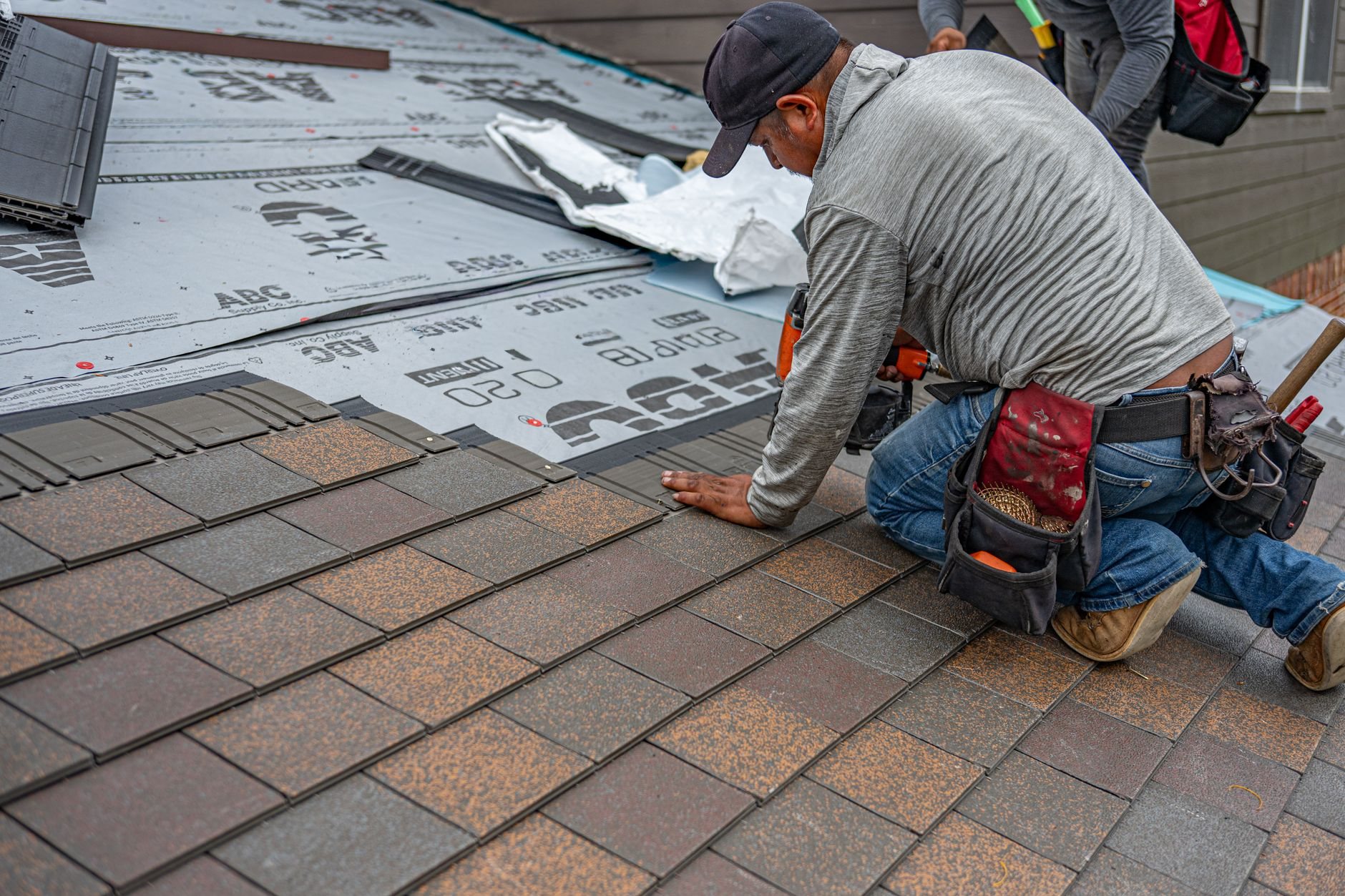
The trade uses “re-roof” two ways, and the difference is worth several thousand dollars. Some roofers mean a recover — new shingles nailed over the old ones. We mean a full replacement: everything off, deck exposed, new system built from the wood up. Current Utah-adopted code caps asphalt roofs at two layers, so a house recovered once has only this option left anyway. The wider picture — repair, new roofs, system comparisons — is on our roofing page under site, structure & envelope.
Replacement is the right call when the problems are systemic: leaks that move from room to room, granule loss across whole south- and west-facing slopes where high-elevation UV works fastest, shingles that crack when lifted, or a roof near the end of its rated life. If the damage is one slope, one chimney, or one failed pipe boot, start with roof leak repair; if it arrived in a single wind or hail event, storm damage roof repair handles the claim documentation first. A roof inspection with photos settles which you’re in before anyone quotes a number.
What a full roof replacement includes, layer by layer
A replacement is the only time the whole assembly is open at once, so every layer is rebuilt, not reused:
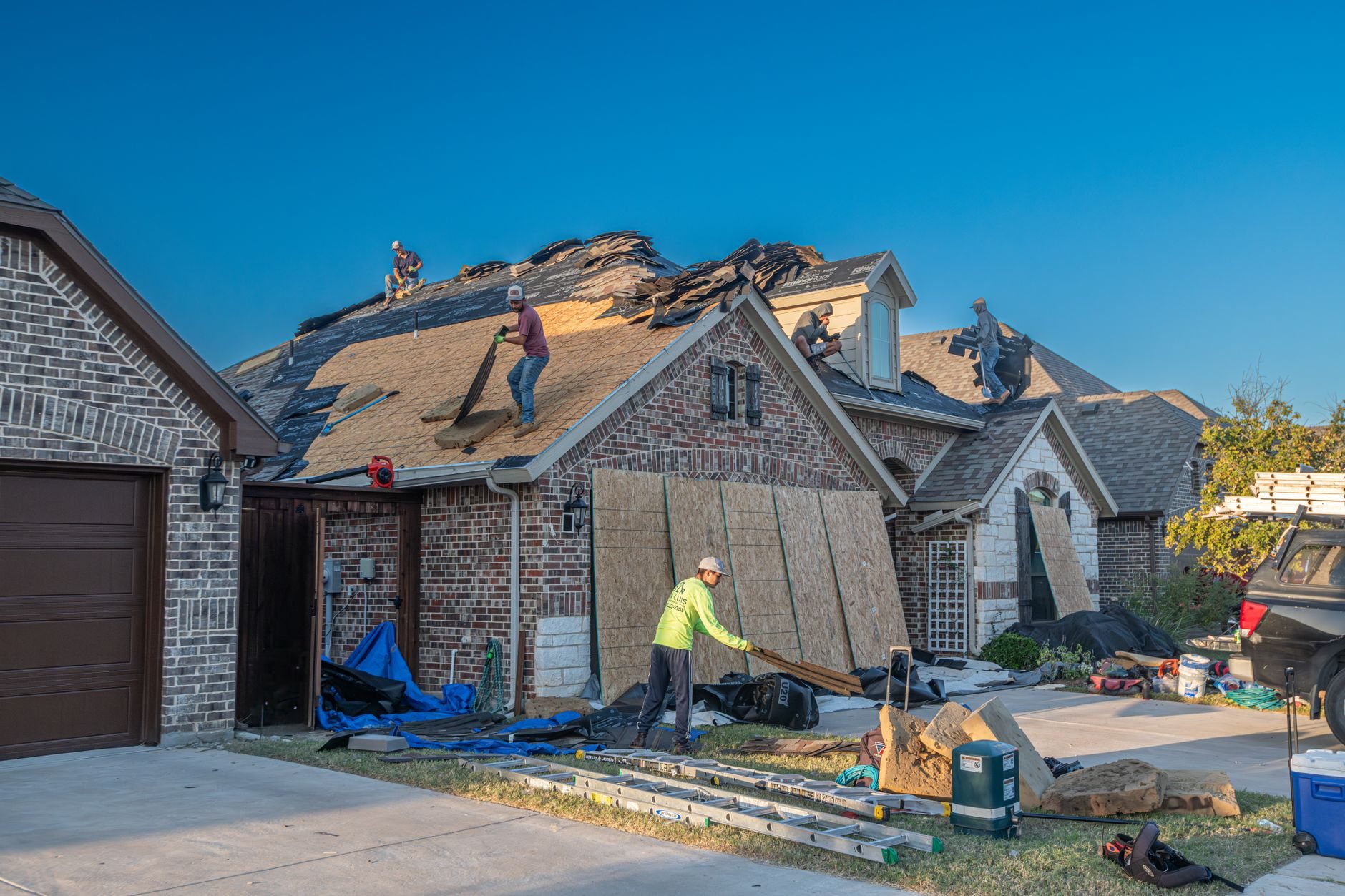
- Complete tear-off and disposal. All layers, all old flashing, nails pulled or driven flush. A second layer roughly doubles the debris weight. The removal side has its own page: roof tear-off and removal.
- Deck inspection and sheathing repair. Soft or rotted decking is replaced at a per-sheet unit price agreed before the first shingle comes off. Older Salt Lake City homes with spaced plank decking often need a plywood overlay first.
- Drip edge, ice and water shield, underlayment. Drip edge at eaves and rakes; self-adhered membrane at eaves, run well past the warm-wall line where Wasatch Front ice dams form, plus valleys and penetrations; synthetic underlayment over the rest. More under underlayment and ice-and-water shield.
- All-new flashing. Step and counter-flashing, kick-out flashing, pipe boots, valley metal. Reusing old flashing is the most common way a “new” roof leaks in year two.
- Ventilation rebalanced. Soffit intake matched to ridge exhaust for the attic you actually have.
- Starter, field, hip and ridge. Rated starter, field material on the high-wind nailing schedule, matching hip and ridge cap.
Replace with the same system, or change it?
Replacement comes around once every twenty-some years, so it’s worth asking whether the roof coming off is the roof that should go back on. The common upgrade is builder-grade three-tab to a wind- and impact-rated architectural shingle — same crew, same day, meaningfully longer life under Utah sun and canyon wind.
The bigger jump is asphalt to standing seam metal. Metal weighs less than two layers of asphalt, so structure is rarely the obstacle, but we still confirm framing on bench lots in the Avenues or Olympus Cove, where design snow loads run higher than on the valley floor. A reflective finish also qualifies as a cool roof, which the Department of Energy credits with lower summer cooling loads.
How a replacement runs in Salt Lake City
- Inspect, roof and attic. We measure, photograph the deck from below, check past leak paths, and say plainly whether replacement is warranted. Our B100 license is verifiable at Utah DOPL.
- Scope and firm estimate. System, details, and the per-sheet deck price in writing.
- Permit and logistics. Salt Lake City and most Utah County cities require a permit for full replacement. We pull it, order material, place the dumpster, and sort HOA approvals where they apply.
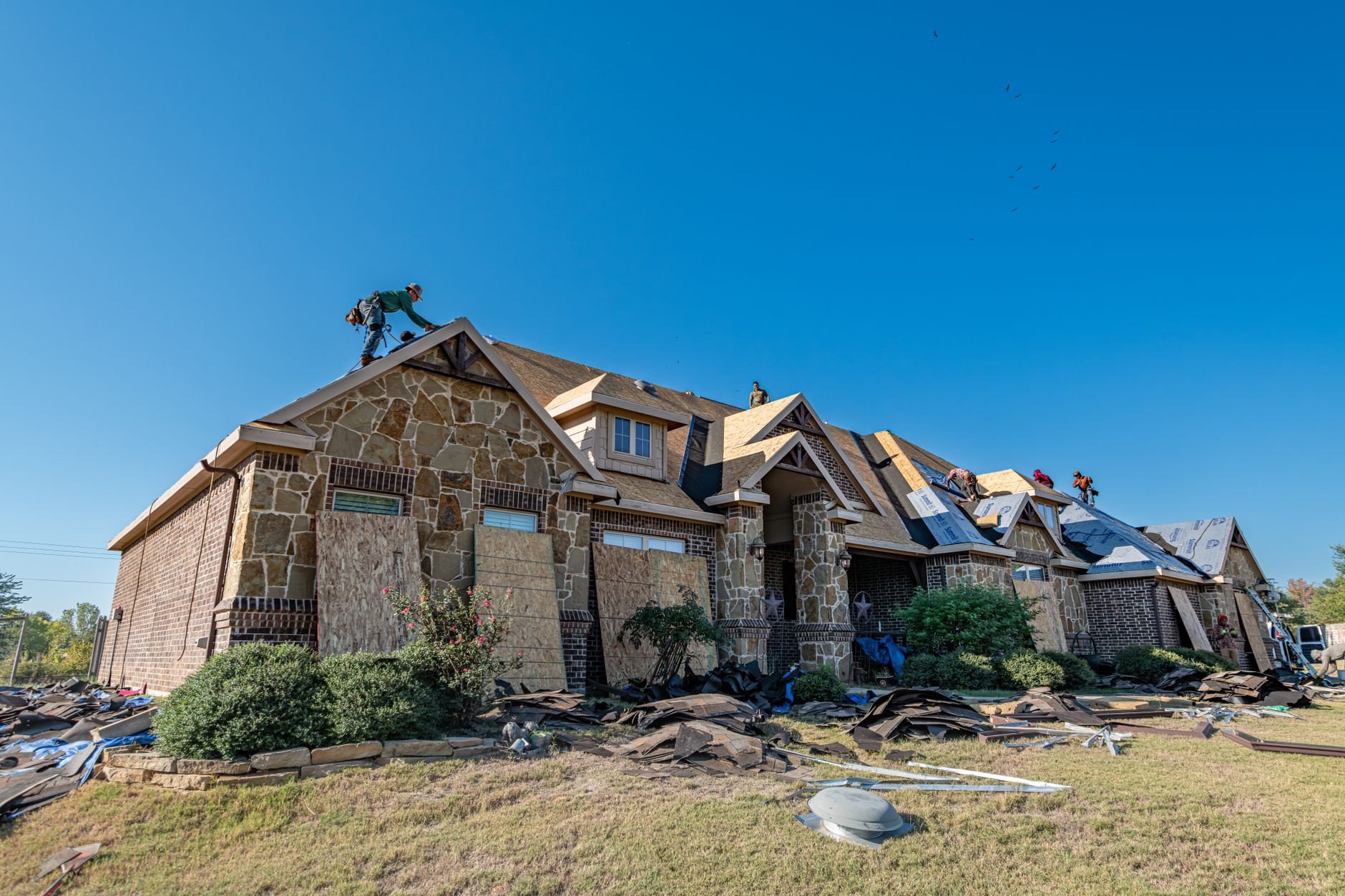
- Tear off and dry in the same day. Old roof off, deck repaired and photographed, membrane and underlayment down before the crew leaves — a dried-in roof can wait out an afternoon monsoon cloudburst.
- Install, detail, check. Flashing, field, and penetrations to the wind-rated schedule, checked by us at dry-in and at completion.
- Close out. Inspection passed, magnetic sweep of the yard, permit close-out, and warranty terms in writing.
Most single-family replacements are one to three days on the roof. Asphalt seal strips need warm days to bond, so a December install may not seal until spring; if a short wait buys a better roof, we’ll say so.
What does roof replacement cost in Salt Lake City?
As a ballpark planning number, a full architectural-shingle roof replacement in Salt Lake City typically runs about $4.50 to $7.00 per square foot of roof area, tear-off included — roughly $12,000 to $24,000 for many single-family homes. Standing seam metal generally lands at $10 to $16. These are planning ranges, not quotes; a firm estimate follows the inspection.
What moves a replacement specifically, beyond the material:
- Existing layers. A second layer adds labor and disposal weight — often a few hundred to a couple thousand dollars.
- Deck condition. The one variable no one can see until tear-off; a plank deck needing plywood overlay is the larger version of this line.
- Pitch, cut-ups, and access. Steep slopes and dormers slow production; tight Avenues lots with nowhere to stage a dumpster add handling time.
- Penetrations and ventilation. Chimneys, skylights, and flues each need new flashing; adding intake or ridge exhaust is a small line that pays back in shingle life.
Questions we actually get
Do I need a permit to replace my roof in Salt Lake City?
Yes — Salt Lake City requires a building permit for a full roof replacement, and most Utah County cities do as well. We pull the permit and schedule the inspection under the contract; confirm current requirements with your city’s building department if you’re planning far ahead.
What happens if you find rotten decking after tear-off?
We stop, photograph it, and replace it at the per-sheet price written into your estimate before work began. On most roofs it’s a handful of sheets near eaves, valleys, or old leak paths; on a plank-decked older home it can mean a full plywood overlay, which we flag as likely at inspection.
Can I stay in the house during a roof replacement?
Yes. It’s loud — tear-off sounds like it’s happening in your living room — and lasts one to three days. Move cars off the driveway, take fragile items off upper-floor walls, and cover anything in the attic, because tear-off drops dust through sheathing gaps. Pets usually prefer to be elsewhere.
Will the new roof come with a warranty?
Two, typically: the manufacturer’s material warranty, which we register for you, and a workmanship warranty from Grandview covering the installation. Manufacturer coverage often depends on the full system — their underlayment, starter, and ridge — being installed to spec, which is why we don’t mix and match components.
Tell us what your roof is doing
We reply within a couple of hours during business hours — a day at most. You’ll get a straight read on whether replacement is warranted, what it will likely cost, and when it should happen.