
Roof Inspections (Including Drone Inspections)
A roof inspection is a documented condition assessment — shingles, flashing, penetrations, deck, and attic — delivered as a photo report with one plain recommendation: leave it, repair it, or plan a replacement. Grandview performs walk-on and drone roof inspections across Utah County and Salt Lake County under a B100 general contractor license, for homeowners, buyers, landlords, and HOAs.
When an inspection is the right first step, and when it isn’t
Book an inspection when you don’t yet know what the roof needs. The classic triggers: a home inspector flagged the roof during a sale; a ceiling stain appeared and you can’t tell whether it’s the roof, a pipe, or condensation; a wind event moved through; or the roof is 15-plus years old and you’re deciding whether replacement is this year or in three.
Skip past this page if water is actively coming in — that’s a roof leak repair call, and diagnosis happens as part of the repair visit. If the damage came from a named storm and a claim is likely, storm damage roof repair includes the adjuster-ready documentation. If you already know the roof is done, a roof replacement estimate visit covers the same ground on the way to a price.
The inspection exists for the in-between cases, where the honest answer might be “nothing yet.”
Walk-on inspection or drone inspection?
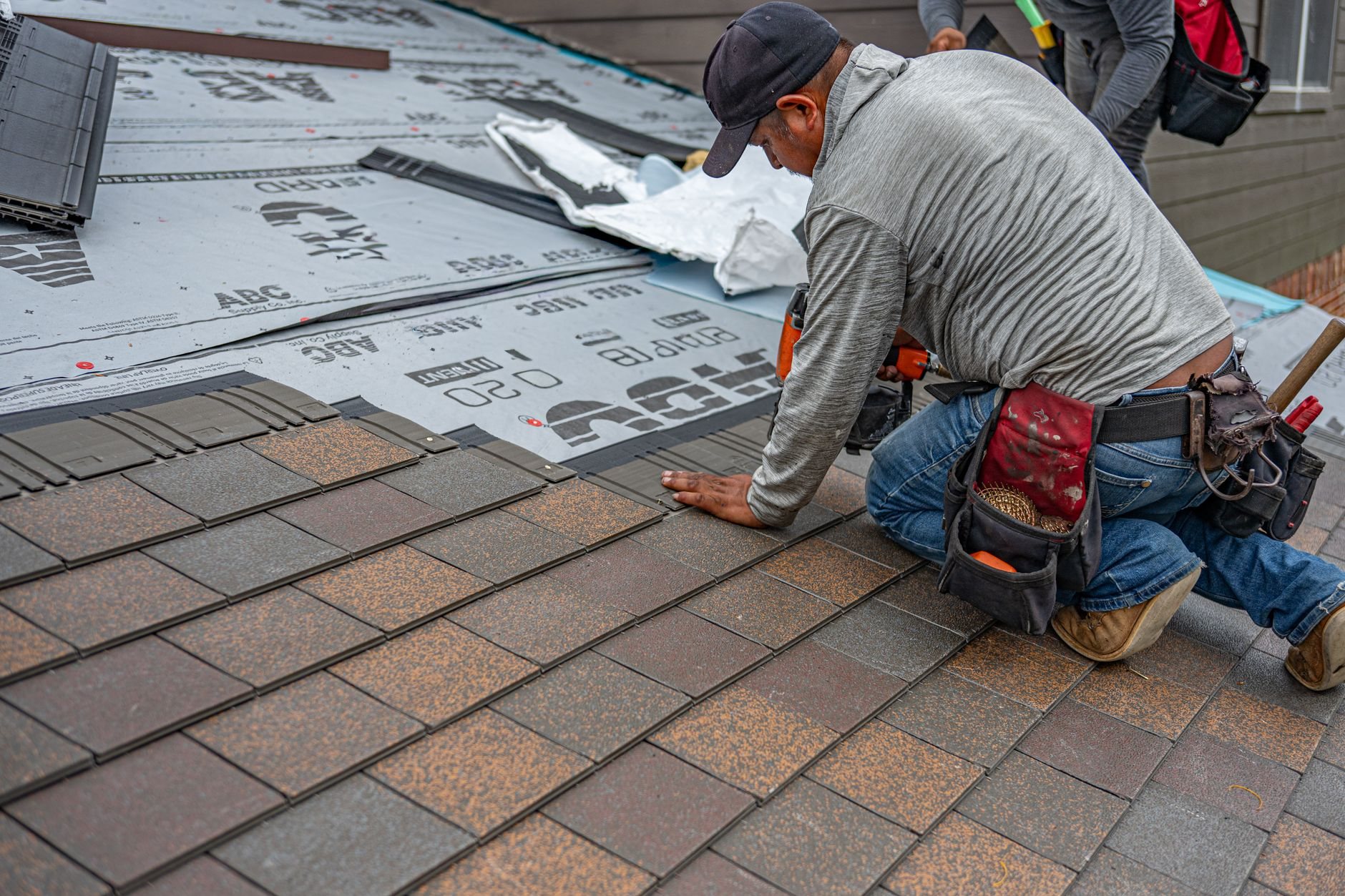
We do both, and the roof decides. Walk-on is the default for anything we can safely stand on — asphalt shingle roofs up to roughly 8:12 pitch, dry and above freezing. Hands on the roof tell us what a camera can’t: whether a tab is still sealed to the course below, whether a pipe boot has gone brittle, whether the deck flexes underfoot over delaminated sheathing.
A drone inspection is the right tool for roofs we shouldn’t walk: steep pitches, clay tile and slate that crack under foot traffic, fragile cedar shake, three-story or multi-building properties, and any roof with snow on it. The drone also wins on coverage — every slope, ridge, valley, and chimney cap photographed from the same angle at the same resolution, which makes year-over-year comparison on an HOA or rental portfolio meaningful.
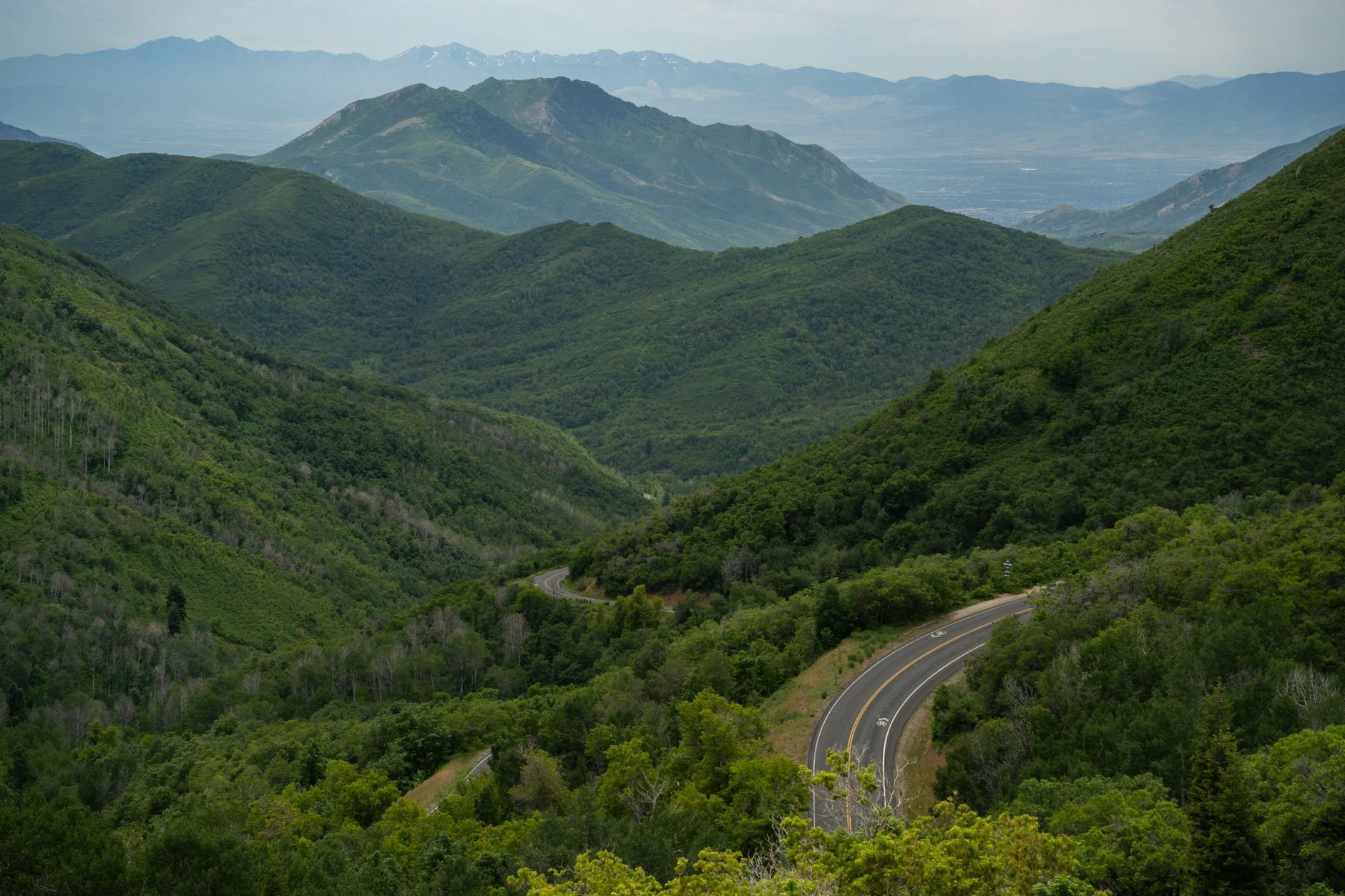
Drone flights need calm air. Along the bench and at the mouth of every Wasatch canyon, that means we check the wind forecast before we schedule, not when we arrive.
What we actually look at
- Ground and perimeter. Gutters for granule loss (a gutter full of granules means the shingle field is aging fast under Utah’s high-elevation UV), fascia staining, and soffit intake vents.
- Field material. Lifted or unsealed tabs, cupping, cracking, missing shingles, exposed nail heads, and hail bruising. Hail marks get photographed with a scale reference because adjusters count them.
- Flashing and penetrations. Step flashing at sidewalls, counter-flashing at chimneys, pipe boots, satellite mounts, and skylight curbs. On most roofs we inspect, this is where the leak lives, and flashing repair is the first fix we recommend.
- Ice-dam zone. The first three feet above the eaves and every valley. Utah’s roughly 100-plus freeze–thaw days a year build ice dams here, and the signature is nail pops, lifted courses, and interior stains directly above the exterior wall.
- Attic. Daylight at penetrations, wet or compressed insulation, rusted nail tips (a condensation signal), mold on the underside of the deck, and whether intake and exhaust are balanced. An attic that runs hot and wet shortens shingle life from the inside — the Department of Energy’s ventilation guidance explains why, and roof ventilation covers the fix.
- Structure. Sagging ridgelines and truss deflection — on bench lots, where design snow loads run heavier than on the valley floor, we also check for loads the framing wasn’t sized for.
You get a written report within two business days: photos keyed to a roof diagram, each finding rated monitor, repair, or replace, and a ballpark cost for any recommended work.
What does a roof inspection cost in Utah?
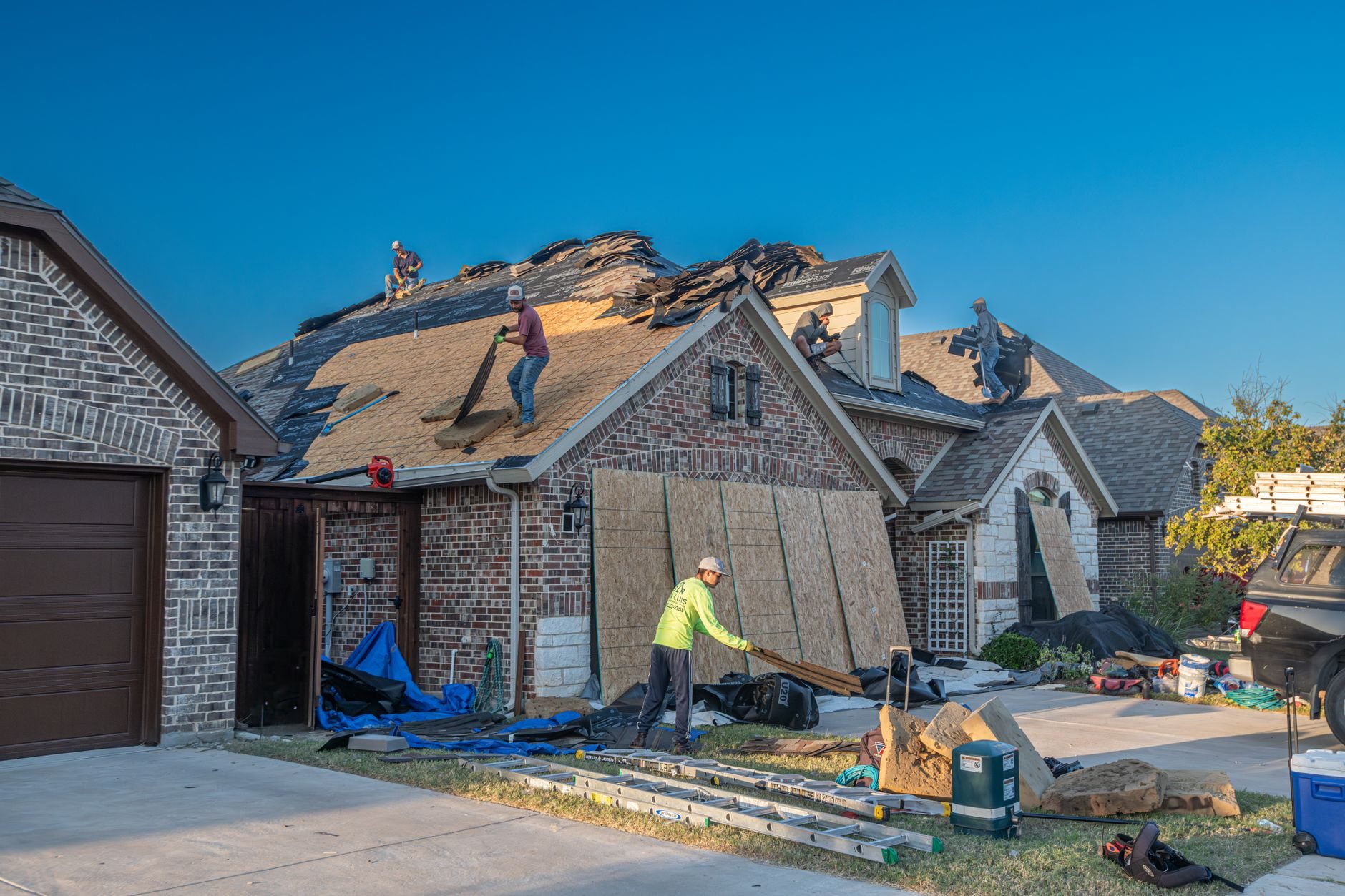
As a ballpark planning number, a standalone walk-on or drone inspection with a written photo report runs about $150 to $400 for a single-family home in Utah County or Salt Lake County; multi-building and commercial properties are priced per roof. If the inspection leads to a repair or replacement contract with Grandview, the fee is credited against that work.
What moves the number:
- Roof count and size. A fourplex, an HOA with twelve buildings, or a warehouse with a low-slope membrane takes more flight time and more report pages.
- Access and material. Tile, slate, and steep roofs force the drone-only approach — faster on the roof, slower in the report.
- Documentation depth. A pre-purchase summary is one thing; a claim-ready report with scaled hail photos and a slope-by-slope damage count is another.
Our B100 general contractor license is verifiable through Utah DOPL. That matters here for a specific reason: an inspection from a contractor who can also do the work is only worth something if the contractor has no reason to invent work. We are fond of straight lines and straight answers.
Questions we actually get
Can you inspect my roof in winter with snow on it?
Partly. Snow hides the field material, so a full inspection waits for a melt. What we can do in winter is the attic side — ice-dam staining, frost on nail tips, wet insulation — plus a drone pass of ridges, chimneys, and bare slopes. A leak happening right now is a repair visit, not an inspection.
Will the inspection report work for my insurance claim?
Yes, if we know that’s the purpose going in. A claim-ready report includes test-square hail counts, scaled photos of wind creasing and lifted tabs, and the date of loss you give us. We don’t decide what’s covered — your adjuster does — but we document in the format adjusters expect.
How is this different from the roof section of a home inspection?
Most home inspectors view the roof from the ground or a ladder at the eave and write “recommend further evaluation” when something looks off. We walk it or fly it, open the attic, and give you a repair-or-replace answer with a budget range — the piece a buyer needs before negotiating.
How often should a Utah roof be inspected?
Every two to three years for an asphalt roof under 15 years old, annually after that, and after any wind event that took down branches nearby. HOAs and landlords usually run a spring inspection so winter ice-dam damage gets caught before late-summer monsoon cloudbursts test the roof.
Roof inspection is part of our roofing services within site, structure & envelope. Findings continue into repair or replacement scopes under the same contract.
Tell us what you’re working on
We reply within a couple of hours during business hours — a day at most. You’ll get a straight read on scope, sequence, and budget before anyone commits to anything.