
Metal Tile & Shake Profile Roofing (DECRA-Style)
Metal shake and tile roofing is stone-coated steel: interlocking 26-gauge panels pressed into a shake, tile, or shingle shape and finished with a bonded layer of ceramic-coated stone granules. It’s the metal roof for Utah County homes that want a 50-year, Class 4 impact-rated roof without a standing-seam look or a concrete-tile weight, installed under Grandview’s B100 license.
When a metal shake or tile profile beats the alternatives
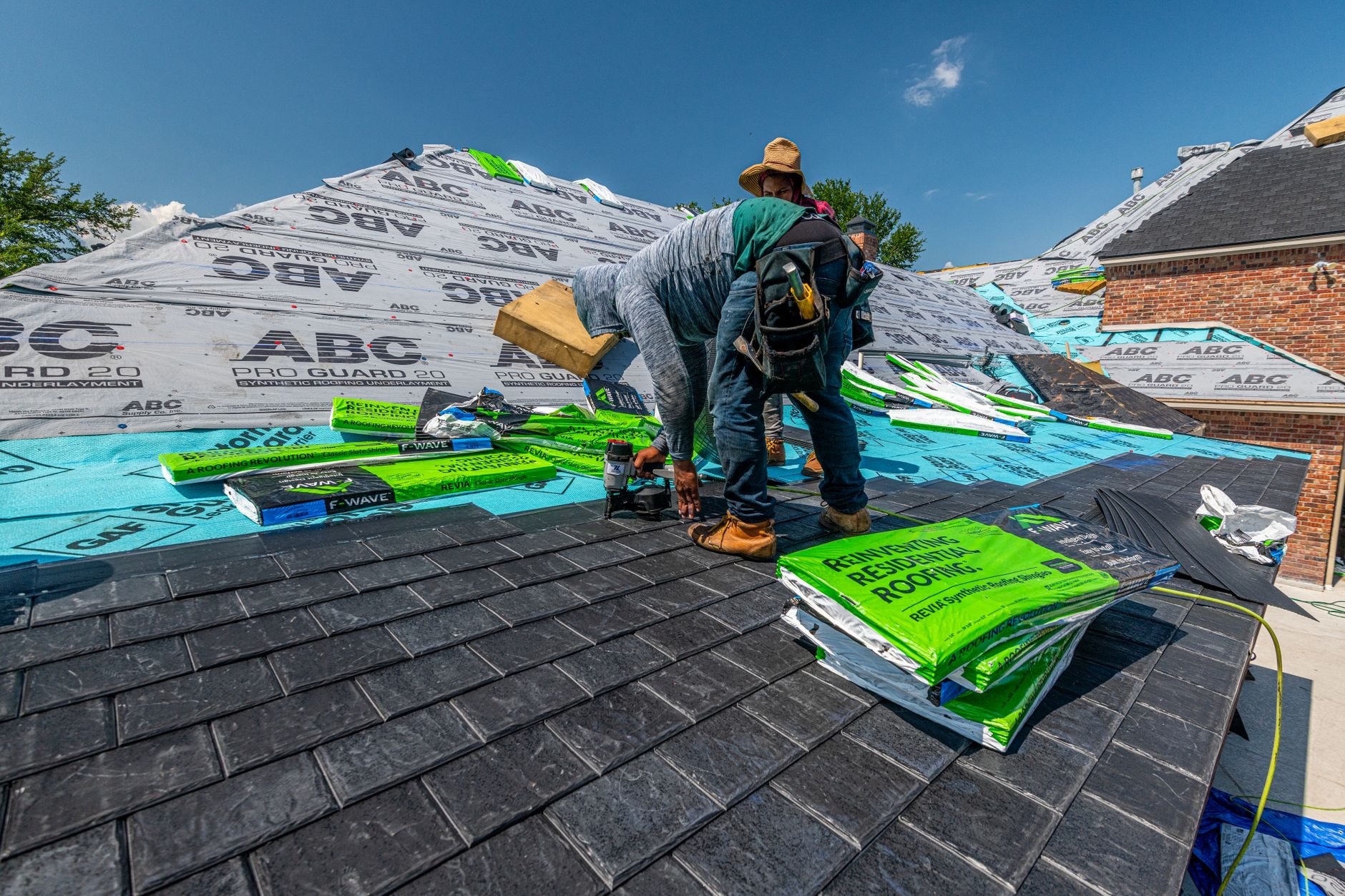
It fits when you want the texture of cedar shake or the shadow lines of concrete tile but don’t want wood’s maintenance or tile’s nine-plus pounds per square foot. At about 1.5 pounds per square foot, it goes onto trusses framed for asphalt with no structural upgrade; concrete tile on the same house usually means an engineer.
It also fits cut-up roofs. Standing seam spends its budget on trim once dormers and valleys multiply; small interlocking panels work around hips and chimneys the way shingles do. And in HOA-governed developments across Lehi, Saratoga Springs, and Eagle Mountain, where guidelines often prohibit a visibly metal roof, a stone-coated shake profile reads as shake from the street and generally clears review where standing seam doesn’t.
It’s the wrong choice for a shop that only needs a durable lid; corrugated panel does that for far less. If hail is the whole motivation, Class 4 shingles get the same rating at asphalt prices, with a shorter life.
What a stone-coated steel installation involves
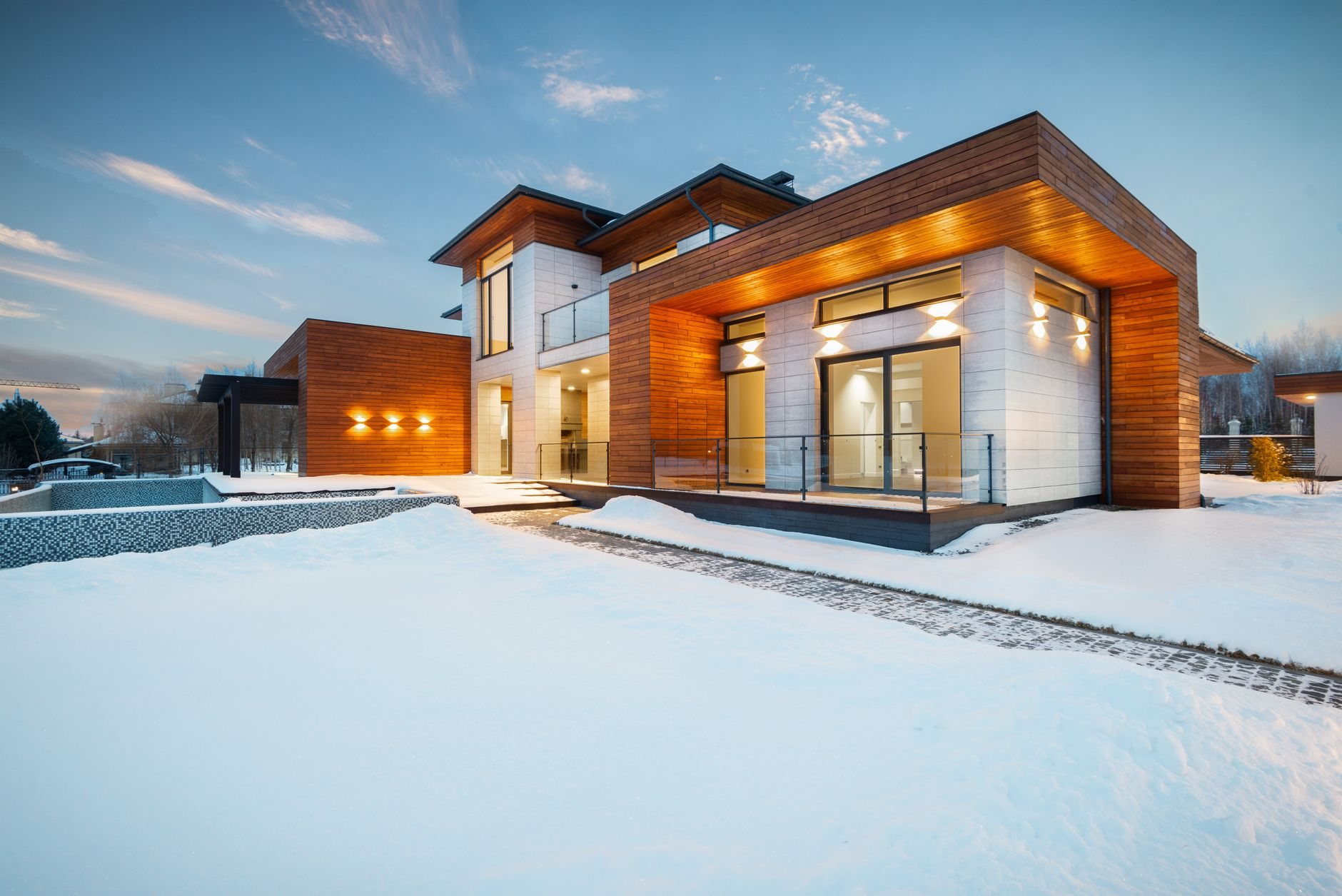
Grandview holds the contract (verifiable at Utah DOPL), specs the system, and manages licensed roofing crews through it; we check batten layout, fastener placement, and flashing before anyone calls it done. The sequence differs from shingles and from standing seam:
- Profile and system choice. Shake, shingle, slate, and barrel-tile profiles are pressed from the same 26-gauge Galvalume steel. Manufacturers such as DECRA publish both direct-to-deck and batten installation methods, and the choice is made per roof, not per catalog.
- Direct-to-deck or batten. Shake and shingle profiles usually install direct-to-deck over high-temperature synthetic underlayment. Tile profiles typically sit on horizontal 2×2 battens, often over vertical counter-battens that create a drainage and ventilation channel between the steel and the deck.
- Dry-in. Full tear-off, deck repair at unit pricing agreed in advance, then ice-and-water membrane at eaves, valleys, and penetrations.
- Panels, course by course. Each panel (roughly 52 by 14 inches) hooks into the course below and the panel beside it, then screws through its front flange into the batten or deck; the next course covers those screws. Every panel ends up locked on four sides, which is what earns the system its 120-mph wind warranty rating.
- Flashing and trim. Hip and ridge caps, valley pans, and sidewall flashing come as matching stone-coated components, cut on site and touched up with granule coating; trim is the one place color-matched exposed screws are acceptable.
- Walk and check. Fastener count per panel, batten spacing, and ridge ventilation get checked against the published schedule before final inspection.
Hail, wind, snow, and sun: how stone-coated steel handles Utah
Hail first, because it’s the usual reason someone calls about this roof. Stone-coated steel carries a Class 4 rating under UL 2218, the highest impact class; the stone is bonded to steel, not to a mat that cracks when struck. Some insurers discount premiums for Class 4 roofs, so ask yours before choosing a profile.
Canyon wind is the second. Four-way interlocked panels give a Centerville or Farmington gust nothing to lift, and the fastening is mechanical rather than a seal strip that needs warm weather to bond, so this is a roof we can install in January.
Snow behaves differently than on standing seam: the textured surface holds it rather than releasing a slope at once, so snow guards above entries are often unnecessary. On a bench lot in Alpine or Draper, where design snow loads run higher than on the Provo valley floor, that retained weight is checked against the structure during scoping. Because steel doesn’t absorb water, a hundred-plus freeze-thaw days a year do nothing to it, where concrete tile can spall over decades. At 4,500-plus feet, the UV-stable acrylic bonding the granules is what keeps the color from fading.
What does metal shake roofing cost in Utah County?
As a ballpark planning number, stone-coated steel shake or tile roofing in Utah County typically runs about $8 to $14 per square foot of roof area installed. That lands between architectural shingles and standing seam, and stays nearer the low end on complicated roofs where standing seam trim would climb.
- Batten system. A tile profile on battens and counter-battens adds lumber and a full day of layout compared with a direct-to-deck shake profile.
- Profile and color. Barrel-tile profiles and premium granule blends cost more than a standard shake in a stock color.
- Tear-off and deck. Removing old tile or two layers of asphalt, and replacing soft sheathing at the agreed unit price, moves the number as on any roof replacement we run.
- Accessories. Hip and ridge caps, valley pans, and ridge ventilation are priced per linear foot; a cut-up hip roof carries more than a gable.
Planning numbers, not a quote. A firm estimate follows an inspection and a panel count for your roof.
Questions we actually get
Can stone-coated steel go over my existing shingles?
Over a single layer of asphalt, often yes: the batten method was designed partly for that, and the light panel keeps total load low. We still recommend tear-off on most homes so the deck gets inspected and the underlayment is new. We price both.
Does it look like metal up close?
From the street, no; from a ladder, you’ll see panel seams every 14 inches of course height. The granule surface has the matte texture of shake or tile, not the sheen of a painted panel. Most HOA boards treat it as shake or tile, but we confirm with yours before ordering.
Is it noisy in rain or hail?
Over a sheathed deck with underlayment, and especially on battens with an air gap, it sounds about like shingles from inside. The stone coating damps the panel; hail on this roof is quieter than hail on standing seam.
What’s the biggest variable in a metal shake estimate?
Whether the roof needs battens, and how much trim it carries. Panel cost per square is predictable; a tile profile on counter-battens over a hip roof with three dormers takes far more lumber and hand-cut caps than a shake profile direct-to-deck on a gable.
Metal shake and tile is one of the systems on our roofing page; if the look you want is closer to slate, synthetic slate is the nearest alternative. The rest of the exterior scopes live under site, structure & envelope.
Tell us what you’re working on
Send a few photos or an address and we’ll give you a straight read on whether a stone-coated steel profile fits your roof, and a planning budget. We reply within a couple of hours during business hours, a day at most.