
Class 4 impact-resistant shingle roofing
Class 4 shingles are asphalt shingles that pass the UL 2218 steel-ball impact test at its highest rating, so hail, wind-thrown debris, and dropped tools are far less likely to crack the mat and start a leak. They are the right pick for bench lots, hail-prone neighborhoods, and homeowners whose insurer offers a premium credit for them, and Grandview installs them under a B100 general contractor license.
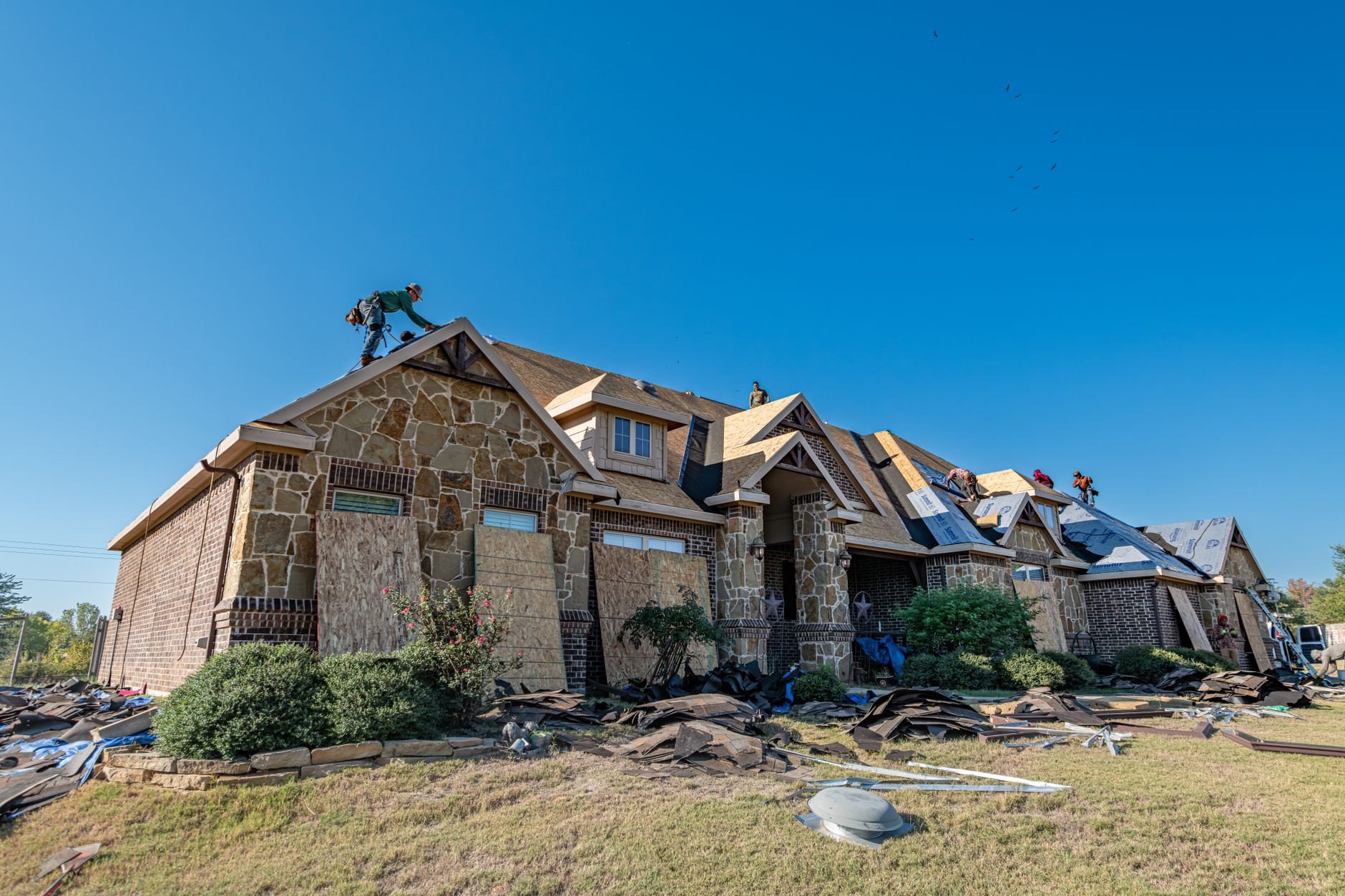
When a Class 4 shingle is worth the upgrade
Most Class 4 products are architectural shingles with a tougher recipe: polymer-modified asphalt, a heavier fiberglass mat, or a reinforced backing that lets the shingle flex under a strike instead of fracturing. Same look from the street, different behavior when something hits the roof, so it is a line item on a re-roof, not a change of system.
Choose Class 4 if you are on the east bench where spring and summer thunderstorms drop hail more often than on the valley floor, if your insurer offers a credit for an impact-rated roof (many Utah carriers do), if mature trees shed limbs in canyon wind, or if you have already filed one hail or wind damage claim and would rather not file a second.
Skip it if you are selling soon and your insurer offers nothing, or if the goal is appearance, where a designer shingle spends the premium on profile instead. For impact resistance measured in decades, standing-seam metal is the next step up; the roofing overview compares all three.
What the Class 4 rating actually measures
UL 2218 drops a two-inch steel ball from 20 feet onto the shingle, twice in the same spot, then checks the back of the mat for any crack. No crack at the two-inch ball earns Class 4; smaller balls earn Classes 1 through 3. It tests the mat, not the granules, which is why a Class 4 roof can lose some granules in a hard storm and stay watertight.
One honest caveat: some policies written on Class 4 roofs add a cosmetic-damage exclusion, so granule loss without a leak is not covered. Read that endorsement before you count the premium credit as free money.
Utah is not a Front Range hail corridor, and we will not pretend it is. The case for Class 4 here is broader: the polymer-modified asphalt that passes the ball test also stays flexible through the Wasatch Front’s hundred-plus freeze-thaw days a year, resists the thermal cracking high-elevation UV drives in standard asphalt, and shrugs off the branches canyon-wind events throw across bench-lot roofs in Alpine, Draper, and the Avenues.
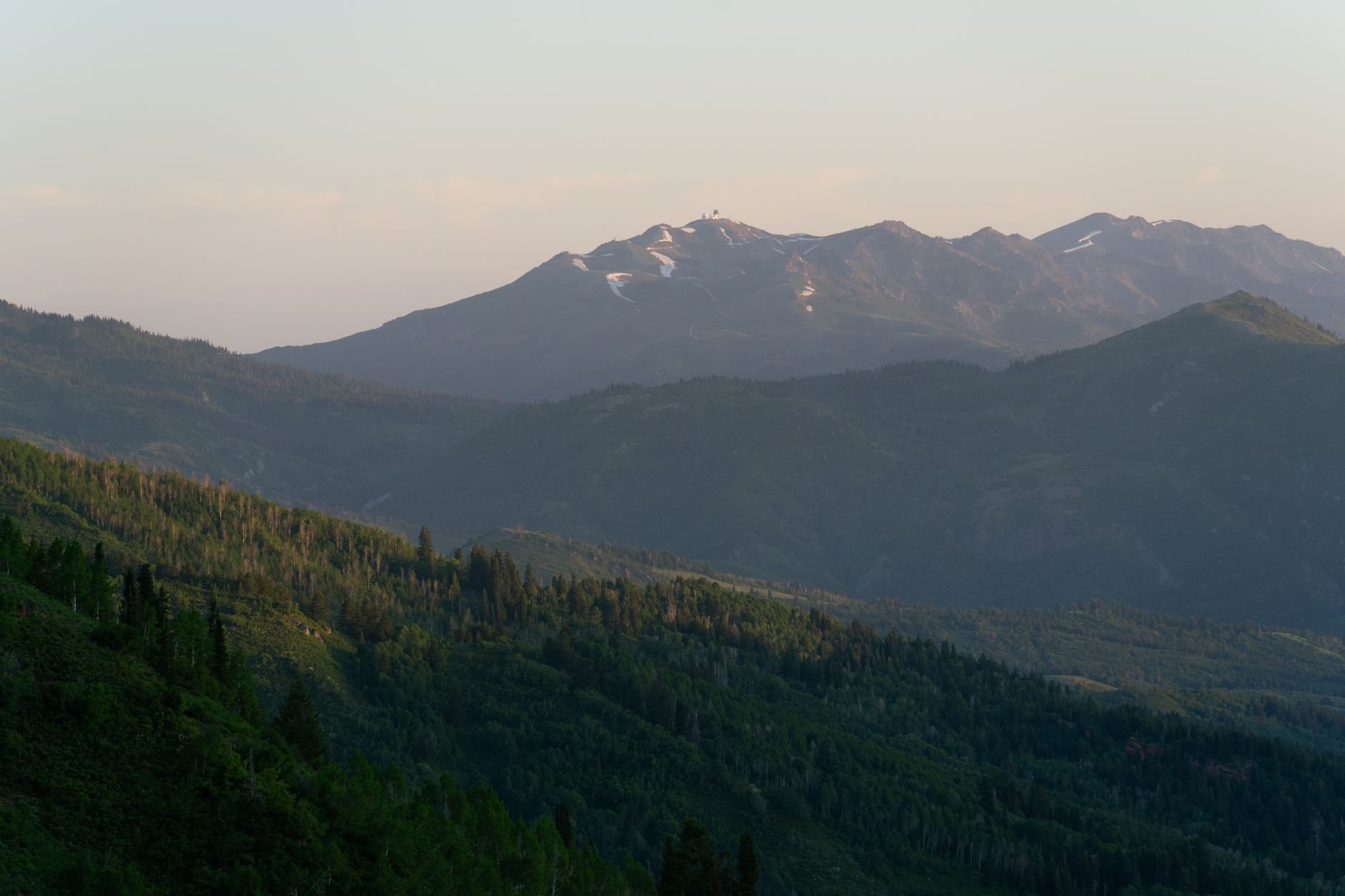
How we install a Class 4 roof so the rating holds
A Class 4 shingle is only as impact-resistant as the roof under it, so the details are specified to match.
- Confirm the product and the credit. You get the manufacturer’s Class 4 listing before we order, so your insurer can accept the specific product in writing.
- Tear off to a solid deck. A modified shingle over spongy sheathing flexes too far and fails like a standard one. Soft deck is replaced at a unit price you see first.
- Dry-in matched to the shingle. Ice-and-water membrane at eaves, valleys, and penetrations, synthetic underlayment over the field. Ice dams do not care how tough the shingle is.
- Six-nail high-wind pattern. Polymer-modified shingles are heavier than standard laminates and their seal strips bond more slowly in cool weather. We nail to the six-nail schedule with the rated starter course so canyon wind cannot lift a shingle before it seals.
- Impact-rated accessories. Ridge cap from the same Class 4 line, not a cut-up three-tab, plus heavy-gauge flashing and metal-collar pipe boots.
- Ventilation check. Modified asphalt resists heat aging, but a cooked attic still shortens any shingle. We balance intake to ridge exhaust.
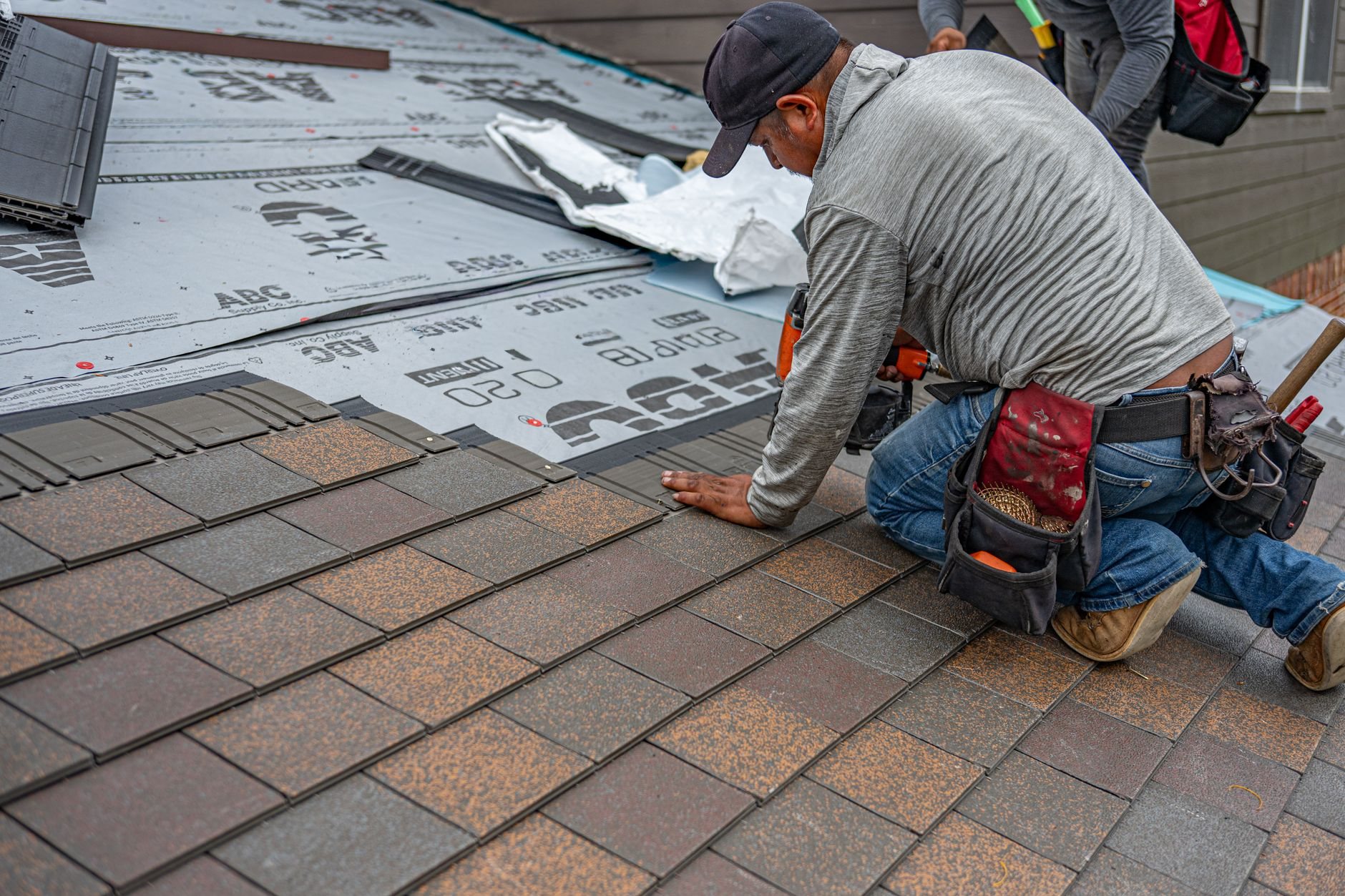
Grandview holds the contract, sets that standard, and checks the work at dry-in and completion. You can verify our B100 license through Utah DOPL. Problems happen. Surprises should not.
What do Class 4 shingles cost in Utah County?
As a ballpark planning number, a Class 4 impact-resistant shingle roof in Utah County typically runs about $5.25 to $8.00 per square foot installed, roughly $0.50 to $1.25 per square foot above a standard architectural shingle on the same house. On a typical single-family roof that is a premium of $1,500 to $4,000. A firm estimate follows an inspection.
- Which Class 4 technology. Polymer-modified lines cost more than lines that reach Class 4 through a heavier mat alone, and generally hold flexibility longer in freeze-thaw.
- Matching accessories. Class 4 ridge cap and heavier flashing add a few hundred dollars and are where many quotes quietly cut corners.
- Insurance payback. A credit of 5 to 30 percent on the dwelling premium is common where offered. Over a 20-year roof that often repays the upgrade several times; over three years it may not.
Questions we actually get
Will my insurance company actually give me a discount for Class 4 shingles?
Many Utah carriers do, but the amount and conditions vary by policy. Call your agent with the exact product name before you commit; some require a signed installer certification and a photo of the bundle wrapper, which we provide. Ask whether a cosmetic-damage exclusion comes with it.
Does a Class 4 shingle look different from a regular architectural shingle?
No. From the street it is the same laminated profile in the same colors; the toughness is in the asphalt chemistry and the mat, not the surface. If you want a visibly heavier profile, a few manufacturers offer designer lines that also carry a Class 4 listing.
Can you install Class 4 shingles in cold weather?
Yes, with care. Polymer-modified shingles stay pliable in cold, which helps handling, but their seal strips still need warm roof temperatures to bond. In a Utah winter we hand-seal exposed edges or schedule for a warm stretch so the roof is not sitting unsealed through a canyon-wind event.
Is a Class 4 roof a good idea if I already have hail damage?
Usually, yes. If a claim is paying for the replacement anyway, the Class 4 upgrade is typically a small out-of-pocket add on top of the claim scope, and the premium credit starts immediately. We document the existing damage first, then write the upgrade as a separate line.
Tell us what your roof is facing
Send us your address and your insurer’s name and we will tell you whether a Class 4 roof pencils out for your lot and your policy. We reply within a couple of hours during business hours, a day at most. More exterior scopes live under site, structure & envelope.