
Corrugated & exposed-fastener metal roofing
Corrugated and ribbed steel panels screwed through the face into purlins or decking — the fastest, lowest-cost way to put a metal roof on a shop, barn, pole building, or simple-gable home. Grandview installs it across Utah County and Salt Lake County under a B100 general contractor license, with the screw pattern, closures, and laps detailed for Wasatch wind and snow.
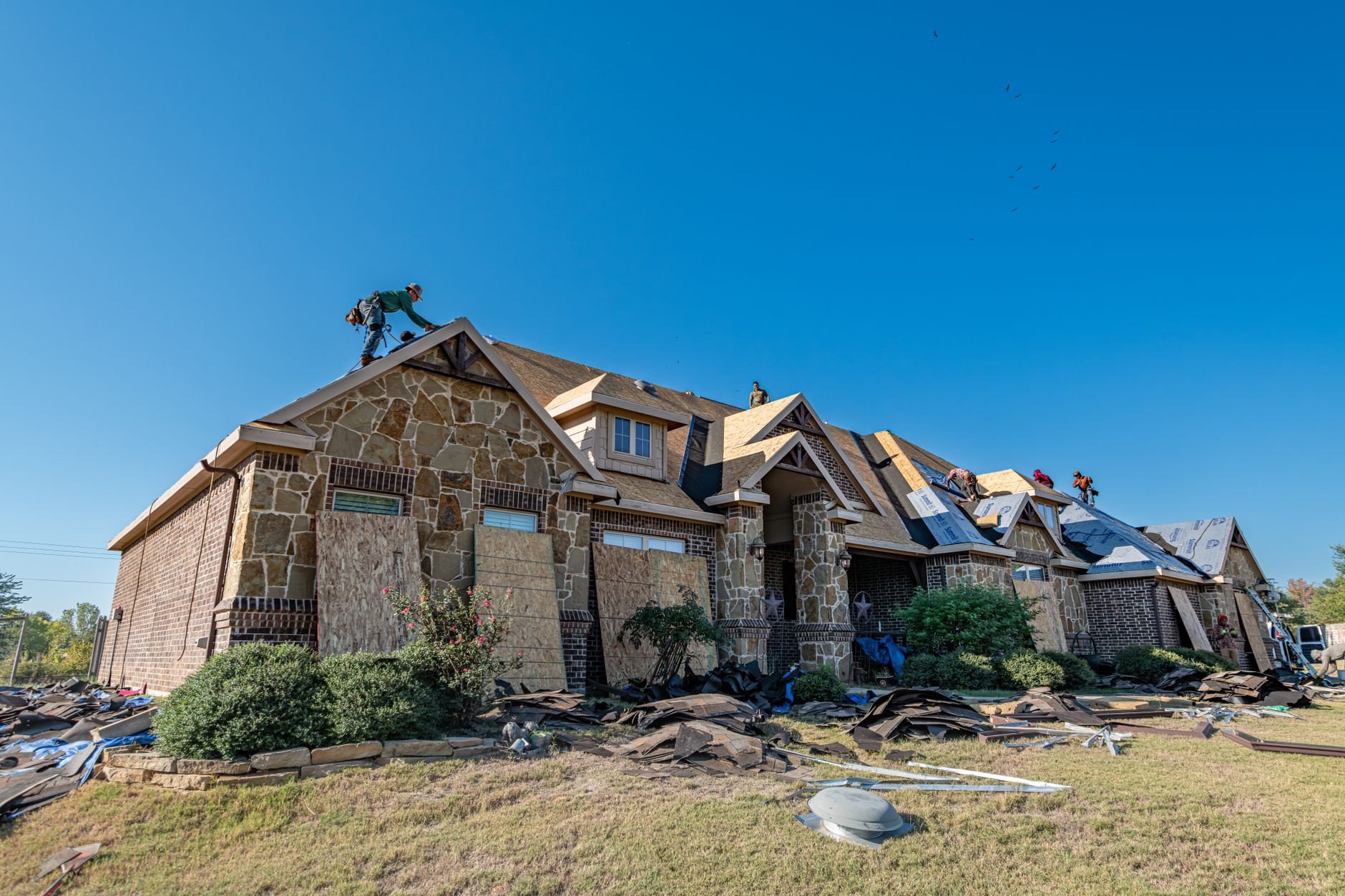
When exposed-fastener panels are the right call
Exposed-fastener metal is the working-class roof: it belongs on detached shops, pole barns, equipment sheds, lean-tos, and metal pole shops — long, simple roof planes at 3:12 or steeper, at roughly half the installed cost of a concealed-fastener system. It also suits farmhouse and modern-rustic homes where the visible rib line is the point.
A slope cut up with hips, valleys, and dormers turns every transition into a screw line that needs sealing, and standing seam metal roofing earns its premium. If you want metal that reads as shingle or tile from the street, metal tile and shake profiles hide the fasteners and the industrial look. Below about 3:12, corrugated panels lean on sealant to stay dry; a low-slope membrane is the more honest choice there.
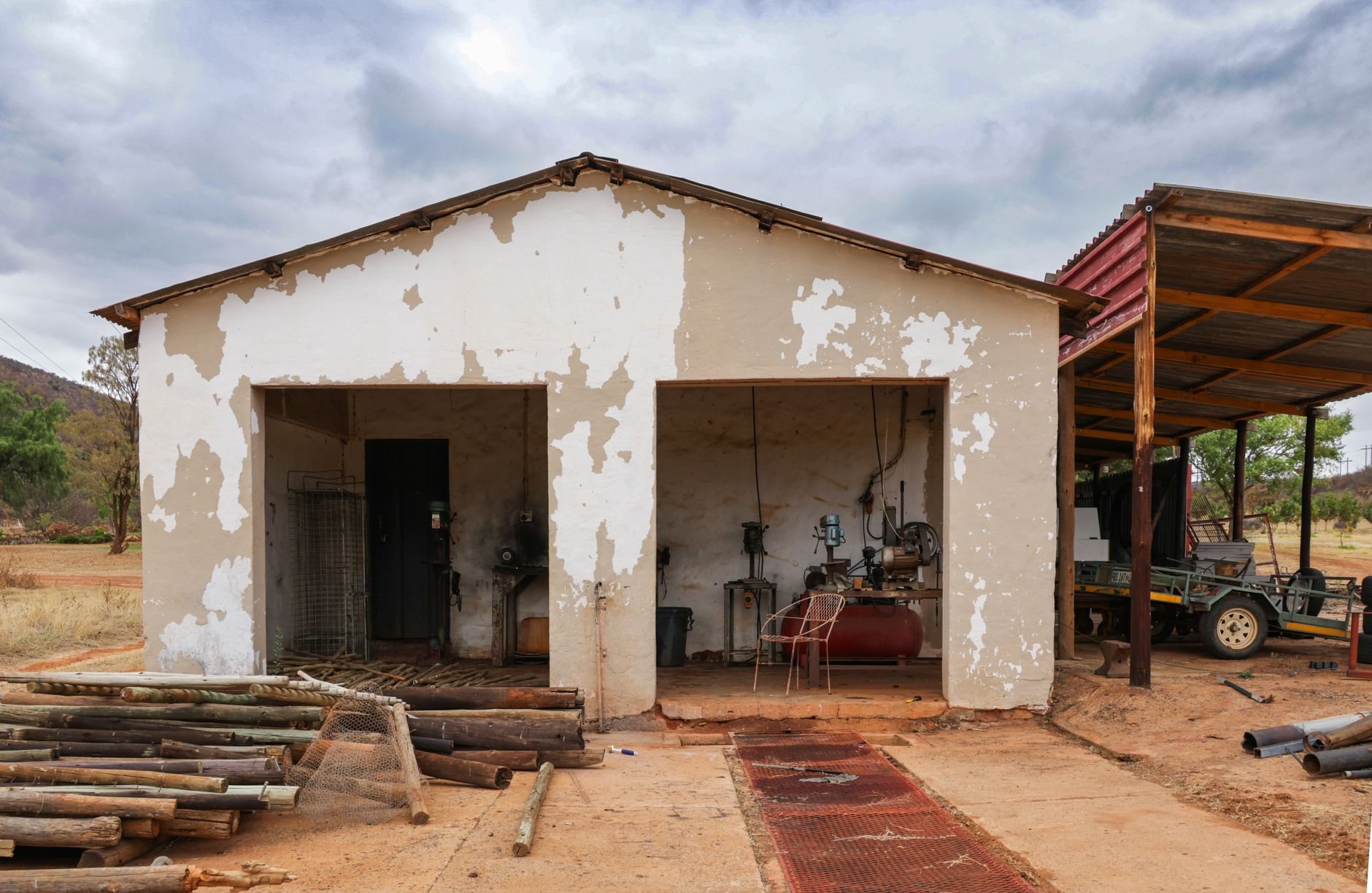
Profile, gauge, coating, and the screw itself
Four decisions set how long an exposed-fastener roof stays tight, and we make them in writing before ordering.
Profile. True 7/8-inch corrugated (the wavy panel) spans purlins well and sheds snow evenly. R-panel and PBR (flat-bottomed ribs) cover more width per sheet and are the default on shops. PBR’s purlin-bearing leg gives the side-lap screw solid backing, which is why we prefer it on anything heated.
Gauge. Box-store 29-gauge dents under hail and oil-cans in the sun. We spec 26-gauge as the floor on homes and heated shops, and 24-gauge where bench-lot snow loads or wide purlin spacing push the span table.
Coating. Bare Galvalume is fine on a hay shed. Painted panels come in SMP (silicone-modified polyester), the economical finish, or PVDF (Kynar-type resin), which resists chalking and fading far better. At 4,500-plus feet, Utah UV is harder on paint than at sea level — on a south-facing roof you’ll look at for twenty years, PVDF; on a north-facing lean-to, SMP is money well saved. Light colors also work as a cool roof in an uninsulated shop.
Fasteners. The screw is the system. Long-life coated screws with bonded EPDM washers, driven through the flat of the panel — never the rib crown, which starves the washer — on a pattern that tightens at eaves, ridges, and rakes, where canyon wind off the Wasatch does its lifting. An over-driven washer splits in its first freeze–thaw winter; an under-driven one never seals. We check driver clutch settings, not just the finished roof.
How a corrugated metal roof goes on
- Substrate. Open purlins (pole barns, steel-framed shops) or solid decking with high-temperature synthetic underlayment (homes, insulated shops). Over purlins we add a condensation-control underlayment, because bare panels drip on cold Utah nights.
- Layout. Panels come cut to length, so each slope has one end lap or none. An eighth-inch of drift per panel is an inch and a half across a 40-foot roof, so the first sheet gets squared with care.
- Closures. Drip edge, then foam closure strips cut to the panel profile under the first course and beneath the ridge cap. Skip them and birds, wasps, and wind-driven snow enter at will.
- Panel run. Panels go on against the prevailing wind so side laps face away from it, with butyl tape in the laps under 4:12. Screws hit every purlin at eave and ridge and alternate ribs through the field.
- Penetrations and ridge. Flexible, profile-conforming pipe boots, not flat flanges in caulk. A vented ridge cap handles exhaust; vented soffit supplies intake, balanced the way any roof ventilation job should be.
- Snow retention. Where the roof dumps onto a door, walkway, or gas meter, we add snow guards. On a bench lot a steep metal roof releases its whole load in one slide, and that slide flattens gutters.
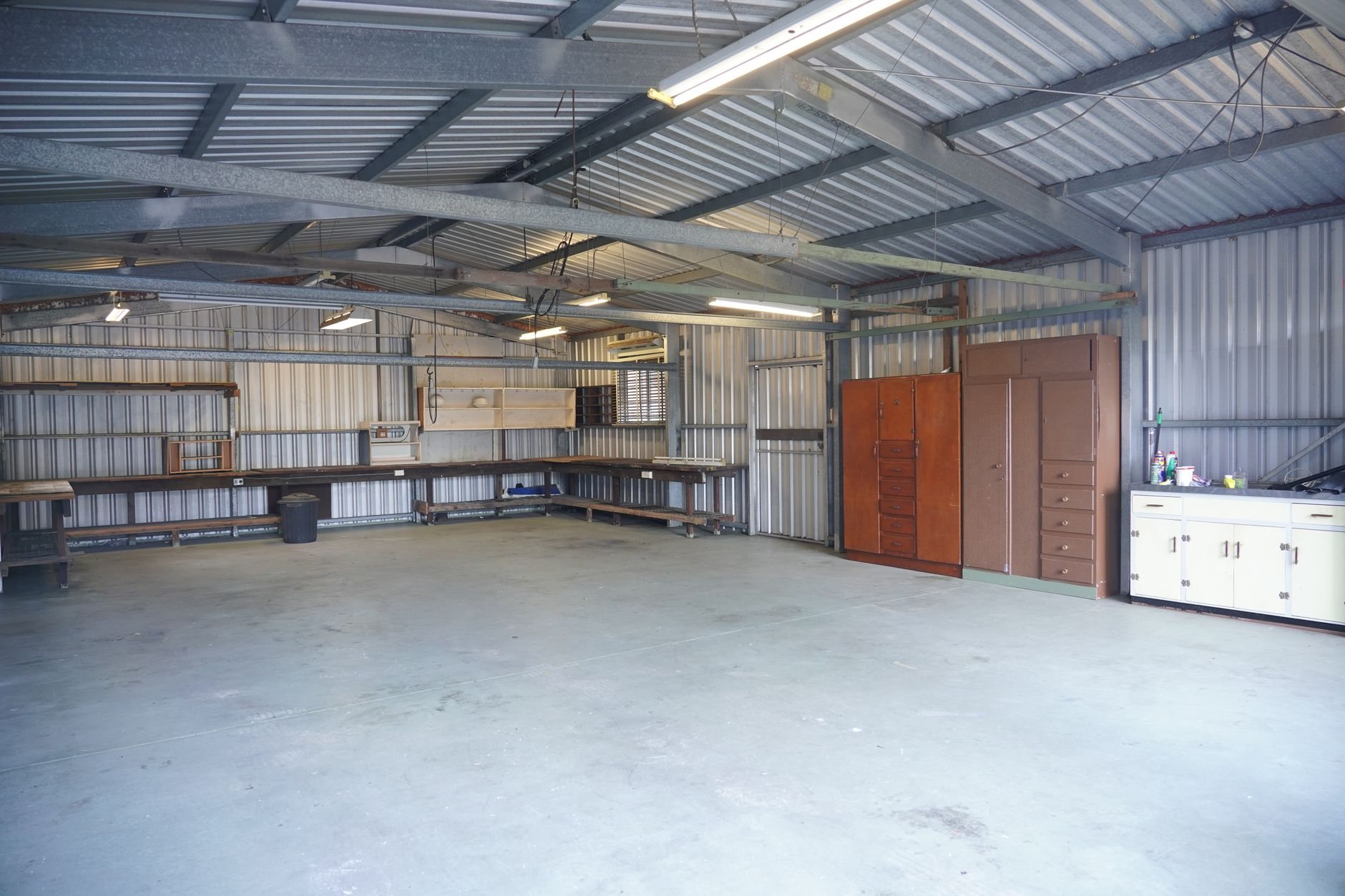
What does corrugated metal roofing cost in Utah?
As a ballpark planning number, exposed-fastener metal roofing in Utah County and Salt Lake County typically runs about $5 to $9 per square foot installed — roughly half of standing seam, and in the range of a good architectural shingle. A plain 30-by-40 shop over purlins lands near the bottom; a 26-gauge PVDF roof over a decked house lands near the top.
- Gauge and finish. Stepping from 29 to 26 gauge, or SMP to PVDF, each adds modestly per square foot and years to the roof.
- Trim count. Rake, eave, ridge, endwall, and sidewall trims price per linear foot. Simple gables have little; cut-up roofs have a lot.
- Tear-off. Removing an existing shingle roof adds cost; sometimes panels can go over battens on one sound layer, which we evaluate honestly.
Planning numbers, not promises — a firm estimate follows a site visit, and you can verify our B100 license through Utah DOPL. Gutters sized for a fast-shedding metal roof fall under gutter installation; asphalt, metal, and flat systems compared side by side live on our roofing page, under site, structure & envelope.
Questions we actually get
Do the screws on an exposed-fastener roof eventually leak?
The washers age before the steel does. Expect to re-tighten or replace fasteners around year 10 to 15 as EPDM washers harden under UV and daily panel expansion works them loose. It’s a half-day maintenance item on a shop roof.
Can you install corrugated metal over my existing shingles?
Sometimes. Current Utah-adopted code and most panel manufacturers allow installation over one layer of shingles on a sound deck, usually on 1×4 battens or a slip sheet so the panel isn’t resting on granules. Two layers, soft decking, or an insurance replacement mean tear-off. We check the deck from the attic first.
Is a corrugated metal roof loud in rain and hail?
Over open purlins in an uninsulated shop, yes — it’s a drum. Over solid decking with underlayment and attic insulation, rain noise is about the same as a shingle roof. Hail that bruises asphalt usually leaves 26-gauge steel unmarked.
How does exposed-fastener metal handle Utah snow and wind?
Well, if it’s fastened for it. Steel sheds snow rather than holding it, which is why snow guards matter above doors and walkways. For wind, the eave, ridge, and rake rows carry the load — we tighten the screw pattern there and run closures so gusts can’t get under a panel edge.
Tell us what you’re roofing
A shop, a barn, a lean-to, or a simple-gable house — send us the footprint and pitch and we’ll give you a straight read on profile, gauge, and budget before anyone commits to anything. We reply within a couple of hours during business hours, a day at most.