
Asphalt & concrete paving in Utah County
Driveways, parking lots, repairs, sealcoating, and striping — paved under one B100 general contractor license, from base preparation to the final coat. We serve Utah County and the Salt Lake Valley, and we start with the ground under the pavement, because that’s where paving succeeds or fails.
When is new paving the right call?
Replace when the base has failed; repair when it hasn’t. Alligator cracking, spreading potholes, and pavement that flexes underfoot mean the problem is below the asphalt, and patching it buys months, not years. Isolated cracks, faded surfaces, and a few soft spots usually justify repair and sealcoating instead. We’ll tell you which situation you’re in before we price anything.
Homeowners typically call us when a driveway has reached the end of its life or a new build needs its first hard surface. Property managers and commercial owners call about parking lots — resurfacing, restriping, drainage problems, or a lot that’s become a liability line item. Both get the same approach: an honest read of the base, the drainage, and the budget options, in that order.
Paving sits inside our site, structure and envelope family for a reason. The grading that sheds water, the compaction that carries load, and the surface you drive on are one system, and we build all three of them. We are fond of straight lines and straight answers.
What our paving work covers
Asphalt driveways
New driveways and full replacements, built on compacted road base with the slope to shed water away from your garage and foundation.
ExploreAsphalt parking lots
New construction, resurfacing, and full reconstruction for retail, office, and multifamily lots — sequenced to keep your property usable.
ExploreAsphalt repair & patching
Pothole patching, crack filling, and section replacement that treats the cause — water in the base — not just the hole you can see.
ExploreSealcoating
Scheduled sealcoating that slows UV oxidation and water intrusion — the cheapest years you can add to a driveway or lot.
ExploreStriping & restriping
Parking stalls, fire lanes, directional arrows, and curb marking laid out to current standards, in paint that survives snowplow season.
ExploreConcrete parking lots
Air-entrained concrete lots for owners who want decades of service and lower maintenance in exchange for a higher first cost.
ExploreADA parking & access aisles
Accessible stalls, access aisles, slopes, and signage brought into compliance — often the highest-risk gap in an older lot.
ExploreSpeed bumps & traffic features
Speed bumps, humps, bollards, and wheel stops placed where they slow cars without wrecking snow removal.
ExplorePavement is a base with a surface on top
- Walk the site. We check the existing base, the drainage patterns, and the soil. Much of Utah County sits on expansive clay or collapsible bench soils, and either one will move a pavement that was priced without knowing it.
- Define the scope. Overlay, partial reconstruction, or full replacement — with the cost and expected life of each option side by side, so you’re choosing, not guessing.
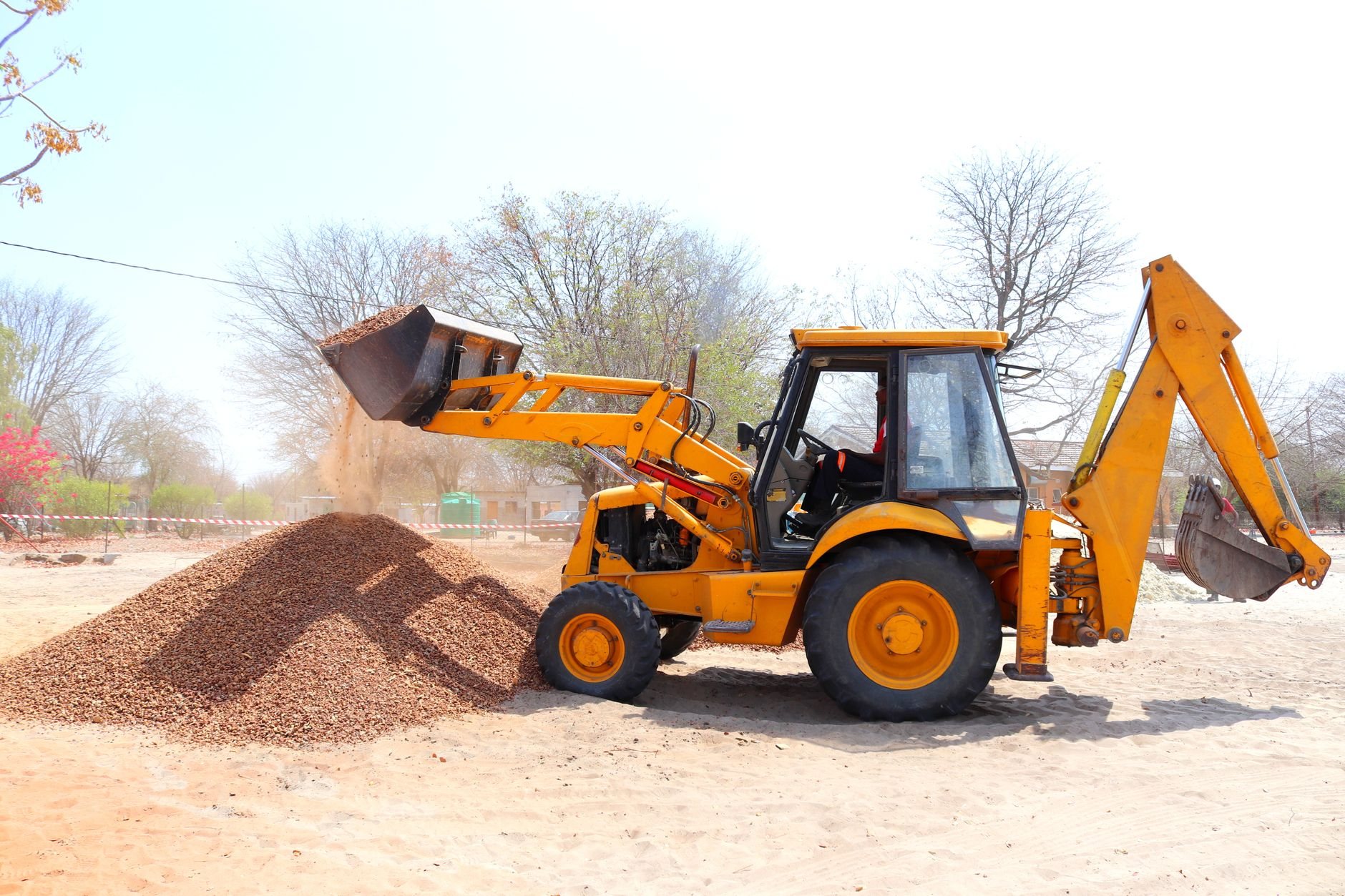
- Build the base. Excavation, compacted road base, and grading that moves water off the surface. Our own excavation and grading crews handle this, which is where most paving problems are actually prevented.
- Place the surface. Hot-mix asphalt compacted at temperature, or air-entrained concrete for lots and aprons — mixes matched to the Wasatch Front’s 100-plus freeze–thaw days a year.
- Finish and protect. Striping, signage, and a realistic maintenance schedule: when to sealcoat, when to crack-fill, and what to watch for.
Asphalt or concrete: which surface makes sense in Utah?
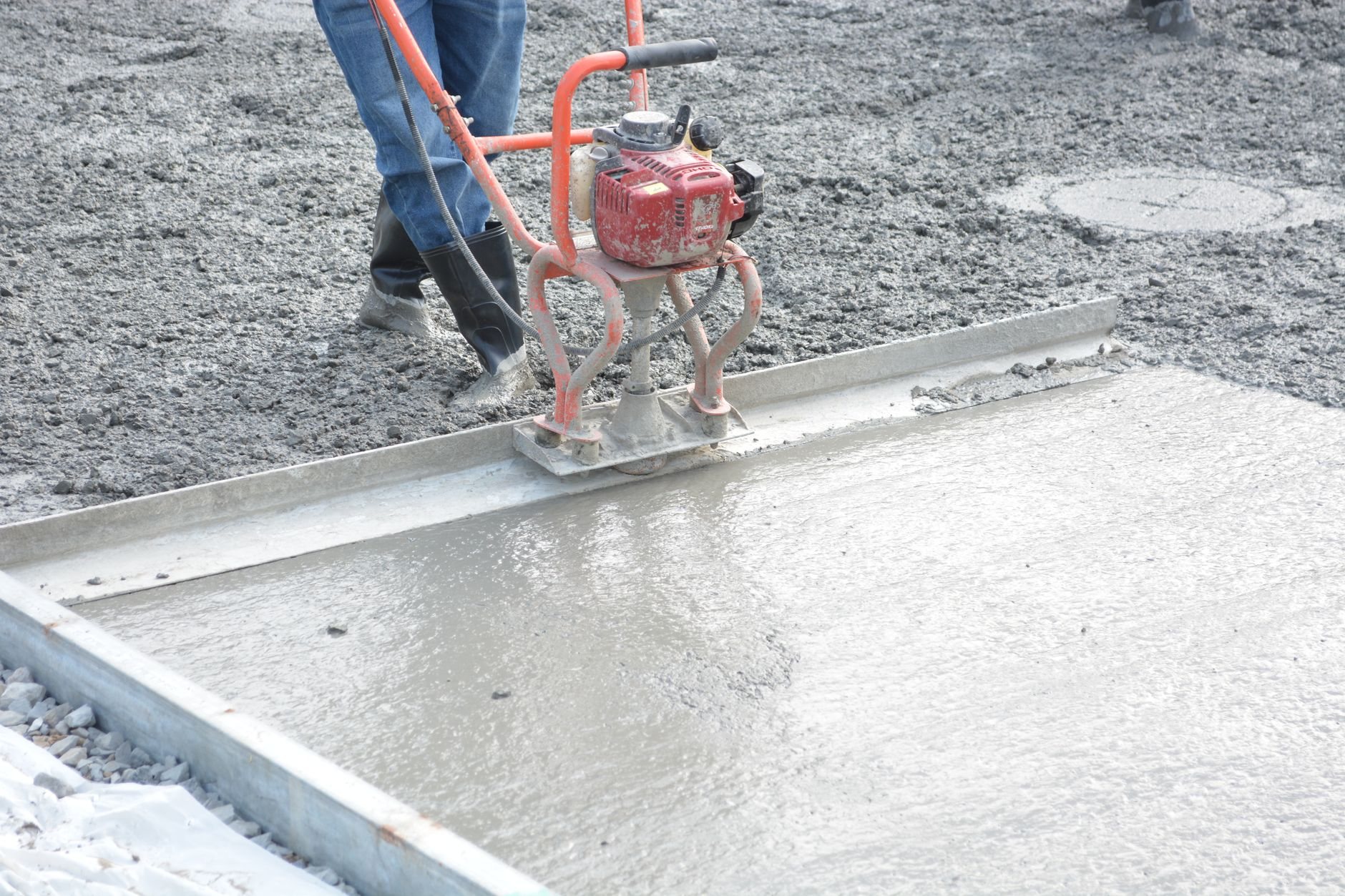
Asphalt costs less up front, installs fast, and handles freeze–thaw movement by flexing — but it needs sealcoating every few years and typically lasts 15 to 25 years here. Concrete costs more initially, lasts 30-plus years with far less maintenance, and stays cooler and brighter — but it must be an air-entrained mix, or Utah’s freeze–thaw cycling will spall the surface.
The honest tiebreakers:
- Budget horizon. Asphalt wins on first cost; concrete usually wins on 30-year cost. Investors flipping in five years and owners holding for twenty should get different answers.
- Sun and elevation. Utah’s high-elevation UV oxidizes asphalt faster than lower, cloudier climates — which is why sealcoating here is maintenance, not cosmetics.
- Drainage. Summer monsoon cloudbursts can drop an inch of rain in an hour. Whichever surface you pick, the slope and the drainage design matter more than the material. The Utah Geological Survey documents the problem soils that make this a design question, not an afterthought.
- Use. Dumpster pads, loading zones, and drive lanes with truck traffic often get concrete even in an otherwise asphalt lot. Mixed-material lots are normal and smart.
For driveways, patios, and walkways in concrete, see our concrete driveways and flatwork pages — and if the project includes grading, walls, or planting around the new surface, landscaping and hardscaping can run under the same contract.
What moves the price of paving work
Square footage sets the baseline, but the base sets the surprises. Removing and hauling failed pavement, over-excavating soft subgrade, importing road base, and correcting drainage are the line items that separate a cheap bid from a durable lot. Access matters too — a tight Provo driveway costs more per square foot than an open Lehi lot because the machines work slower.
As ballpark planning numbers, not promises: new asphalt in Utah typically runs in the range of $4–$8 per square foot installed, concrete flatwork roughly $8–$14, with repairs, overlays, and sealcoating well below full replacement. Site conditions move all of these. We give a budget range after a site walk and a firm estimate once scope is defined — and for commercial lots, remember that ADA parking requirements apply whenever you restripe or reconstruct, so compliance belongs in the budget from the start.
Questions we actually get
How long does an asphalt driveway last in Utah?
Typically 15 to 25 years. The spread comes down to the base preparation, how well water is kept out, and maintenance — the Wasatch Front’s 100-plus freeze–thaw days a year punish any crack that lets water reach the base. Sealcoating every three to five years and prompt crack filling push you toward the high end.
Can you overlay my existing asphalt instead of replacing it?
Only if the base is still sound. An overlay on a failed base inherits every problem underneath it — cracks telegraph through within a couple of seasons. We evaluate the existing pavement first; if it drains well and isn’t alligator-cracked, an overlay is a legitimate money-saver. If not, we’ll show you why.
What drives the cost of a parking lot project?
Demolition and haul-off, subgrade condition, drainage corrections, and total area are the big four. Then striping, ADA upgrades, concrete features like dumpster pads, and phasing to keep the property open during work. We break each of these out in the estimate so you can see what’s essential and what’s optional.
When is paving season along the Wasatch Front?
Roughly April through October for asphalt — hot mix needs warm ground and air temperatures to compact properly, and quality gets hard to guarantee once nights drop toward freezing. Concrete has a similar window, with cold-weather options that add cost. Base work and demolition can often start earlier so the surface goes down as soon as temperatures allow.
Where paving fits in a bigger project
Paving is often the last pass on a larger scope — a new building, a site regrade, a property-wide refresh. Because it lives in the same family as excavation and grading and retaining walls, one contract can carry the site from rough grade to striped stalls, with one team accountable for how it all drains.
Tell us what you’re working on
Send us the address and what’s bothering you about the pavement — we’ll give you a straight read on repair versus replacement, scope, and budget before anyone commits to anything. We reply within a couple of hours during business hours, a day at most.