
Asphalt parking lot paving in Salt Lake City
An asphalt parking lot is hot-mix asphalt placed over a compacted road-base section and graded to drain, sized for the cars, delivery trucks, and snowplows a commercial property actually sees. Grandview builds, reconstructs, and resurfaces lots for retail, office, and multifamily owners in Salt Lake City and Utah County under a B100 general contractor license, phased so tenants keep parking while the work happens.
When an asphalt lot is the right choice
Asphalt is the right surface for most parking lots when first cost and speed matter more than a 30-year service life. It goes down in days, takes traffic within a day or two of compaction, and flexes with the ground instead of cracking across it. If you hold the property long-term and want to skip the sealcoat cycle, our concrete parking lot page lays out the trade: more money now, less attention later.
It’s also a question of how much of the lot is gone. Potholes in a few stalls or a sunken utility trench call for asphalt repair, not a new lot. Widespread alligator cracking, rutting in the drive lanes, and water that pools and stays mean the base has failed, and no overlay fixes that for long.
Between those ends sit the owners we talk to most: a lot that still works but drains badly and carries an ADA layout that would not pass a fresh look. For them the answer is often a mill-and-overlay with the drainage corrected and the accessible stalls rebuilt. We’ll tell you which of the three you have before we price any of them. Our asphalt and concrete paving page covers the family within site, structure and envelope; this page is about lots.
What building an asphalt parking lot involves
- Read the traffic, then the ground. A lot is designed around its heaviest regular vehicle. Passenger stalls can sit on a lighter section; drive lanes and the garbage-truck route to the dumpster need more. Much of the Salt Lake Valley floor is old Lake Bonneville sediment, and the Utah Geological Survey’s problem-soils mapping is why we probe the subgrade before committing to a thickness.
- Demolition or milling. Full reconstruction means saw-cutting, breaking out the old pavement, and hauling it off. Where the base is sound, we mill the top of the existing asphalt instead, which keeps the curb reveal and skips most of the haul-off.
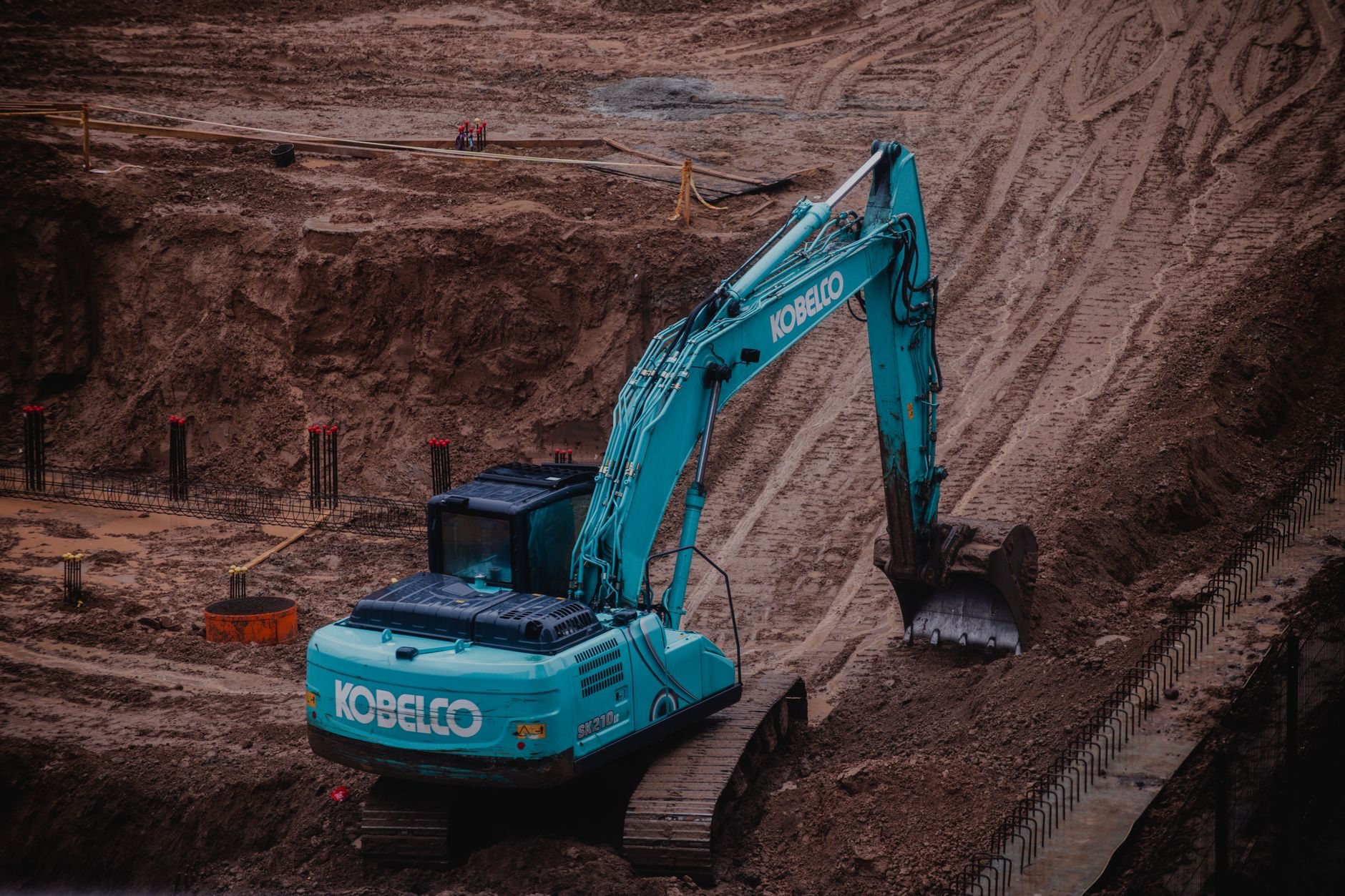
- Subgrade and base. Soft spots get over-excavated and replaced with road base. The section is compacted and graded to a minimum fall, typically one to two percent, toward catch basins or curb inlets. Our excavation and grading crews do this part, and it decides the next twenty years.
- Curb, gutter, and concrete features. Dumpster pads, the street apron, and truck loading areas usually go in air-entrained concrete even in an asphalt lot, because asphalt ruts under a stationary garbage truck. Light-pole bases and islands go in now too.
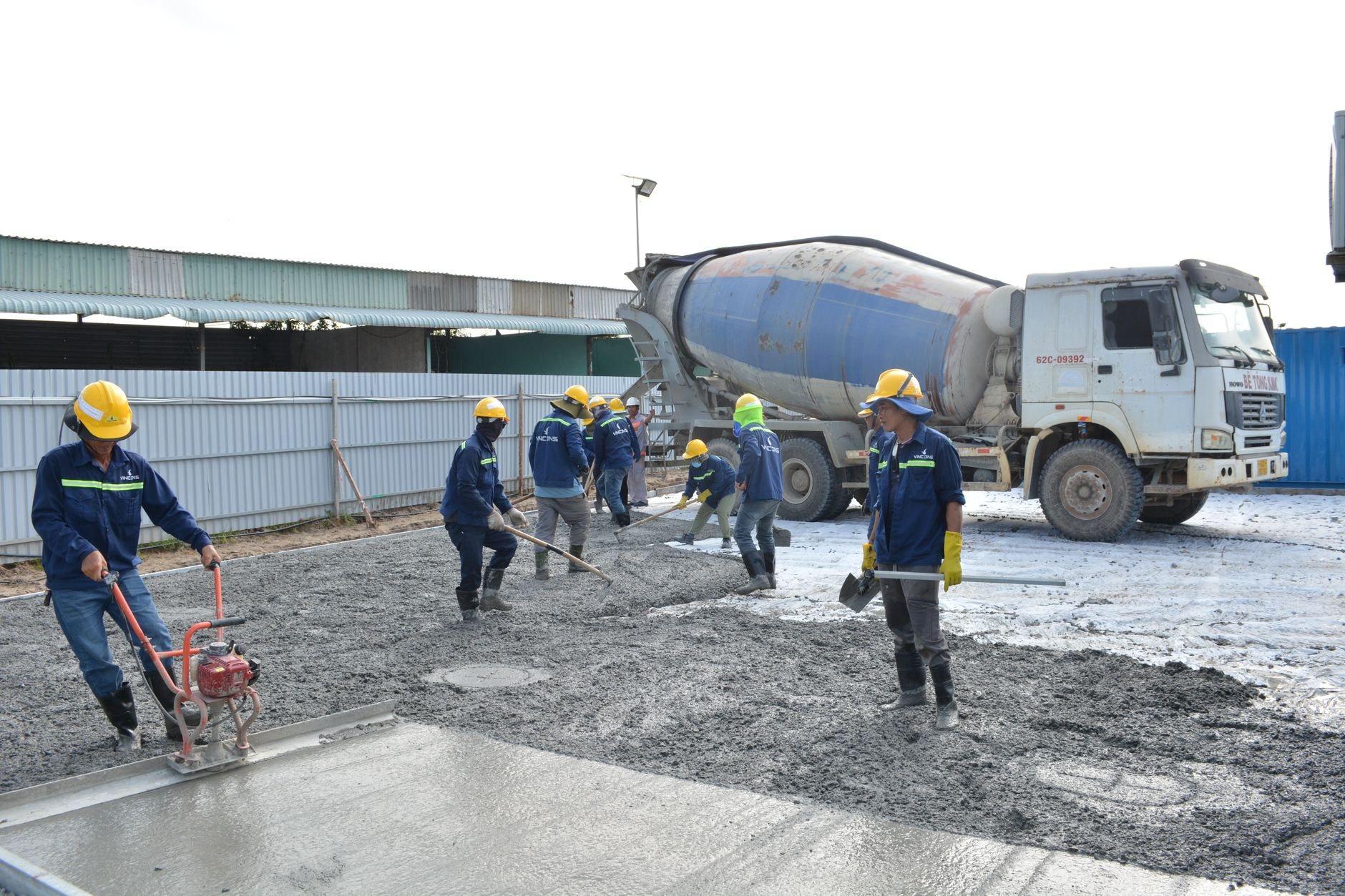
- Hot-mix placement. Tack coat, then hot-mix placed with a paver in lifts, joints staggered, rolled while the mat is still hot enough to reach density. Thin, cold, or under-rolled asphalt is the most common reason a new lot fails early.
- Markings and hardware. After the mat cures, striping, accessible-stall signage, wheel stops, and any speed humps go in, along with a maintenance schedule: first sealcoat at roughly a year, then every three to five.
Keeping the property open while we pave
A parking lot cannot close the way a driveway can. We split the lot into phases, keep a drivable route to every entrance, and pave the busiest zone over a weekend or off-hours window where the tenant mix needs it.
Two Salt Lake specifics shape the layout. The first is snow: plow stockpiles need somewhere to sit without burying stalls or sending meltwater back across the drive lanes to refreeze, so snow storage goes downslope of the parking, near the drains. The second is summer cloudbursts, which can drop an inch of rain in under an hour onto a surface that sheds all of it. Salt Lake City reviews storm-water handling on larger lots and reconstructions that change the drainage, so we confirm the requirement before design is final.
What does an asphalt parking lot cost in Salt Lake City?
As a ballpark planning number, not a promise, new asphalt parking lot construction along the Wasatch Front typically runs $4 to $8 per square foot installed, with full reconstruction toward the top of that range once demolition and haul-off are added. A mill-and-overlay on a sound base usually lands well below that, roughly $2 to $4 per square foot.
What moves a lot up the range: a heavy-duty section for truck lanes, over-excavating soft subgrade, new catch basins, concrete dumpster pads and aprons, and phasing that keeps the property open. What keeps it down: a sound base, open access for the paver and trucks, and one mobilization instead of two. For any lot that gets restriped or reconstructed, accessible parking requirements apply, so accessible stalls and access aisles belong in the first budget, not a change order. We give a budget range after a site walk and a firm estimate once scope is set.
Questions we actually get
How thick should an asphalt parking lot be?
It depends on the heaviest vehicle using each area. A passenger-car lot is commonly built as two to three inches of hot-mix over six to eight inches of compacted road base; drive lanes and truck routes get a thicker asphalt section or a concrete pad. We size the section to the traffic and the subgrade we find, not to a single number.
Can you resurface my lot instead of rebuilding it?
Yes, if the base is still carrying load. We mill the top layer, correct the drainage, and place a new lift at a fraction of reconstruction cost. If the lot shows alligator cracking across large areas or ruts in the drive lanes, an overlay mirrors those failures within a couple of seasons, and reconstruction is the cheaper decision over ten years.
When can an asphalt lot be paved in Salt Lake City?
Roughly April through October. Hot-mix needs warm ground and air to compact to density, and quality gets hard to guarantee once nights drop toward freezing. Demolition, drainage, and base work can start earlier in spring so the surface goes down as soon as temperatures allow; striping follows once the mat has cured.
Tell us what you’re working on
Send the address and a few photos of the lot. You’ll get a straight read on overlay versus reconstruction, phasing, and budget before anyone commits. We reply within a couple of hours during business hours, a day at most.