
Asphalt driveway paving in Utah
An asphalt driveway is a compacted road-base section with two to three inches of hot-mix asphalt on top, graded to send water toward the street instead of your garage. Grandview builds and replaces residential asphalt driveways across Utah County and Salt Lake County under a B100 general contractor license, tear-out to final roller pass.
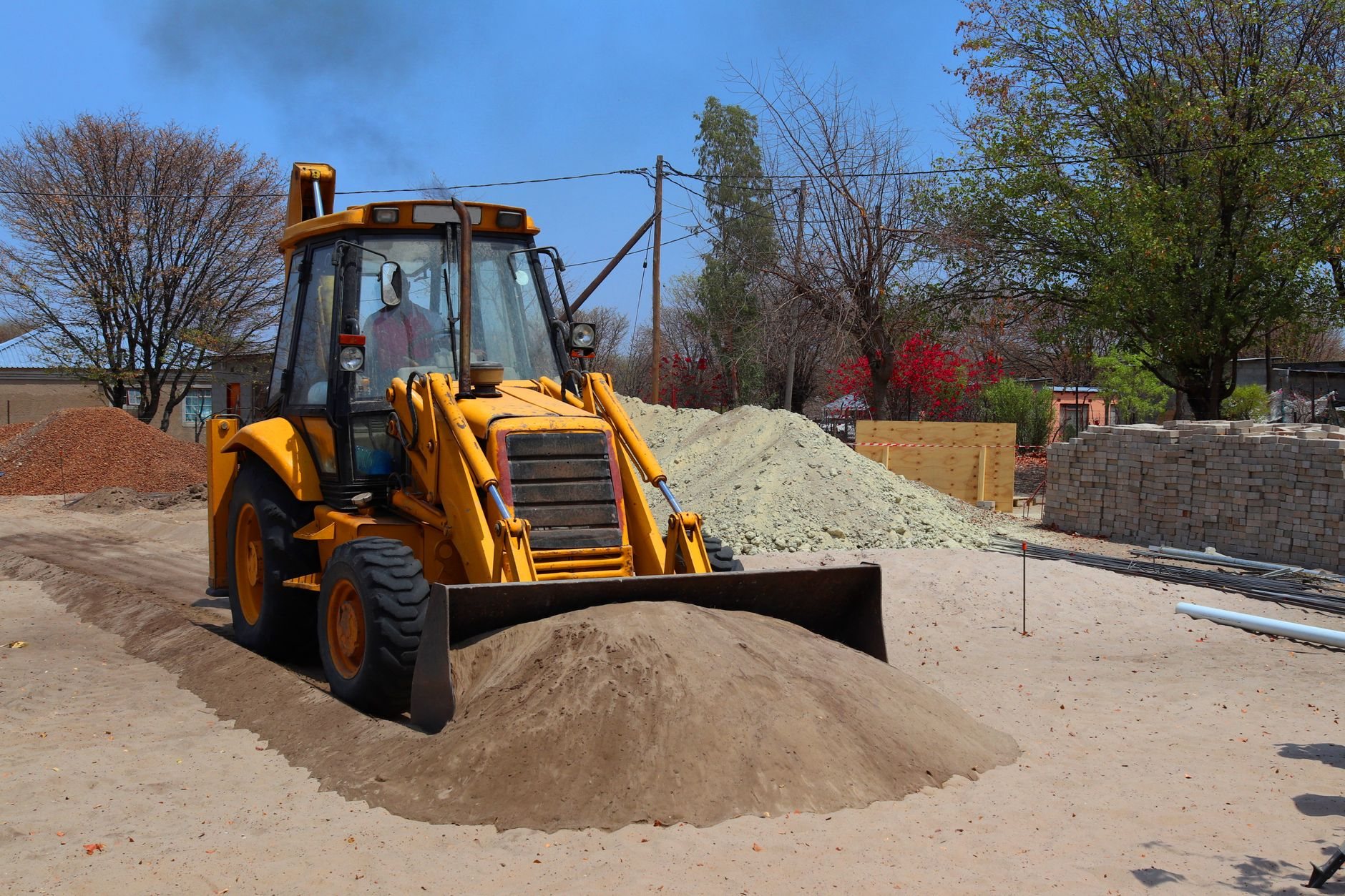
When a new asphalt driveway is the right call
Replace the driveway when the base has failed. Alligator cracking across the drive lanes, a surface that flexes underfoot, standing water in the middle, or a crown settled into a dish all mean the problem is under the asphalt, and a new surface on an old base fails on the same schedule. A driveway past twenty years that has already been overlaid once is almost always in this group.
If the cracks are isolated and the surface is firm, you are an asphalt repair customer. If the driveway is simply grey, dry, and a little rough, sealcoating is the right spend. If you want thirty years and a surface that stays light-colored in August, a concrete driveway costs more up front. More than a handful of stalls makes it an asphalt parking lot, with different thickness and drainage rules. We will say which one you are before we price anything.
What a driveway that lasts is made of
Residential asphalt is a thin pavement, and thin pavements live or die on what is underneath:
- Subgrade. Native soil, proofed with a loaded truck and compacted; soft or pumping spots are over-excavated and backfilled. Much of the Utah County bench sits on the collapsible and expansive soils the Utah Geological Survey maps, and on those lots we go deeper on base rather than hoping.
- Road base. Six inches of crushed, graded aggregate for a car driveway; eight where an RV, trailer, or work truck parks. Compacted tight before any asphalt arrives.
- Hot-mix asphalt. Two and a half to three inches of dense-graded hot mix with a finer top-size aggregate than a parking lot gets, for a smoother surface with fewer edge ravels.
- Grade and edges. About a quarter inch of fall per foot away from the garage, a clean transition at the apron, and tapered or restrained edges so the first winter does not break them off.
Where the driveway meets the sidewalk, the approach usually sits in city right-of-way, and many Wasatch Front cities require an approach permit and a concrete apron to their standard. We verify that with your city’s engineering department before mobilizing.
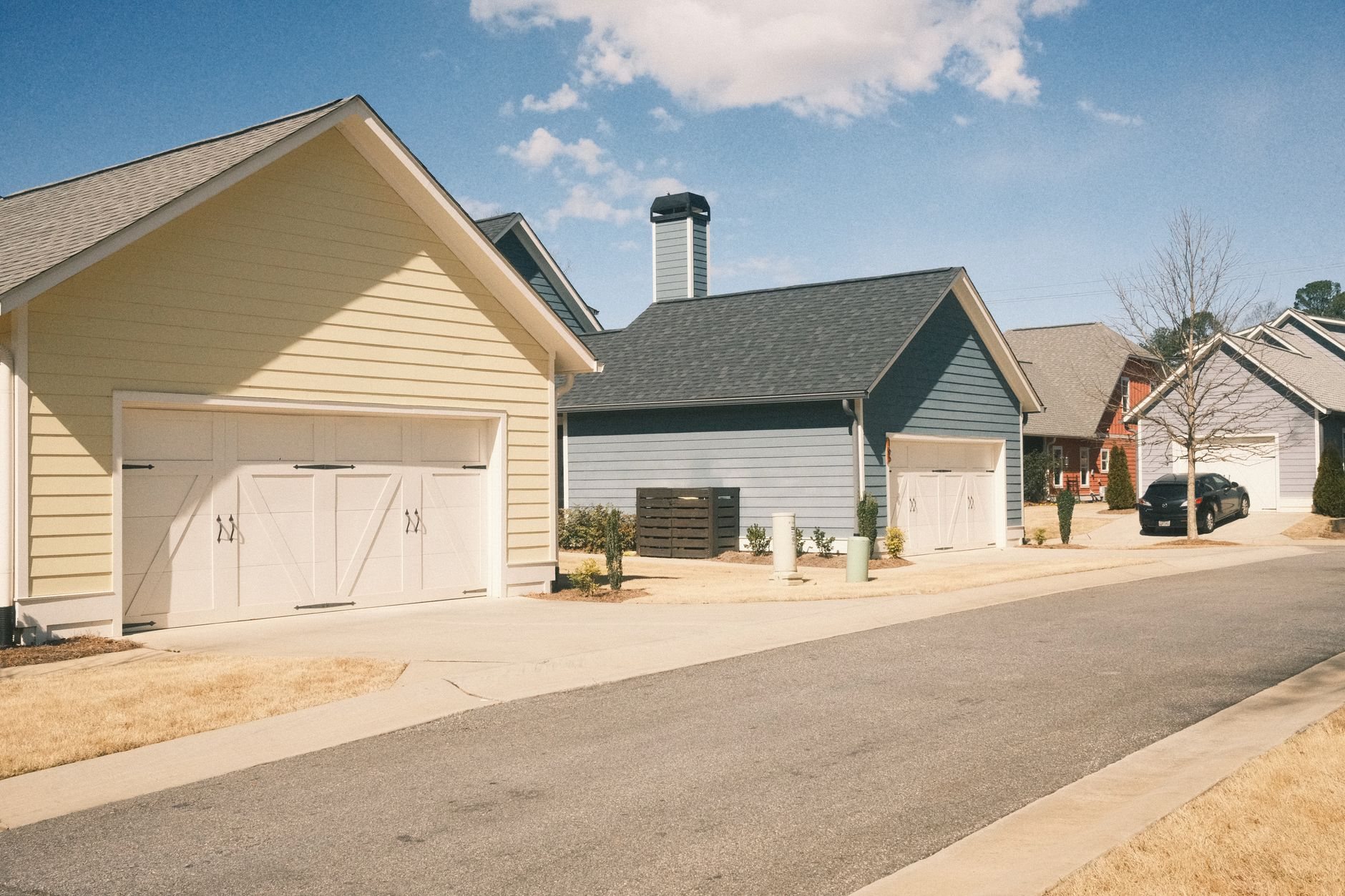
How an asphalt driveway replacement runs
- Site walk. We probe the old pavement, trace where water goes in a storm, and check the garage slab, sidewalk, and curb elevations the new surface has to meet.
- Tear-out. The old asphalt is saw-cut at the apron, broken out, and hauled to a recycler. Sound base stays; base contaminated with clay or fines leaves with it.
- Base and grade. Import, spread, and compact road base to the design thickness, set to the fall from the site walk. Same grading discipline as any site, smaller footprint.
- Pave and roll. Hot mix goes down in a single lift, raked at the edges, and rolled before it cools. Along the Wasatch Front that means April through October; a mat placed on cold ground never reaches full density, and we will not schedule one.
- Cure and hand-off. Keep cars off for two to three days, avoid turning the wheels while stationary for the first month, and plan a first sealcoat the following season.
What does an asphalt driveway cost in Utah?
As a ballpark planning number, not a promise, a new or replacement asphalt driveway in Utah County or the Salt Lake Valley typically lands between $4 and $8 per square foot installed. A two-car driveway of 600 to 800 square feet tends to fall in the $3,000 to $6,500 range; long rural drives and three-car layouts scale from there. We give a budget range after a site walk and a firm estimate once the base condition is known.
- Tear-out and haul. First-time paving over gravel skips most of it; a thick old section adds a day and a haul bill.
- Base import. New road base versus reusing a sound existing base is the biggest swing in most bids.
- Soft subgrade. Over-excavating pumping clay or collapsible fill is the line nobody can see from the curb.
- Access and shape. A tight Provo lot with a narrow side yard works slower than an open Lehi cul-de-sac. Curves and turnarounds add hand work at the edges.
- Apron and extras. City-standard concrete approaches, widening for a third bay, and a drainage channel at the garage door are each priced as their own line.
Our B100 license is verifiable at dopl.utah.gov. A driveway is a small job, but it still gets a contract with a licensed and insured builder behind it.
Questions we actually get
How thick should an asphalt driveway be?
Two and a half to three inches of compacted hot mix over at least six inches of compacted road base for ordinary cars. Go to three inches of asphalt and eight of base if you park a trailer, RV, or loaded work truck. Thickness below the surface matters more than thickness in it.
How soon can I drive on a new asphalt driveway?
Light cars after two to three days in warm weather, longer when nights are cool. For the first month, avoid parking in one spot for days and do not turn the wheel while stopped; a soft new mat will scuff. Full cure takes most of a season, which is why the first sealcoat waits.
Can you pave over my existing driveway instead of tearing it out?
Only if the base under it is sound and the elevations allow it. An overlay adds an inch and a half or more, which can trap water at the garage slab or leave a lip at the sidewalk, and alligator cracks telegraph through within a couple of winters. We check both first.
Why do Utah driveways crack along the edges first?
Edges have no lateral support, and the Wasatch Front’s hundred-plus freeze–thaw days a year work water into any unsupported mat and pry it apart. We taper or restrain edges, run base past the asphalt, and recommend sealcoating every three to five years, which also slows the high-elevation UV oxidation that greys the surface.
Driveways are one scope inside our asphalt and concrete paving work, part of the site, structure and envelope family; a larger exterior project can run under the same contract.
Tell us what you’re working on
Send the address and a photo of the driveway. You’ll get a straight read on repair versus replacement and a budget range before anyone commits to anything. We reply within a couple of hours during business hours, a day at most.