
Concrete parking lots in Utah County
A concrete parking lot is a jointed, air-entrained slab over compacted road base — the long-life alternative to asphalt for owners holding a property for decades. Grandview builds them under a B100 general contractor license, from subgrade to striping, across Utah County and the Salt Lake Valley.
When concrete is the right surface for a parking lot
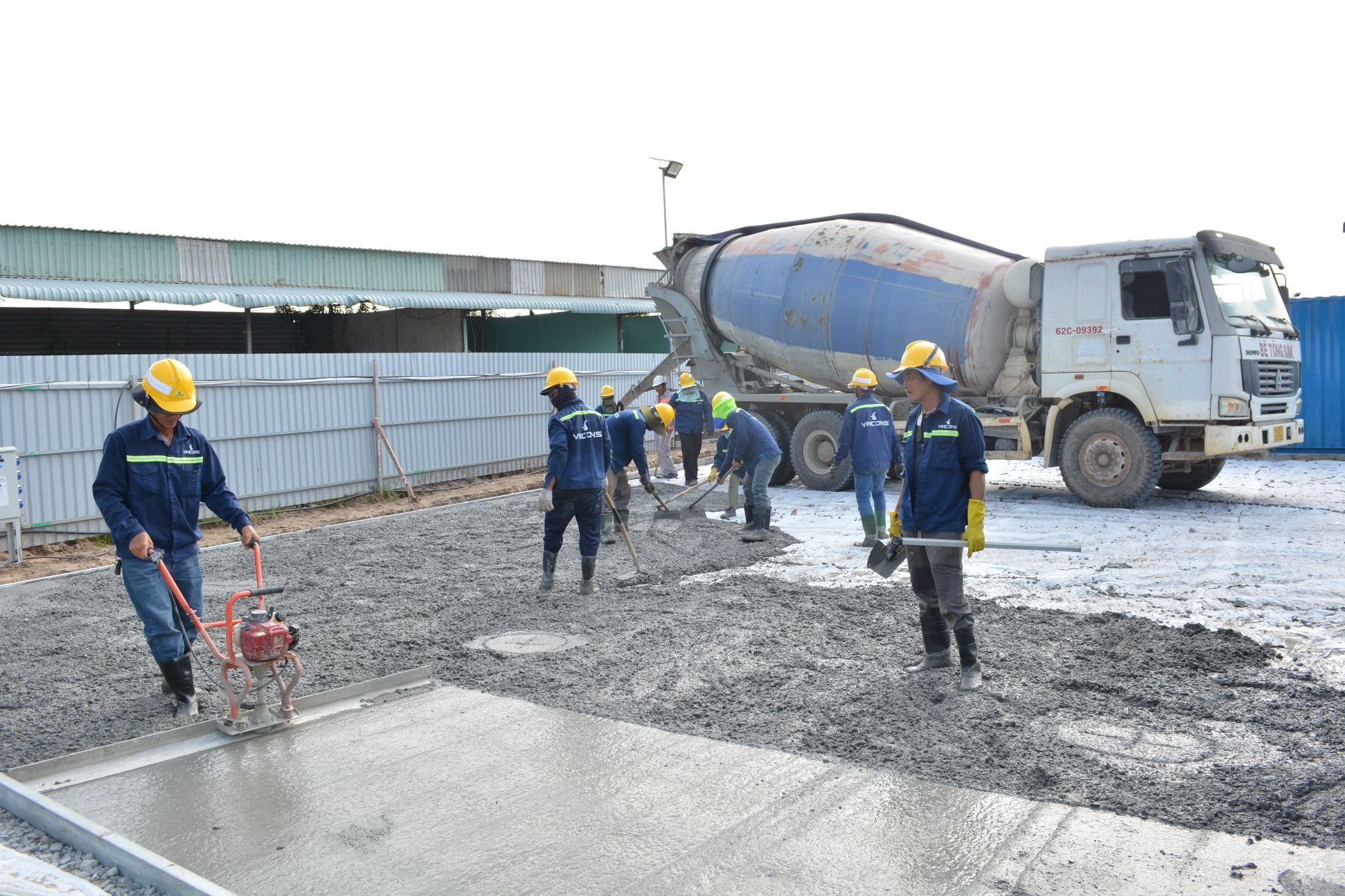
Choose concrete when the ownership horizon is long, the traffic is heavy, or the maintenance budget is thin. It carries loaded trucks without rutting, doesn’t soften in July heat, and skips the sealcoating cycle asphalt needs every few years. The trade-off is first cost: concrete runs well above asphalt parking lot construction on day one and earns it back over a 30-year life.
Churches, schools, self-storage, and industrial sites tend to go full concrete. Retail and multifamily owners often choose a hybrid: asphalt stalls with concrete drive lanes, dumpster pads, and loading aprons. If your existing asphalt is tired rather than failed, asphalt repair and sealcoating are the cheaper first conversation, and we’ll say so.
One more honest filter: asphalt flexes over soft spots; concrete cracks over them. On the collapsible bench soils and expansive clays the Utah Geological Survey maps across the Wasatch Front, a concrete lot gets a more thorough subgrade investigation than an asphalt one would — before anyone prices it.
What goes into a concrete parking lot
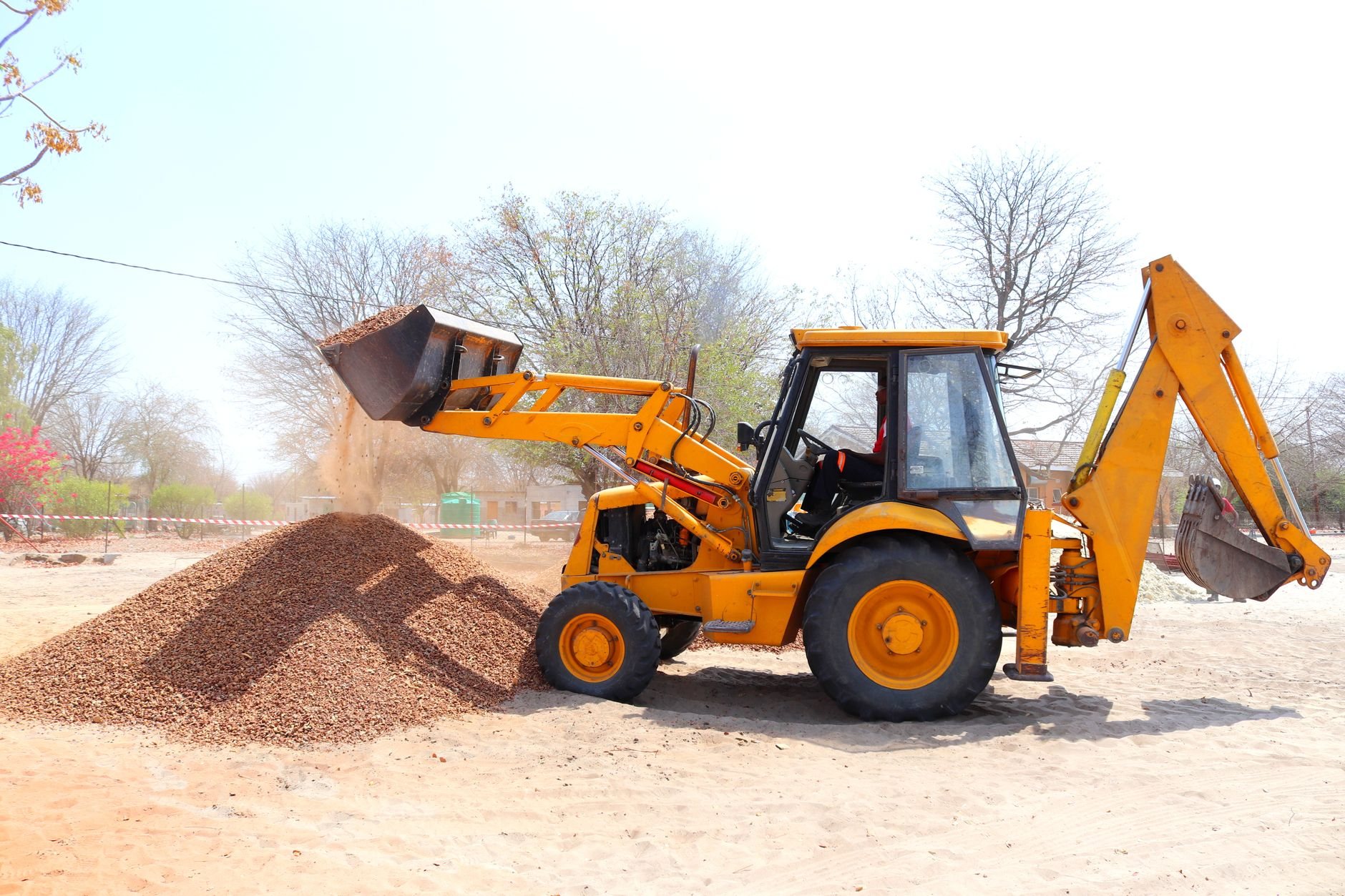
- Subgrade and base. We strip topsoil and failed pavement, proof-roll the subgrade with a loaded truck, and over-excavate anything that pumps. Then 6 to 8 inches of compacted road base, graded to the finished slope so the slab is uniform thickness everywhere — uneven thickness is where random cracks start.
- Thickness by load. Passenger-car stalls are typically placed at 5 to 6 inches; drive lanes, truck routes, dumpster pads, and loading docks at 7 or 8. One lot can carry both — we draw the zones on the plan rather than pouring everything to the heaviest spec.
- The mix. Exterior concrete along the Wasatch Front has to be air-entrained — roughly 5 to 7 percent — so the 100-plus freeze–thaw days a year have somewhere to push expanding water without spalling the surface. We specify a 4,000 psi mix with a low water-cement ratio, reinforced with fibers, welded wire, or rebar by load zone.
- Joints. Concrete will crack; joints decide where. Control joints are sawcut within hours of finishing, spaced at roughly 12 to 15 feet for a 6-inch lot, laid out so panels stay close to square. Doweled construction joints carry truck loads across the seams between pours. We are fond of straight lines and straight answers.
- Finish, cure, and seal. Broom finish for traction, curing compound the same day, joints sealed once the slab dries so meltwater and de-icer stay out of the base. Then stalls, arrows, and fire lanes — see parking lot striping for what survives plow season.
Drainage, curbs, and accessible stalls are part of the slab
A concrete lot can’t be re-graded later the way asphalt can be overlaid, so drainage has to be right the first time. We design at least one percent fall across every panel, two percent where a summer monsoon cloudburst needs to clear an inch of rain in an hour, and set catch basins at the low points before the base goes in. Curb and gutter pours as part of the same scope, which keeps the slab edge from undermining.
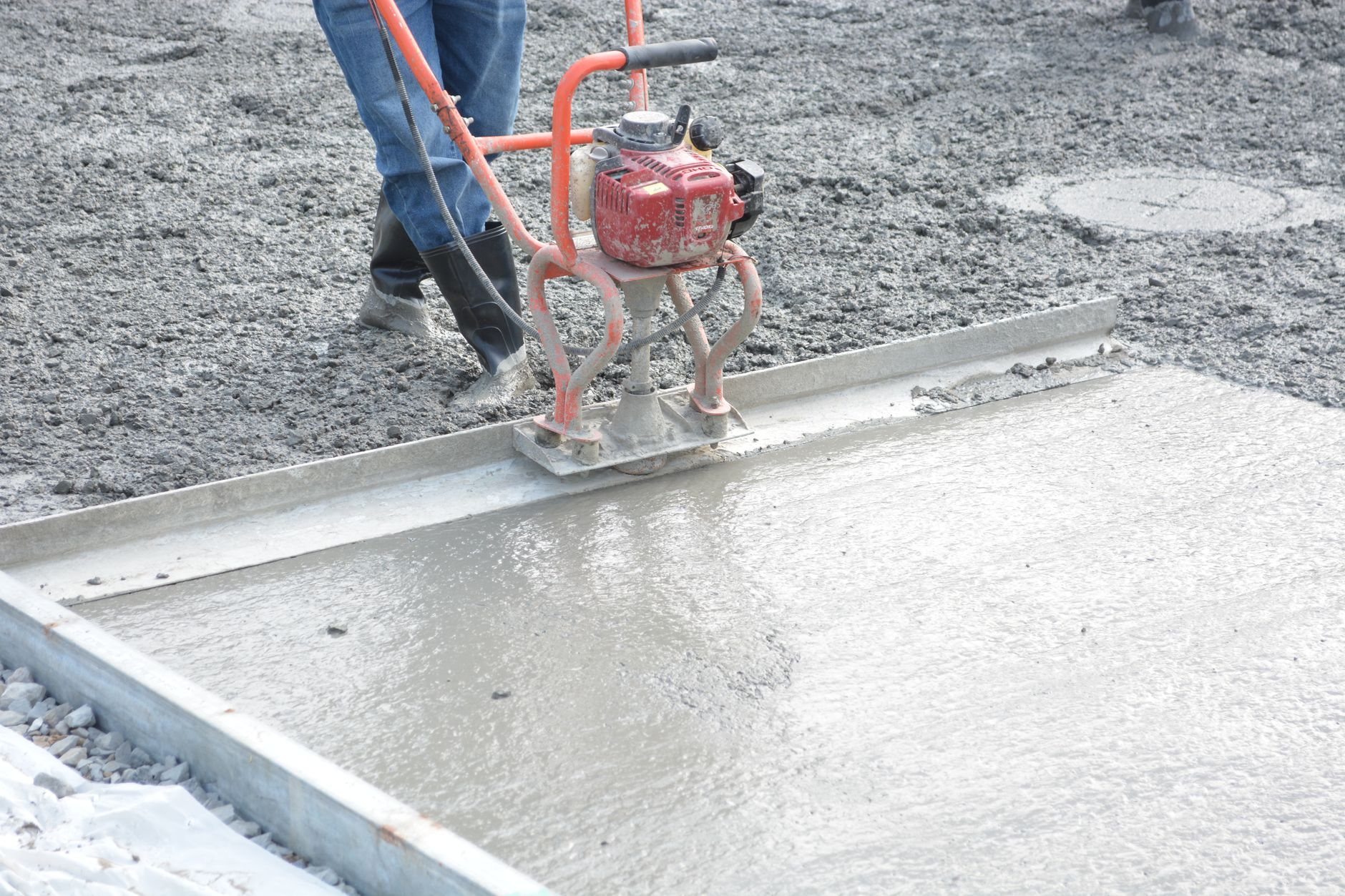
Accessible parking is where a concrete lot is held to the tightest tolerance. Stalls and access aisles can’t exceed a 1:48 slope in any direction under the ADA parking requirements, and a panel finished a half-inch off over twenty feet is permanently out of compliance. We form and screed those panels separately and check them before the concrete sets — details on our ADA parking and access aisle page.
This work sits inside our paving services, part of site, structure and envelope.
What does a concrete parking lot cost in Utah?
As a ballpark planning number, not a promise: standard-duty concrete parking lots in Utah County and Salt Lake County typically run $8 to $14 per square foot installed, with heavy-duty truck lanes and dumpster pads above that. We give a budget range after a site walk and a firm estimate once the plan is drawn. The levers that move the number:
- Demolition and haul-off. Removing an existing lot is a real line item — see concrete demolition.
- Subgrade correction. Over-excavating soft clay and importing road base is the most variable cost on a Wasatch Front lot, and the one worth paying.
- Thickness zoning. Pouring 6 inches where cars park and 8 where trucks drive costs less than 8 everywhere.
- Phasing. Keeping a business open during construction means more pours and mobilizations. Often worth it; never free.
- Season. Concrete needs ground and air above about 40°F to cure. Late-fall pours need blankets and accelerators; winter pours are usually a bad idea here.
Questions we actually get
How long does a concrete parking lot last in Utah?
Thirty years is a reasonable expectation, and well-built lots go longer. The variables are base preparation, air entrainment, joint sealing, and de-icer use — salt and magnesium chloride scale concrete that wasn’t air-entrained. A properly jointed lot mostly needs joint resealing every several years.
Why did my old concrete lot crack if concrete is supposed to last?
Usually one of three things: joints spaced too far apart, a base that settled or heaved, or a mix without enough entrained air. Random cracking points at the base; cracks between joints point at spacing; surface flaking points at the mix. We can tell which you have on a site walk.
Can we replace only the drive lanes with concrete and keep the asphalt stalls?
Yes, and it’s one of the smartest configurations for a retail or multifamily lot. Concrete lanes and dumpster pads take the truck loads; asphalt stalls stay cheap to build and resurface. The seam between materials needs a thickened concrete edge and careful grading so water doesn’t pool there.
How soon can cars park on a new concrete lot?
Light passenger traffic is usually fine after seven days; trucks and dumpster pickup should wait for design strength, typically 28 days. Striping goes on once the surface is dry enough for paint to bond, often two to four weeks after the pour depending on weather.
Tell us what you’re working on
Send us the address, the traffic the lot carries, and how long you plan to own it — you’ll get a straight read on concrete versus asphalt, scope, and budget before anyone commits. We reply within a couple of hours during business hours, a day at most.