
Outdoor kitchen utility runs in Utah
Utility runs are the trenched gas, water, drain, and electrical lines that make a patio a place you can actually cook. Grandview holds the contract under a B100 general contractor license and manages licensed gas fitters, plumbers, and electricians for the runs — inspected and buried before any slab or veneer goes in.
When the utility runs are the project
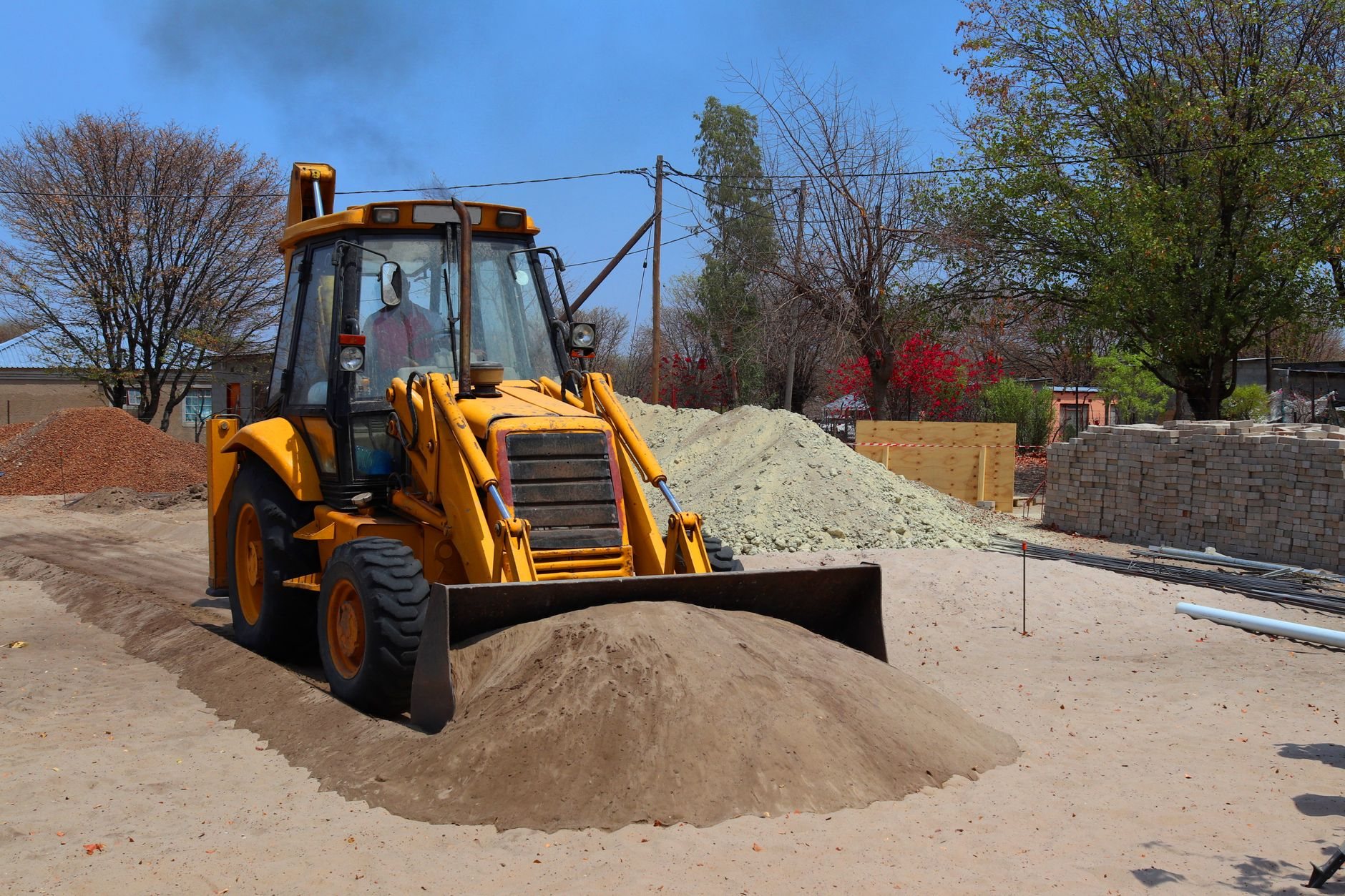
Most of our outdoor kitchen work includes utilities as one line in a larger scope. This page is for when the runs are the scope: you have a patio and a layout, and what’s missing is a hard-piped gas stub where the grill will sit, a real sink supply, and outlets that aren’t an extension cord through a window. Or a built-in grill island or full outdoor kitchen is planned for next year and you want the trenches done while the yard is already open. If a pizza oven or roof structure is in the plan, the runs get sized for those now, because adding them after the pour means cutting the slab.
Gas: sizing the line before anyone digs
The gas run starts at the meter, not the grill. A licensed gas fitter totals the BTU load of everything you plan to connect — a built-in grill head alone is often 60,000 to 100,000 BTU, and a side burner, griddle, or gas pizza oven stacks on top — then checks whether your meter and house piping can carry it alongside the furnace and water heater. Sometimes the answer is a meter upgrade from the gas utility, which has its own lead time and belongs at the front of the schedule.
Underground, the line is typically polyethylene gas pipe with tracer wire, rising to steel through anodeless risers at the island, with an accessible shutoff at the appliance. It’s pressure-tested and inspected before backfill. Propane works where there’s no natural gas service, but it changes the orifices, regulator, and tank siting, so settle the fuel before the layout is final.
Water and drain: the part people forget to winterize
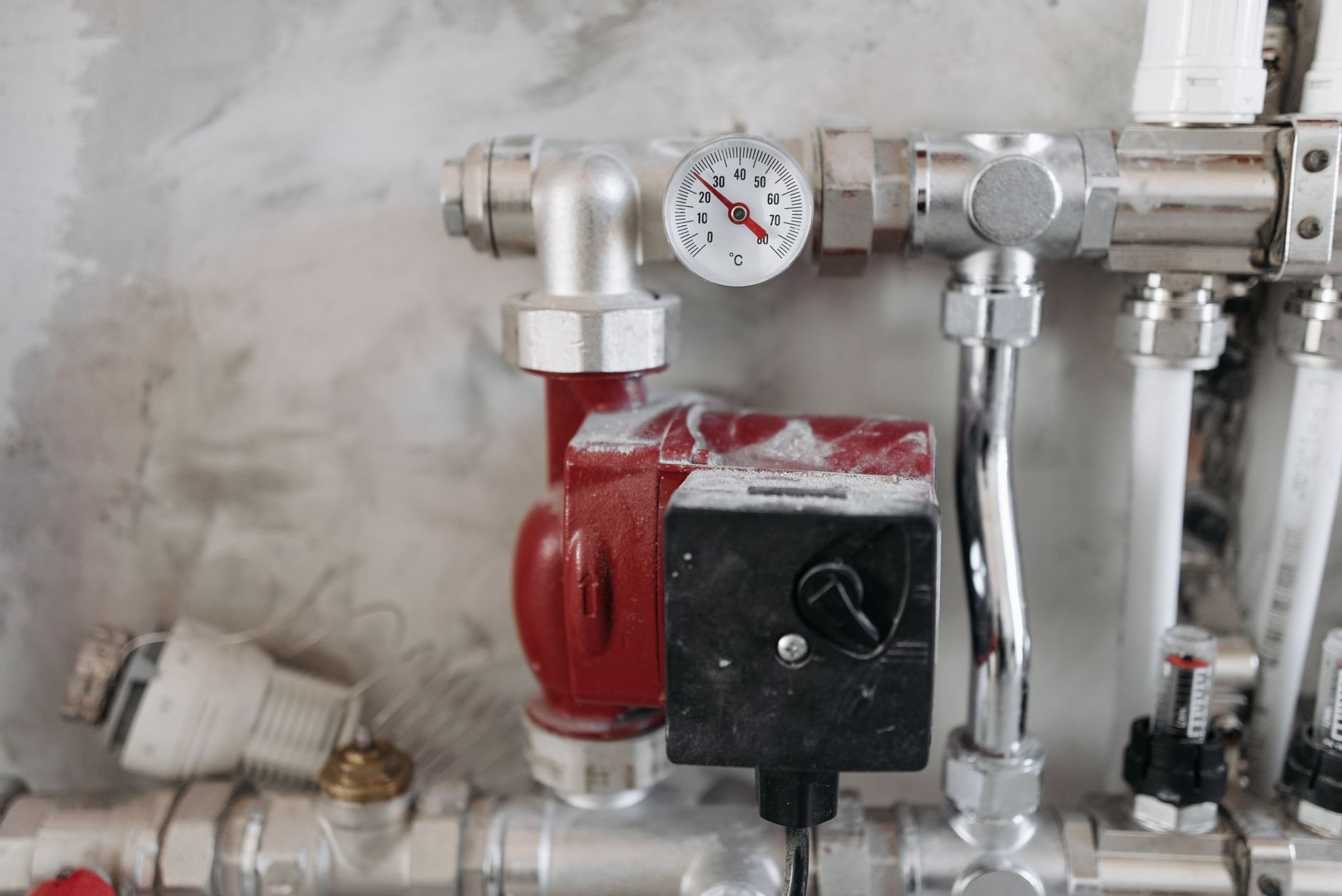
An outdoor sink needs a supply line that can be emptied in October and a drain that goes somewhere legal. The supply runs below your city’s frost depth, with an interior shutoff and a drain-down or blowout fitting so it can be cleared before the first hard freeze. Along the Wasatch Front that isn’t optional — a line left charged through 100-plus freeze–thaw days will split, usually under the slab.
Where the sink drains is a city-by-city question. Some Utah jurisdictions allow a dry well for a hand sink; many want it tied into the sanitary sewer, which means a deeper trench and a plumbing permit. We confirm with your building department before pricing, not after. Utah’s hard water also scales up outdoor fixtures fast, so we spec faucets and ice-maker lines for it.
Electrical: more circuits than you’d guess
A grill island with a refrigerator, rotisserie motor, lighting, and a couple of outlets usually wants more than one circuit. Outdoor receptacles require GFCI protection and weatherproof in-use covers under current Utah-adopted code, and an outdoor refrigerator generally gets a dedicated circuit so it doesn’t trip when the blender runs. Long runs are sized for voltage drop; a kitchen at the far corner of a big lot is sometimes better fed from a small subpanel than from a dozen home runs to the house. Conduit shares the trench where spacing rules allow, with stubs brought up inside the island footprint so nothing shows on the veneer. A spare conduit for landscape lighting rides along for almost nothing — and costs ten times more to add after the patio is finished.
How a utility run gets built
- Load calc. Model numbers for everything gas or electric, so the trades size for the real load.
- Permits and locates. Gas, plumbing, and electrical permits under our contract; Blue Stakes marks existing lines.
- Trench and bed. One trench where possible, routed around roots and sprinkler mains.
- Rough-in and inspection. Pressure test on gas, inspections on all three trades, photos before backfill.
- Backfill in lifts. On our collapsible bench soils, a loose trench under a patio is a dip waiting to happen.
- Final connections. Appliances set, GFCIs tested, the sink line drained once to prove it can be.
What moves the cost of outdoor kitchen utilities
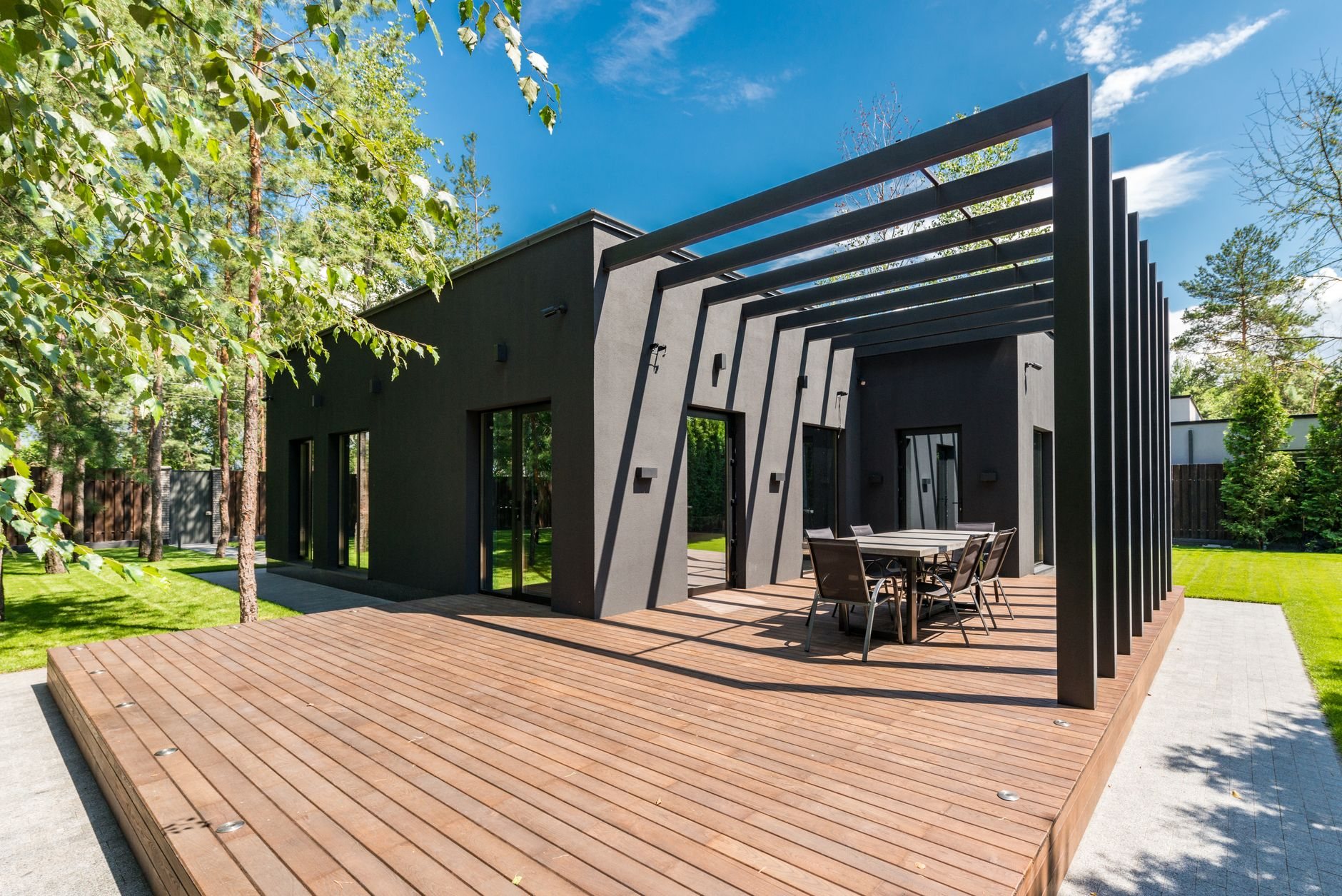
Distance first — every foot from the meter and panel is trench, pipe, conduit, and landscape repair. Then what the trench crosses: lawn is cheap, an existing patio or paver walkway is not. Then the meter question, the drain decision, and circuit count. As ballpark planning numbers, not a promise: a short gas-and-electrical stub to an island near the house runs in the low thousands of dollars in Utah; a full gas, water, sewer, and subpanel package across a large lot can reach well into five figures before any masonry is built. Budget range after a site walk; firm estimate once the appliance list is fixed.
Every trade on the runs is licensed, and so are we — Utah DOPL B100 #14282236-5501, verifiable at dopl.utah.gov. Problems happen. Surprises should not.
Questions we actually get
Do outdoor kitchen gas and electrical lines need a permit in Utah?
Yes, in nearly every city we work in. New gas piping, circuits, and plumbing are permitted and inspected work. Requirements vary — verify with your building department, or let us pull the permits as part of the project. Inspections happen before the trench closes, so nothing gets dug up later.
What’s the biggest cost variable in an outdoor kitchen utility run?
Distance from the meter and electrical panel, followed by what the trench has to cross. A kitchen twenty feet from the house on bare lawn is a modest job; one at the far fence through an existing patio is a different budget. We price the runs first so the layout can respond to the number.
Will the water line to my outdoor sink freeze?
Not if it’s built to be drained. The supply runs below frost depth with an interior shutoff and a drain-down or blowout fitting, and we show you how to clear it each fall. A line that can’t be emptied will eventually split under the slab, where it’s most expensive to fix.
Where the runs usually lead
This scope often pairs with grading and drainage or a new concrete patio on top; for gas work beyond the kitchen, see gas line installation. All of it sits inside our site, structure and envelope family.
Tell us where the grill is going
Send the appliance list and a photo of the yard showing the meter and panel, and we’ll give you a straight read on routing, permits, and budget. We reply within a couple of hours during business hours — a day at most.