
Outdoor Pizza Ovens in Utah County
An outdoor pizza oven is a masonry appliance: a refractory cooking chamber, inches of insulation, a chimney, and a base heavy enough to carry it, all built to hold 700-plus degrees in a Utah backyard. Grandview builds wood-fired and gas pizza ovens as permitted, engineered structures under a B100 general contractor license.
When a built-in oven is the right call
A grill cooks at 400 to 600 degrees over direct flame. A pizza oven cooks at 700 to 900 in a dome that stores heat in its mass and radiates it back, which is why a Neapolitan pie finishes in ninety seconds. A portable oven on a cart won’t hold that heat long enough to feed a crowd.
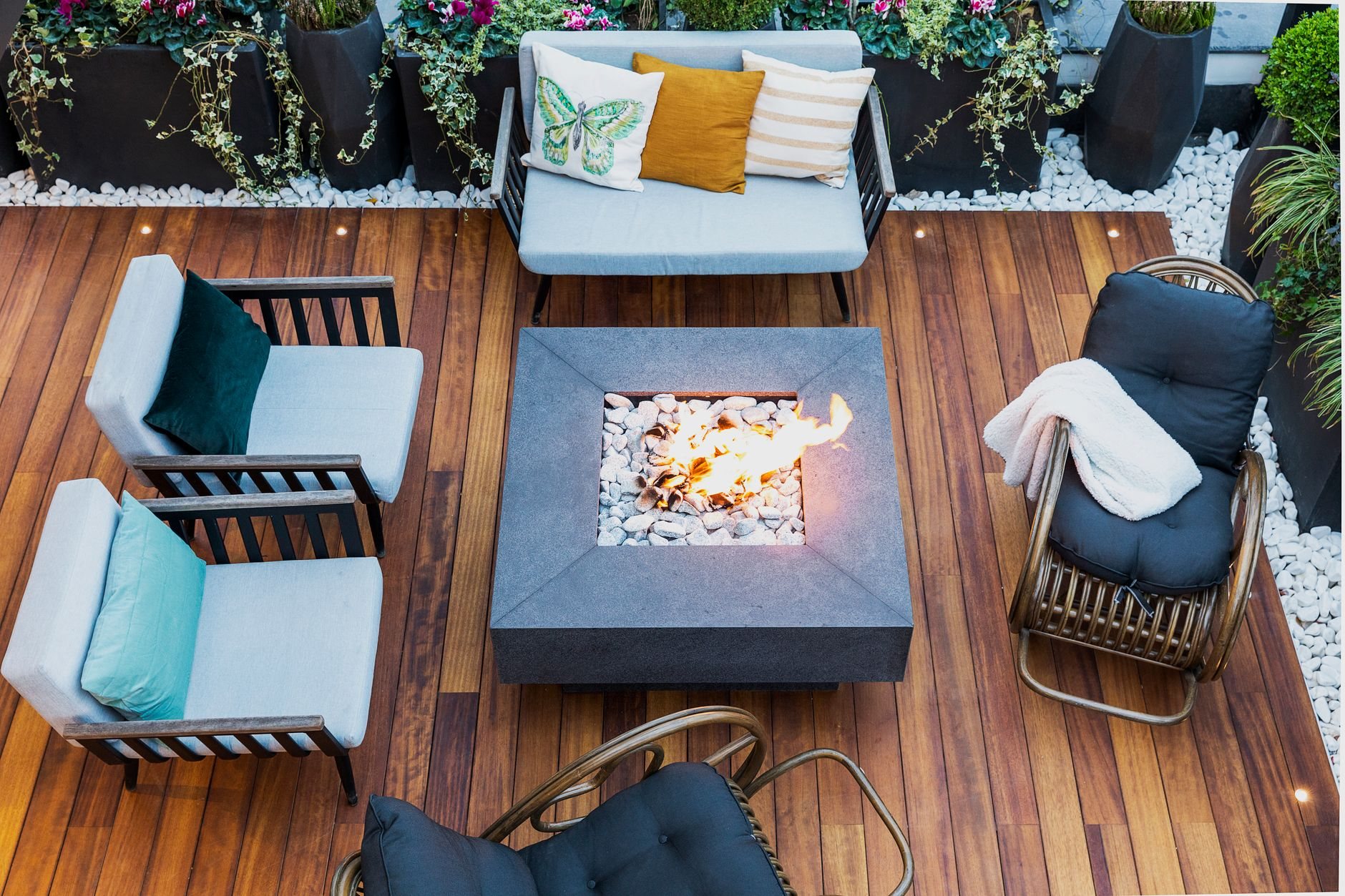
If a grill is the main event and the oven is a maybe, start with a built-in grill island and leave a stubbed footing for the oven later. If you want cooking, prep, refrigeration, and the oven together, that’s a full outdoor kitchen, and the oven becomes one station in the layout. And if what you’re after is a fire to sit around rather than cook in, an outdoor fireplace or fire pit is the cheaper, better answer.
What goes into a pizza oven that lasts
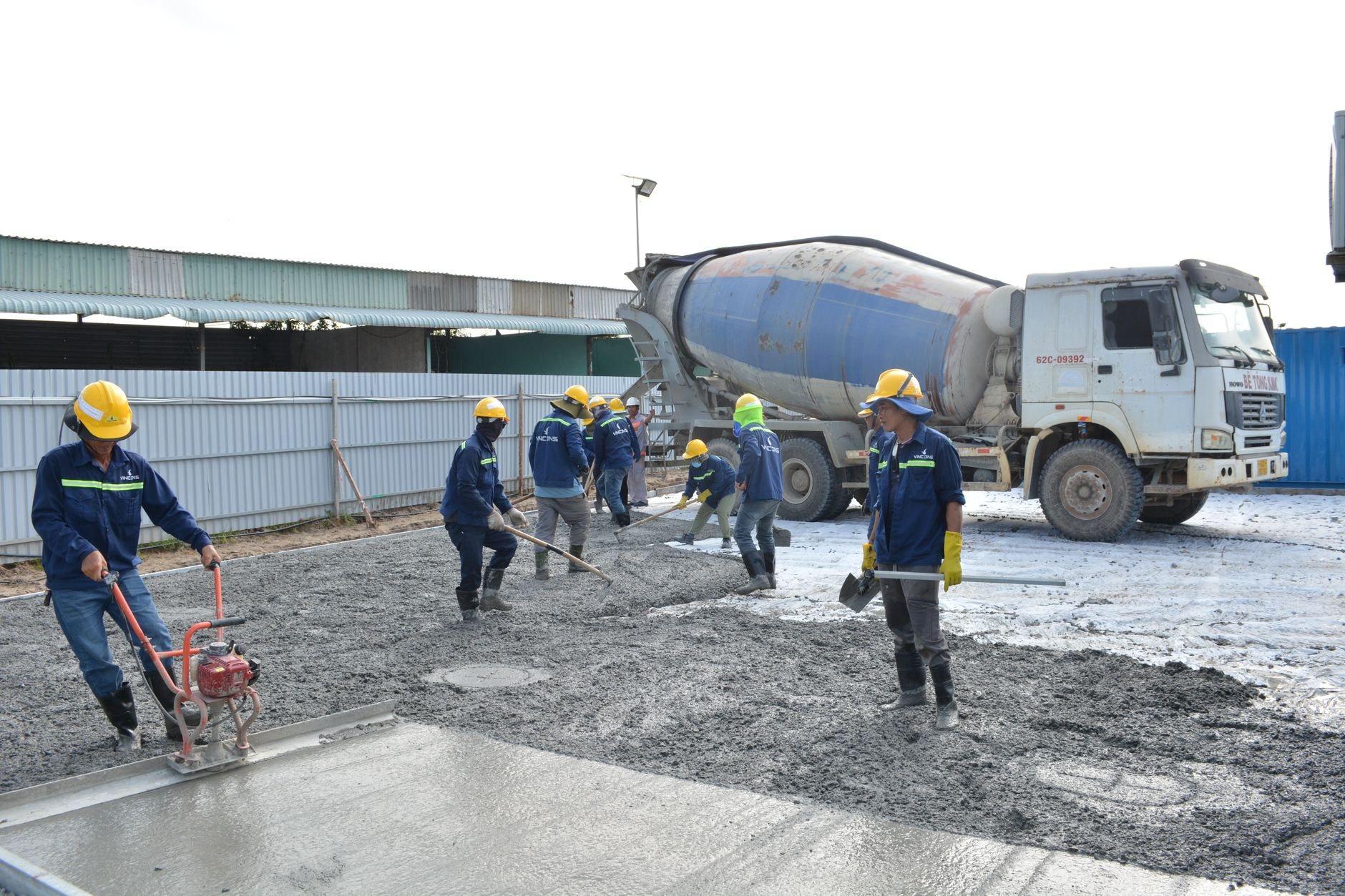
The base. A finished oven with its enclosure can weigh 1,500 to 3,000 pounds on a few square feet, so it never sits on a patio slab that wasn’t designed for it. We pour a dedicated footing below frost depth, then build a CMU stand with a reinforced hearth slab at working height, usually 40 to 46 inches. A domed oven that moves cracks. Utah County bench lots often sit on the expansive and collapsible soils the Utah Geological Survey has mapped, and on those sites the footing is sized to the soil, not to a generic detail.
The insulated hearth. Between the concrete and the firebrick cooking floor goes calcium silicate board or vermiculite concrete. Skip it and the slab pulls heat out of the floor all night: the oven never reaches temperature and the concrete eventually spalls from thermal cycling.
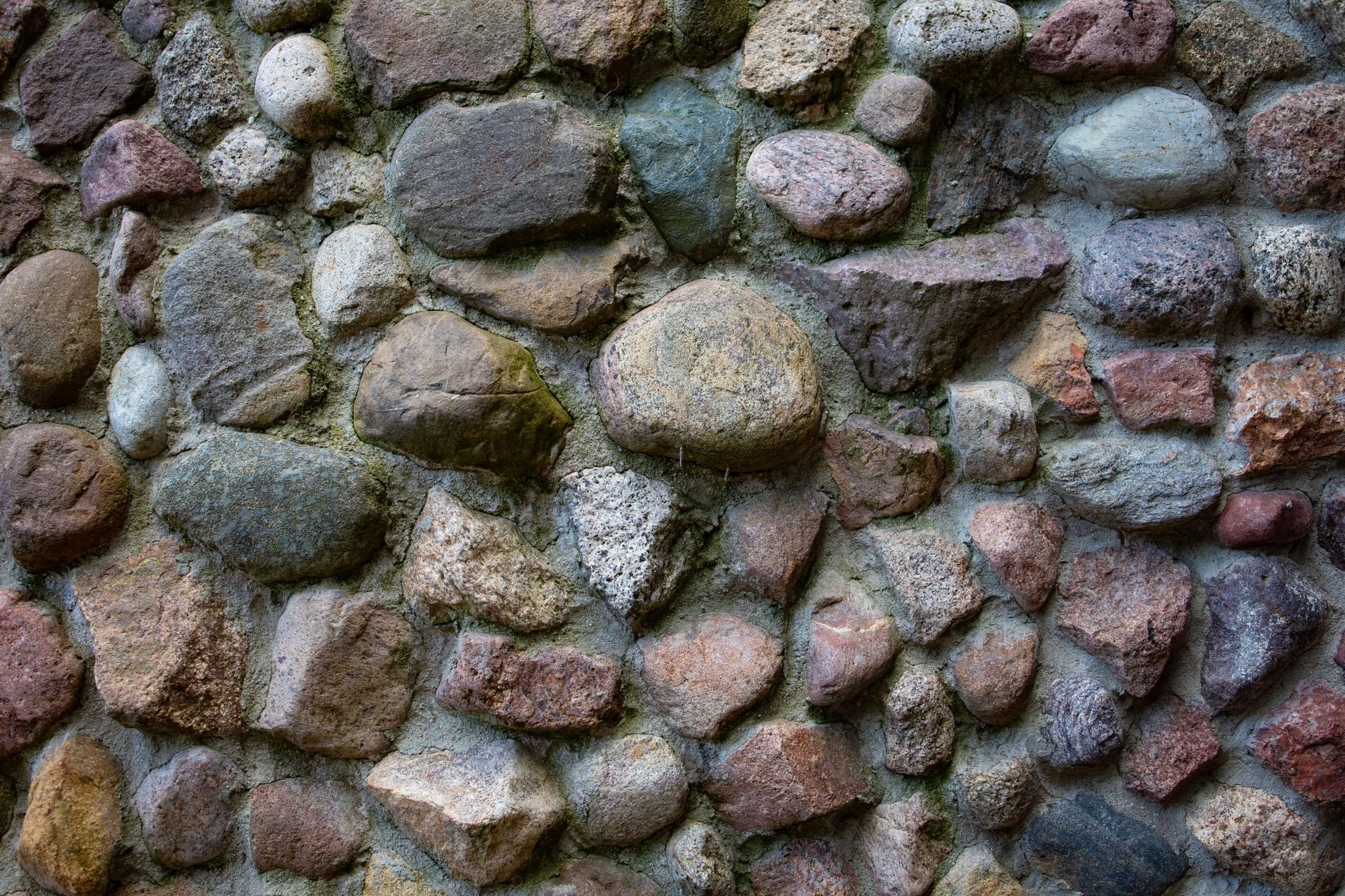
The dome. Either a modular refractory kit (precast sections set in refractory mortar, the usual choice for Utah homes) or a site-built brick dome laid course by course. Both get wrapped in ceramic fiber blanket and a vermiculite render, 3 to 4 inches total, before anything decorative goes on. That blanket is what lets the oven hold 500 degrees the morning after a bake.
The flue. A stainless chimney, double-wall where it passes anything combustible, with a cap and damper. On bench lots we orient the mouth and size the chimney for canyon wind, because a downdraft into the dome fills the cooking area with smoke.
The enclosure. A stuccoed igloo, a square masonry box with a veneered face, or a timber-and-metal hood, carrying through the countertop and veneer choices from the rest of the kitchen.
Wood-fired, gas, or both
Wood-fired ovens need only a flue and a dry wood niche, which we build in under the hearth. Gas ovens light in a minute and hold temperature without tending, at the cost of a gas line; dual-fuel ovens use a burner for heat-up and wood for flavor. For gas, Grandview holds the contract and manages a licensed gas fitter for the line and connection; we sequence the trench before the footing is poured and check the pressure test before any veneer goes on, as part of our outdoor kitchen utilities scope.
At 4,500 feet a wood fire draws differently than the manufacturer’s sea-level instructions assume, so we size the flue for it. A new refractory dome also needs a curing week of small fires stepping up in size before the first real bake; rushing that is how a new dome cracks.
What does an outdoor pizza oven cost in Utah?
As ballpark planning numbers, not a quote: a modular refractory oven on a masonry base with a stuccoed enclosure typically lands in the high four figures to low five figures in Utah County, with the oven core itself a third to half of that. A hand-laid brick dome, stone veneer, a gas line, or a footing cut through an existing patio each push the number up. Roofing the oven makes it a covered outdoor kitchen project with snow-load engineering, and the budget follows.
The drivers, in order: oven size (a 32-inch dome versus a 42-inch), enclosure finish, fuel choice and distance to the gas meter, and site access for block and concrete. You get a budget range after a site walk and a firm estimate once the oven model and finish are chosen. Our license is a Utah DOPL B100, #14282236-5501, verifiable at dopl.utah.gov.
Questions we actually get
Can you set a pizza oven on my existing patio?
Usually not directly. A standard 4-inch patio slab isn’t designed for 2,000 pounds on a few square feet, especially with our freeze–thaw cycling. We saw-cut the slab, excavate a dedicated footing below frost depth, and build the base up from there. Only the oven’s footprint is opened.
How far does a pizza oven need to be from the house?
The chimney needs clearance from combustible siding, eaves, and any roof or pergola above it, and the flue has to terminate above nearby structures. Requirements vary by city and by oven model; we design to the manufacturer’s listing and the current Utah-adopted code and confirm with your building department.
Do I need a permit for an outdoor pizza oven in Utah County?
Often, yes. The footing and masonry base are generally permitted work, and a gas line always is. A plain wood-fired oven on a new base may or may not need one depending on the city. Verify with your building department, or let us pull it as part of the project.
Will the oven survive winter if it’s not covered?
Yes, built correctly. The dome is wrapped in ceramic insulation inside a weatherproof enclosure, the hearth slab is air-entrained concrete, and a cap keeps snowmelt out of the flue. The one winter rule: never light a big fire in a dome that’s been soaked, because trapped moisture turns to steam and cracks refractory. Warm it slowly.
Pizza ovens are one scope in our outdoor kitchen work, inside the site, structure and envelope family.
Tell us what you want to bake
Send a photo of the patio and the oven you’ve been eyeing, and we’ll give you a straight read on base, flue, fuel, and budget. We reply within a couple of hours during business hours, a day at most.