
Gas Line Installation
A gas line installation runs new natural gas piping from your meter to an appliance that doesn’t have it yet — a range, a tankless water heater, a fireplace, a patio firepit, a standby generator — sized, pressure-tested, and inspected. Grandview Contractors holds the contract and manages licensed gas-fitting plumbers across Utah County and Salt Lake County; we sequence and quality-check the work under our B100 general contractor license.
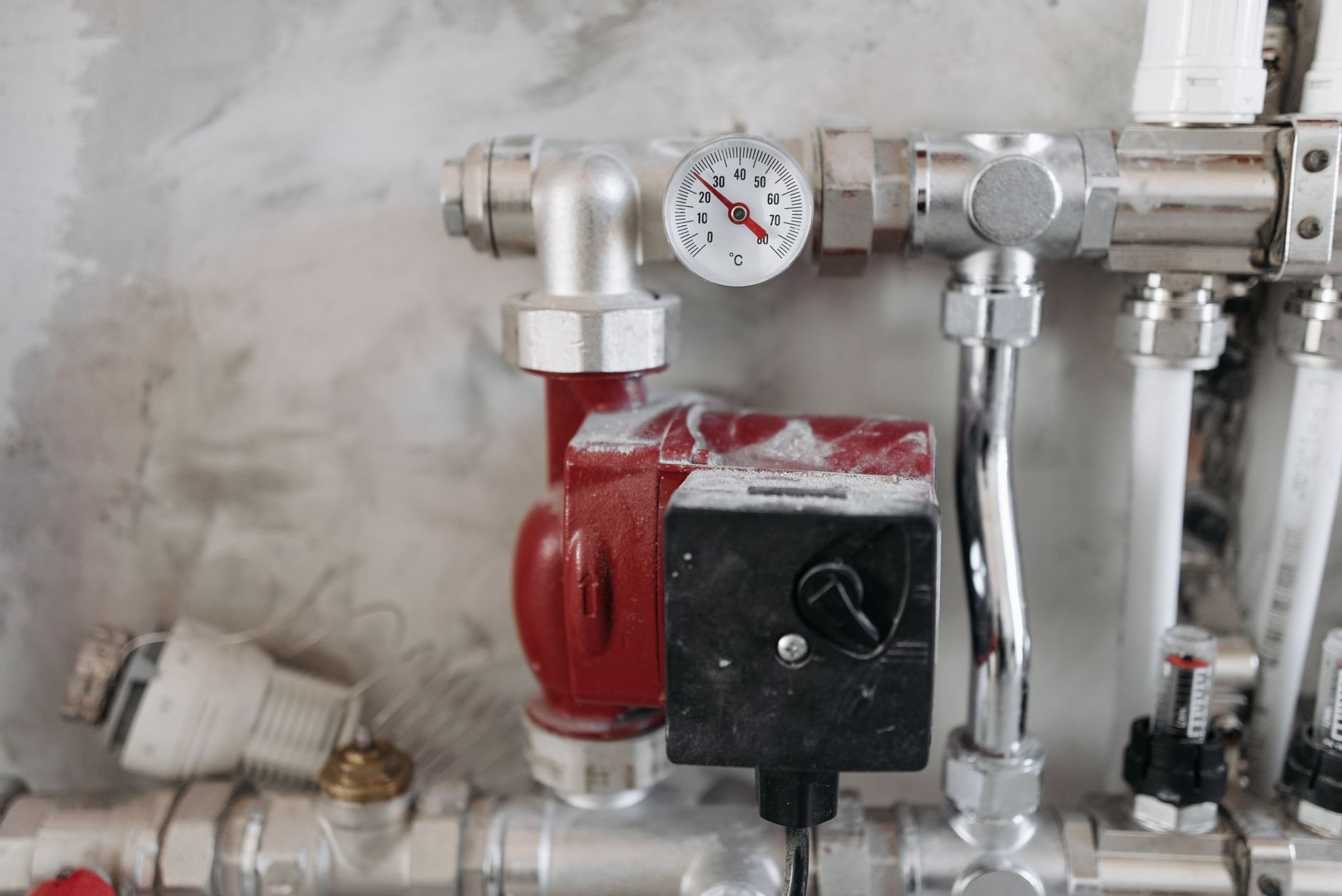
When a new gas line is the job — and when it’s part of a bigger one
This page is for the piping itself: a new branch or run where there wasn’t one. The usual triggers are an electric range going gas during a kitchen remodel, a patio firepit, a fireplace insert in a basement finish, or an appliance that outruns the existing pipe size.
If the appliance is the point, start at water heater installation, where a tankless swap often includes a line upsize, or standby generator installation, where the gas run is coordinated with the pad and transfer switch. Kitchen or bath plumbing moving along with the gas sits under remodel plumbing. A buried run across the yard is trenched like our sewer and drain lines — one contract, not two.
Utah requires gas piping to be installed by a licensed plumbing or gas-fitting contractor. Grandview coordinates those trade partners, pulls the permit, schedules the inspection, and signs off on the result. Our license and theirs are verifiable at dopl.utah.gov.
Black iron, CSST, or buried polyethylene — which pipe goes where
Black iron (Schedule 40 steel) is the default for exposed runs in basements, mechanical rooms, and garages: threaded, rigid, and tolerant of abuse. Every change of direction is a fitting, so it’s slower.
CSST (corrugated stainless steel tubing) snakes through finished walls and joist bays with far fewer joints, which is why it dominates remodel work where the drywall stays put. Two non-negotiables: it must be bonded to the home’s grounding electrode system, and it needs striker-plate protection through framing. Given the Wasatch fault, its flexibility at appliance connections is a genuine advantage.
Polyethylene (PE) goes underground — to a firepit, outdoor kitchen, detached shop, or generator pad. It’s laid with tracer wire, transitions to steel through an anodeless riser before leaving the ground, and sits below the frost-affected depth. With 100-plus freeze–thaw days a year along the Wasatch Front, cover depth and trench bedding are structural items, not afterthoughts.
Every run gets a sediment trap and shutoff at each appliance, and pipe sized by the longest-run method from the total connected load — a tankless water heater alone can demand 150,000–199,000 BTU/hr, more than a furnace and range combined. Heavy loads or long runs sometimes make a 2-psi system with a step-down regulator smarter than upsizing pipe everywhere.

What a gas line installation involves, in order
- Load and meter check. We total the BTU input of every existing and planned appliance against what your meter can deliver. A generator or tankless heater on a standard meter often means the gas utility must upsize it — a request that takes weeks and goes on the schedule first.
- Route and size. The licensed gas fitter maps the run, picks the material by location, and sizes each segment. Utah County sits near 4,500 feet, where gas appliances lose roughly four percent of rated output per 1,000 feet of elevation; some need a high-altitude conversion kit.
- Permit. New gas piping needs a permit and an inspection in every city we work in. We pull it under the project permit where there is one.
- Install. Pipe, hangers, trenching if buried, firestopping, CSST bonding, drip legs, and shutoffs — checked against the sizing sheet before inspection is called.
- Pressure test and inspection. The new piping is capped, pressurized with air to many times its working pressure (a home’s gas supply runs at about a quarter of a psi), and held on a gauge for the inspector. Zero drop is the only passing grade.
- Connect and commission. After the pass, the appliance is connected, the system purged, every joint leak-checked under gas, and the appliance fired and checked for flame and draft.
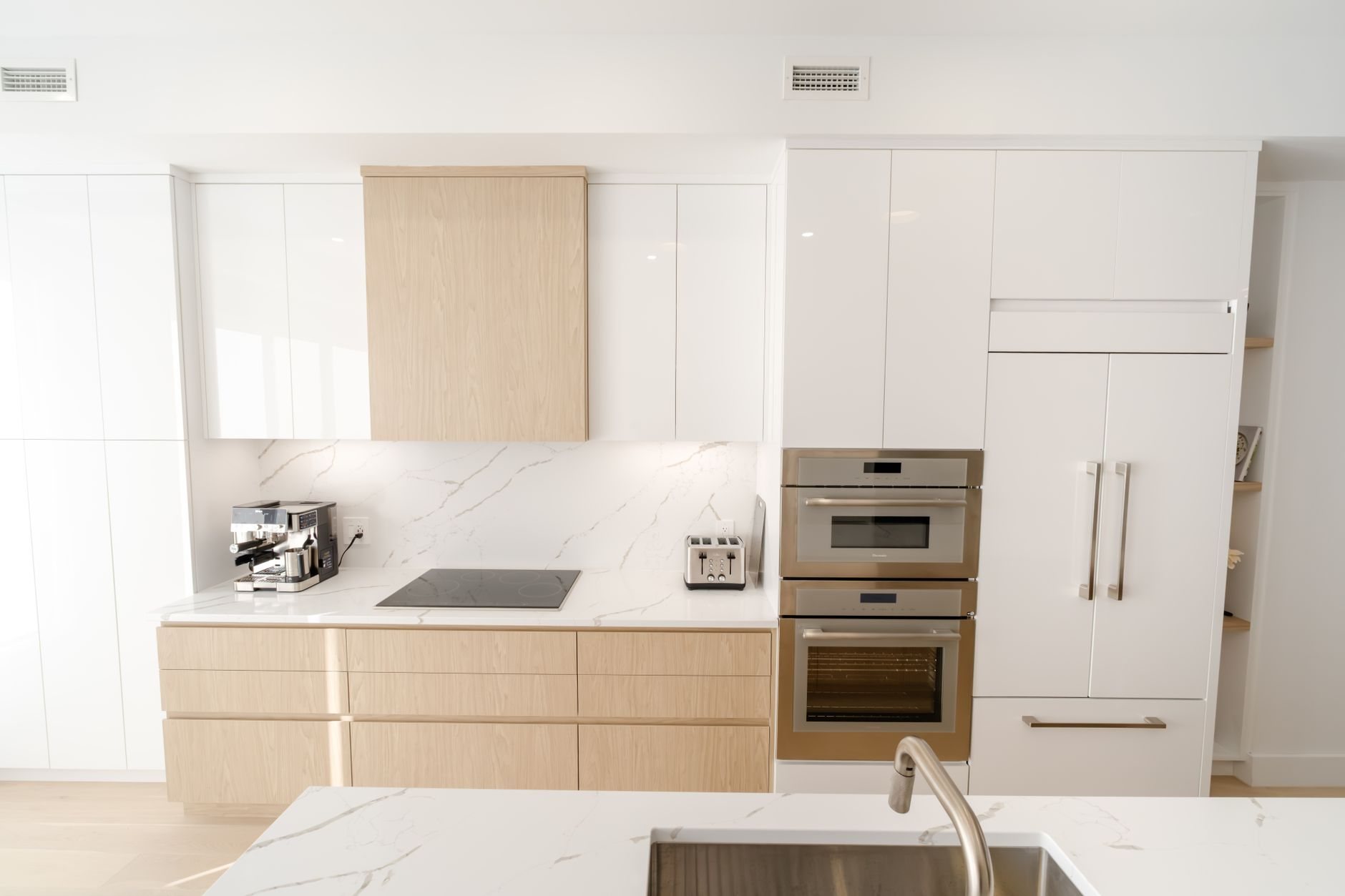
What does a gas line installation cost in Utah County?
Ballpark planning numbers: a short interior extension to a nearby range or dryer typically lands around $500–$1,500 including permit and inspection. A long run, a branch sized for a tankless heater, or a buried line to a firepit or generator pad more commonly runs $1,500–$4,500, with trenching and distance from the meter doing most of the moving. A meter upgrade is billed separately by the utility.
Up: finished walls instead of open framing, crossing concrete, a 2-psi system with regulators, a meter that can’t carry the added load. Down: running the gas while walls are already open for a remodel, and grouping appliances so one branch serves several. We price it as a defined line item — budget range, then estimate, then fixed proposal — never an allowance that grows later.
Gas piping runs inside our MEP and systems coordination, under the renovation and build-out family. Outdoor runs often pair with an outdoor kitchen build, where gas, concrete, and masonry are sequenced by one team.
Questions we actually get
Can my existing gas line handle a new tankless water heater or generator?
Often not without changes. Tankless heaters and standby generators are the two largest gas loads in most homes, and a line sized years ago for a furnace and range may be too small — or the meter may be. We run the load calculation first, so you know whether it’s a branch, an upsize, or a meter request before any pipe is bought.
Do I need a permit to add a gas line in Utah?
Yes. New or extended gas piping requires a permit and a pressure-test inspection in every city across Utah County and Salt Lake County; the model rules come from the International Fuel Gas Code as adopted by Utah. We pull the permit and confirm local specifics, like test duration, with your city’s building department.
How deep does a buried gas line have to be?
Deep enough to stay below damage and frost movement — commonly 12 to 18 inches of cover for polyethylene on residential lots, with the local building department setting the exact figure. We trench to the inspector’s number, bed the pipe in clean fill, lay tracer wire, and bring it above grade through a protected riser.
Should I add an earthquake shutoff valve?
It’s optional, and worth considering here. A seismic shutoff valve mounts at the meter and closes automatically under strong ground motion, which matters along the Wasatch fault. It adds a modest cost alongside a new line, and the gas utility has its own rules for anything at the meter, so we coordinate that approval.
Tell us what you’re working on
We reply within a couple of hours during business hours — a day at most. You’ll get a straight read on scope, sequence, and budget before anyone commits to anything.