
Gravel & Pea Gravel Patios in Utah
A gravel patio is a shallow layer of pea gravel or crushed fines over a compacted stone base, held in place by rigid edging. It’s the lowest-cost patio surface there is and the only one that never heaves, and Grandview designs and installs them under a B100 general contractor license.
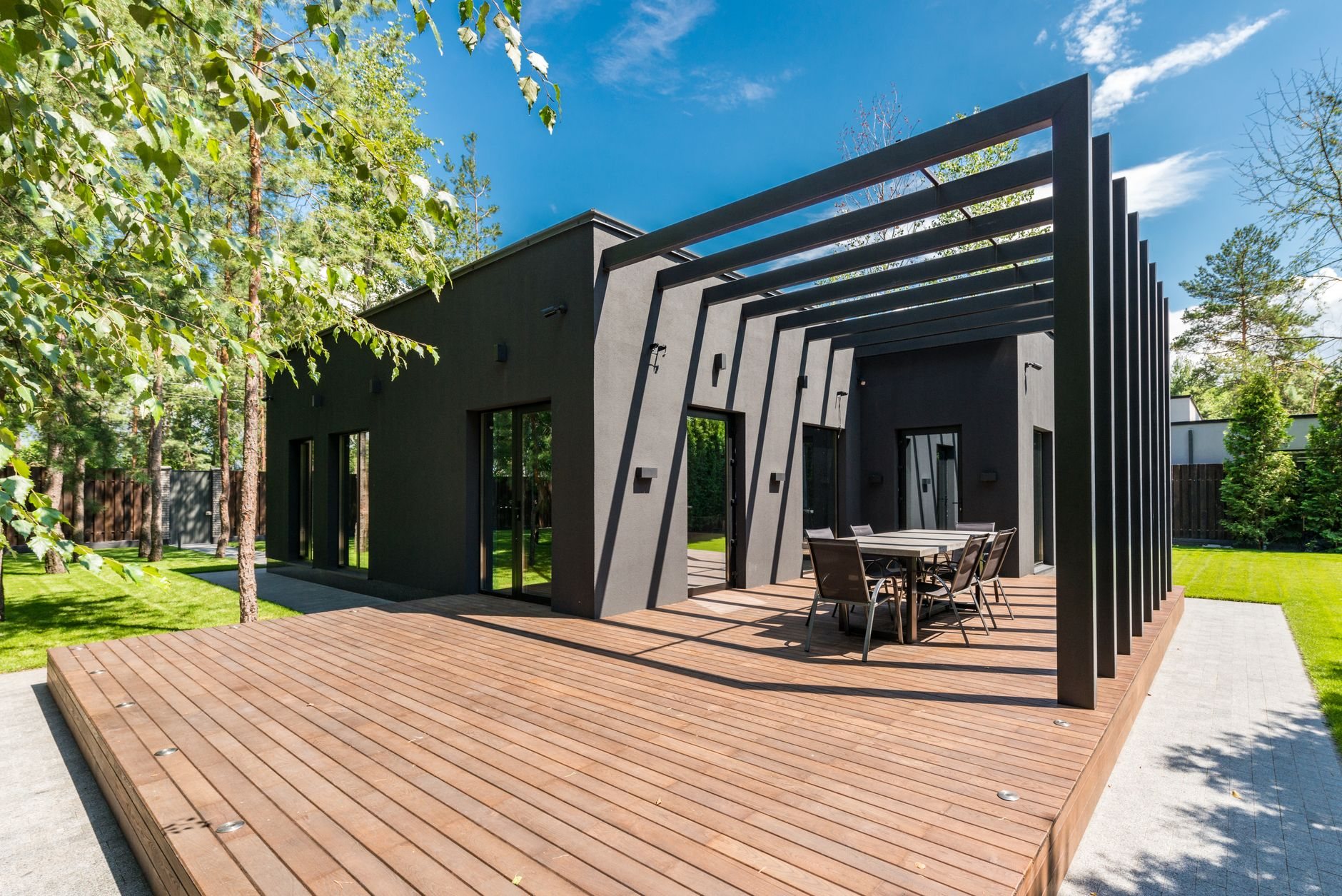
When a gravel patio is the right choice
Gravel makes sense when you want a usable outdoor floor for a fraction of what pavers cost, when the spot is damp enough that a sealed surface would pond, or when the patio is a secondary space — a fire pit circle, a spot under the pergola, a side yard that only needs two chairs and a table.
It’s the wrong choice when you want a hard, flat floor. Café chair legs sink into loose pea gravel, a dining table rocks on it, and a snow shovel scoops it up with the snow. For a dead-flat surface that can be spot-repaired, a paver patio is the Utah workhorse. A flagstone patio often uses gravel as joint fill instead of the whole floor. If the patio is really the walkable part of a rock-and-mulch yard, start with xeriscaping; if you want a hard floor on a modest budget later, a brick patio is the step up on the same footprint.
Pea gravel, crushed fines, or decomposed granite?
The material you walk on is most of the decision. The three common options behave differently underfoot.
- Pea gravel is rounded 3/8-inch stone, river-washed, in tans and greys. Softest look, softest footing — the pieces roll against each other and never lock. Best for seating areas and fire pit rings where you’ll sit, not pace.
- Crushed 3/8-inch or quarter-minus is angular stone with fines left in. The edges knit together under a plate compactor into a surface that holds a chair leg. This is what we recommend for a patio you’ll dine on.
- Decomposed granite compacts firmest and can be stabilized with a binder for a near-solid surface. It’s less common from Utah pits than crushed limestone fines.
Whichever you pick, the surface layer stays shallow: two inches, three at most. Deeper gravel feels like walking through a ball pit and swallows furniture feet. The structure comes from what’s underneath.
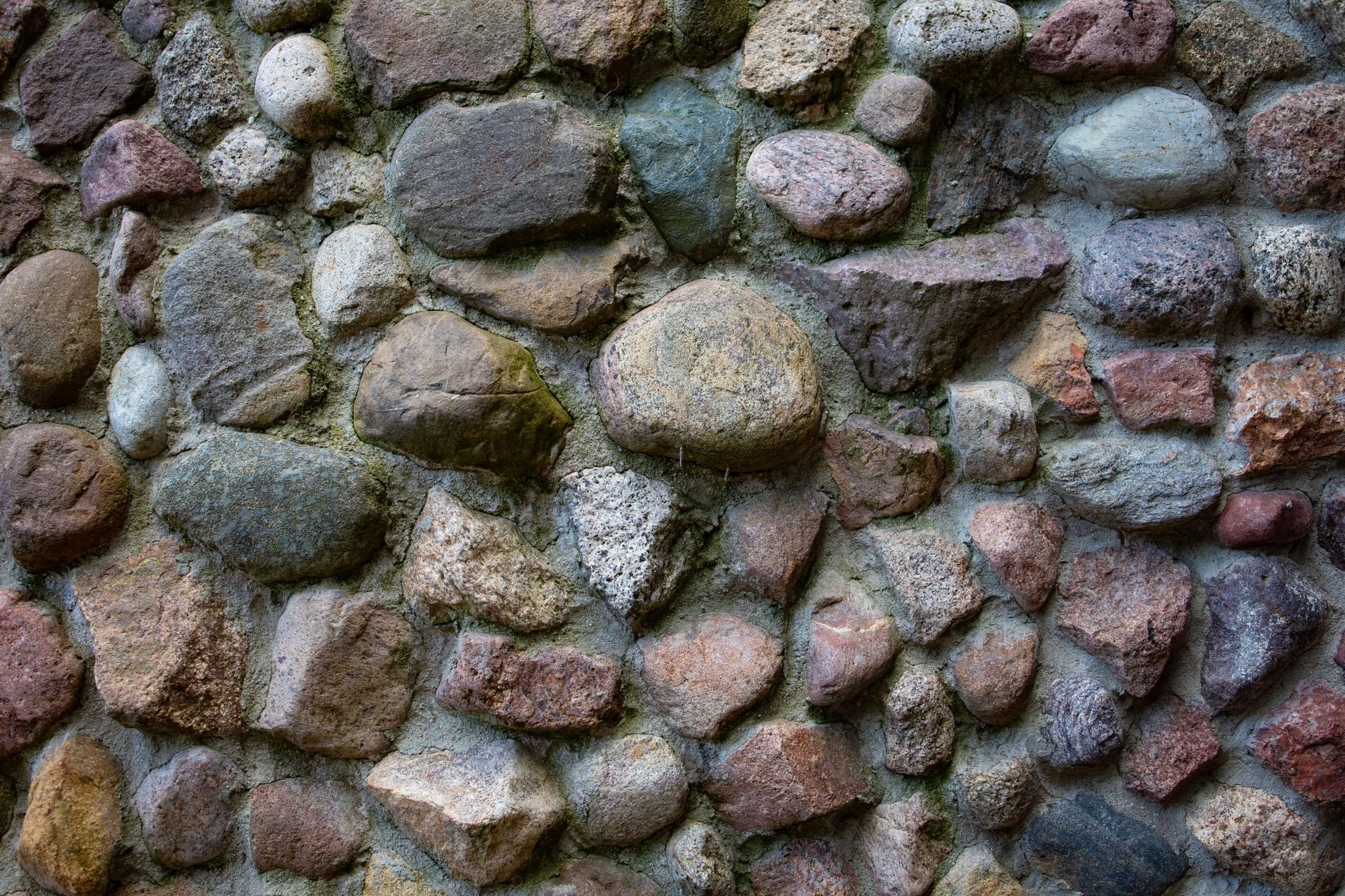
How we build a gravel patio that stays put
A gravel patio fails one of two ways: the gravel wanders into the lawn, or the surface goes soft and rutted. Both are solved before any gravel shows up.
- Set the edge first. Rigid edging goes in before excavation — steel, a soldier course of pavers set in concrete, or a poured curb. Flimsy plastic edging is why most gravel patios become gravel lawns within two seasons.
- Excavate 5 to 6 inches. Enough for 3 to 4 inches of base plus the surface layer. On the collapsible bench soils the Utah Geological Survey maps along the Wasatch foothills, we compact the subgrade itself first, so the base isn’t sitting on soil that settles the first wet spring.
- Separate the layers. Non-woven geotextile over the subgrade keeps base stone from pushing down into clay and weeds from pushing up through the patio. Skip it and you’ll be raking mud in year three.
- Compact the base. Three-quarter-minus crushed stone, plate-compacted in two lifts. This layer makes a gravel patio feel solid rather than mushy, and it’s the step most do-it-yourself installs skip.
- Stabilize where it matters. Under a dining table, a grill, or a wheelchair route, we set honeycomb stabilization grid before the top layer. The cells hold the stone so chair legs and casters stay on the surface.
- Spread and settle the surface. Two to three inches of pea gravel or fines, raked level and, for angular material, compacted once more.
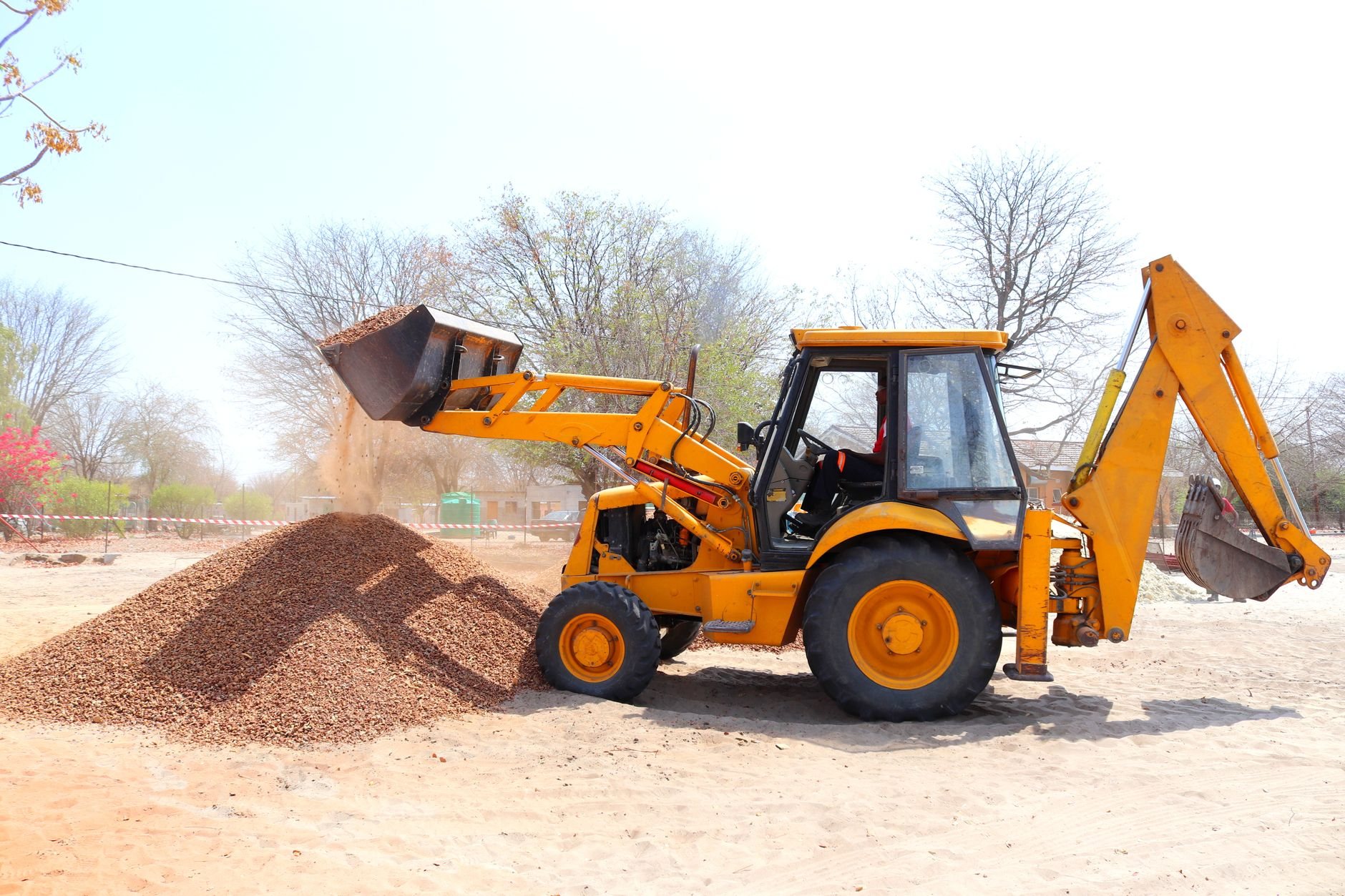
Grade still matters even though gravel drains. The patio sheds toward the yard, never the house. On anything steeper than a couple of percent, loose gravel migrates downhill with every summer cloudburst — that’s when we grid the whole surface or recommend a different patio. If the spot collects water now, we solve that first under landscape grading and drainage.
What a gravel patio costs in Utah
As ballpark planning numbers, a professionally built pea gravel or crushed-fines patio with a compacted base, geotextile, and steel edging commonly lands between $6 and $12 per square foot in Utah County and Salt Lake County. A paver border, stabilization grid, or a poured curb pushes toward the top of that range. Pavers typically run two to three times more per square foot, which is the whole reason gravel exists as an option.
What moves the number: the edging choice above everything else, then machine access, then what’s being removed. Gravel itself is cheap and Wasatch Front pits are close enough that hauling is a small line item. Plan on light upkeep, too: a rake once or twice a season and a fresh inch of stone every few years. We give a budget range after a site walk and a firm estimate once the edge detail is chosen. Gravel patios sit within our landscaping and hardscaping services, part of the wider site, structure and envelope family.
Questions we actually get
Does a gravel patio heave in Utah winters?
No, and that’s its quiet advantage. The Wasatch Front sees roughly 100-plus freeze–thaw days a year, which lifts and cracks rigid surfaces. Loose gravel has nothing to crack: water drains through, freezes in the voids, and thaws without moving the surface. What can shift is the edging, which is why we anchor it in concrete or with steel stakes.
Can I put a fire pit on a gravel patio?
Yes — gravel is one of the better surfaces for a wood-burning pit because it’s non-combustible and drains. Keep the ring on a compacted, stabilized section so it doesn’t tilt, and hold the clearances your city requires. Our fire pit page covers the pit itself.
How do I keep gravel out of the lawn?
Rigid edging set slightly above the gravel, and a surface layer kept shallow. Steel edging or a paver border set in concrete stops almost all migration. The other half is material: angular crushed fines lock together, while rounded pea gravel rolls and needs a taller edge.
Will patio furniture sink into pea gravel?
Narrow legs will. For a dining area we either switch to crushed quarter-minus fines, which compact firm, or set stabilization grid under the table zone. Pea gravel alone is fine for wide-footed lounge chairs and a fire pit circle. Tell us how you’ll use the space and we’ll spec the surface to match.
Tell us what you’re working on
Send us the spot, the size, and how you’ll use it. We’ll give you a straight read on edging, surface, and budget — usually within a couple of hours during business hours, a day at most.