
Mulch, Rock & Xeriscape Installation in Utah County
Xeriscaping replaces thirsty lawn with a designed layer of rock, mulch, and drought-tolerant planting on drip irrigation, so the yard looks finished year-round on a fraction of the water. Grandview designs and installs xeriscapes under a B100 license, from lawn removal and irrigation conversion through the last wheelbarrow of rock.
When xeriscape is the right call, and when lawn or turf is
Xeriscape fits the parts of a yard nobody walks on: park strips, front yards that exist to be looked at, south-facing slopes that scorch every July.
It is the wrong answer for the place kids and dogs actually play. There, a sod lawn sized to the use is cheaper and softer, and artificial turf covers the no-water, high-traffic case. If you want plants without the rock, planting and garden beds is the narrower scope. Most good xeriscapes keep one deliberate patch of real grass and remove the rest.
Rock, mulch, or both: picking the ground cover
Rock-and-done is the look people fear, with reason: a sheet of pea gravel over fabric is hot and weedy within two years. We spec ground cover by zone.
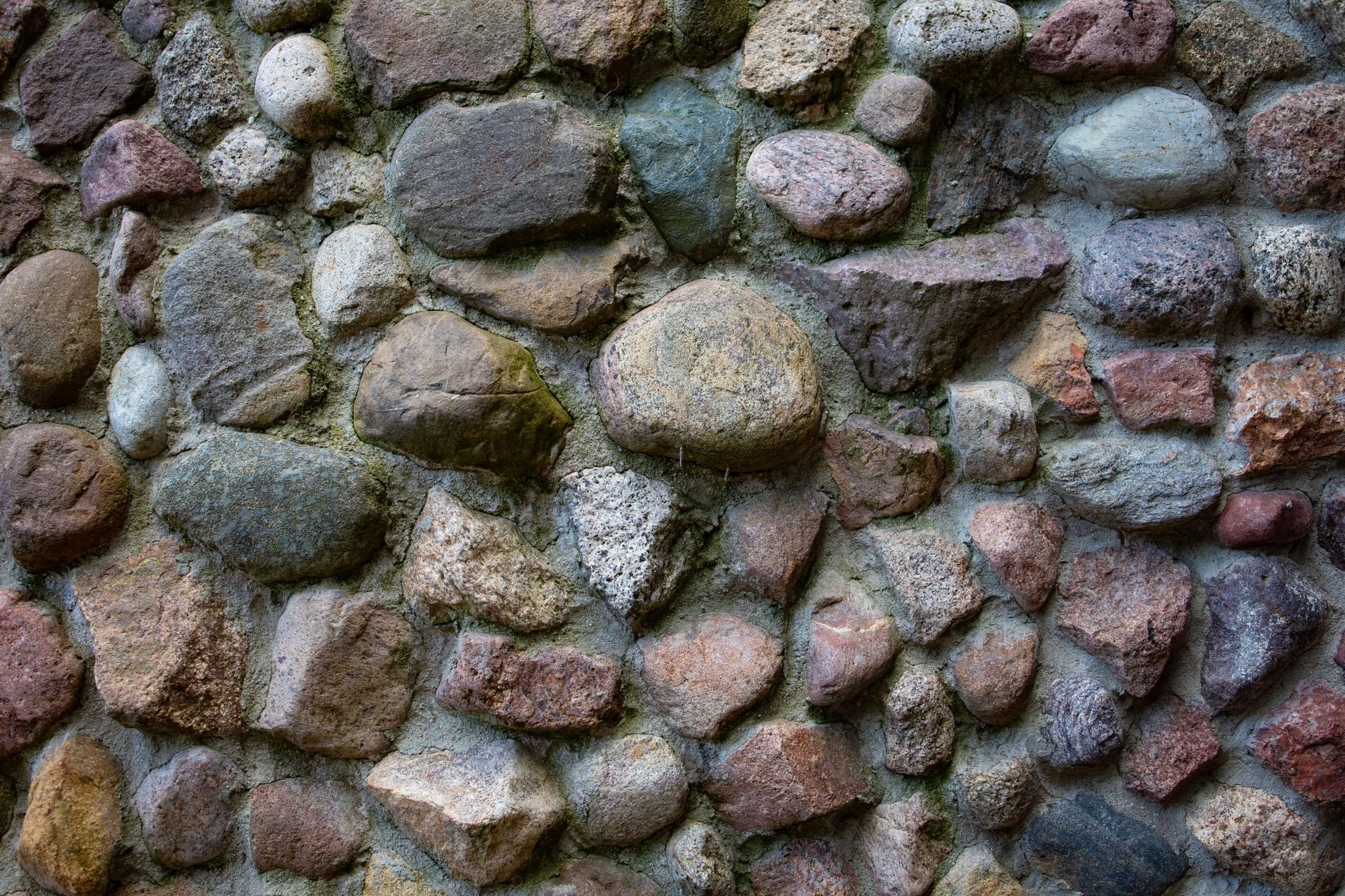
Rock goes where water runs, where foot traffic lands, and in the open spaces between planting groups. Three-quarter-inch to inch-and-a-half screened cobble or crushed rock, spread two to three inches deep, stays put on a grade; pea gravel migrates and belongs only in flat, edged areas. Compacted decomposed granite makes a walkable path. Dark rock radiates heat at the house all evening, so near windows we lean lighter. At two inches deep, a ton of inch-size rock covers roughly 100 square feet, which is how we size the delivery.
Mulch goes in planting beds, around trees, and anywhere you want soil that holds moisture and stays cool. Shredded bark or cedar, two to three inches deep, kept off plant crowns and well below siding. We don’t lay fabric under mulch in planted beds; it starves the soil and grows weeds on top anyway. Fabric earns its place only under rock in plant-free zones.
What a lawn-to-xeriscape conversion involves
This order is what keeps a xeriscape from becoming a gravel lot with regrets.
- Lay out the shape. A central open area, planting beds along the edges, paths between the places you actually go, painted on the lawn before a blade touches it, with every sprinkler head and valve box located.
- Remove the turf. A sod cutter or skid steer strips the grass and two to three inches of soil so the finished rock sits below the top of the edging and the walks. Kentucky bluegrass pushes back up through rock if the rhizomes stay, so removal, not just killing, is the standard.
- Convert the irrigation. Spray zones become drip zones: heads capped, a pressure regulator and filter at the valve, quarter-inch emitter lines to each plant. Kept lawn stays on spray. Backflow and any work at the meter is done by licensed plumbers we coordinate and check, as on any irrigation project.
- Shape the grade. Low berms give a flat yard relief; swales carry cloudburst water around beds instead of through them. Anything steeper is a grading and drainage question we solve first.
- Set the heavy things. Boulders and trees go in before rock, buried a third deep so they look settled, and the drip lines are stubbed to each one.
- Plant, then cover. Shrubs and perennials go in on the plan, in groups rather than dots. Mulch covers the beds, rock fills the open areas, and the drip runs a timed test before we leave.
Why xeriscape does so well in Utah County
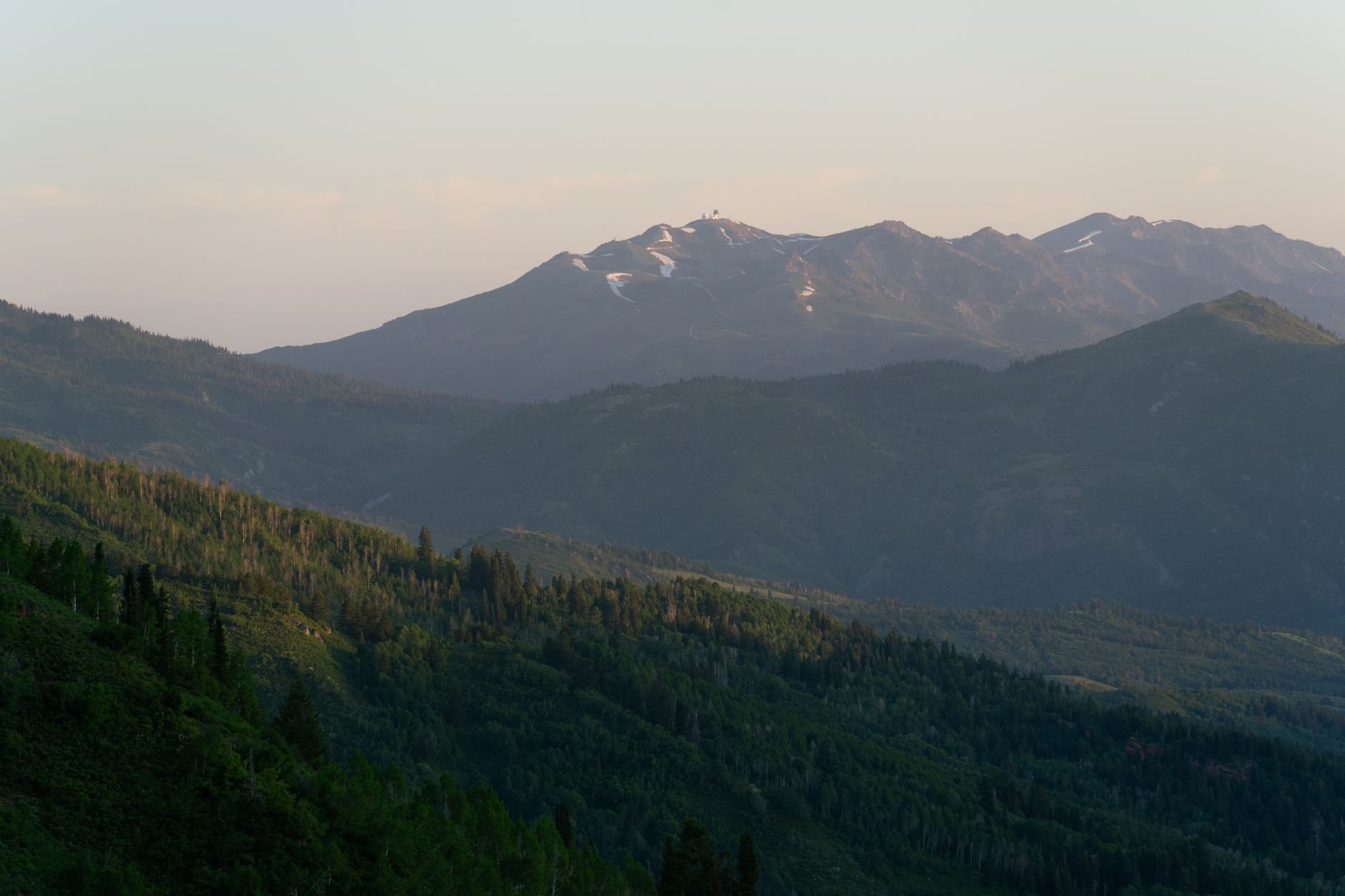
Lawn is the largest single summer water use at most Wasatch Front homes, and Utah is one of the driest states in the country. The state runs landscape-conversion incentives through the Division of Water Resources, and many Utah County water providers participate; plant counts and rock-to-plant ratios are set by the program, so check your address at conservewater.utah.gov before we design, and we’ll build to the rules so the rebate holds up at inspection.
The climate agrees. Rock is indifferent to the hundred-odd freeze–thaw days a year that heave pavers and crack sprinkler lines. High-elevation sun fades dyed mulch to grey within a season or two, so we favor natural bark and rock whose color is its own. In canyon-wind neighborhoods along the bench, bark mulch ends up next door; there we go to heavier rock or cobble.
Soil is the one thing to respect. Bench lots on collapsible or expansive soils, mapped by the Utah Geological Survey, don’t like water concentrated at the foundation, so drip lines stay out of the first few feet from the house and rock there is graded to shed outward. Native and adapted plants want lean, well-drained ground anyway, so we amend the planting holes and leave the rest alone.
What does xeriscaping cost in Utah County?
As a ballpark planning range, a lawn-to-xeriscape conversion with turf removal, drip conversion, edging, rock and mulch, and a moderate plant count commonly runs $6 to $12 per square foot installed. Bare rock over fabric sits at the bottom; dense planting, boulders, berms, and decomposed granite paths push toward the top. Rebates, where they apply, come back to you afterward and don’t change the contract price.
What moves the number: how much turf and soil has to leave and whether a machine can reach it (park strips are mostly hand work); rock size, since cobble costs more per ton and covers less; drip zone count; plant size and count; and edging, where steel outlasts plastic by decades. We give a budget range after a site walk and a firm estimate once the plan and plant list are set.
Questions we actually get
Will a rock yard make my house hotter?
A solid sheet of dark rock will; a designed xeriscape shouldn’t. We keep lighter rock near walls and seating, put mulch and plants where the sun hits hardest, and size shrubs to shade the ground as they grow. Dark rock under south and west windows is the usual mistake.
Do I need landscape fabric under rock and mulch?
Under rock in plant-free zones, yes; it keeps rock from working into the soil. Under mulch in planted beds, no; it blocks water and air, and weeds root on top of it within a year or two. Weed control comes from depth of cover, a spring pre-emergent, and plants that close the gaps.
Does xeriscaping qualify for a Utah water rebate?
Often, if your water provider participates and the design meets the program’s plant-coverage and irrigation rules; most set a minimum plant density and exclude artificial turf. Confirm eligibility for your address before design starts, and we build to the published rules so the yard passes the program’s inspection.
Can I keep some real lawn?
Yes, and most good designs do. A compact lawn where you actually sit or play, on its own spray zone, with xeriscape everywhere else, cuts water sharply without giving up the grass you use. The plan draws that boundary first; we remove turf only outside it.
Where this work fits
Xeriscaping is one service in our landscaping and hardscaping family, within site, structure and envelope. It’s usually the finish layer over the walls, patios, and steps built alongside it.
Tell us what you’re working on
Park strip or whole front yard, we’ll walk it and give you a straight read on layout, irrigation, rebate fit, and budget before anyone commits. We reply within a couple of hours during business hours, a day at most.