
Rough & Finish Grading in Utah County
Rough grading shapes a lot to its planned elevations; finish grading sets the last few inches so water drains away from the house and sod and concrete land on a surface that is actually at grade. Grandview performs both as a licensed B100 general contractor — verifiable at the Utah Division of Professional Licensing — on new builds and on lots that have drained the wrong way for years.
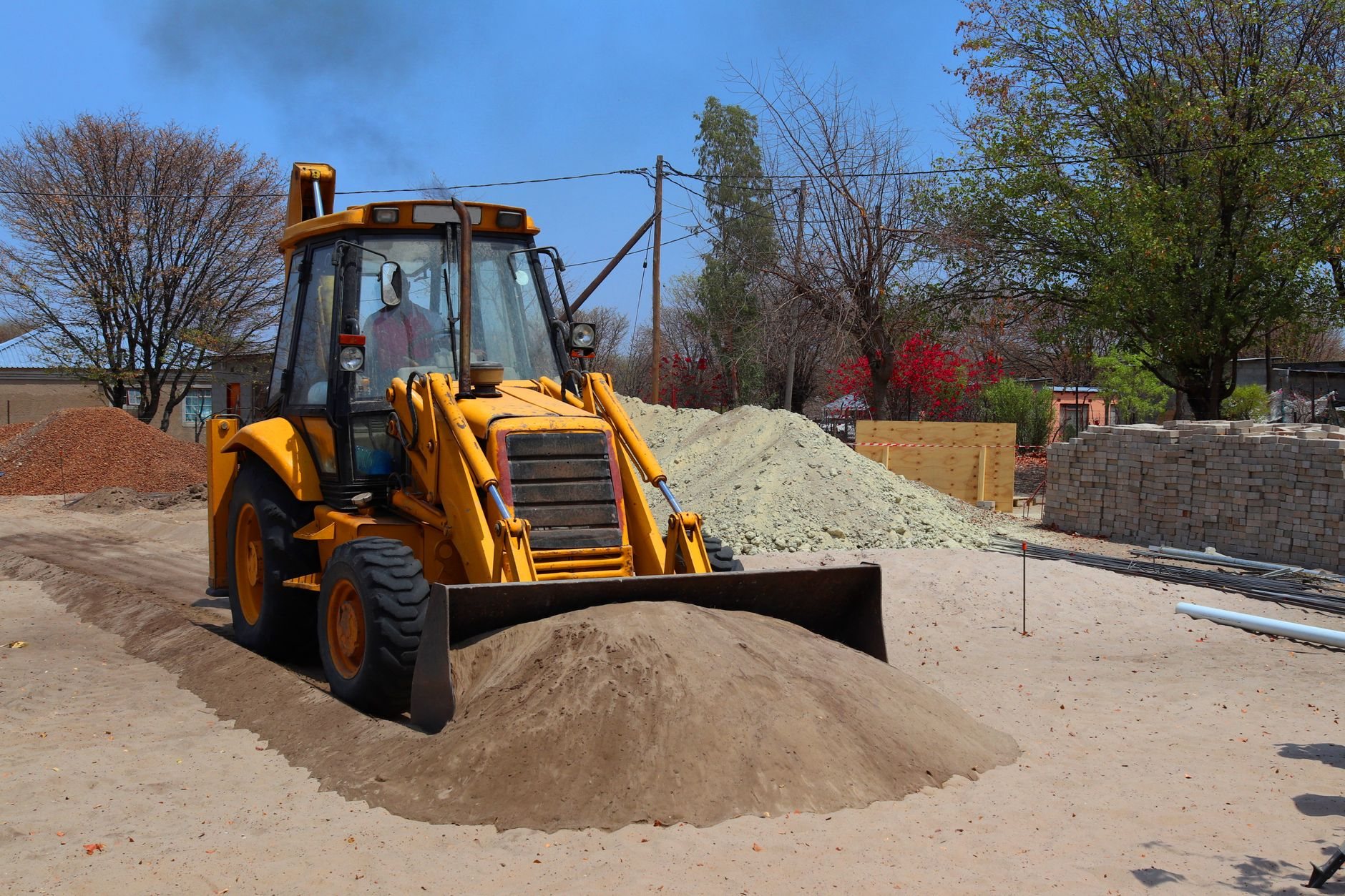
Rough grade or finish grade — which one are you asking for?
They’re two passes with two tolerances, often months apart. Rough grading follows the excavation or clearing work: the lot is brought to within a few inches of plan and drainage runs roughly the right way. The tolerance is loose on purpose, because framing, utilities, and flatwork are about to churn the surface anyway.
Finish grading is the last earthwork on the job. Once the trades are gone, the top layer is reshaped to final elevations within about an inch, topsoil is respread, and every slope is checked against where the water needs to go. It’s the pass that decides if your window wells fill in a July cloudburst.
Two neighbors get confused with it. A tested, load-bearing surface under a foundation is building pad preparation; moving dirt across the lot to hit plan is cut-and-fill site balancing. A drainage problem on a landscaped lot is a regrade, not an excavation — the finish-grading half of this page.
What the rough grade sets up
Rough grading works from the plot plan: finished-floor elevation, garage slab elevation, and spot grades at the lot corners. We set stakes from those numbers and work the lot to subgrade — the elevation under topsoil, road base, or concrete, not the one you’ll see when it’s done. Driveway subgrade typically sits 10 to 12 inches below finished concrete to make room for road base and slab; lawn areas sit 4 to 6 inches low for topsoil.
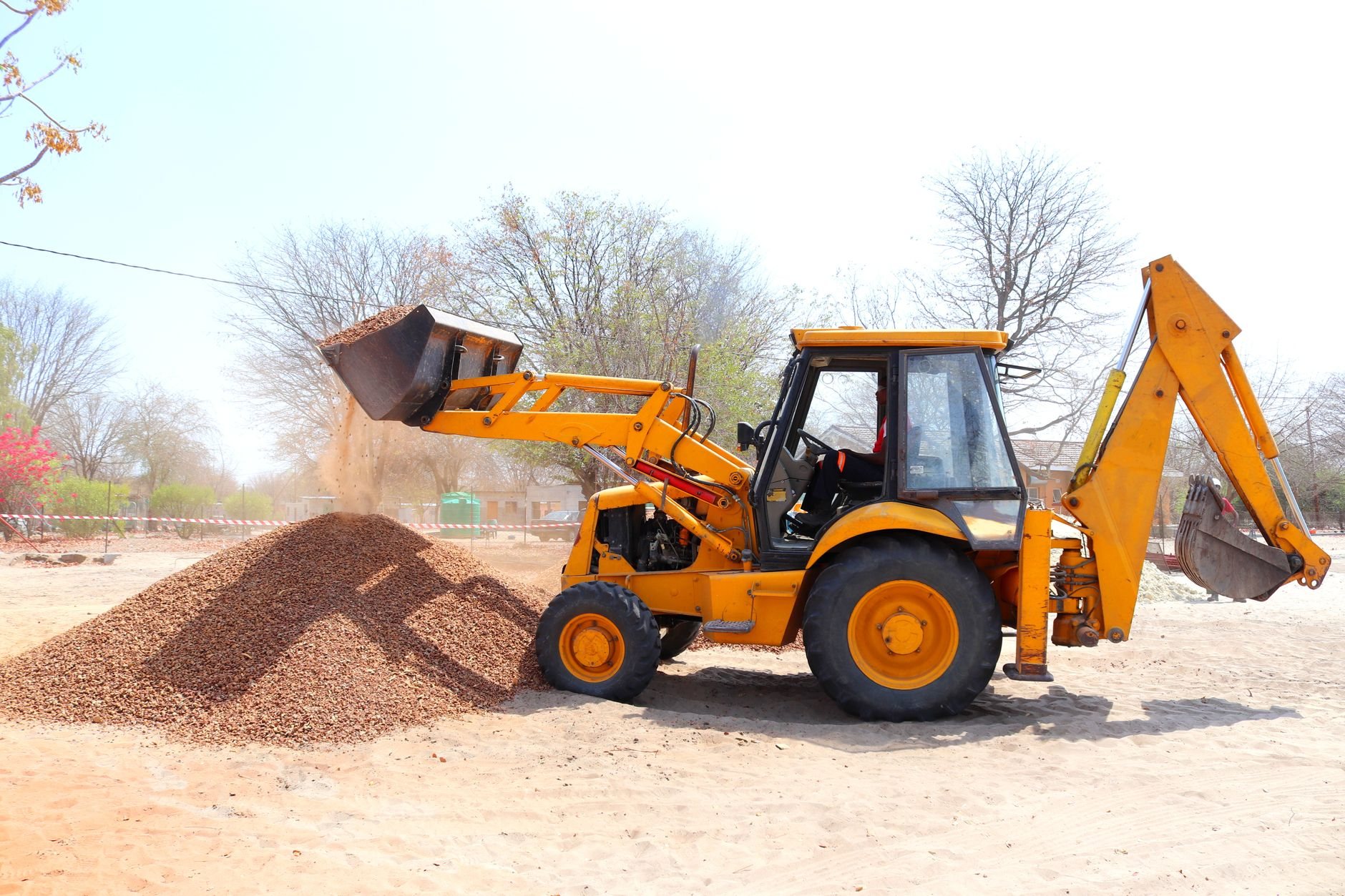
Fill placed during the rough pass goes in lifts and gets compacted, because loose spoils settle under the finish grade and undo it. Structural fill under footings or a slab moves into soil compaction with independent density testing. On bench lots the rough pass also sets erosion control so a bare pad doesn’t wash into the street, and slopes the lot can’t hold on its own get retaining walls.
What the finish grade has to get right
Finish grading is detail work with a skid steer, a grading bucket, and a laser level checked often. We are fond of straight lines and straight answers, and a finish grade is where both show.
- Fall away from the foundation. The common standard under current Utah-adopted code is about 6 inches of drop in the first 10 feet. On a narrow side yard where that’s impossible, a swale or drain line carries the water instead.
- Clearance to the siding. Finish grade stays several inches below the top of the foundation so siding and weep screeds aren’t buried; burying them to “fix” a slope moves the water problem into the wall.
- Swales with a real gradient. A steady one to two percent fall to the discharge point. A flat spot in a swale is a pond.
- Downspouts and window wells. Discharge points graded to flow away; window wells checked against lawn elevation before sod goes down.
- Sleeves first. Sprinkler sleeves under the driveway and the pressurized secondary-irrigation lateral most Utah County cities supply go in before the finish grade, so nobody trenches through a surface we just set.
- Topsoil respread. Four to six inches, raked to a surface ready for sod, seed, or the landscaper.
The order: shoot existing grades against the plan, set the perimeter grade at the foundation and work outward, level-check the swales, respread topsoil, and walk it with a hose if there’s any doubt. Driveways and patios are poured after subgrade and before lawn grade, so their edges land where the finish grade expects them.
Why finish grading is drainage engineering on the Wasatch Front
Two local soil conditions punish a lazy grade. Bench lots in Alpine, Highland, and east Provo and Orem often sit on collapsible soils the Utah Geological Survey has mapped across the region — material that holds up dry and settles once irrigation or a wet spring soaks it. Valley-floor lots in Lehi and Spanish Fork lean toward expansive clay, which swells and lifts flatwork. Either way, a grade that sends water toward the foundation delivers the saturation that triggers the problem. Then the weather tests it: monsoon cells drop an inch of rain in under an hour onto ground baked hard since June, and winter freeze–thaw cycling lifts saturated soil and drops it again, so a bad grade gets worse every year.
What does rough and finish grading cost in Utah County?
As ballpark planning numbers only — never a quote — a finish-grade and topsoil pass on a typical quarter-acre lot often lands between $1,500 and $5,000, and rough grading a cleared or excavated lot commonly runs $2,000 to $10,000 depending on how much material moves. What pushes a job toward the top: imported topsoil and road base, priced per load; working around a finished house, where fences and concrete force a smaller machine and more hand work; and drainage hardware — catch basins, drain lines, downspout extensions — that often makes the grade work on a tight lot.
We’ll give you a budget range after walking the lot, a firm estimate once scope is set, and a proposal you can hold us to. Grading and the flatwork and walls around it live in our site, structure & envelope family and can run under one contract.
Questions we actually get
My lot was graded when the house was built. Why does water still pool at the foundation?
Usually because the backfill settled. Soil placed against basement walls keeps consolidating for a year or two, so a grade that sloped away on move-in day ends up sloping in. A regrade after the first full season is routine on new builds.
Do you finish-grade before the landscaper, or do they do it?
Either works, but it must be one or the other. We set the finish grade and topsoil to plan elevations, then hand off for sod, planting, and sprinklers. What goes wrong is two crews each assuming the other set the slopes, so we put the handoff elevations in writing.
Do I need a permit to regrade my yard?
Many Wasatch Front cities require a grading permit once you change how a lot drains or move more than a threshold volume of soil, and sending runoff onto a neighbor’s lot is a problem everywhere. A small finish-grade fix often needs none; a drain line to the street often does. We check with your city’s building department first.
What makes finish grading cost more than expected?
Imported topsoil, most often — if the original dig hauled it off, it comes back by the truckload. The other is access: a finished house with fences and sprinklers in the way means a smaller machine and more hand work. Both show on a site walk, which is why we price after one.
Tell us what you’re working on
Send us the address and tell us if it’s a new lot or a yard that drains the wrong way. You’ll get a straight read on slopes, sequence, and budget — within a couple of hours during business hours, a day at most.