
Erosion control & SWPPP in Utah County
Erosion control is the set of measures — silt fence, stabilized entrances, inlet protection, slope cover, dust control — that keep soil on a construction site and out of the street and storm drain, documented under a Stormwater Pollution Prevention Plan (SWPPP). Grandview installs, inspects, and maintains these controls as a licensed B100 general contractor across Utah County and the Salt Lake Valley.
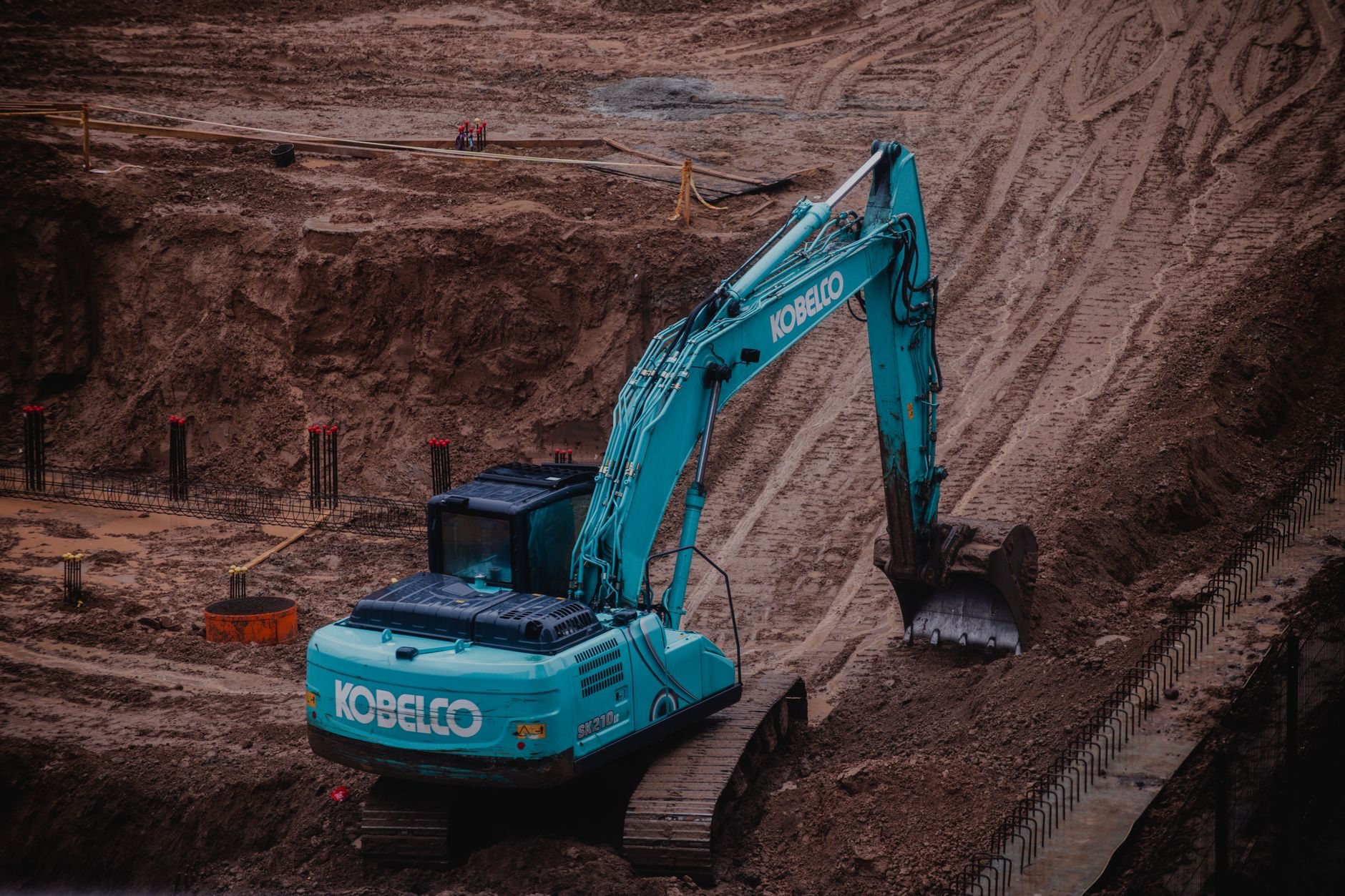
When erosion control is the scope, not a line item
Every dig we run carries its own perimeter controls. This page is for jobs where the controls and the paperwork are the scope.
Your city won’t issue the grading permit without a plan. Most Wasatch Front cities ask for an erosion and sediment control plan before releasing a permit for site clearing or mass excavation. We draw the plan, install what it shows, and keep it current.
You’re over an acre, or inside a subdivision that is. Sites disturbing one acre or more — including lots within a larger common plan of development — need coverage under Utah’s Construction General Permit: a written SWPPP, a Notice of Intent, routine inspections, and records an inspector can request at any time. The Utah Division of Water Quality administers the program on the federal baseline set by the EPA’s construction stormwater rules.
Someone else opened the site and the controls are failing. Fence lying flat after one storm, mud tracked down the road, a stop-work notice on the trailer. We re-establish the perimeter and get the log back into shape. From there, building pad preparation and finish grading carry the site toward the final stabilization that closes the permit.
What a SWPPP and its controls actually involve
A SWPPP is a drawing, a narrative, and a logbook. The controls on the ground make the drawing true.
- Map the water. Where runoff enters, where it wants to leave, and which storm inlets are downhill.
- File the plan. Site map, control details, inspection schedule, responsible parties. The Notice of Intent goes in before the first bucket moves.
- Set the perimeter. Silt fence trenched 6 inches in and backfilled on the uphill side, posts downhill so the fabric loads against them. Fence staked on the surface blows out in the first cloudburst.
- Stabilize the entrance. A pad of 2- to 3-inch crushed rock over geotextile, long enough to shake mud off tires before pavement.
- Cover inlets, slopes, and stockpiles. Gravel bags or fabric inserts at downhill inlets; straw wattles on contour, hydromulch, or blankets on cut slopes; water, tackifier, or temporary seed on stockpiles. Concrete washout gets its own lined pit, never the gutter.
- Inspect, log, close out. Permitted sites are walked on a set interval and within a day of a qualifying storm, with dated entries and photos of every repair. Final stabilization — commonly 70 percent of pre-disturbance vegetative cover, or hardscape — then a Notice of Termination ends the obligation.
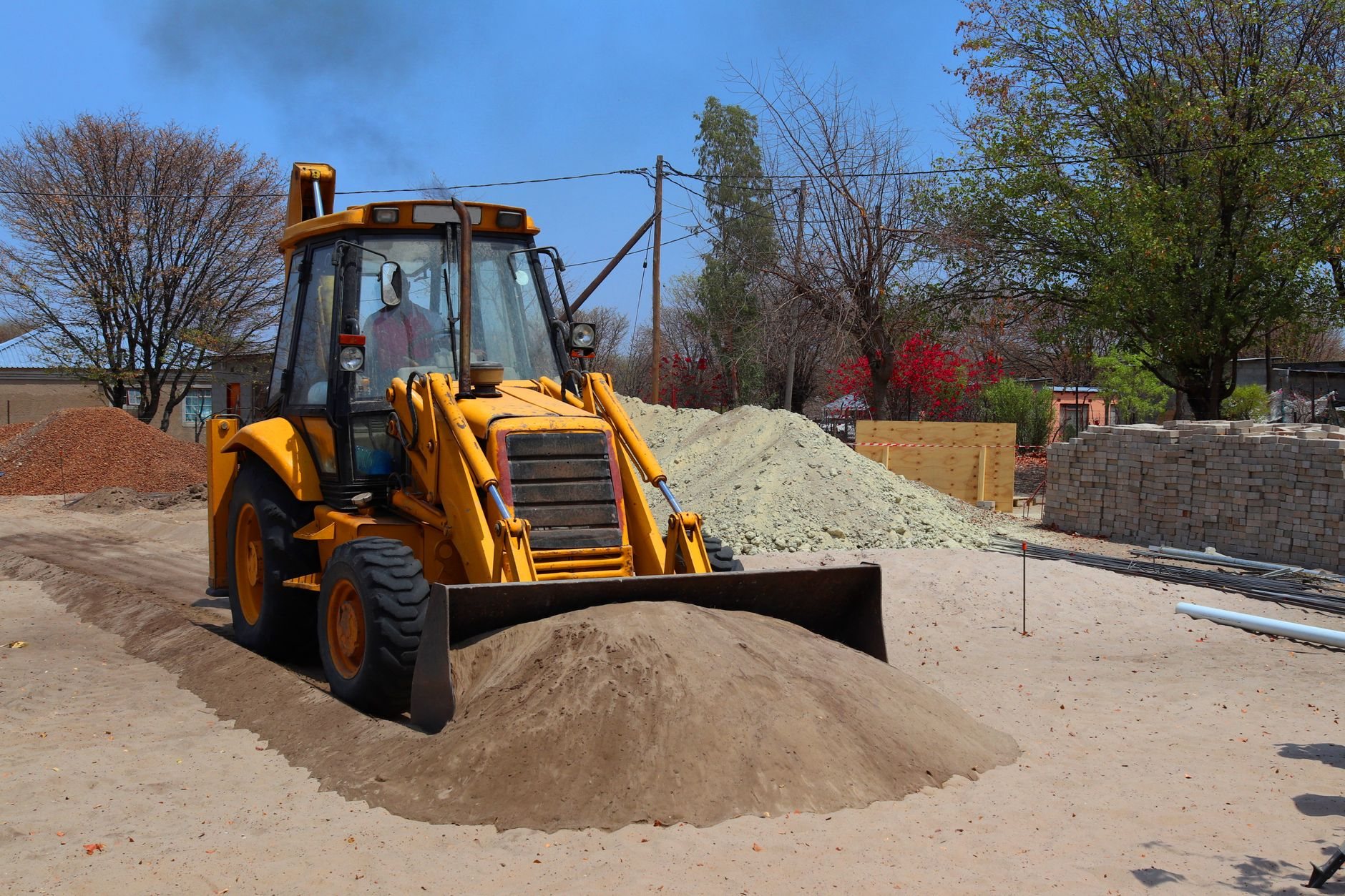
Why Utah storms and slopes make this harder than it looks
Monsoon cloudbursts. A July cell can drop an inch of rain in under an hour onto ground that baked hard for six weeks. That pulse finds the low point of a fence and goes over or under it, so we space controls for the burst, not the average, and add check dams where runoff concentrates.
Bench soils that move. The silty, collapsible soils along the Wasatch Front — documented by the Utah Geological Survey — rill after a single storm once stripped. Slope cover goes on the week the slope is cut, not when the landscaper arrives.
Canyon wind and spring melt. Between storms the problem flips to dust: east-bench lots below the canyon mouths lose an unprotected stockpile in an afternoon, and an inspector counts blown fines the same as washed sediment. Freeze-thaw cycling then loosens winter-exposed slopes just as snowmelt runs off, so sites left open over winter get checked before the melt.
What does erosion control cost in Utah?
Perimeter length, slope area, and how long the site stays open. As ballpark planning numbers only — never a quote — installed silt fence commonly runs $2 to $5 per linear foot, a stabilized construction entrance $1,500 to $4,000, and a written SWPPP for a single-lot or small commercial site $1,000 to $3,000.
- Slope. A flat infill lot needs a few hundred feet of fence; a bench lot adds wattles, blankets, or hydromulch by the square yard.
- Duration. Controls that stand through a winter get replaced at least once. Maintenance scales with the calendar, not the dirt.
- Downhill risk. A storm inlet or irrigation ditch at the property line means more inlet protection and more frequent checks.
- Repairs after a citation. Re-establishing failed controls costs more than building them right, plus the street clean-up.
We’ll give you a budget range after walking the site, a firm estimate once the plan is drawn, and a proposal you can hold us to.
Questions we actually get
Does my single-lot home build need a SWPPP?
If the lot is under an acre and not part of a subdivision still under construction, usually not a state-permitted one — but your city will almost certainly want an erosion control plan and perimeter controls before issuing the grading or building permit. Verify the threshold with your city’s building department.
Who does the SWPPP inspections during construction?
The permit holder is responsible, but the walks are done by whoever is on site and qualified. When we hold the contract, we do them, keep the dated log and photos, and repair failed controls the same visit.
What happens if sediment leaves the site?
Tracked mud or washed silt reaching the street or a storm drain is the most common violation on Wasatch Front sites. Consequences run from a correction notice to a stop-work order and fines, and the clean-up is yours. A well-built entrance and inlet protection prevent most of it.
When can the silt fence come out?
After final stabilization — lawn, landscaping, or hardscape covering the disturbed area, commonly to at least 70 percent of pre-disturbance cover — and, for permitted sites, after the Notice of Termination is accepted. Pulling fence before the sod has rooted is how the last storm of the season undoes the season.
Erosion control runs inside every excavation and grading job in our site, structure & envelope family; where the final grade needs holding, retaining walls are the permanent version of the same idea.
Tell us what you’re working on
Send us the address and the permit your city is asking for, and we’ll tell you what the site needs and what it costs. We reply within a couple of hours during business hours, a day at most.