
Cut-and-Fill & Site Balancing in Utah
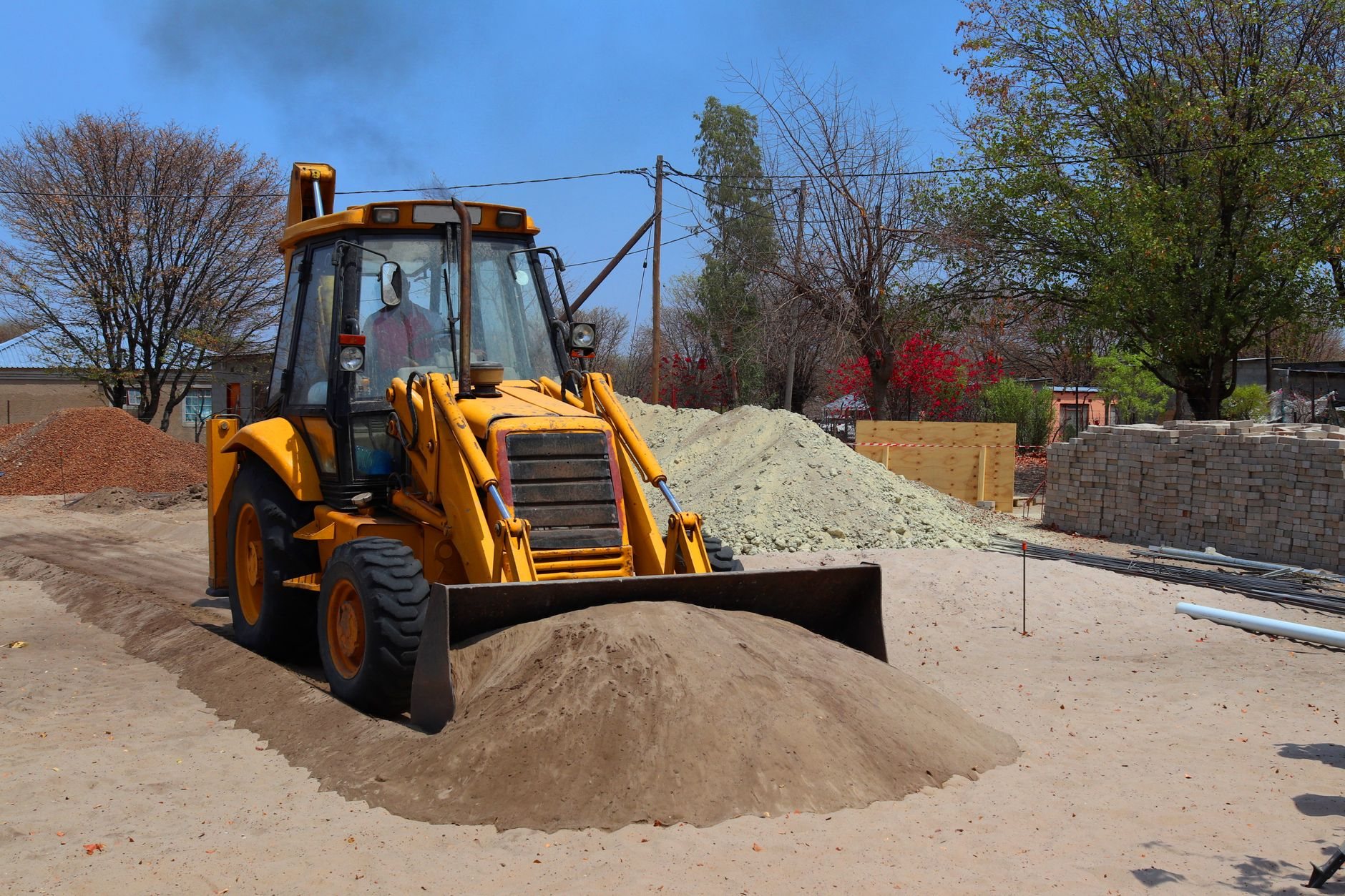
Cut-and-fill is earthwork that moves soil from the high side of a lot to the low side so the site reaches design grade with as little dirt trucked in or out as possible. It’s the right scope for sloped and bench lots, and Grandview plans and performs it as a licensed B100 general contractor across Utah County and the Salt Lake Valley.
When balancing the site beats hauling it
A balanced site is one where the cut volume, after shrinkage, roughly equals the fill needed. Trucks are the most expensive part of earthwork, so if a lot has a high corner and a low corner, the cheapest grade borrows from one to build the other. Cut-and-fill is the scope for sloped Wasatch bench lots, walkout basements where the uphill cut becomes the downhill backfill, and subdivision pads stepped across a hillside.
If the whole site has to come down and leave, that’s mass excavation, priced on export. If the lot is already near grade and only needs shaping, look at building pad preparation or rough and finish grading. Balancing sits between them: enough elevation change to matter, and enough usable soil to move on site. It’s part of our excavation and grading work in the site, structure & envelope family.
How a cut-and-fill job is planned and built
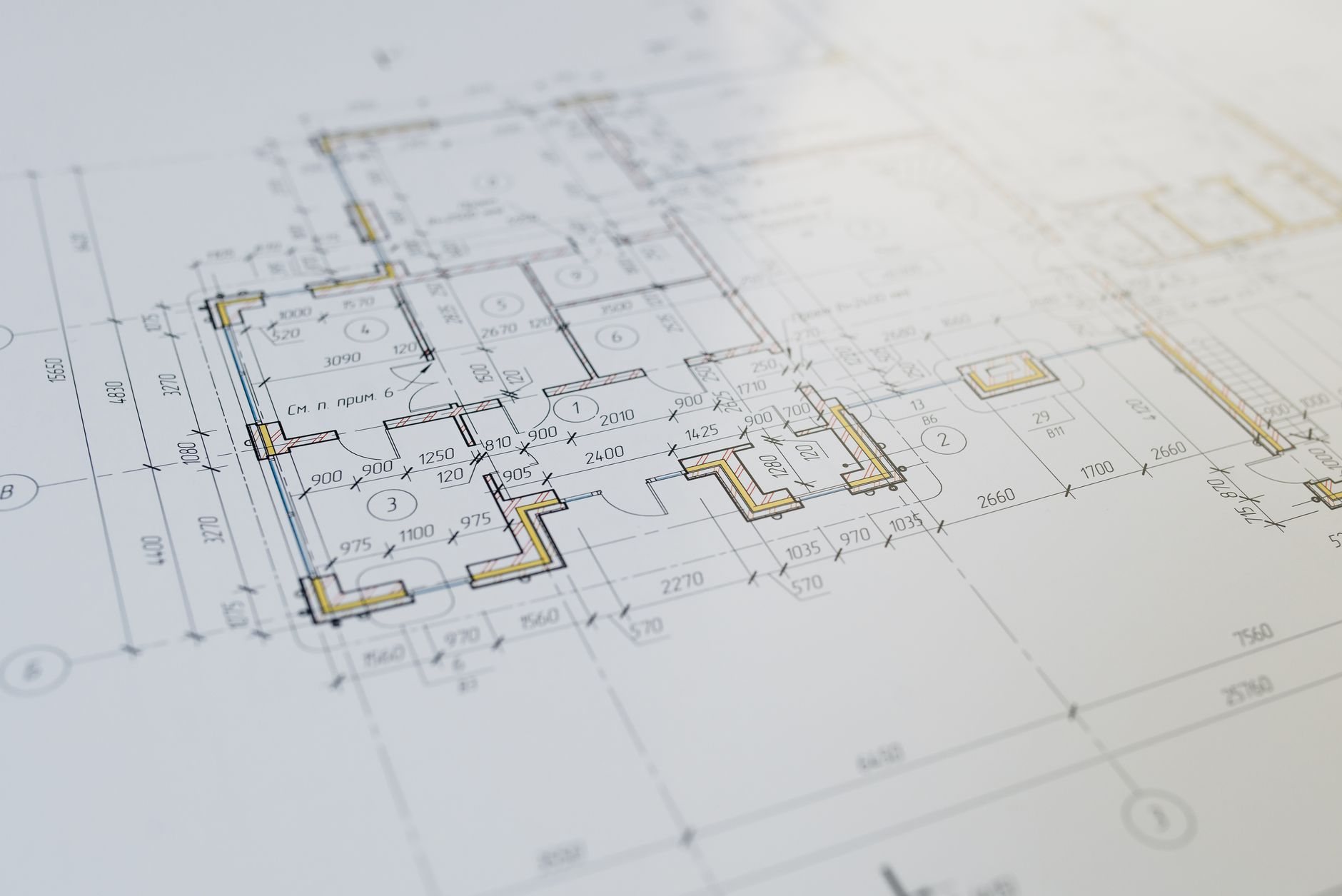
The balance is decided on paper before a machine starts. Get the arithmetic wrong and you import fill you were told you wouldn’t need.
- Earthwork takeoff with shrink and swell. We compare existing and design surfaces for cut and fill in bank cubic yards, then apply a shrink factor. Compacted fill occupies less space than it did in the cut — commonly 10 to 15 percent less for Wasatch Front silts and sandy clays — so a plan that looks balanced is usually fill-short. Topsoil is stripped and counted separately; it’s never structural fill.
- Which cut material can be reused. Organic soil, debris, and high-plasticity clay get wasted. The collapsible, low-density silts the Utah Geological Survey maps across the benches are often fine as fill once excavated, moisture-conditioned, and recompacted — the rework is what cures the collapse hazard.
- Balance point and haul plan. We locate where cut turns to fill and route the pushes so dirt moves downhill and short. A good balance line can halve machine hours.
- Benching the fill into the slope. Fill on a hillside is keyed in with horizontal benches cut into existing ground so new material can’t slide on the old surface. Ground steeper than about 5:1 gets benched; the geotech report sets the real number.
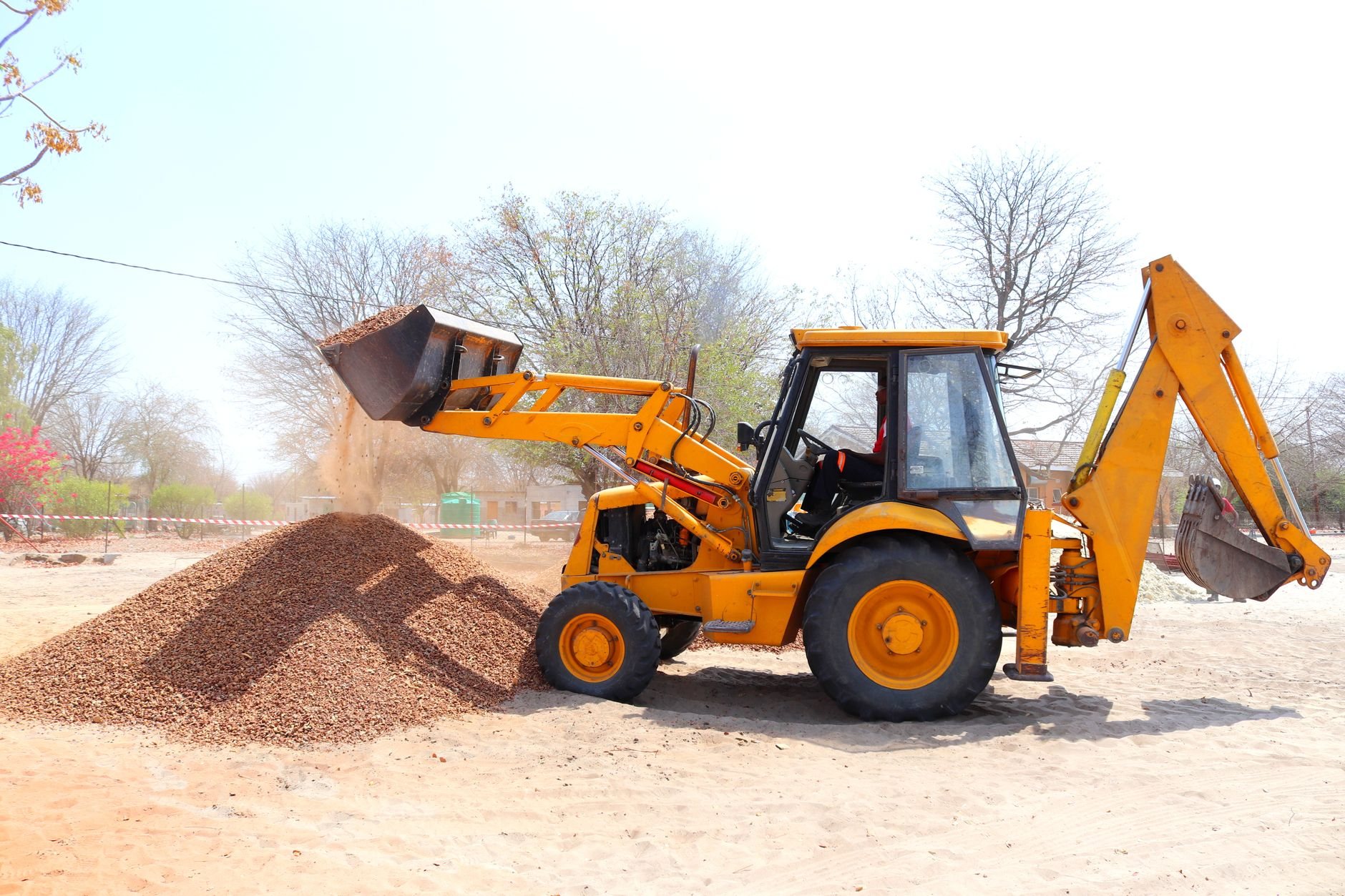
- Lifts, moisture, compaction. Fill goes in loose lifts of 8 to 12 inches, brought near optimum moisture, and rolled. Utah’s dry summer soils almost always need a water truck to compact; wet spring cuts sometimes need to dry first. Structural fill under footings is tested by an independent technician each lift, usually to 95 percent of maximum density — see soil compaction for pads and footings.
Where balanced sites go wrong on the Wasatch Front
Three local conditions trip up cut-and-fill. Frozen ground: fill placed on it, or frozen chunks in a lift, won’t compact and thaw into voids in spring, so we don’t place structural fill through a hard freeze. The fill wedge on a walkout lot: the deepest fill lands under the downhill corner of the house, exactly where the footing bears, so that corner gets the most testing and sometimes a deeper footing. And drainage: a balanced site changes where runoff goes, and Utah’s summer cloudbursts find the new low spot fast, so cut and fill faces are shaped to shed water and any disturbance near an acre brings erosion control and SWPPP requirements before the balance starts.
What does cut-and-fill grading cost in Utah?
Less than exporting the same dirt, which is the point. As ballpark planning numbers only — never a quote — moving soil within a site often runs $4 to $10 per cubic yard, while exporting it with trucking and tipping commonly runs $20 to $40. A residential bench lot balanced in the 1,000 to 3,000 yard range often lands between $8,000 and $25,000; imported structural fill or a retaining wall moves it from there.
- How close the site really balances. Every yard still imported or exported is priced like a haul job.
- Reusability of the cut. Clay, organics, or boulders in the cut mean wasting that material and buying replacement fill.
- Fill depth and benching. Deep fills on steep ground need more benches, more lifts, and more density tests.
- Push distance and access. Short downhill pushes are cheap; long uphill hauls on a tight lot are not.
You get a budget range after a site walk, a firm estimate once the takeoff is done, and a proposal you can hold us to.
Questions we actually get
Why does my “balanced” grading plan still call for imported fill?
Shrinkage. Compacted fill takes up roughly 10 to 15 percent less volume than it did in the cut, and stripped topsoil can’t be used structurally. Plans are often balanced in bank yards without the shrink factor applied. We run the numbers both ways before pricing so the import line isn’t a surprise.
Can the cut from my walkout basement be used to build up the downhill side?
Usually, if it’s clean native silt or sandy clay and the geotechnical engineer approves it as structural fill. It gets stockpiled, moisture-conditioned, benched into the slope, and compacted in tested lifts. High-plasticity clay or organic-laden cut goes to a landscape berm instead, and structural fill gets imported.
How steep can a finished cut or fill slope be?
For unretained slopes, 2:1 (two feet horizontal per foot vertical) is the common upper limit under current Utah-adopted code, and geotechnical reports often recommend flatter in collapsible bench soils. Steeper needs a retaining wall, which on tight lots often costs less than the width a flat slope eats.
Does the fill need to be tested if it’s all my own dirt?
Yes, if a footing, slab, or driveway will sit on it. Where the soil came from says nothing about how well it was compacted. An independent technician tests each lift under structural areas; landscape fill outside the footprint can be placed with less ceremony, and we’ll show you where that line falls.
Tell us what you’re working on
Send the address and a grading plan if you have one. You’ll get a straight read on whether the site balances and a budget range before anyone commits. We reply within a couple of hours during business hours, a day at most.