
Site Clearing & Grubbing in Utah County
Site clearing and grubbing removes trees, brush, stumps, root mats, and the organic topsoil layer so the ground underneath can be cut, filled, and compacted for a building. It’s the first dirt-moving step on any raw or overgrown lot, and Grandview performs it as a licensed B100 general contractor (verifiable at dopl.utah.gov) across Utah County and the Salt Lake Valley.
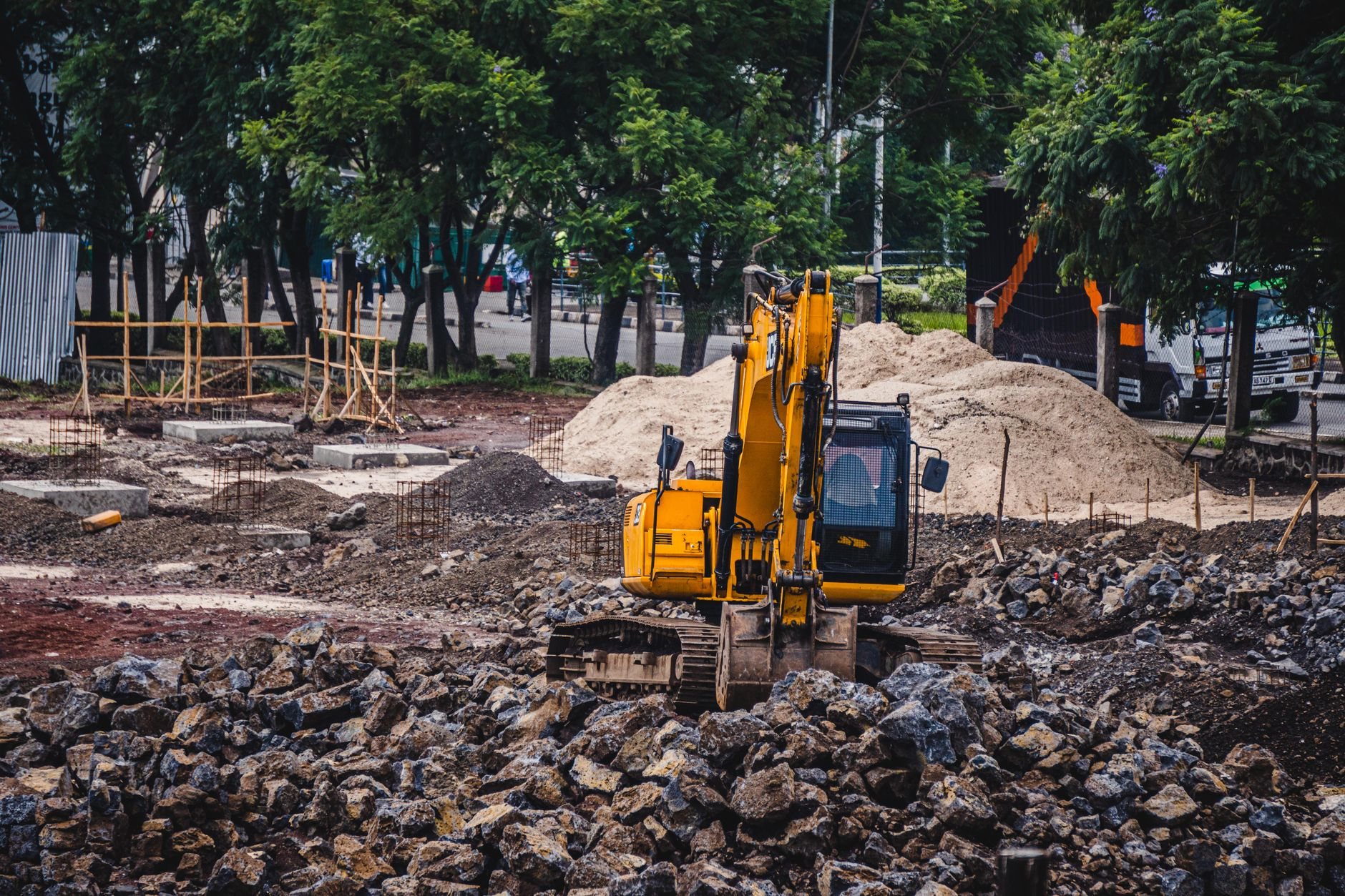
When clearing and grubbing is the right scope — and when it isn’t
Clearing is about what’s growing on the lot. A slab, shed, or old foundation is demolition, with its own permit and disposal plan. If the vegetation is already gone and the question is how much earth moves, you’re into mass excavation or building pad preparation. Clearing and grubbing gets you there.
A raw lot in a growth city. Eagle Mountain, Saratoga Springs, and west Utah County still have parcels in sagebrush and cheatgrass. The brush is light; the work is separating topsoil from the mineral soil below.
A bench lot in scrub oak. Gambel oak thickets along the foothills in Provo, Orem, Lindon, Alpine, and Highland are dense and root-connected. Oak regrows from root crowns, so cutting it flush and grading over it means sprouts and rotting roots under the pad within two seasons.
An infill lot with mature trees. A teardown in older Provo or Salt Lake City neighborhoods means big trees, some keepers, and roots tangled with the water lateral and sewer.
What the work actually involves
Clearing and grubbing are two operations, priced separately.
- Clearing — everything above grade: trees felled, limbed, and bucked on site; brush, dead material, and old fence lines piled for chipping or hauling.
- Grubbing — pulling stumps, root crowns, and the root mat with a thumb-equipped excavator or grubbing rake, then raking the surface for roots that break off. A stump ground flush is not grubbed; the root ball is still there to rot into a void under your footing.
- Topsoil stripping — removing the organic layer, often 4 to 12 inches on local lots, and stockpiling it outside the building footprint. Organic soil can’t be compacted to bear a structure, but it’s valuable for landscaping later, so we save it.
- Disposal — chips spread on site, green waste hauled, or logs set aside for you. Open burning needs a county permit and a seasonal burn window, so most jobs chip and haul.
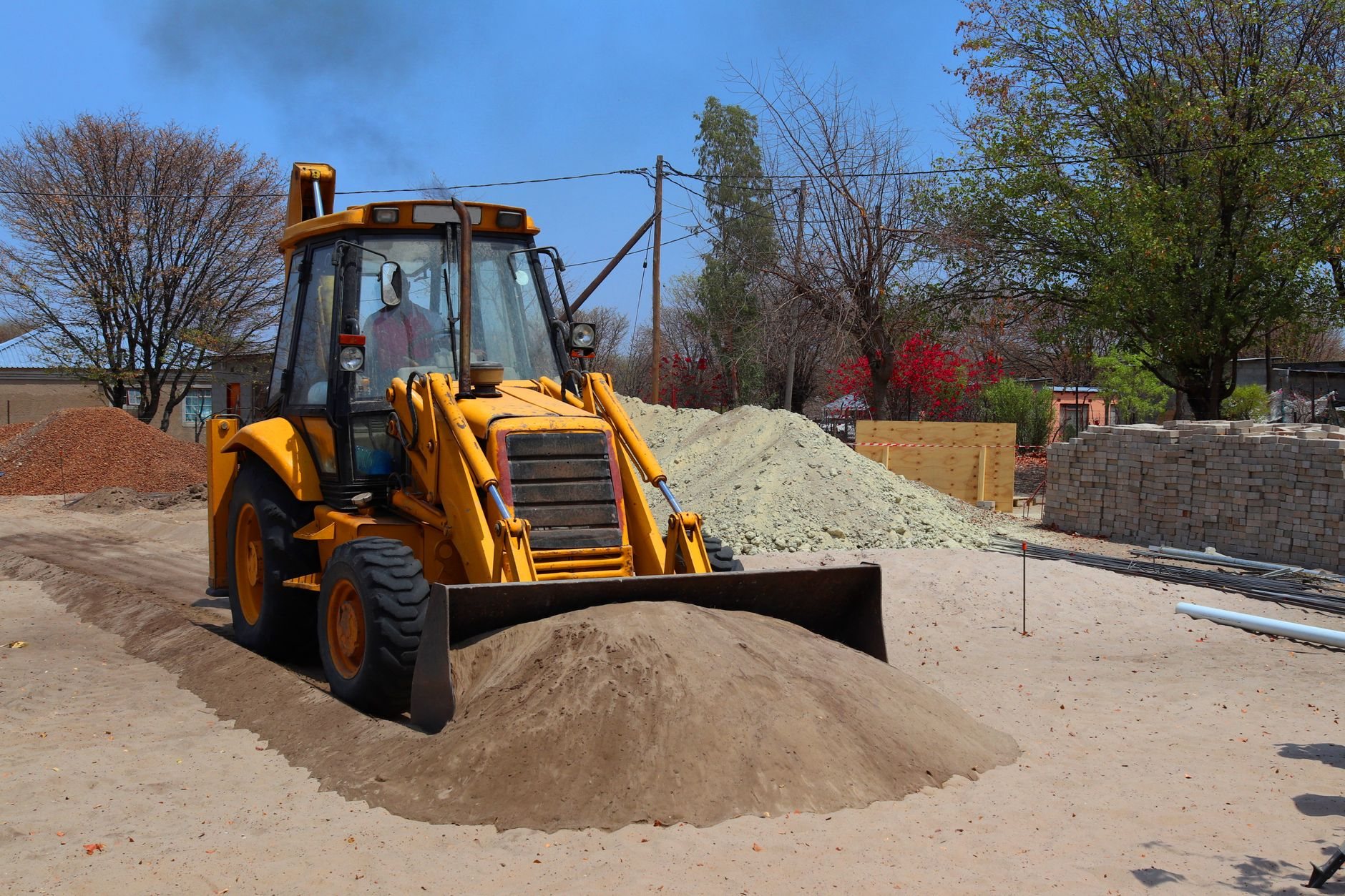
How a clearing job runs
We see dependencies before they become delays. On a clearing job, most live in the first two steps.
- Walk and flag. Clearing limits, stockpile location, staging, and drip-line fencing around keeper trees — compacting a mature tree’s root zone kills it as surely as cutting it down. Some Wasatch Front cities regulate removal of larger trees — verify with your building department before a big one comes down.
- Locates and erosion control. Blue Stakes 811 marks utilities before grubbing, not just before trenching — a root ball takes whatever it’s wrapped around with it, and on older lots that’s often a water service. Silt fence and a stabilized entrance go in before the ground is disturbed; if the project disturbs an acre or more, the storm-water permit and SWPPP need to exist before clearing starts, not after.
- Clear. Trees down, brush cut, material sorted into chip, haul, and keep piles.
- Grub. Stumps and root mats pulled, the surface raked, and every root-ball hole backfilled and compacted so it doesn’t become a soft spot under the pad.
- Strip and stockpile. Topsoil off the building and driveway footprint, covered if it will sit through a monsoon season.
- Hand off. The site is ready for rough grading, the pad cut, or the basement dig — under the same contract if we’re carrying the rest of the site.
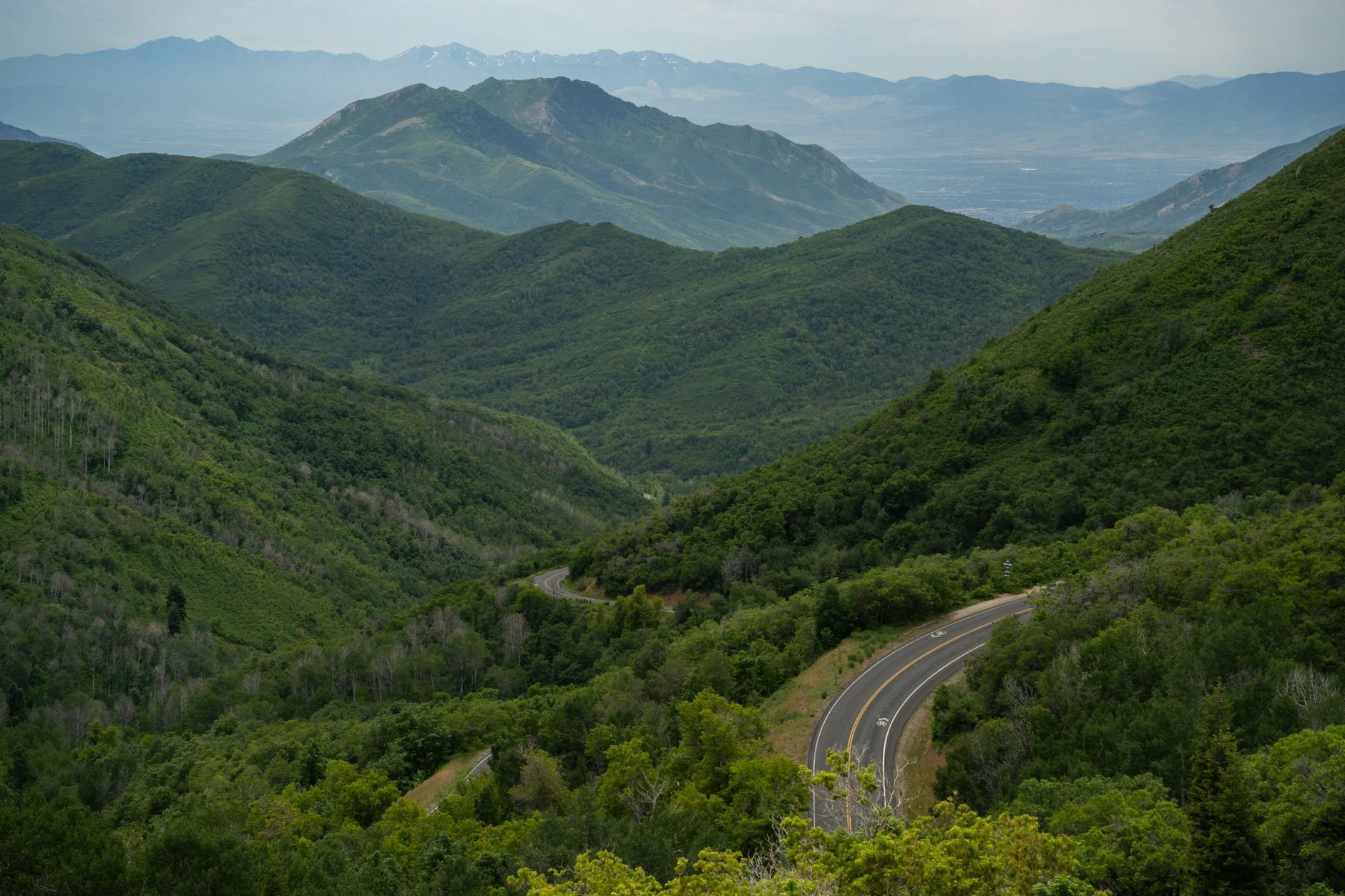
Why do bench lots and valley lots clear differently?
Because the exposed soil behaves differently. Many bench lots sit on collapsible soils — a hazard the Utah Geological Survey maps across the foothills — that stay firm while dry and settle once water reaches them. Grubbing oak out of that ground opens dozens of root holes that funnel the first storm straight down, so we backfill and compact them as we go.
Valley-floor lots carry a different problem: freshly cleared fine soil is dust in a canyon-wind event and mud when a summer cloudburst drops an inch of rain on it, so erosion control is sequenced into the clearing, not after it.
What does site clearing and grubbing cost in Utah County?
Density, stump count, and disposal distance set the price more than acreage. As ballpark planning numbers only — never a quote — clearing a brush-covered residential lot often runs $1,500 to $5,000, a heavily wooded or oak-choked lot can reach $5,000 to $12,000 or more per acre, and grubbing a single large stump typically adds $150 to $500. A site walk turns those into a budget range.
- Vegetation type. Sagebrush clears in hours; mature scrub oak and cottonwood take machine time, chipping, and haul loads.
- Stumps and root mats. Each root ball is excavator time plus a hole to backfill and compact. Flush-cutting is cheaper and wrong under a building.
- Disposal. Chipping on site is cheapest; hauled green waste is priced per load and climbs with distance.
Questions we actually get
Can’t I just grind the stumps and build over them?
Not under a footing, pad, or driveway. A ground stump leaves the root ball to decay into a void that settles the concrete above it. Grinding is fine under a future lawn; anything structural gets grubbed, backfilled, and compacted.
Do I need a permit to clear my lot?
Often, depending on the city and the size of the disturbance. Many Wasatch Front cities require a grading or land-disturbance permit, some regulate removal of larger trees, and projects disturbing an acre or more need storm-water coverage. We confirm requirements with your building department before scheduling.
What moves the price most on a clearing job?
Stump count and disposal. Brush is quick to cut; every stump is excavator time plus a backfilled hole, and every load of green waste that leaves the site is a haul fee. Chipping on site and an accurate stump count on the walkthrough are the two best ways to control the number.
Clearing is one piece of our excavation and grading work, inside the site, structure, and envelope services we carry under one contract. Once the lot is bare, the next conversation is usually the pad, the basement, or the landscaping that puts your stockpiled topsoil back to work.
Tell us what you’re working on
We reply within a couple of hours during business hours — a day at most. You’ll get a straight read on scope, sequence, and budget before anyone commits to anything.