
Soil compaction in Utah County
Soil compaction is the controlled placement and densification of fill under footings, slabs, and trenches so the ground carries its load without settling — thin lifts, conditioned moisture, and independent density tests against a Proctor target. Grandview performs it as a licensed B100 general contractor across Utah County and the Salt Lake Valley.
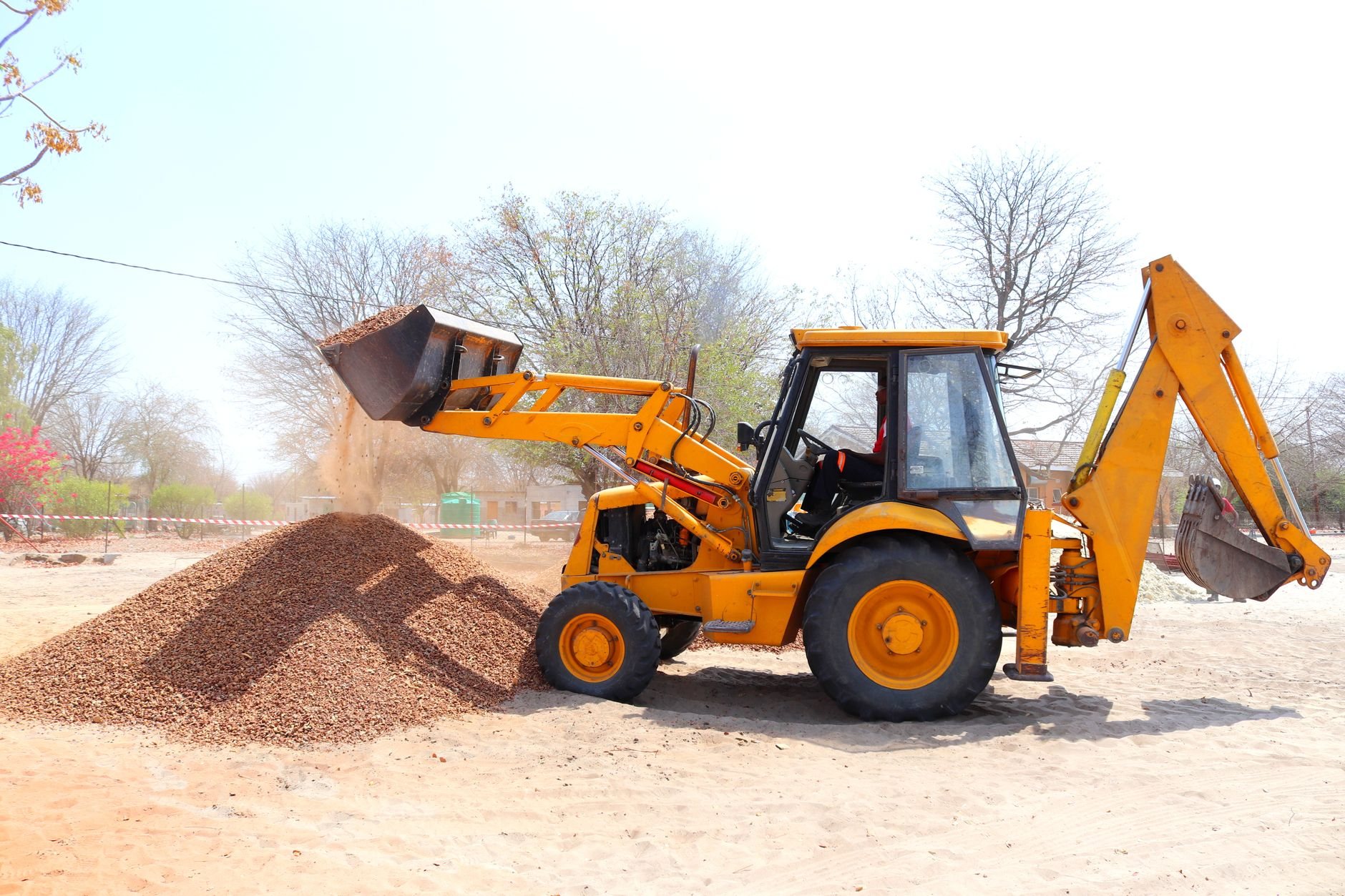
When compaction is the scope, not just a step
Every dig ends with compaction. This page is for jobs where compaction is the job.
A pad someone else cut. The fill is in and nobody can produce a density report. The fill gets tested and, if it fails, re-worked in lifts until it passes. If the pad still needs its cut, start with building pad preparation.
Over-excavation and replacement. The soils report found collapsible or soft material under the footing zone and calls for rebuilding with compacted structural fill. Foundation excavation handles the removal; this scope handles what goes back and how it’s proven.
Backfill that has to stay put. Trench backfill under a slab, fill behind a basement wall, the shelf behind a retaining wall. Our trenching work bundles this, but a trench left open by others can be compacted on its own. If cut and fill volumes need balancing first, that’s cut-and-fill grading.
What the work actually involves
Four ingredients: the right material, the right moisture, thin lifts, and the right machine for the soil. Miss one and the density gauge tells on you.
- Set the target. The geotechnical engineer runs a Proctor test on the fill to find its maximum dry density and optimum moisture. Structural fill under footings and slabs is typically specified at 95% of that maximum.
- Choose the material. Well-graded granular fill — 3/4-inch minus road base, pit run, or engineered structural fill — compacts predictably and drains. Native soil can be reused if it’s free of organics and oversize rock; silty bench soils and valley clays usually can’t be trusted under a footing.
- Condition the moisture. Fill only compacts to spec within a few percent of optimum moisture. Utah’s dry summers mean imported fill usually arrives too dry and gets watered in by the lift; a wet spring on clay means disking and drying first.
- Place in lifts. Granular fill at roughly 8-inch loose lifts; cohesive soils at 6 inches or less. Too thick a lift compacts on top and stays loose underneath — the void that becomes a cracked slab three winters later.
- Match the machine to the soil. Smooth-drum vibratory rollers for granular pads; padfoot rollers for clays that need kneading; plate compactors for slab subgrade; jumping-jack rammers in trenches a plate can’t reach.
- Test every lift. An independent geotechnical technician checks density with a nuclear gauge as lifts go in. We schedule the visits and re-work any lift that fails before the next one covers it. You get the written report for the inspector.
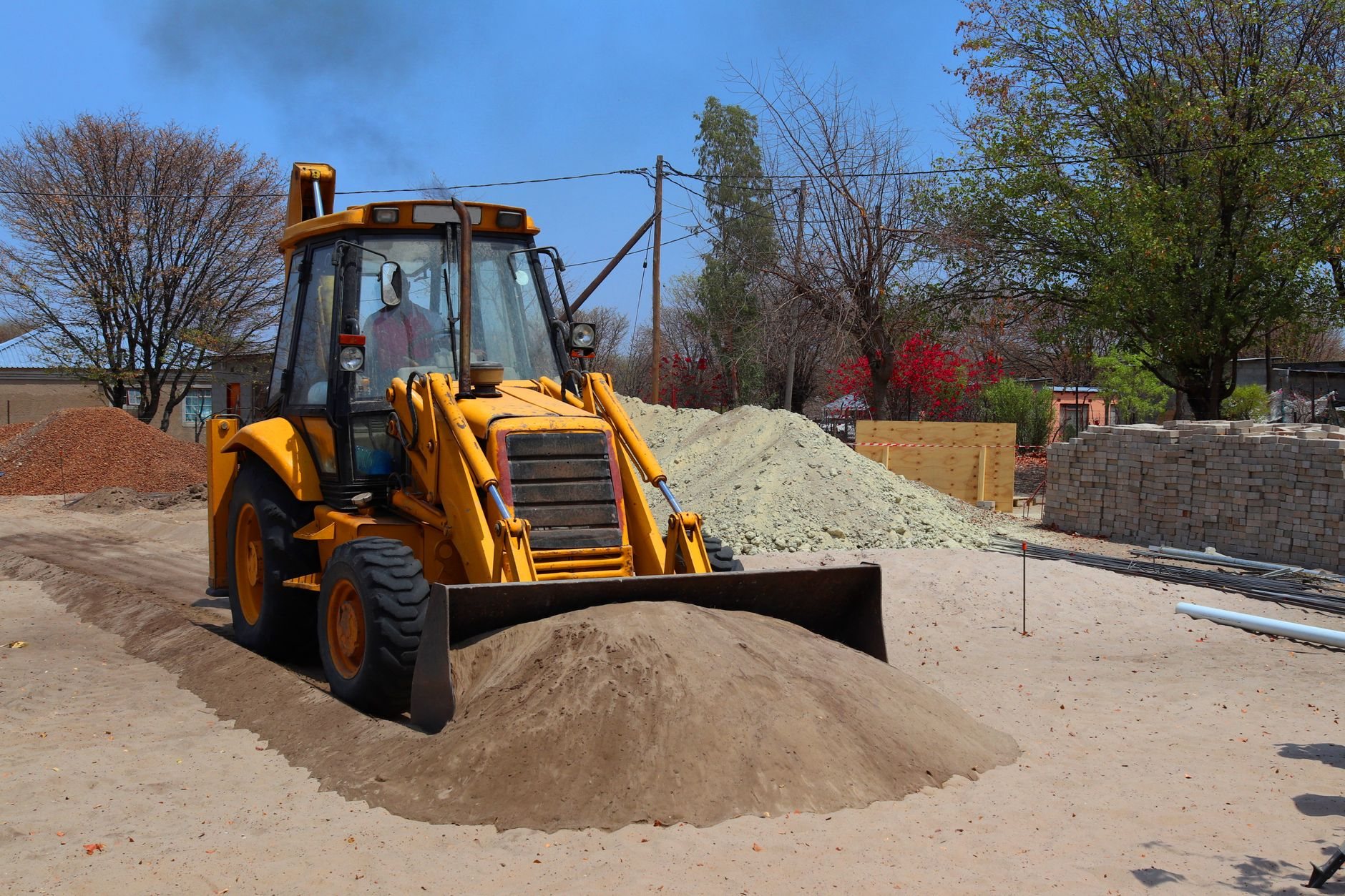
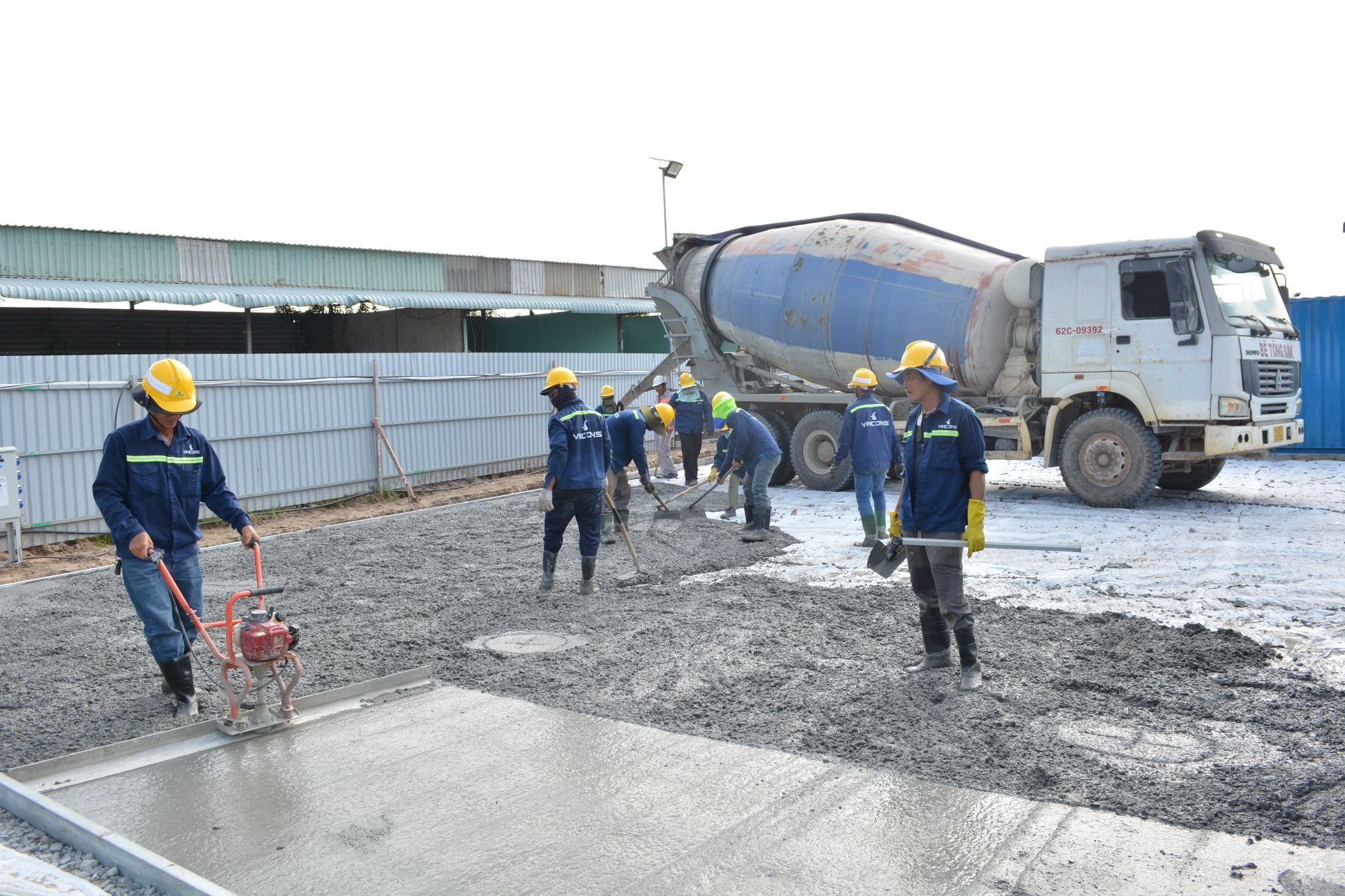
Why compaction in Utah County is not optional
The Wasatch Front has two soils that fail in opposite directions. Bench lots in Provo, Orem, and Lindon often sit on collapsible soils the Utah Geological Survey documents across the region — material that holds up until a sprinkler system or wet spring saturates it, then drops. Valley-floor lots toward Vineyard and Saratoga Springs often sit on expansive clay that swells wet and shrinks dry. The fix for both is the same: remove the unreliable layer, replace it with compacted structural fill, and test it.
Season matters here. Frozen soil cannot be compacted — ice holds the particles apart, and a gauge will pass a lift that collapses at thaw — so winter fill waits for a thaw window or uses dry granular material worked quickly. With 100-plus freeze-thaw days a year along the Wasatch Front, moisture-conditioned fill doesn’t sit uncovered overnight in November.
What does soil compaction cost in Utah?
Mostly it depends on how much fill moves and whether it’s imported. As ballpark planning numbers only — never a quote — compacting and testing an existing pad for a detached garage or shop often lands between $1,500 and $5,000; a full over-excavate-and-replace under a home footprint with imported fill commonly runs $8,000 to $25,000. Independent density testing is billed per visit, usually a few hundred dollars each.
- Import volume. Structural fill is priced per ton delivered; 200 tons in prices very differently from screened native soil going back.
- Depth of replacement. Each extra foot of over-excavation is another round of lifts, water, and testing.
- Access. Trench backfill and tight infill lots mean hand-guided compactors, which move a fraction of what a roller does per hour.
You’ll get a budget range after a site walk and the soils report, a firm estimate once replacement depth is defined, and a proposal you can hold us to.
Questions we actually get
What does “95% compaction” actually mean?
It means the fill reached 95% of the maximum dry density a lab measured for that specific material in a Proctor test. It’s a relative number, so the test has to be run on the material you’re actually using; the field gauge is checked against that lab value, lift by lift.
Can you compact the soil that came out of the hole?
Sometimes. Clean granular native material can go back if it’s screened of organics, debris, and rock over about 3 inches, and the geotech approves it. Collapsible bench silts and fat valley clays generally can’t be made to perform under a footing no matter how hard they’re rolled.
Who does the testing, and why not you?
An independent geotechnical firm sends a technician with a nuclear density gauge. We schedule them, but we don’t test our own work — a passing result from the crew that did the compacting isn’t evidence, and most Utah County building departments want the third-party report before the footing inspection.
Why did my driveway sink along the utility trench?
Almost always because the trench was backfilled in one push instead of lifts, or with the wrong material. A plate compactor on two feet of loose clay only densifies the top few inches; the rest settles over the next few wet seasons and takes the concrete with it. Trench backfill under slabs needs the same lift-and-test treatment as a pad.
Where compaction fits in the project
Compaction is one piece of our excavation and grading work and sits under nearly everything in the site, structure & envelope family — a tested pad leads straight into foundations or concrete flatwork. Our license is verifiable through the Utah Division of Professional Licensing.
Tell us what you’re working on
Send the address, what’s going on the pad, and the soils report if you have one. We reply within a couple of hours during business hours — a day at most — with a straight read on fill, testing, and budget.