
Swimming Pool Excavation in Utah County
Pool excavation is the shaped dig for an in-ground pool: perimeter, shallow-to-deep floor profile, steps, benches, and the over-dig the shell needs, cut clean enough to shoot shotcrete against. Grandview performs the dig as a licensed B100 general contractor, verifiable through Utah DOPL, for homeowners and pool companies across Utah County and the Salt Lake Valley.
When a pool dig is the right scope, and when it isn’t
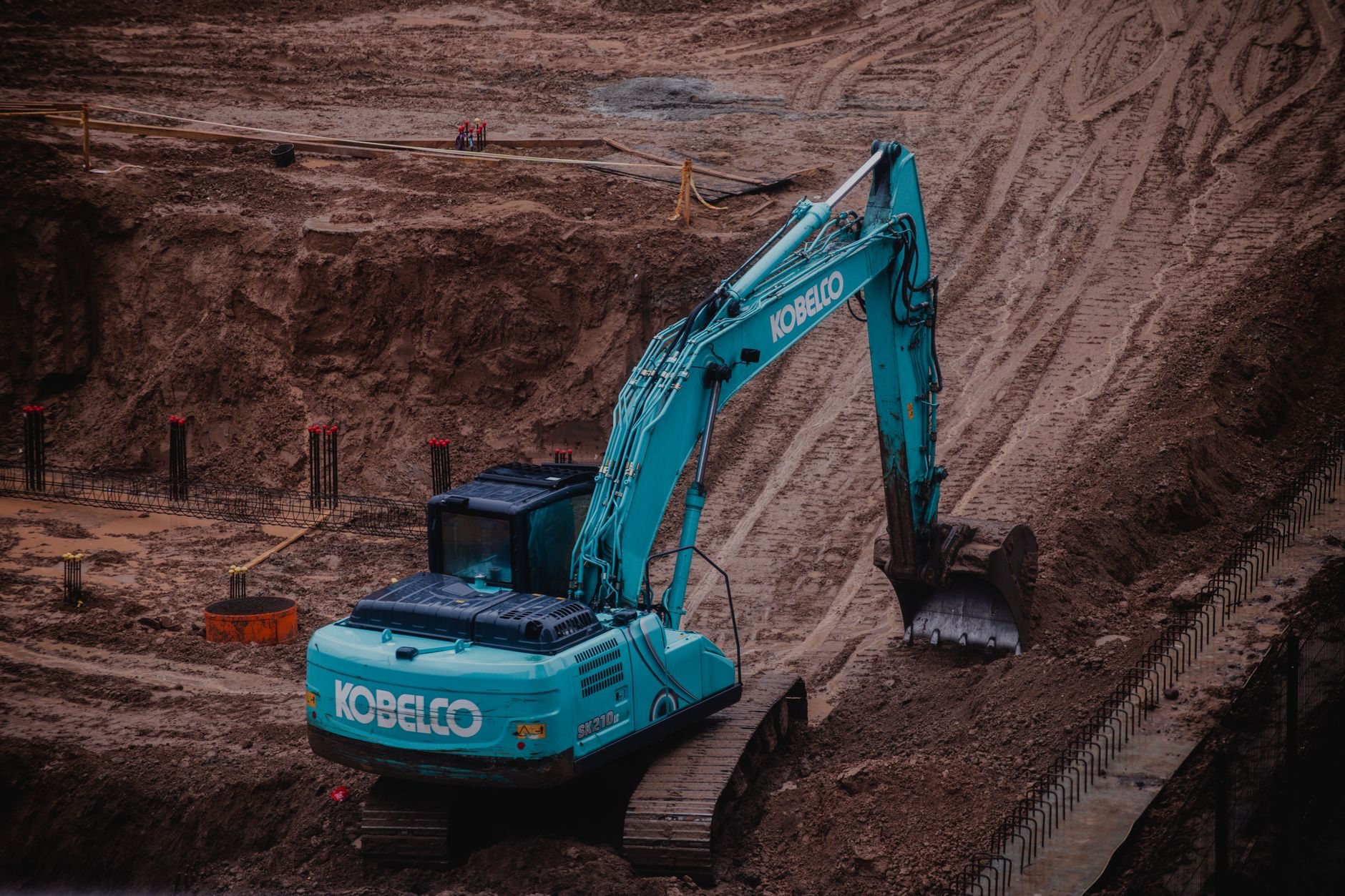
A foundation excavation gets over-dug and backfilled against finished walls; a shotcrete pool is shot directly against the dirt, so the dirt is the form. Walls stand plumb, the floor holds the designed slope, and nothing behind the shell gets loosened. That separates this work from mass excavation, where yardage matters more than the shape of the last six inches.
You need this scope if you’re building a gunite, fiberglass, or vinyl-liner pool and the pool company wants a dig-ready site, or if Grandview is running the whole backyard under one contract. One honest note on that arrangement: pool shells, pool plumbing, and equipment are installed by licensed pool contractors. We hold the contract, sequence their work, and quality-check it; the dig, trenching, compaction, and concrete are ours.
If the job is only running lines to the pad, you want trenching. If the pool is done and the yard needs reshaping, that’s rough and finish grading.
What the dig involves, in order
- Layout and setbacks. We paint the outline and over-dig lines from the builder’s plan, set a benchmark for finished water level, and confirm setbacks from property lines, septic, easements, and overhead power. We also check distance from the house footing; dig inside a foundation’s zone of influence and you start undermining the home.
- Locates and access. Blue Stakes 811 marks the utilities. A full-size excavator wants roughly ten feet of clear width, so fence panels and sometimes a strip of landscaping come out and go back.
- Over-dig to the builder’s spec. Gunite shells typically get 8 to 12 inches beyond the finished wall for steel and shotcrete, with the floor cut 6 to 12 inches below finished depth. Fiberglass shells get a few inches for bedding gravel. Vinyl pools need a flat, compacted footing shelf for the wall panels.
- Shape the profile. Shallow end around 3.5 feet, deep end 6 to 8 feet, the transition slope, plus benches, steps, and sun shelves cut into the dirt. The steel crew should find the shape ready, not approximate.
- Handle the spoils. A 16-by-32 pool displaces about 100 cubic yards in place, and loose dirt bulks up by a quarter or more. We keep what backfill needs and haul the rest.
- Trench and backfill. Once the shell is in, we cut equipment-pad lines below Utah’s roughly 30-inch frost depth and backfill around the shell in compacted lifts so the pool deck doesn’t settle away from the coping.
Groundwater, cobble, and the two soils that crack pool shells
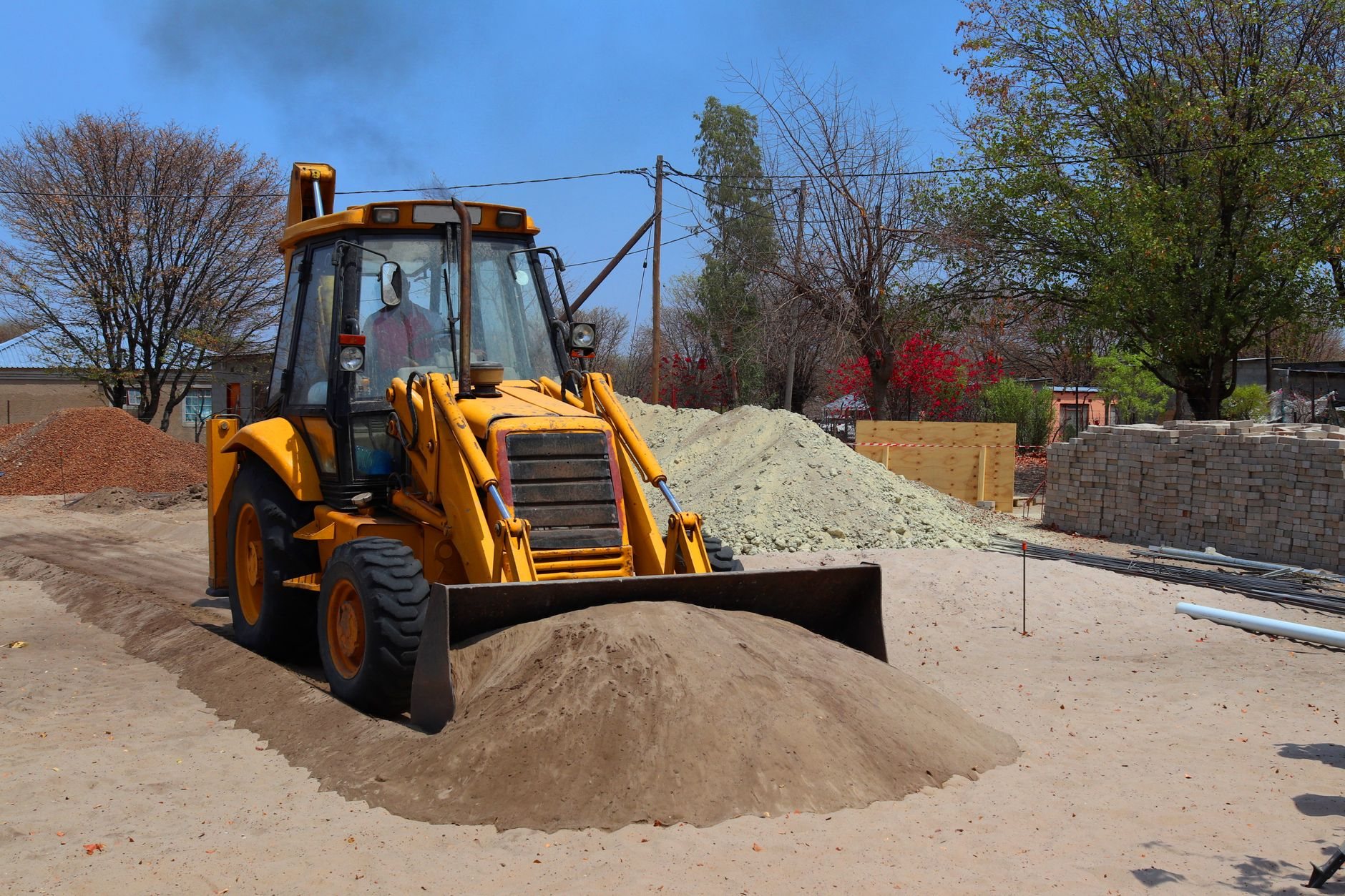
Pools go deeper than most backyard work, so the ground matters more than under a patio. Lots near Utah Lake — parts of Vineyard, Saratoga Springs, Provo, and Spanish Fork — can hit groundwater at pool-floor depth. A wet hole needs pumping, and the finished pool needs a hydrostatic relief valve so an empty shell can’t float. Bench lots above Orem, Lindon, and Alpine run the opposite way: dry, but full of cobble and boulders that sometimes call for a hydraulic breaker.
Between them sit the two soils the Utah Geological Survey documents across the Wasatch Front. Collapsible bench soils hold shape until a leaking return line saturates them, then settle. Valley-floor expansive clay swells and lifts whatever’s on it. Either can crack a shell or heave a deck. If we find bad material at depth, we over-excavate and rebuild the floor with compacted structural fill, and we tell you before the change order rather than after.
Every yard of dirt that slumps off a wall becomes an extra yard of shotcrete billed by volume. A clean, plumb dig that gets shot promptly is the cheapest shell you’ll ever buy.
What does pool excavation cost in Utah?
As ballpark planning numbers only, never a quote: a typical residential pool dig with open access and ordinary soil often lands between $3,000 and $8,000 including haul-off. Rock, groundwater, mini-excavator-only access, or a long dump run can push it well past that.
- Access. A machine that fits through a 6-foot side yard moves a fraction of the dirt per hour.
- Spoils. Hauling is priced per load; reusing dirt on site for grading or berms cuts the trucking line.
- Rock and water. Breaker time and dewatering are hourly costs the bucket finds.
- Depth and features. A diving-depth deep end, a tanning ledge, and a spa well all add shaped cutting time.
Questions we actually get
Can you dig for a pool company I’ve already hired?
Yes. Send us their dig plan and we’ll price the hole, the spoils, and the trenching to the equipment pad to their over-dig spec and schedule. If you’d rather have one contract covering the dig, deck, fence, and pad, we can hold it and coordinate the licensed pool contractor within it.
How much dirt comes out of a pool dig, and where does it go?
A mid-size pool displaces roughly 100 cubic yards in place, which bulks to 120 or more loose — ten-plus truckloads. We keep what backfill needs and haul the rest. Stockpiles kill grass within days, so we stage on the driveway or a corner you choose.
What if you hit groundwater or rock?
Groundwater gets pumped and the builder adds a hydrostatic relief valve so the shell can’t float when empty. Cobble and boulders get a breaker or a bigger bucket. Both are hourly conditions we can’t see from the surface, so we price them as flagged allowances and show you what came out of the hole.
How close to my house can the pool go?
Far enough that the dig stays outside the foundation’s zone of influence — roughly, soil within a 45-degree line down from the footing stays undisturbed. Cities also set pool setbacks from property lines and overhead lines; verify them with your city building department and we’ll lay the outline out to match.
What usually follows the hole
The dig is one part of our excavation and grading work and one step in in-ground pool construction. Backfill around the shell gets density-tested the same way we handle soil compaction under pads. All of it lives in our site, structure & envelope family.
Tell us what you’re working on
Send the address, the pool plan if you have one, and a photo of the side-yard access. We’ll give you a straight read on soils, spoils, and sequence — usually within a couple of hours during business hours, a day at most.