
In-Ground Pool Construction, Managed by Grandview
In-ground pool construction is the full sequence from layout and excavation through shell, plumbing, deck, equipment, and the barrier inspection that lets you fill it. Grandview holds the contract under a B100 general contractor license and manages licensed pool builders, electricians, and plumbers so a Salt Lake City or Utah County backyard gets one schedule and one accountable party.
When a managed pool build is the right call
Hire this scope when the pool is one piece of a larger backyard or home project. If a pool contractor is already under contract and you only need the hole dug and the spoils hauled, pool excavation is the narrower service. If the shell already exists and the surround is the problem, pool deck concrete or a pool safety fence is the right page.
This page is for the rest: a new pool that also needs a retaining wall cut into a bench lot, an equipment enclosure and cabana, a gas line for a heater, a 240-volt feed, and a deck that ties into an existing patio. Six trades touch that project. Somebody has to own the order they show up in, and that is the job we take.
What an in-ground pool build involves, in order
Three shell types dominate the Wasatch Front: gunite or shotcrete (concrete sprayed over a steel cage, any shape, longest build), fiberglass (a factory shell set in a day, limited shapes, fastest), and vinyl liner (steel or polymer walls with a liner replaced every decade or so). The shell choice sets the sequence, but every build follows roughly the same path.
- Layout and engineering. We stake the shell, confirm setbacks and utility easements, and get the structural design stamped. Lots on expansive clay or collapsible bench soils, both mapped by the Utah Geological Survey, typically need a geotechnical letter before a city will issue the permit.
- Permits. A pool needs a building permit plus electrical and often plumbing and gas permits. Fast-growth cities like Lehi and Saratoga Springs run different review timelines than Salt Lake City or Provo; we file early and sequence the dig around the approval, not the other way around.
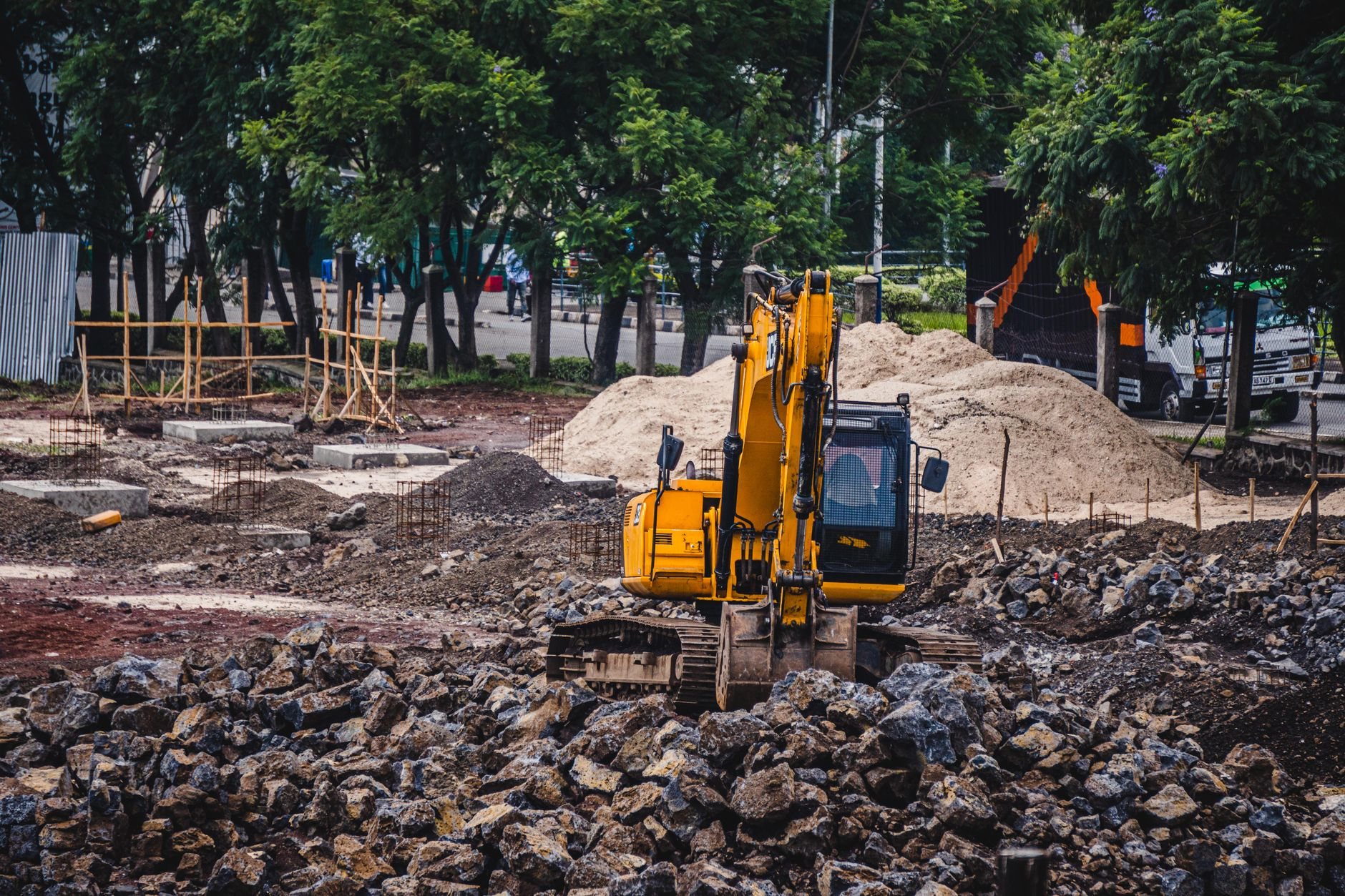
- Excavation and over-dig. The pit is cut oversized so the steel and plumbing have room, then the floor is shaped to the deep-end profile. Spoils from a typical residential pool run 80 to 150 cubic yards, so haul-off is planned, not improvised.
- Steel and rough plumbing. The rebar cage is tied to the engineer’s schedule, and the licensed plumber sets main drains, returns, skimmer lines, and any spa loop before concrete. This is the inspection nobody should skip.
- Shell. Shotcrete is sprayed and cured for roughly a month before finishes, or the fiberglass shell is set and backfilled with the plumbing tested under pressure.
- Tile, coping, deck, and equipment. The waterline tile and coping go on, then the deck is poured in an air-entrained mix, then the pad, pump, filter, heater, and bonding grid are set and the electrician makes the final connections.
- Interior finish, fill, and barrier inspection. Plaster or pebble finish, the fill, start-up chemistry, and the final inspection that confirms the barrier, gates, and alarms meet current Utah-adopted code.
Who does what on a Grandview pool project
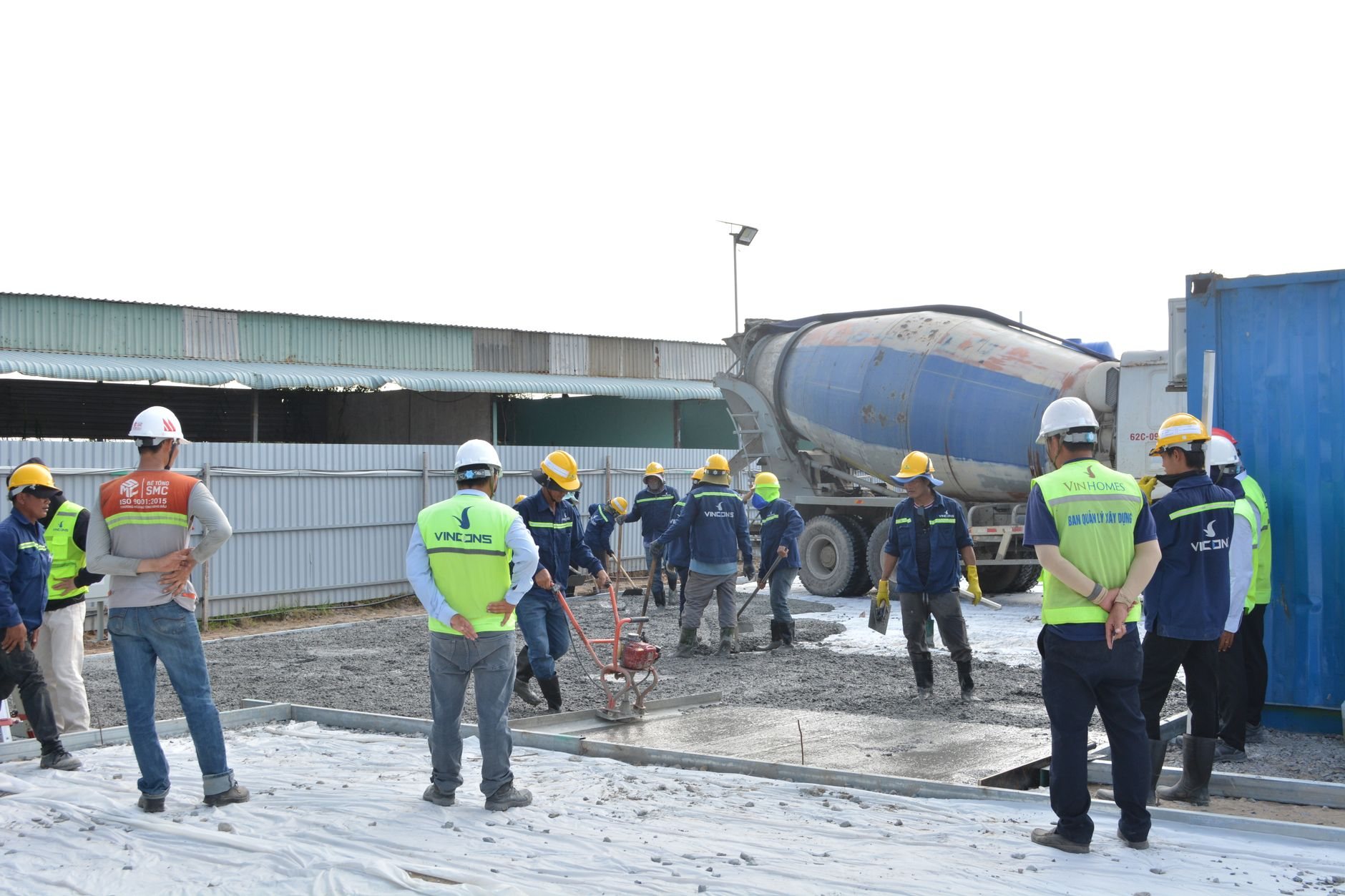
Plainly: pool shells are built by licensed pool contractors, and the electrical, plumbing, and gas work is done by licensed trade partners. Grandview holds the contract, writes the sequence, coordinates the inspections, and quality-checks each handoff within your project. The dig, retaining walls where a bench lot needs them, the deck, and any structure or exterior scope tied to the build run under the same contract. One schedule, one point of contact, nobody pointing at the previous trade.
What does an in-ground pool cost in Salt Lake City?
As a ballpark planning range, a fiberglass pool installed along the Wasatch Front usually lands somewhere between the mid five figures and low six figures, and a gunite pool with deck, equipment, and barrier typically runs well into six figures. Those are planning numbers, not promises; a firm estimate follows a site walk and a stamped design.
What moves the number:
- Soil and water. Expansive clay can require a thicker shell or deeper beam; a shallow water table on some valley-floor lots near Utah Lake or the Jordan River means dewatering during the dig and a hydrostatic relief valve in the floor.
- Access. An excavator and concrete trucks need a path. A backyard reached only through a six-foot side yard means smaller machines, conveyor pumping, and more days.
- Freeze protection. Utah pools get winterized every year, so plumbing is sloped and valved to drain, and the deck concrete is air-entrained to survive 100-plus freeze-thaw days without spalling. Skipping either saves money once and costs it every spring.
- Electrical capacity. A variable-speed pump, heater, and lighting often need a dedicated subpanel. If the main panel is full, that upgrade belongs in the budget from day one.
- Everything around the pool. Deck, retaining walls, fencing, enclosure, and cabana can equal the shell cost. We price them as line items so you can phase them.
Questions we actually get
How long does an in-ground pool take to build in Utah?
Plan on three to five months for gunite from dig to swim, mostly because the shell cures for about a month before tile and plaster. Fiberglass can be swimmable in four to eight weeks. Permit review adds weeks up front, and bench lots are rarely diggable from December through February.
Does Grandview build the pool shell itself?
No. Licensed pool contractors build the shell and licensed electricians and plumbers handle their trades. Grandview holds the contract, manages those partners, sequences the inspections, and performs the surrounding site, concrete, and structure work. Our B100 license is verifiable at dopl.utah.gov.
Can a pool go in on a sloped bench lot?
Usually, with an engineered retaining wall on the uphill or downhill side and a soils report that confirms the shell can bear on undisturbed ground. Collapsible bench soils are the main risk; the fix is over-excavation and compacted structural fill, which we price before the dig rather than discover during it.
What barrier does Utah require around a residential pool?
Current Utah-adopted code requires a barrier, typically a fence at least four feet tall with self-closing, self-latching gates, and the final inspection checks it before the pool is approved for use. Some cities add door alarms or cover requirements, so verify with your city building department early. We include the barrier in the base scope.
Tell us what you’re working on
We reply within a couple of hours during business hours, a day at most. You’ll get a straight read on shell type, sequence, and budget before anyone commits to anything.