
Mass Excavation in Utah County
Mass excavation is bulk earthmoving measured in thousands of cubic yards — lowering an entire site, a full-footprint basement or parking level, or a hillside bench to design subgrade, with the spoils hauled off or stockpiled. Grandview plans and performs it as a licensed B100 general contractor for owners, developers, and builders across Utah County and the Salt Lake Valley.
When mass excavation is the right scope — and when it isn’t
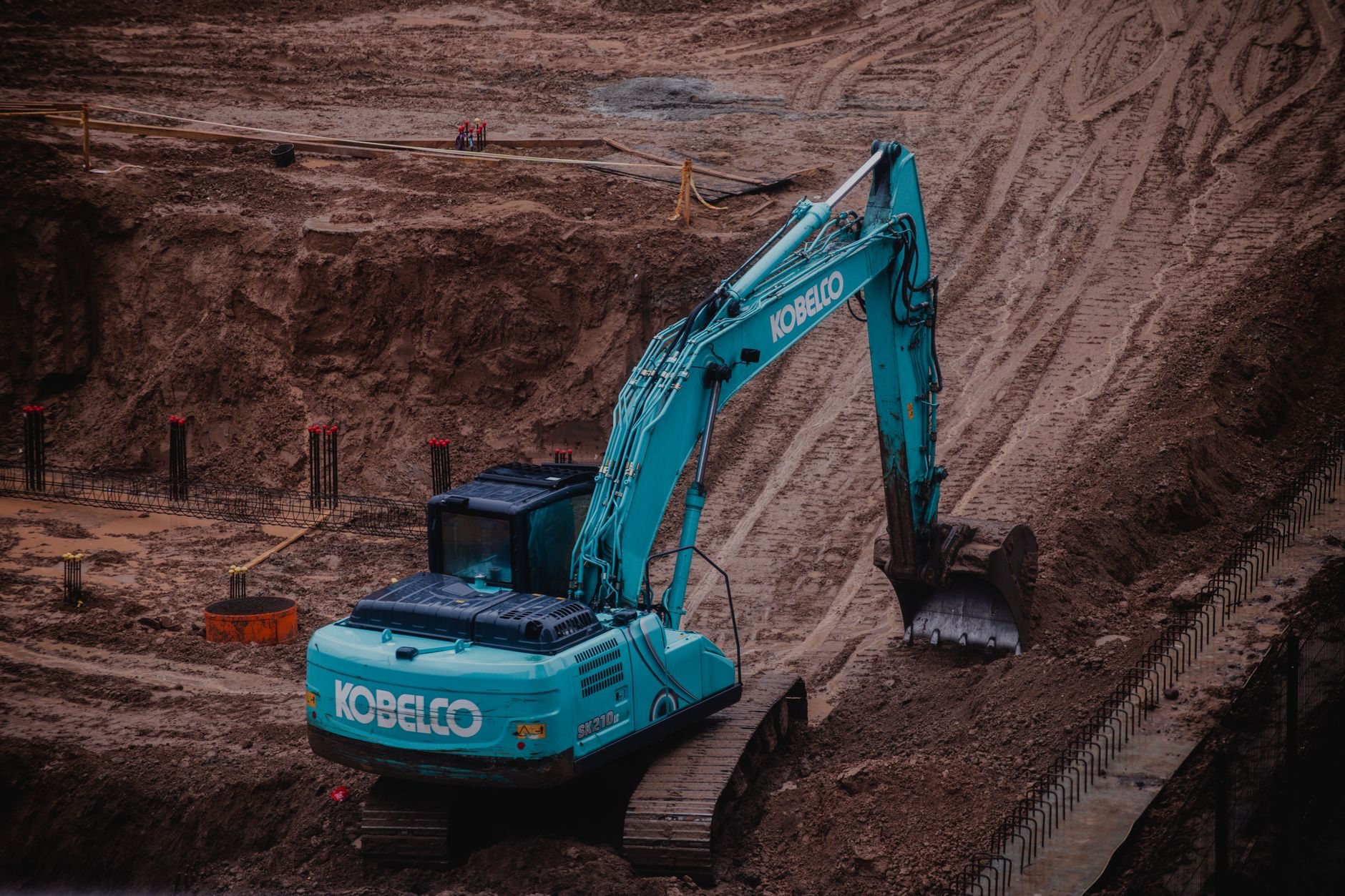
“Mass” describes method as much as size. A dig becomes mass excavation when it’s large enough to run as a production haul cycle — a tracked excavator loading a rotation of trucks all day, progress measured in loads per hour. The usual triggers are a walkout basement under a large custom home, a parking level under a multifamily building, a commercial pad coming down several feet across its footprint, or a bench lot where the only buildable surface is one you cut into the slope.
It is not the right page for a footing dig under one house with a few hundred yards of spoils — that’s foundation and footing excavation. If the site can be leveled by moving dirt from its high side to its low side, you want cut-and-fill site balancing, cheaper because the trucks stay home. If the ground is already near grade, that’s building pad preparation. Mass excavation is the scope where export, haul distance, and machine productivity decide the budget. It follows site clearing and grubbing, precedes the foundation, and sits within our excavation and grading work in the site, structure & envelope family.
What a mass excavation actually involves
Most of the engineering in a bulk cut happens before a bucket touches dirt. We see dependencies before they become delays.
- Quantities, in the right units. We take off the cut in bank cubic yards, then convert to loose yards for trucking — most Utah soils swell 20 to 30 percent when excavated, so 10,000 bank yards is 12,000 to 13,000 yards on trucks. Pricing the wrong unit is the most common way a bulk dig blows its budget.
- Survey control and machine guidance. Design surfaces go into GPS-guided excavators and dozers, with a rover checking grade against the model.
- Haul cycle and disposal. We size the truck fleet to the loader, confirm the dump site and its tipping terms, and plan a haul route the city has seen.
- Cut-wall safety. Walls deeper than five feet are sloped or benched to the soil type under the federal excavation standard — Wasatch Front material often classifies as Type B or C, meaning a flatter, wider cut than people expect — or shored where a property line leaves no room.
- Strip, then bulk cut. Topsoil comes off first and is stockpiled separately. The excavator works in lifts to design elevation; a finishing pass brings the floor in. Unsuitable material is over-excavated and documented before it changes the number.
- Subgrade verification. The floor is proof-rolled and inspected by the geotechnical engineer, then handed to compaction or foundation work with a surveyed as-built.
Larger sites in Utah need a fugitive dust control plan, and an acre or more of disturbance needs a stormwater permit with erosion control and SWPPP measures in place before the first truck rolls.
How Utah ground changes the bulk cut
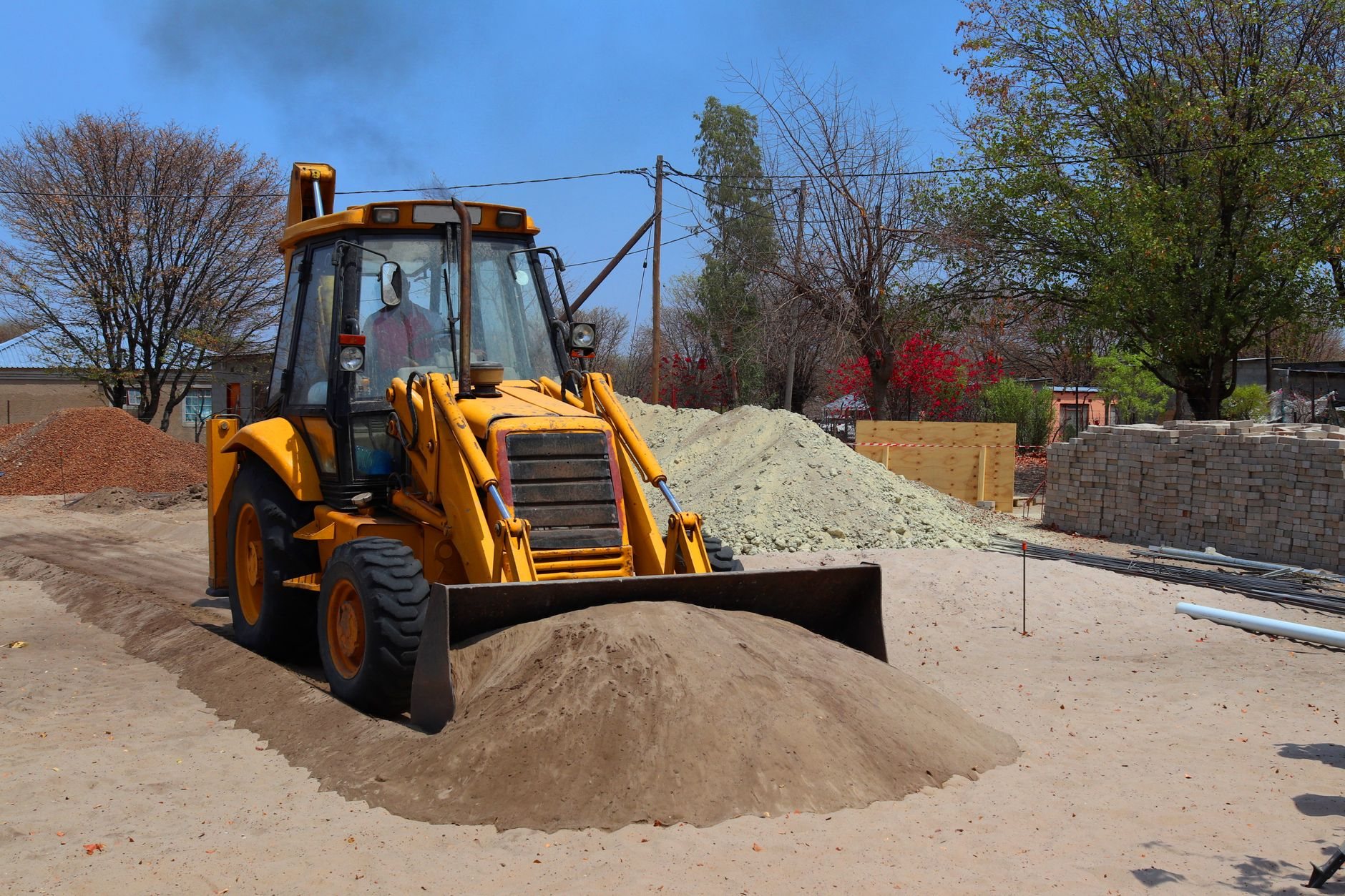
A large excavation samples far more of the subsurface than a trench does, so it finds the geology a small dig skips. On bench lots from Alpine to Mapleton, the cut usually hits alluvial-fan cobble and boulder layers that slow a haul cycle to a rock-picking exercise and can’t be reused as fill without processing. On the valley floor, from Provo and Orem out through Vineyard and Saratoga Springs, the cut passes through fine silts and clays left by Lake Bonneville, which the Utah Geological Survey maps across the basin. That material is weak when wet, groundwater is shallow near Utah Lake, and a deep dig there may need dewatering and a stable working floor before trucks can load efficiently. Spring runoff raises water tables, so a cut planned for April can become a pumping job. A bench cut that needs its new face held is usually paired with retaining walls under the same contract.
What does mass excavation cost in Utah?
Priced by the cubic yard, and the yard price is mostly trucking. As ballpark planning numbers only — never a quote — bulk cut-and-haul on Wasatch Front sites commonly runs $8 to $25 per bank cubic yard: the low end for soft, dry dirt and a short haul, the high end for rock, wet ground, or a long drive across the valley. A site walk and the grading plan turn that spread into a budget range.
- Haul distance and disposal terms. Doubling the drive to the dump site roughly doubles the trucking line, which is often more than half the job.
- Material and water. Cobble, boulders, saturated clay, and dewatering all cut production rates.
- Depth and wall height. Deeper cuts mean more slope laid back or more shoring.
- Site constraints. Tight infill lots in Salt Lake City or Provo limit truck staging; open ground in Eagle Mountain lets the cycle run.
Questions we actually get
How many cubic yards makes a dig a “mass” excavation?
There’s no official threshold. We treat a cut as mass excavation once it’s large enough to run as a continuous load-and-haul operation — usually a few thousand bank cubic yards and up — and the economics shift from hours on a machine to loads per hour and miles to the dump site.
Can the excavated material be reused on site?
Sometimes. Clean granular material can often serve as structural fill if the geotechnical engineer approves it and it’s placed and tested in lifts. Topsoil, saturated clay, and oversized cobble usually cannot. Ask early — every yard that stays on site is a yard you don’t pay to truck away.
Does a deep cut next to my property line need shoring?
Often, yes. When there’s no room to slope the wall back at a safe angle, the excavation standard requires a shoring or shielding system, and a cut near a neighbor’s building usually needs an engineered design. We identify that on the site walk, not partway down.
What drives the schedule most?
Truck throughput. One excavator can load far faster than a single truck can cycle, so truck count, haul distance, and the dump site’s hours set the pace. Weather, groundwater, and rock are the usual reasons a two-week dig becomes a four-week one.
Tell us what you’re working on
Send the address and the grading plan if you have one. We’ll give you a straight read on quantities, haul, and budget before anyone commits to anything — within a couple of hours during business hours, a day at most.