
Concrete & Slab Demolition in Utah County
Concrete demolition removes slabs, driveways, patios, footings, and stem walls — cut, broken, loaded, and recycled — without touching the structure around them. It’s the right scope when the concrete is the problem and the building isn’t, and Grandview performs it across Utah County and the Salt Lake Valley under a B100 general contractor license.
Discuss a project Or call (385) 236-1741
When concrete demolition is the right scope — and when it’s something else
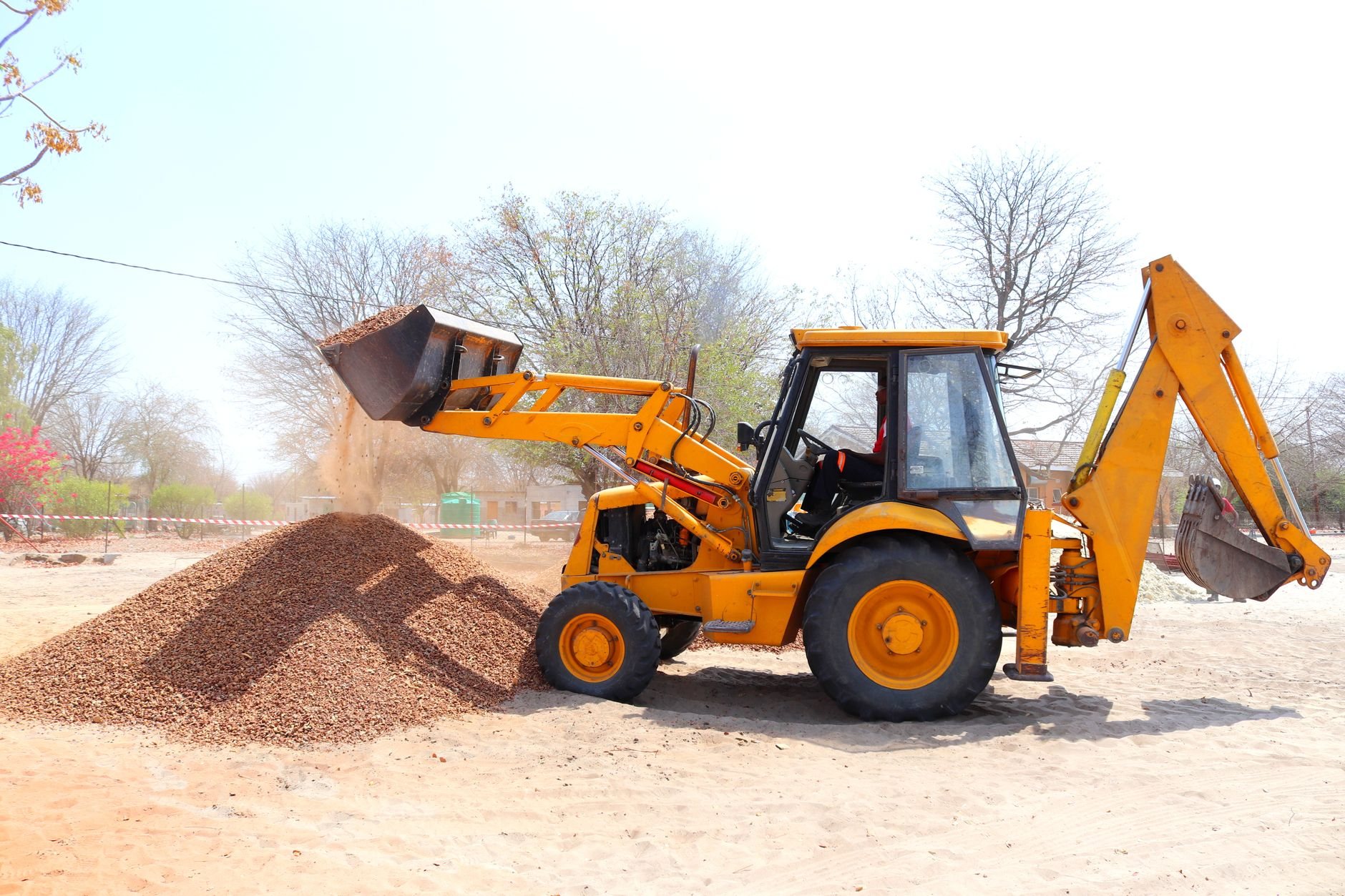
Concrete demolition is its own job when the concrete is what’s failing or in the way: a driveway heaved into plates by frost, a basement slab coming out for a sewer line, a patio where an addition is going, or old footings a new foundation can’t sit on. Nothing above it comes down. The concrete leaves and the site stays.
If the building on the slab is coming down too, that’s full structure demolition, with slab removal priced inside it. A detached garage or shed with a floor is garage and outbuilding demolition. An interior stripped to studs with the slab left alone is selective and interior demolition. This page covers the concrete itself, standalone or ahead of new driveways and flatwork.
One caveat: a sunk-but-intact slab can sometimes be lifted, and a merely ugly one overlaid. We’ll say which you have before we price a breaker.
What slab and flatwork removal actually involves
The job starts with questions you can’t answer from the surface: how thick the concrete is, whether it’s reinforced with rebar or wire mesh, what’s underneath it, and where it stops. A 4-inch driveway with no steel breaks fast and loads easily. An 8-inch reinforced shop slab with turned-down footings is a different day and a different truck count. Where thickness is unknown, we probe a corner before committing to a method.
The method follows the concrete:
- Saw-cutting. Wherever the removal meets concrete that stays — a trench through a slab, a driveway apron at the city sidewalk, the slab line against a stem wall — we cut a straight, full-depth line first. The new pour then meets the old at a deliberate edge instead of a ragged break that cracks later.
- Breaking. Open flatwork comes up with a hydraulic breaker on a skid steer or excavator. Interior slabs and anything near a foundation wall get handheld breakers so vibration stays where it belongs. Basement slabs come out in panels with an eye on the footing.
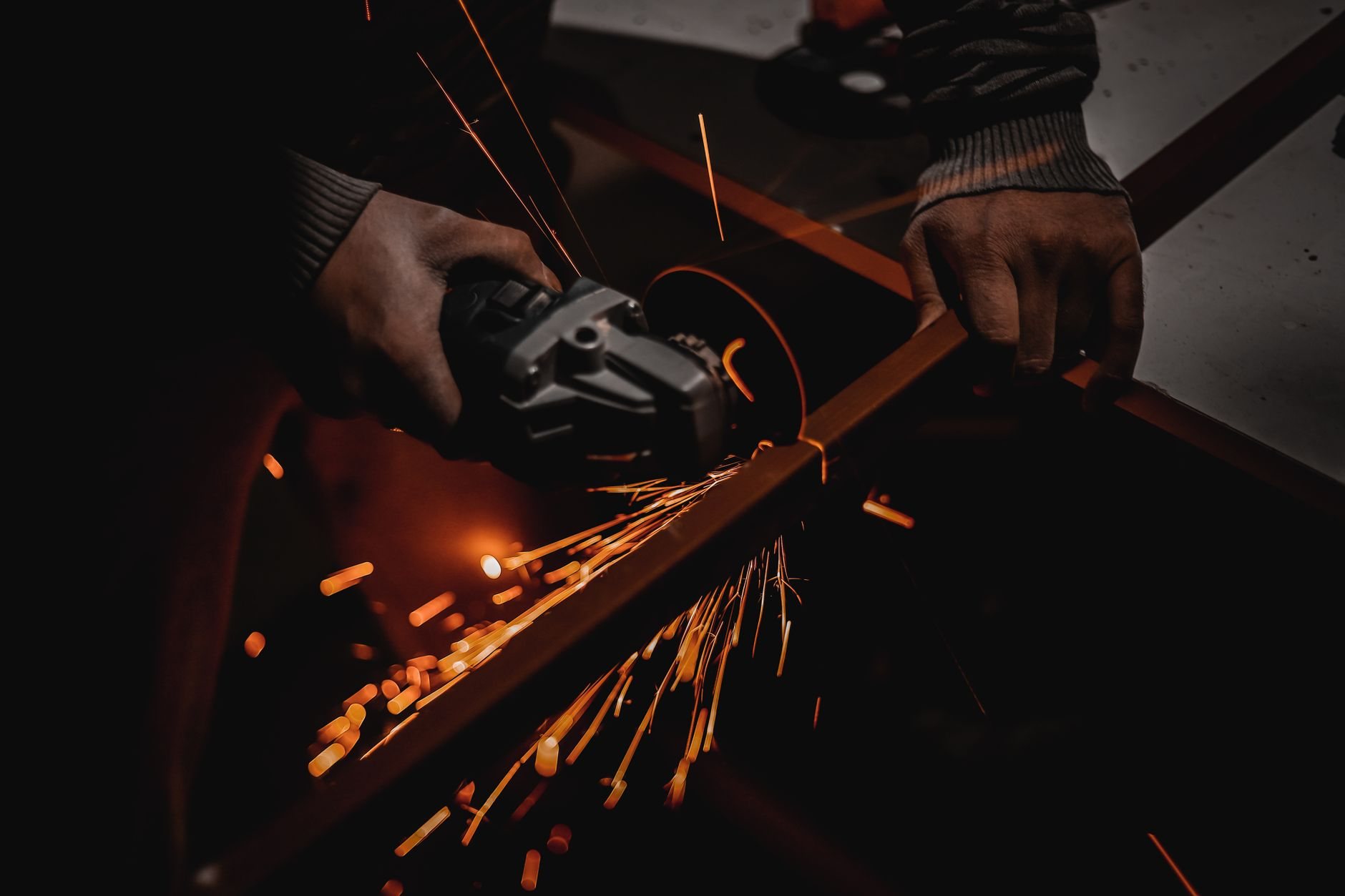
- Steel. Rebar and mesh are cut out and separated so the concrete recycles clean and the steel goes to scrap. Mesh slabs are the slow ones — the mesh holds broken pieces together like a net and every panel has to be cut free.
- Loading and haul-off. Rubble goes to a concrete recycler to be crushed into road base, not to a landfill. A typical two-car driveway is roughly 20 to 30 tons, which is why “how thick” matters to your invoice.
- Subgrade. What’s under the old slab decides what goes on top of it. Along the Wasatch Front we routinely find expansive clay or collapsible bench soils, or no base at all under a 1970s driveway — often why it failed. If new concrete is going in, soft material comes out and compacted gravel base goes in.
Interior slabs add two checks. Silica dust is a regulated hazard, so breaking indoors means wet methods and containment. And black mastic under old vinyl tile on pre-1980s slabs can contain asbestos, so it gets tested before anything grinds it.
Where removal runs deeper than the slab — footings, stem walls, retaining walls — the scope overlaps with excavation and grading, and backfill is compacted in lifts rather than pushed in and hoped for.
What does concrete demolition cost in Utah?
As ballpark planning numbers only: removing unreinforced residential flatwork along the Wasatch Front commonly lands between $2 and $6 per square foot including breaking, loading, and recycling fees. Reinforced or thick slabs, interior work, and footings run higher because labor and tonnage climb together. We’ll give you a real figure after we see it and probe it.
What moves it:
- Thickness and reinforcement. The two biggest drivers. Every extra inch is more breaker time and more tons on the truck; rebar or mesh adds cutting and sorting.
- Access. A driveway a skid steer can drive onto is cheap to work. A patio behind a six-foot fence, or a basement slab that leaves the house in buckets, is handwork and priced as such.
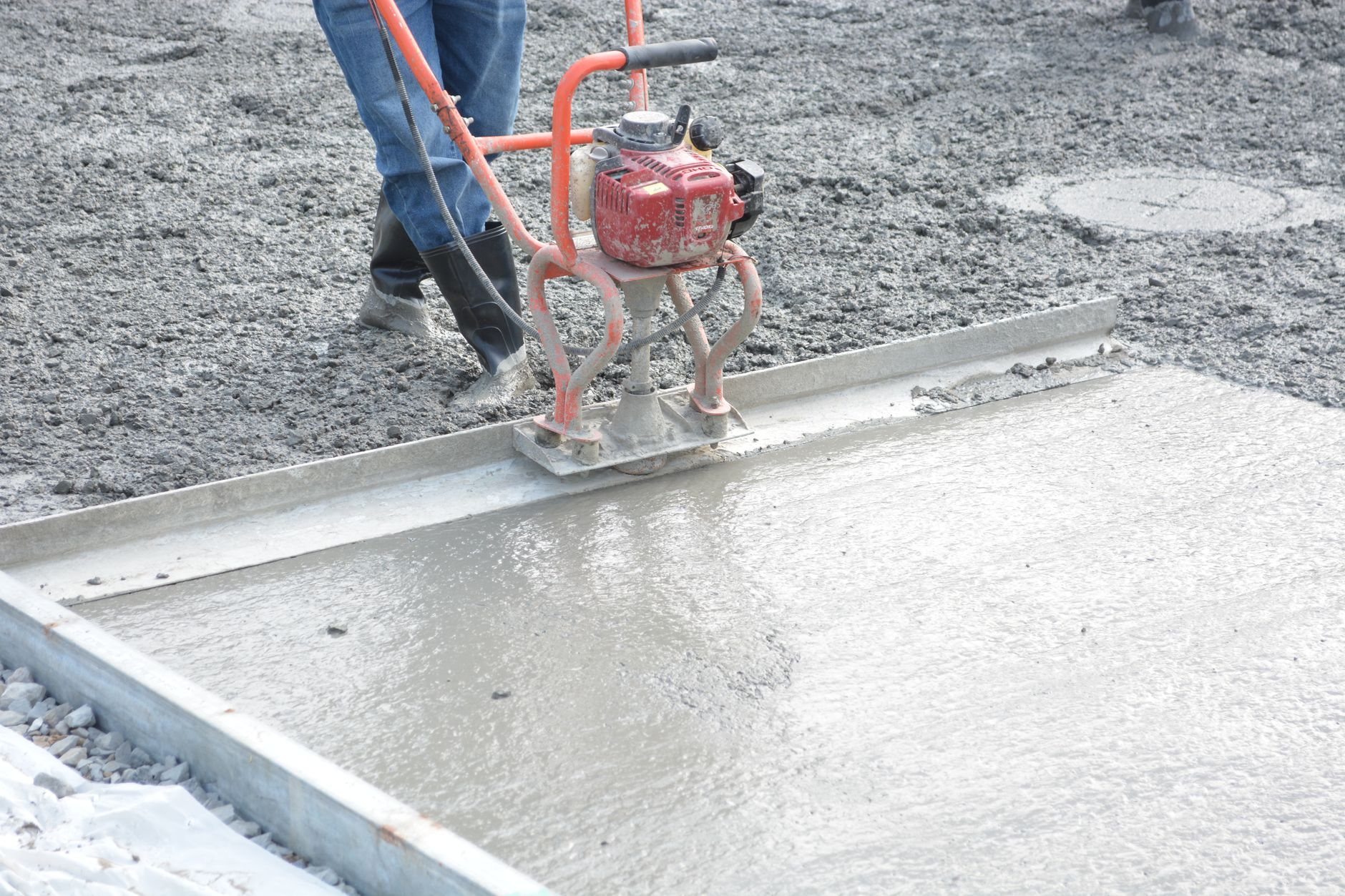
- What goes back. If we’re pouring the replacement, the new slab gets an air-entrained mix — 100-plus freeze-thaw days a year is exactly what broke the old one.
- Season. Frozen ground slows breaking and compaction, and a summer cloudburst can fill an open slab excavation in minutes. We plan drainage and timing so weather is a schedule note, not a change order.
Questions we actually get
Can you remove part of a slab and leave the rest?
Yes, and it’s common — a trench for a sewer line, a section under a new wall, or the damaged half of a driveway. We saw-cut a full-depth line where the removal stops so the remaining concrete keeps a clean edge, then break only the panel inside the cut. The new pour ties to that edge with dowels.
Do I need a permit to remove a driveway or patio in Utah?
Usually not for the concrete itself on private property, but the replacement often does. Aprons and anything touching the city sidewalk or curb typically need a right-of-way permit, and basement slab removal tied to plumbing or structural work rides on that project’s permit. Verify with your city building department, or let us sort it in the scope.
Will breaking a basement slab damage my foundation?
Not when it’s done correctly. The slab and the footing are separate pours; we saw-cut along the wall, use handheld breakers near the footing, and never dig below the footing’s bearing level. The soil beside the footing is doing structural work — it stays undisturbed, and anything removed above it goes back compacted.
What happens to the old concrete?
It goes to a concrete recycler, where it’s crushed into road base and reused. Recycling tips cheaper than landfill and keeps roughly 20 to 30 tons per driveway out of the ground. Rebar and mesh are cut out and scrapped separately, because contaminated rubble gets refused or surcharged at the crusher.
Concrete demolition is one branch of our demolition work, and it usually hands off to new structural concrete or flatwork. The whole sequence from rubble to weathertight lives under site, structure & envelope. We are fond of straight lines and straight answers.
Tell us what needs to come out
Send us the address, what the concrete is, and what’s replacing it. You’ll get a straight read on method and budget — usually within a couple of hours during business hours, a day at most.