
Commercial Strip-Out & Soft Demolition in Utah County
A commercial strip-out removes a departing tenant’s partitions, ceilings, flooring, millwork, and dead systems from a leased space and leaves a clean shell for the next build-out, without touching structure or rated corridors. Grandview performs strip-outs for landlords, property managers, and tenants across Utah County and the Salt Lake Valley under a B100 general contractor license.
Discuss a project Or call (385) 236-1741
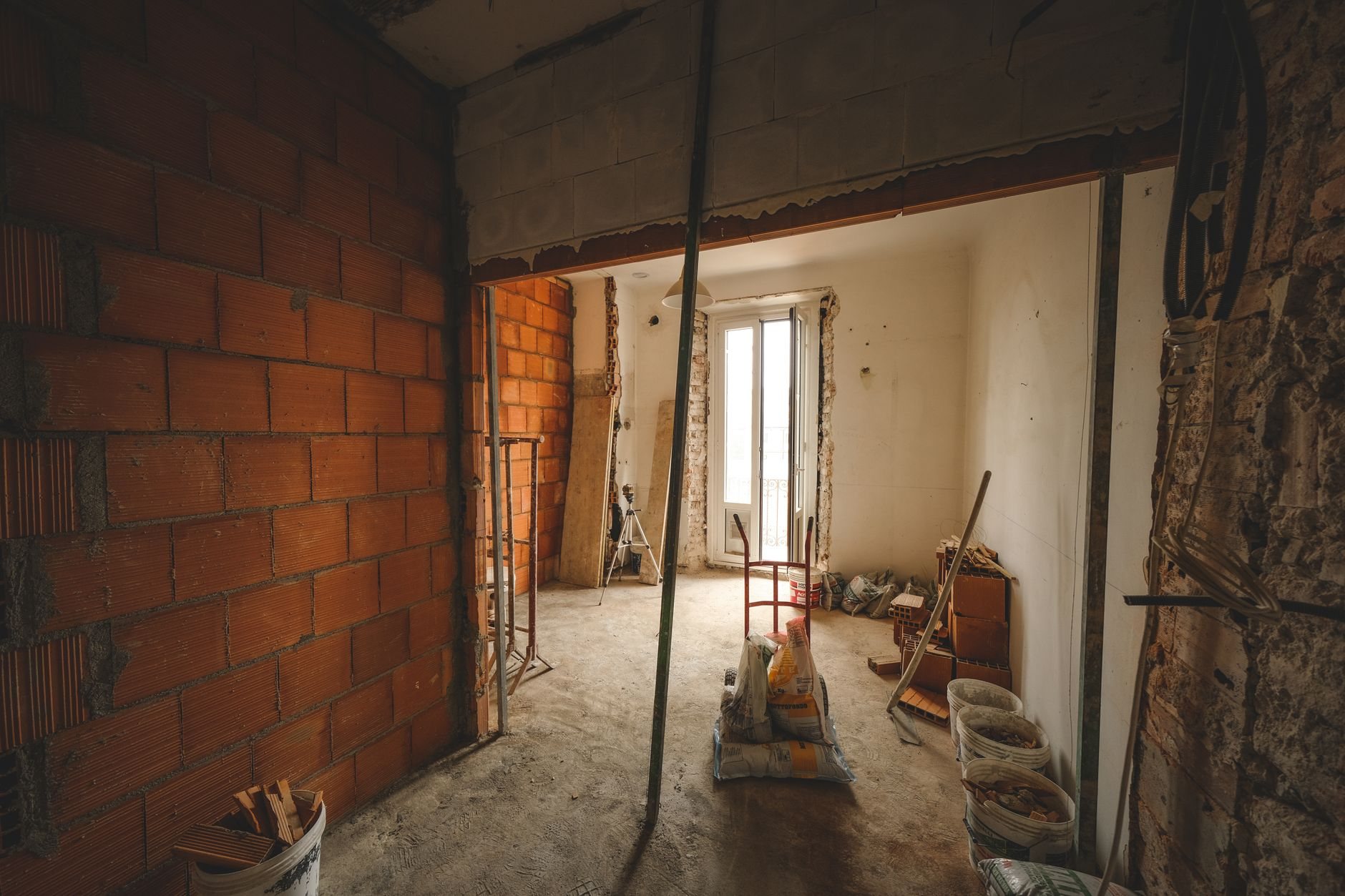
When a strip-out is the right scope, and when it isn’t
A strip-out is the demolition scope for a space with one tenant leaving and another coming. Slab, structure, roof, base-building systems, and the rated walls around corridors and stairs all stay; everything the last tenant built inside the shell goes. It’s the first line in nearly every tenant improvement budget.
It’s narrower than selective interior demolition, which often cuts into bearing walls or floors inside a building under full renovation, and nothing like full-structure demolition, where the goal is a pad; both sit with the rest of our demolition work under site, structure & envelope. When a lease requires the space returned to a defined condition, the job is really a white box delivery with the strip-out as phase one, and the build-out that follows is a second-generation space retrofit.
Two findings push the work out of this category. A positive asbestos survey on floor tile, mastic, or sprayed fireproofing makes it a hazmat-coordinated demolition. And when the outgoing fit-out has value in it, deconstruction and salvage recovers doors, hardware, fixtures, and casework before the dumpster arrives.
What comes out, what stays, and in what order
Soft demolition runs top-down and systems-first, usually with tenants on the other side of the demising wall. Loud work moves to after-hours when the landlord asks, and a crew working out of sequence is how a sprinkler head gets knocked off in an occupied building.
- Safe-off. Branch circuits, tenant HVAC zones, and tenant plumbing are isolated and tagged at the base-building tie-in. Licensed electricians and mechanical trades do the disconnects; Grandview holds the contract, schedules them first, and verifies dead before anyone cuts.
- Protection and notifications. Corridor floor protection, dust walls with negative air at the lease line, sealed base-building returns, elevator cab protection, and notice to the fire alarm contractor before building-system detectors and strobes come off the ceiling.
- Ceilings. Tile, grid, lay-in lights, and abandoned cabling above the ceiling come down. Utah grids carry seismic bracing wires and compression struts tied to the deck; those leave only if the next build-out replaces the ceiling, so we confirm before we cut.
- Partitions and millwork. Non-rated partitions are cut at slab and deck. Rated corridor and demising walls stay and get patched. Casework comes out whole where salvage makes sense.
- Flooring. Carpet, VCT, LVT, and adhesive come up and the slab is scraped to a surface the next flooring contractor can actually work on. Tile beds and raised access floors are their own line item.
- Systems to the shell. Tenant ductwork, VAV boxes, branch piping, and wiring go back to the base-building point of connection and get capped. Sprinkler branches stay live unless the fire protection contractor has a city-approved plan.
- Clean to shell. Fasteners pulled, track removed, slab swept, debris sorted and hauled. You get a space ready for layout.
Permits, surveys, and landlord sign-off
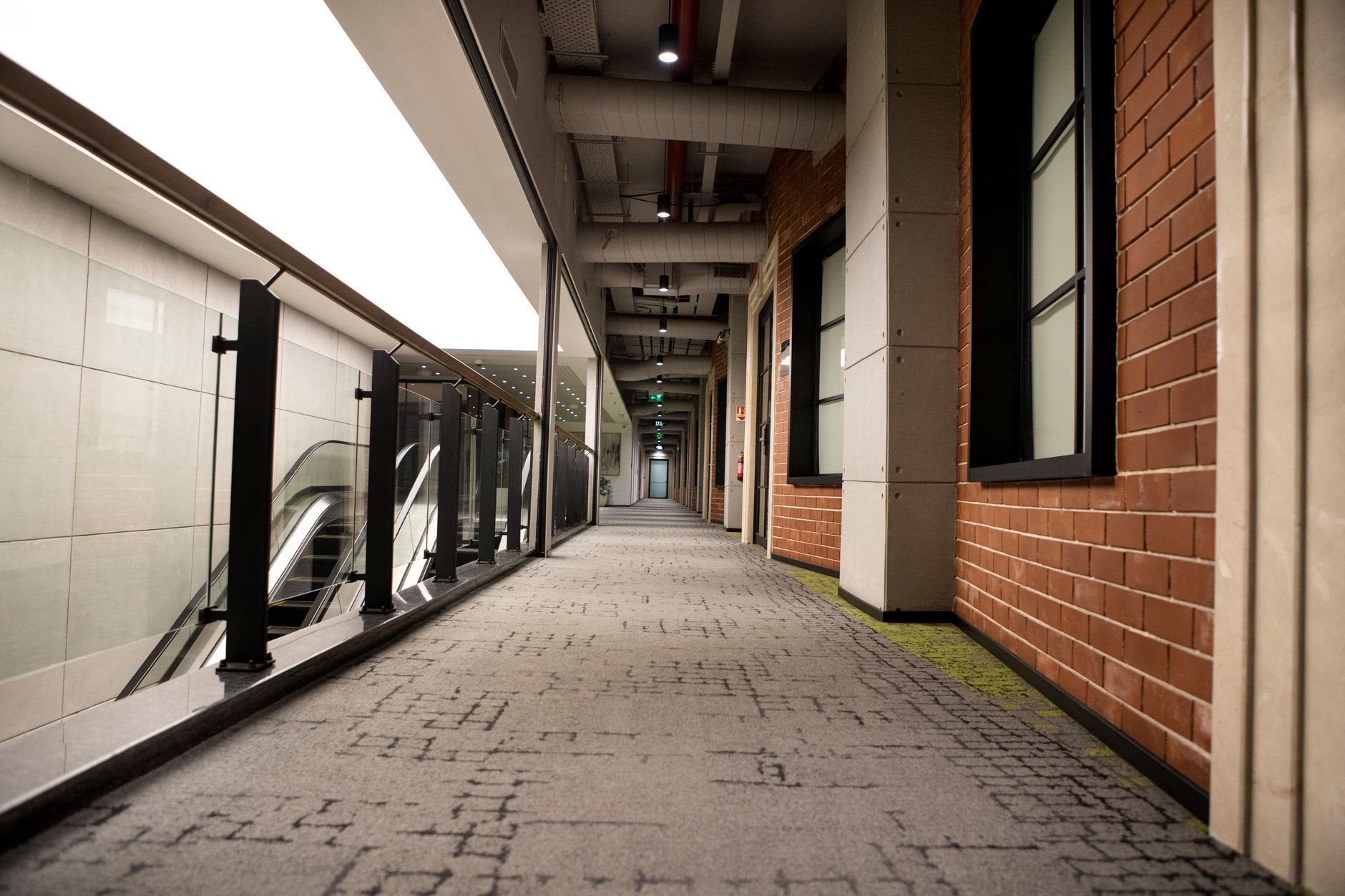
Non-structural interior demolition still needs a permit in every city we work in, and removing alarm devices, sprinkler branches, or mechanical equipment typically adds trade permits. Most cities expect the asbestos survey first: buildings from the 1980s and earlier commonly carry asbestos in floor tile, mastic, and fireproofing, and the Utah Division of Air Quality notification has a waiting period that lands on the schedule before the dumpster does. Verify specifics with your city’s building department. High-volume cities like Lehi and Saratoga Springs turn interior demo permits quickly; Salt Lake City and Provo add layers for older buildings.
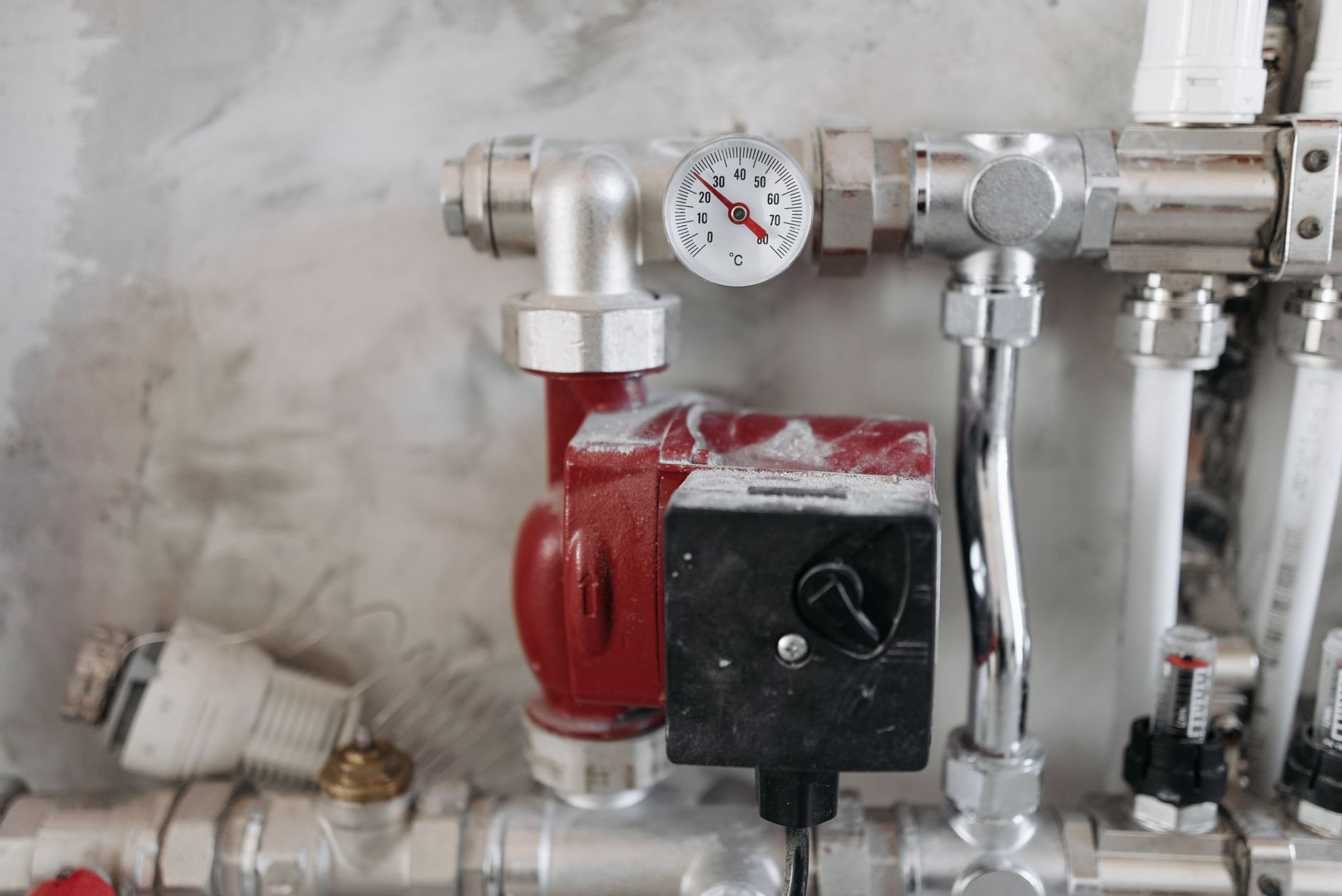
The third signature is the landlord’s. Work letters define the point of connection for each system, who owns the grid and lighting, and what “clean shell” means. We read it before we price, because stripping to the grid and stripping to the deck are different money, and the lease already decided which one you’re buying.
What does a commercial strip-out cost in Utah?
As ballpark planning numbers only: a straightforward office or retail soft demolition along the Wasatch Front commonly lands between $2 and $6 per square foot including protection, haul-off, and permits. Medical, restaurant, and lab suites run higher because of the casework, plumbing, and equipment in each square foot. A firm number follows a site walk and a read of the work letter.
- Survey results. Asbestos-containing tile and mastic turn a scrape-and-go floor into a licensed abatement scope. That’s the biggest swing.
- Depth of removal. To the grid, to the deck, or to the shell; each step down adds labor and trade coordination.
- Salvage and recycling. Ceiling tile, metal stud, and light fixtures can be recycled or returned to the landlord, which trims tonnage.
Questions we actually get
How long does a commercial strip-out take?
For a typical 3,000 to 10,000 square foot office or retail suite, the physical work runs one to two weeks. The calendar is set by what comes before it: asbestos survey, state notification waiting period, permit turnaround, and safe-off scheduling. Plan three to five weeks from signed contract to clean shell, less if the survey is already in hand.
Can you strip a space while the rest of the building is occupied?
Yes, and most of ours are. We build dust walls with negative air at the lease line, protect corridors and elevators, move debris on an approved route, and shift noisy work to hours the property manager sets. Alarm devices and sprinkler branches are coordinated with the building’s contractors first.
What’s the difference between a strip-out and a white box?
A strip-out removes the old tenant’s improvements and stops at a clean shell. A white box goes further and installs a baseline of finished ceiling, painted walls, basic lighting, and HVAC distribution so the space can be shown and leased. Most white-box deliveries begin with a strip-out as phase one under the same contract.
What moves the price the most?
The asbestos survey. A clean report keeps floor removal as a scrape-and-haul line item; a positive one adds licensed abatement before the crew can touch flooring or fireproofing. After that, it’s how deep the lease requires you to strip and whether the work happens after hours.
Tell us what needs to come out
Send us the suite, the work letter if you have it, and your handover date. You’ll get a straight read on scope, permits, and budget within a couple of hours during business hours, a day at most.