
Deconstruction & salvage demolition in Utah County
Deconstruction is demolition in reverse: a building is taken apart by hand, in order, so lumber, brick, fixtures, and architectural pieces come out whole instead of crushed. Grandview performs deconstruction and salvage-first takedowns across Utah County and the Salt Lake Valley under a B100 general contractor license, for owners who want material reused or donated rather than landfilled.
When deconstruction beats a machine teardown
An excavator can flatten a house in a day; deconstruction takes a crew a week or more. You choose the slower path when what’s inside the walls is worth more intact than in a dumpster.
It fits three kinds of buildings best. Pre-1960s homes in Provo, Salt Lake City, Orem, and Springville, where framing is often full-dimension lumber and floors are solid hardwood. Brick structures, where clean reclaimed brick has resale value. And houses with character pieces — built-ins, clawfoot tubs, panel doors, leaded glass — an owner wants to carry into the rebuild.
A 1990s house with OSB sheathing and builder-grade finishes has little to recover, and a conventional full-structure demolition is the honest recommendation. A small shed or detached garage usually goes the same way under garage and outbuilding demolition. Keeping the shell and gutting the inside is selective interior demolition, which borrows salvage techniques but stops at the studs.
What comes out, and in what order
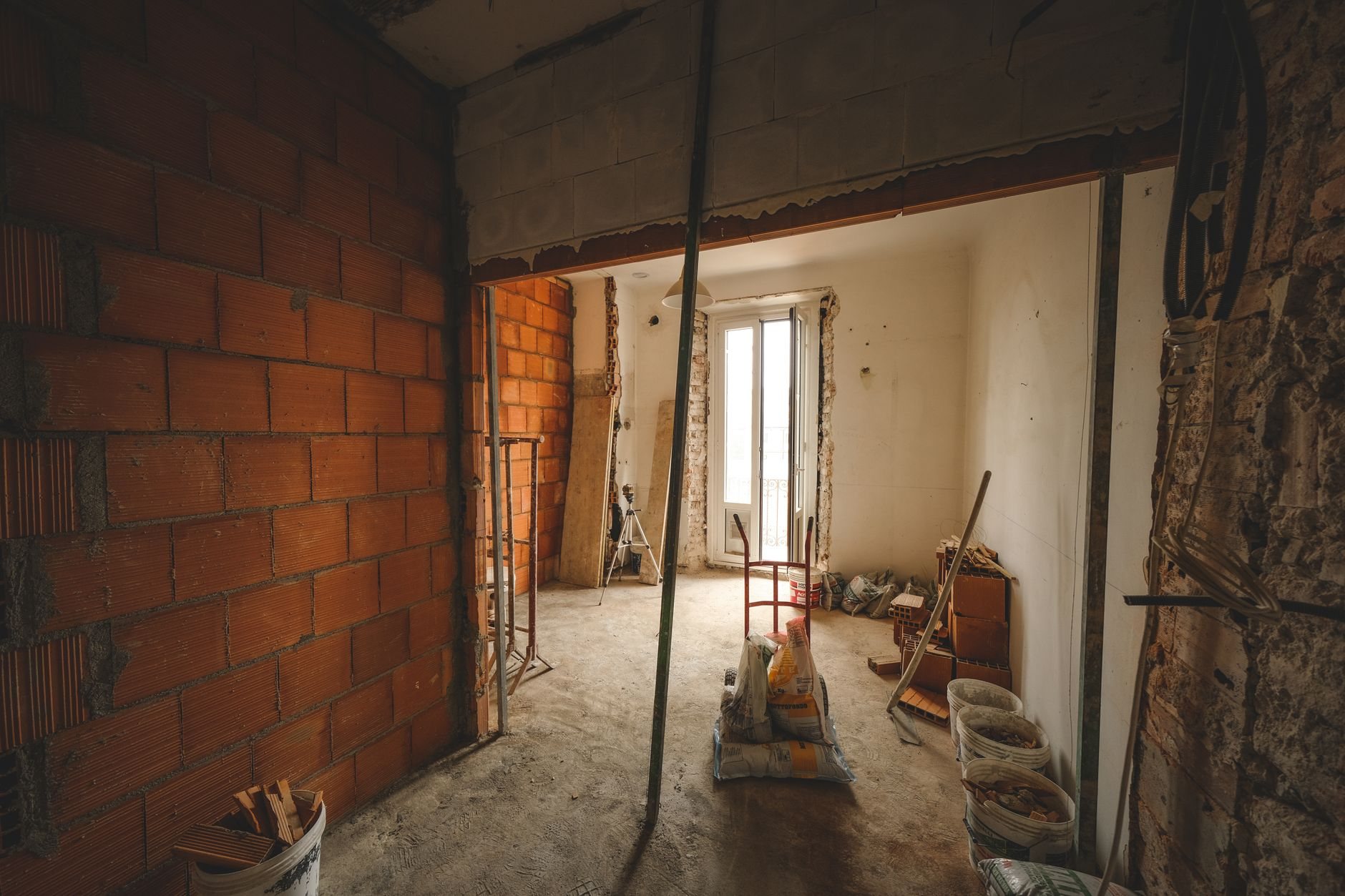
Sequence is the whole craft: inside-out and top-down, fragile and valuable items first, structure last, so nothing worth keeping gets buried under something that isn’t.
- Loose fixtures and finishes. Light fixtures, hardware, cabinetry, cast-iron tubs, and appliances come out first. Cabinets are unscrewed as runs, not pried as boxes, so face frames stay square.
- Doors, windows, and trim. Panel doors with jambs, original double-hung sashes, baseboard, casing, and crown are pulled whole, de-nailed, and bundled by room.
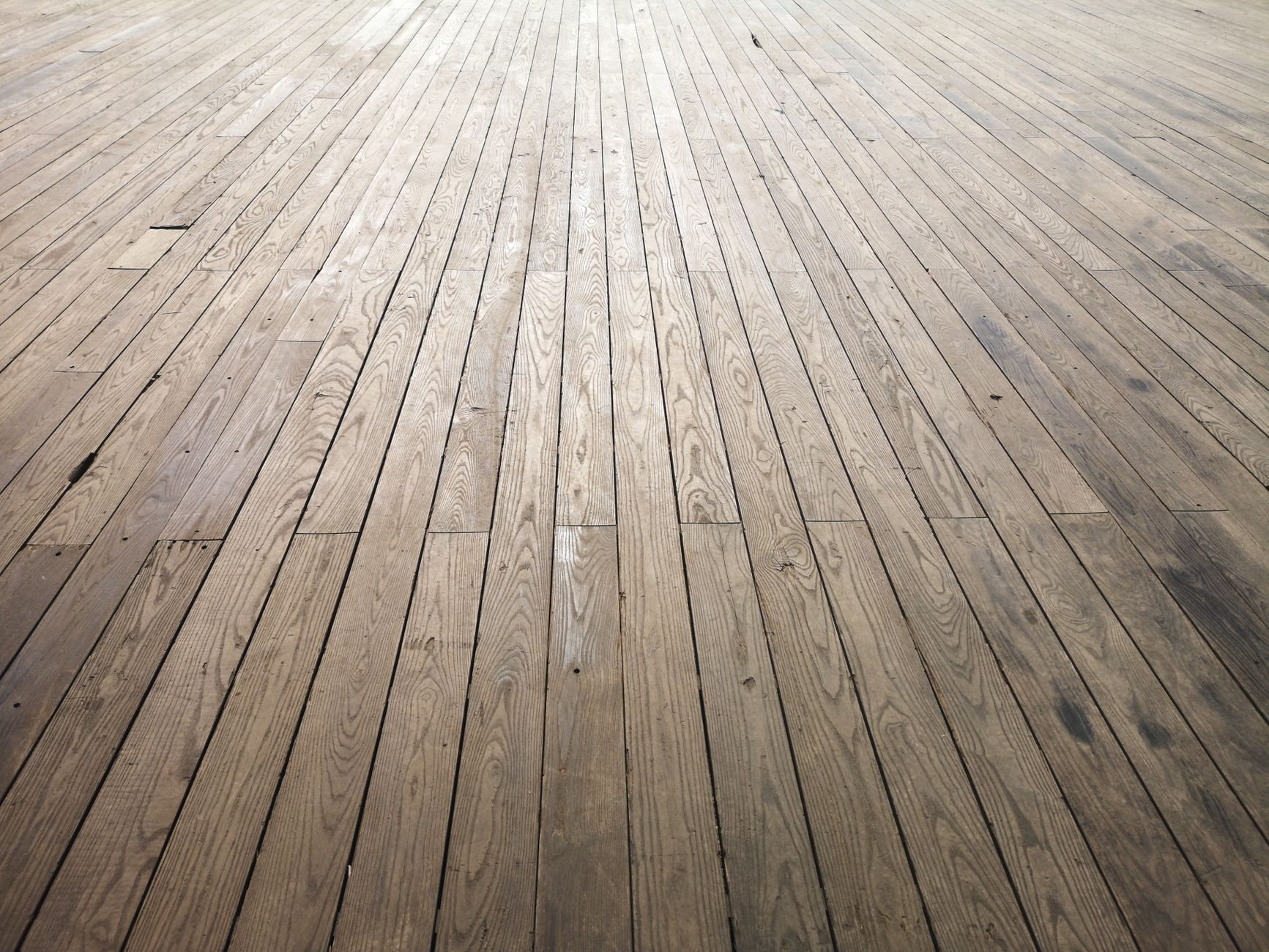
- Flooring. Tongue-and-groove hardwood is lifted in runs from the tongue side with nails backed out, not punched through. A good floor often yields 60 to 80 percent reusable board footage.
- Masonry. Brick in lime mortar — common on pre-war Utah homes — cleans easily and palletizes well. Brick in hard Portland mortar breaks before the joint does, and we’ll say so up front if yield won’t justify the labor.
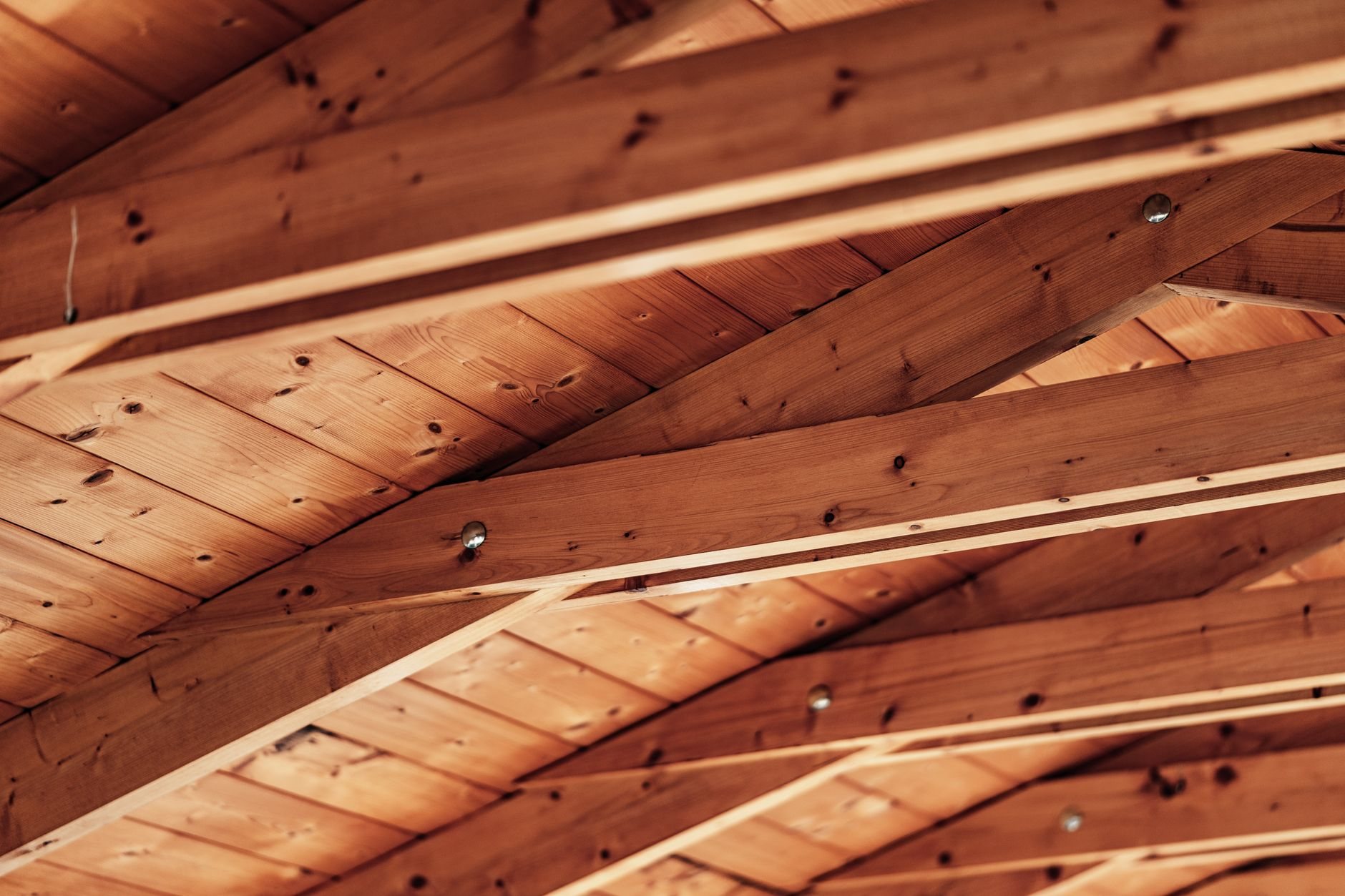
- Framing and timber. Roof, then walls, then floor systems, bay by bay. Full-dimension 2x material and post-and-beam members are de-nailed, stickered, and stacked under cover.
- What’s left. Plaster, roofing, and modern sheathing are sorted for recycling or disposal; the foundation is removed or abandoned per the rebuild plan.
Two Utah realities shape the plan. Any pre-1980s home gets an asbestos survey before the first fixture moves, because a salvage crew handles materials far more intimately than an excavator does; a positive survey means licensed abatement specialists clear it first, under our contract, and nothing they handle is salvaged. In parts of Salt Lake City and Provo, historic-district review can also govern what leaves a street-facing elevation — we check before we schedule.
How a deconstruction job runs
- Salvage walk. We walk the building with you, room by room, and build a materials list: keep, donate, sell, recycle, dispose.
- Destination plan. Each category gets a home before work starts — your storage, a nonprofit reuse outlet, a reclaimed-lumber buyer, a recycler.
- Survey, permits, disconnects. Asbestos survey and state notification, demolition permit, and documented utility disconnects — the same gate every demolition project passes through.
- Hand takedown. Fixtures, finishes, millwork, flooring, masonry, then framing. Material is de-nailed, labeled, and staged daily under cover, because a summer monsoon cloudburst will ruin a week of stickered lumber in twenty minutes.
- Handoff and closeout. Donation receipts and recycler weight tickets come with the final invoice. Compacted backfill and rough grading finish the site.
Timeline is the honest trade-off: one to three weeks of crew time where a machine needs a day or two. Buildings with regulated materials beyond a routine survey run through hazmat-coordinated demolition instead; the rest of the ground-up sequence lives under site, structure & envelope.
What does deconstruction cost in Utah?
As ballpark planning numbers only: deconstruction commonly prices 30 to 100 percent above a comparable machine teardown before credits, so a Wasatch Front house that would demo for $15,000 might deconstruct for $20,000 to $30,000. Lower tipping fees, reclaimed-material value, and, for material donated to a qualified nonprofit, a possible appraised deduction narrow the gap — ask your tax advisor on that last one.
What moves it:
- Material quality. Full-dimension fir framing, hardwood floors, and lime-mortar brick pay back labor. Particleboard and vinyl don’t.
- Fasteners and finishes. Screwed subfloor, glued flooring, and layers of paint over trim slow extraction and lower yield.
- Hazardous materials. A positive asbestos or lead finding adds licensed abatement and removes that material from the salvage column.
- Hauling. Construction and demolition debris is one of the largest waste streams in the country, per the EPA; every ton reused is a ton you don’t pay to tip.
Questions we actually get
Can I keep salvaged material for my own rebuild?
Yes — it’s the most common reason clients choose deconstruction, and reclaimed trim and doors often land in a historic restoration. We label and stack by your list; you say where it goes. Framing lumber reused structurally must be regraded by an engineer or grading agency before it enters a permitted build.
Can you deconstruct part of a house and demolish the rest?
Yes. A hybrid scope is often the right answer: hand-salvage fixtures, doors, flooring, and any timber worth having, then bring in a machine for plaster, roofing, and modern additions. You pay deconstruction rates only on the portion that earns them.
Does asbestos stop a deconstruction job?
It pauses it. Pre-1980s homes get a survey before anything is removed. A positive result means licensed abatement contractors clear the affected materials first, with documentation; those materials are disposed of, never salvaged.
Is deconstruction cheaper than demolition once donations count?
Sometimes close, rarely cheaper outright. Labor is higher; tipping fees and material value pull it back. On a brick home with hardwood floors the net can approach a machine demo; on a 1980s tract house it won’t. We give you both numbers after a salvage walk, so the decision rests on arithmetic.
Tell us what’s worth saving
Send the address and what you’d like to keep. You’ll get a straight read on yield, schedule, and budget — usually within a couple of hours during business hours, a day at most.