
Hazmat-Coordinated Demolition in Salt Lake City
Hazmat-coordinated demolition is a teardown or tear-out where the building must be surveyed and cleared of regulated materials — asbestos, lead paint, refrigerants, PCB ballasts, mercury — before a crew or machine touches it. Grandview runs the whole sequence under one contract and a B100 general contractor license, managing Utah-certified inspectors and licensed abatement contractors so the demolition that follows is legal and documented.
Discuss a project Or call (385) 236-1741
When this is the right scope, and when a sibling page fits better
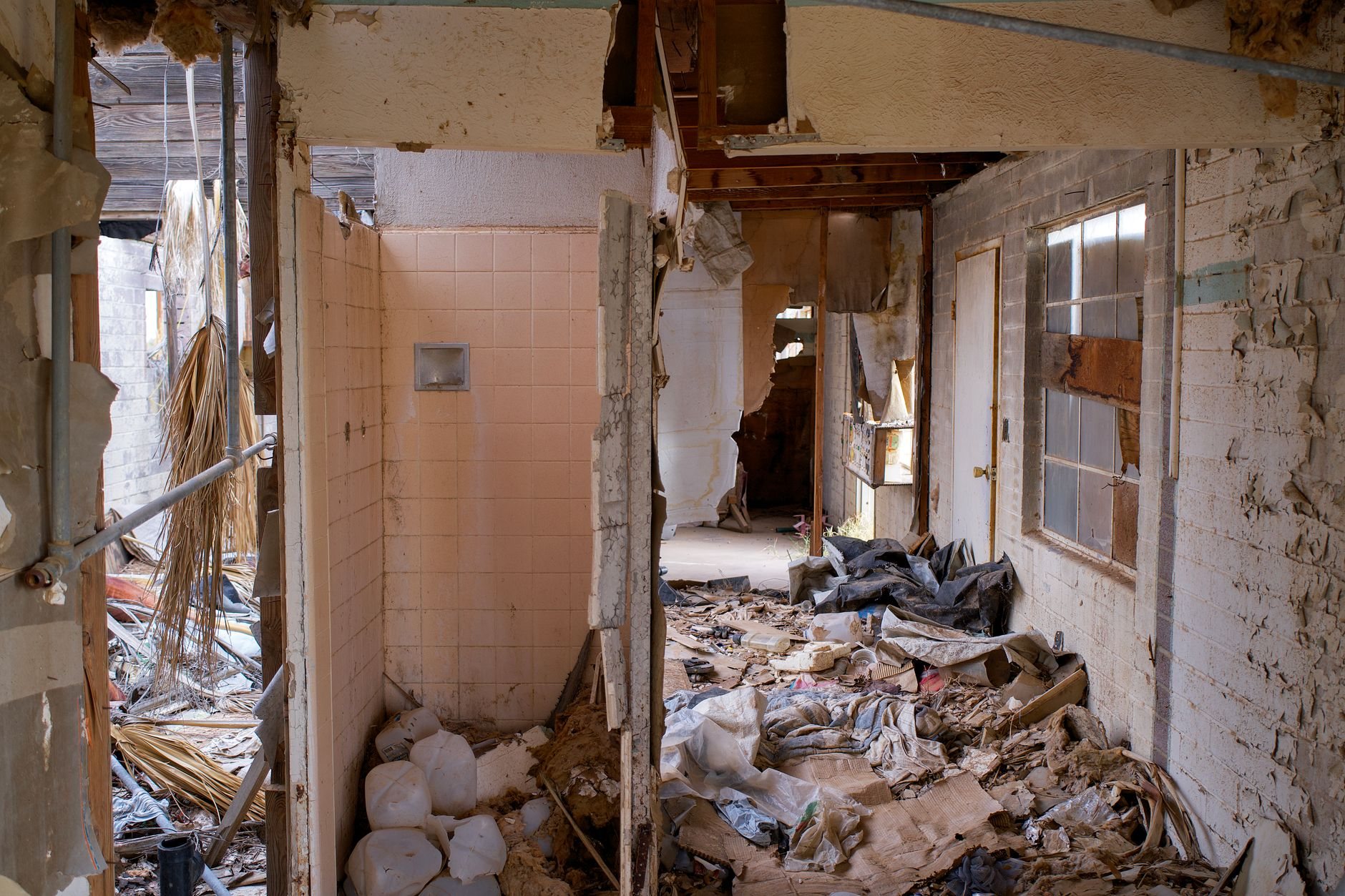
This page is for buildings where the hazmat work is the project, not a line item: the survey is positive in several places, a former commercial use adds unknowns, or a lender wants a clearance file. In Salt Lake City that describes much of the housing stock — Avenues and Liberty Wells homes from before 1930, Rose Park post-war tracts, Sugar House bungalows with three generations of flooring stacked on the original. Anything built before 1980 should be assumed to contain asbestos until a survey says otherwise, and pre-1978 housing is presumed to carry lead paint under federal rules.
If the survey comes back clean and the building is simply coming down, you want full-structure demolition. If you’re gutting an interior you’re keeping and the survey found one isolated material, selective and interior demolition already covers sampling and spot abatement. Buildings worth taking apart for the brick and old-growth lumber live under deconstruction and salvage, though a positive survey limits salvage. Post-fire demolition overlaps with this page more than people expect: fire disturbs asbestos that was stable the day before.
What usually turns up in Salt Lake City buildings
A certified inspector samples every suspect material by type and location. The usual positives here:
- Thermal system insulation. Pipe wrap, boiler jackets, and duct seam tape in steam- and gravity-furnace houses from the 1900s through the 1950s. Friable and high-content.
- Vermiculite attic insulation. Common in Intermountain homes insulated between the 1940s and 1980s. Treated as asbestos-containing without testing; it comes out before the roof is opened.
- Flooring layers. 9-inch tile, paper-backed sheet vinyl, and the black mastic under both. Non-friable when intact, which changes how it’s handled.
- Cement-asbestos siding and roofing. Transite shingles and some flat-roof mastics. Non-friable until a machine crushes them, which is why they’re removed whole first.
- Lead paint. Window sashes, exterior trim, porch floors. Under the EPA’s lead rules, pre-1978 housing is presumed positive unless tested.
- Everything else regulated. Mercury thermostats, PCB ballasts in older fluorescent fixtures, refrigerant in abandoned HVAC equipment, fuel oil tanks.
How survey, abatement, and demolition are sequenced
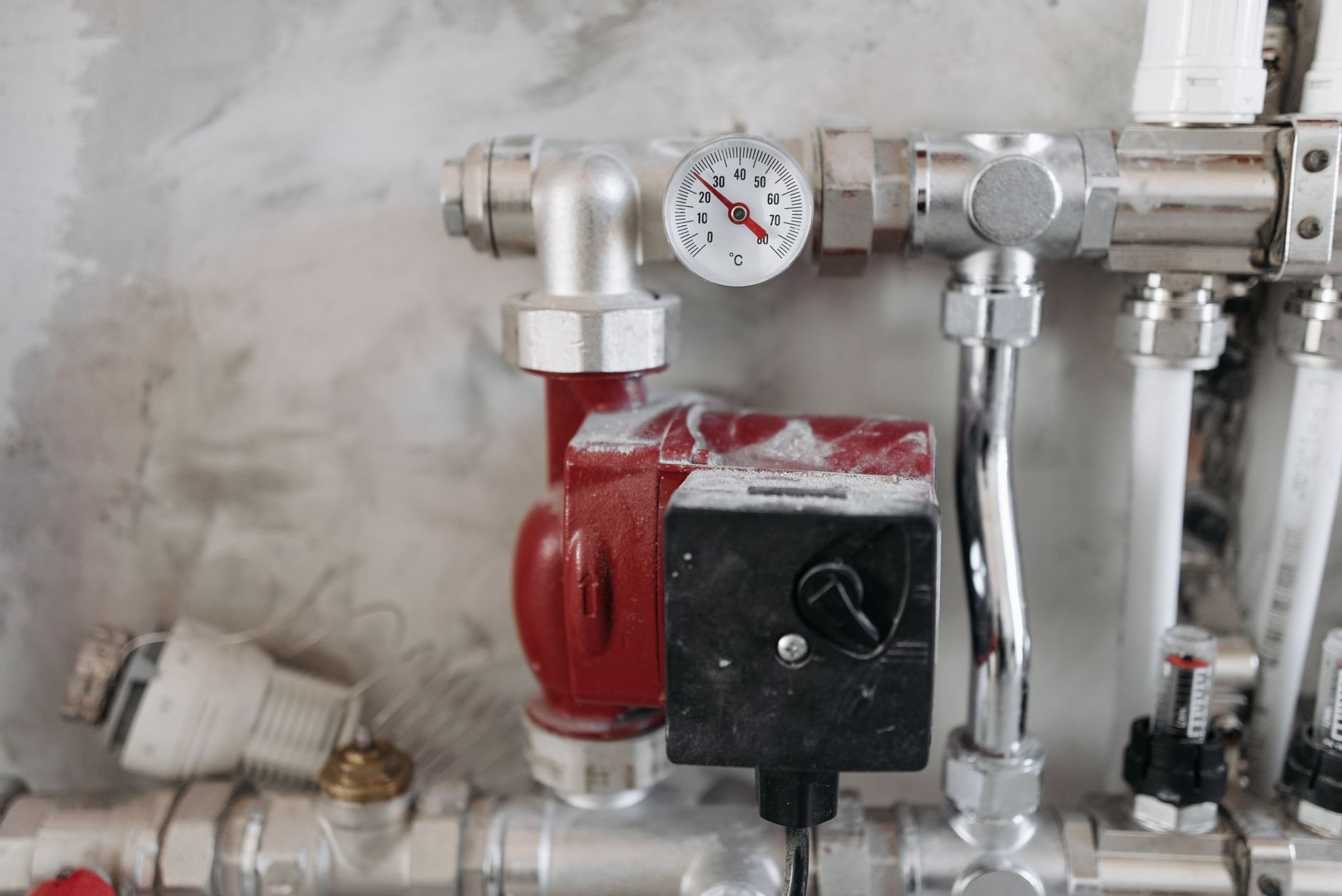
Abatement is a licensed trade, and Grandview doesn’t pretend otherwise. We hold the contract and manage Utah-certified asbestos inspectors and licensed abatement firms, plus EPA-certified lead firms where selective work in pre-1978 housing calls for them; we coordinate, sequence, and verify their work before demolition starts.
- Survey. The lab report becomes the scope. Utah requires this inspection before demolition or renovation of nearly any building, not just old ones.
- Abatement plan. The report sorts materials into what licensed crews must remove, what can legally stay through demolition, and what is universal waste. Each is priced separately.
- Notification. The demolition notice goes to the Utah Division of Air Quality and carries a ten-working-day waiting period under the federal asbestos NESHAP rule the state administers. We file it the day the plan is set so the clock runs while utilities are disconnected.
- Abatement. Licensed crews build containment, run negative air, remove and bag the material. Third-party air clearance confirms the space is clean before the enclosure comes down.
- Universal waste. Thermostats, ballasts, and refrigerant are recovered and manifested by the appropriate licensed handlers before the first wall moves.
- Demolition. Only now does it look like a normal demolition project: structure taken down wet for dust control, debris hauled under the manifests the abatement produced.
- Clearance file. Survey, abatement reports, air clearances, and disposal manifests in one package, because lenders and buyers ask for it later. Good work should not require detective work.
What does asbestos abatement add to a demolition in Utah?
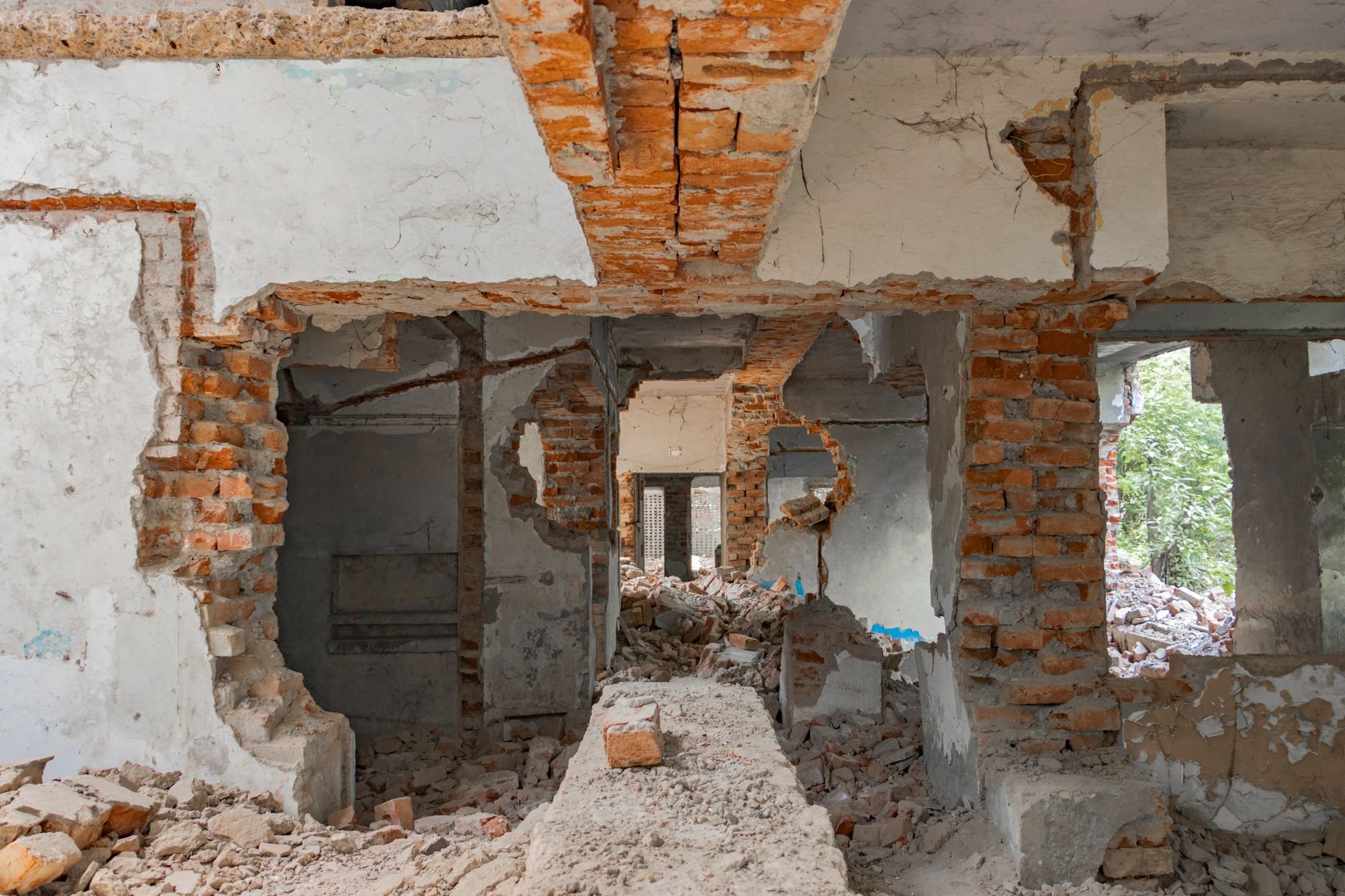
As ballpark planning numbers only: a pre-demolition asbestos survey on a Salt Lake City house typically runs a few hundred to around $1,500 depending on sample count. Abatement commonly adds $2,000 to $5,000 when a single material like pipe wrap or floor tile is positive, and $10,000 to $20,000 or more when a house carries transite siding, vermiculite, and thermal insulation together. Those sit on top of the base teardown cost on the demolition overview.
- Friable versus non-friable. Loose pipe insulation and vermiculite require full containment and air monitoring. Intact tile and transite can often be removed wet and whole with far less setup.
- Quantity of material, not size of house. A small house with a steam system can cost more to clear than a large one with a single positive.
- Lead-painted debris. Lead changes worker-protection requirements and sometimes disposal classification, which shows up in tipping fees per ton.
- Access and former use. A tight Avenues lot means smaller containment zones and exhaust routing the crew has to price. A commercial suite with the same findings usually continues as a commercial strip-out once cleared.
Questions we actually get
Do I need an asbestos survey if the house is being demolished anyway?
Yes. Utah requires an asbestos inspection by a certified inspector before demolition regardless of age, and the Division of Air Quality notification depends on the results. Demolishing without it exposes the crew and the neighbors and can become a regulatory case. Verify specifics with Salt Lake City’s building department, or let us run it inside the contract.
Does Grandview do the abatement itself?
No, and no general contractor should. Asbestos and lead abatement are licensed specialties performed by certified firms. Grandview holds the contract, schedules and manages those firms, reviews their clearances, and sequences the demolition behind them, so you deal with one accountable team instead of three vendors who have never met.
How much time does hazmat add to a demolition schedule?
Plan for two to four extra weeks on a typical house. Survey and lab turnaround take about a week, the state notification carries a ten-working-day wait, and abatement runs two days to two weeks depending on quantity. We overlap the wait with utility disconnects and permitting, so the added time is calendar, not idle crews.
Can some asbestos materials just come down with the building?
Sometimes. Under the federal NESHAP rule, certain non-friable materials in good condition, like intact floor tile or roofing, can remain through demolition if the debris is kept wet and disposed of as asbestos waste. Friable materials never can. The inspector’s report, not a guess on site, decides each material’s category. The wider site sequence lives under site, structure & envelope.
Tell us what the building is hiding
Send the address and the year it was built. You’ll get a straight read on survey, abatement, and demolition scope — usually within a couple of hours during business hours, a day at most.