
Epoxy shop flooring in Utah County
Epoxy shop flooring is a thick, abrasion-rated resin floor — double-broadcast quartz or trowel-down mortar at 1/16″ to 1/4″ — for mechanic bays, fabrication shops, and pole buildings where jacks, forklifts, and dropped tools would chew through a garage-grade coating in a season. Grandview grinds, repairs, and installs these floors across Utah County and Salt Lake County under a Utah B100 license.
Discuss a project Or call (385) 236-1741
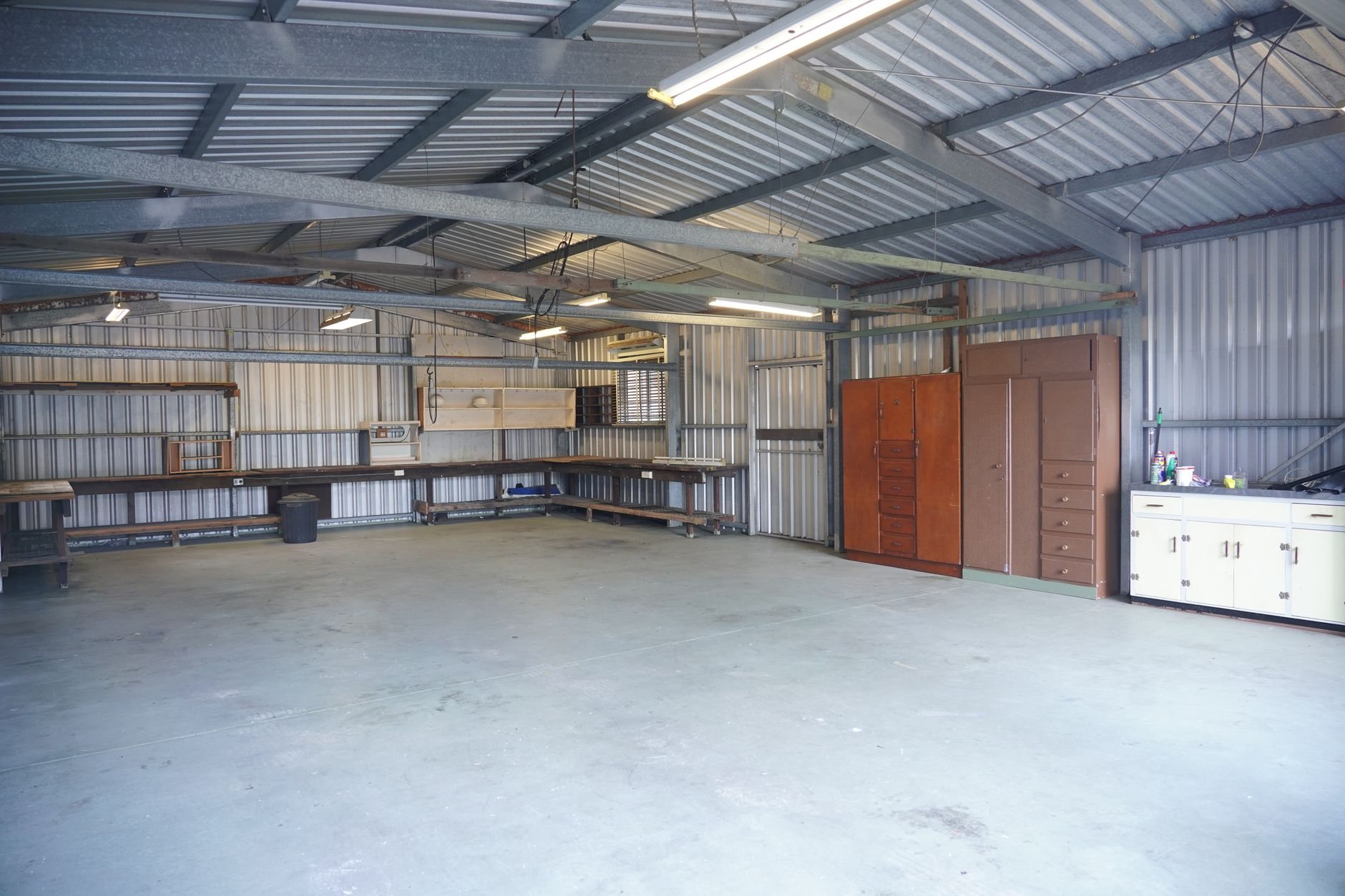
When a shop floor needs a shop system, not a garage coating
The difference is film thickness and what’s in it. A residential epoxy floor coating is 20 to 30 mils of resin with flake — plenty for two cars. A shop floor takes point loads a garage never sees: a lift leg, a forklift turning on one wheel, an engine block set down hard. Shop systems carry those loads in quartz or graded aggregate, not resin.
Choose epoxy shop flooring for steel wheels, chemical exposure beyond a drip pan, pressure washing, or a floor drain — auto repair, fabrication, fleet and ag shops, the working half of a detached shop build, or a car enthusiast shop with a lift going in.
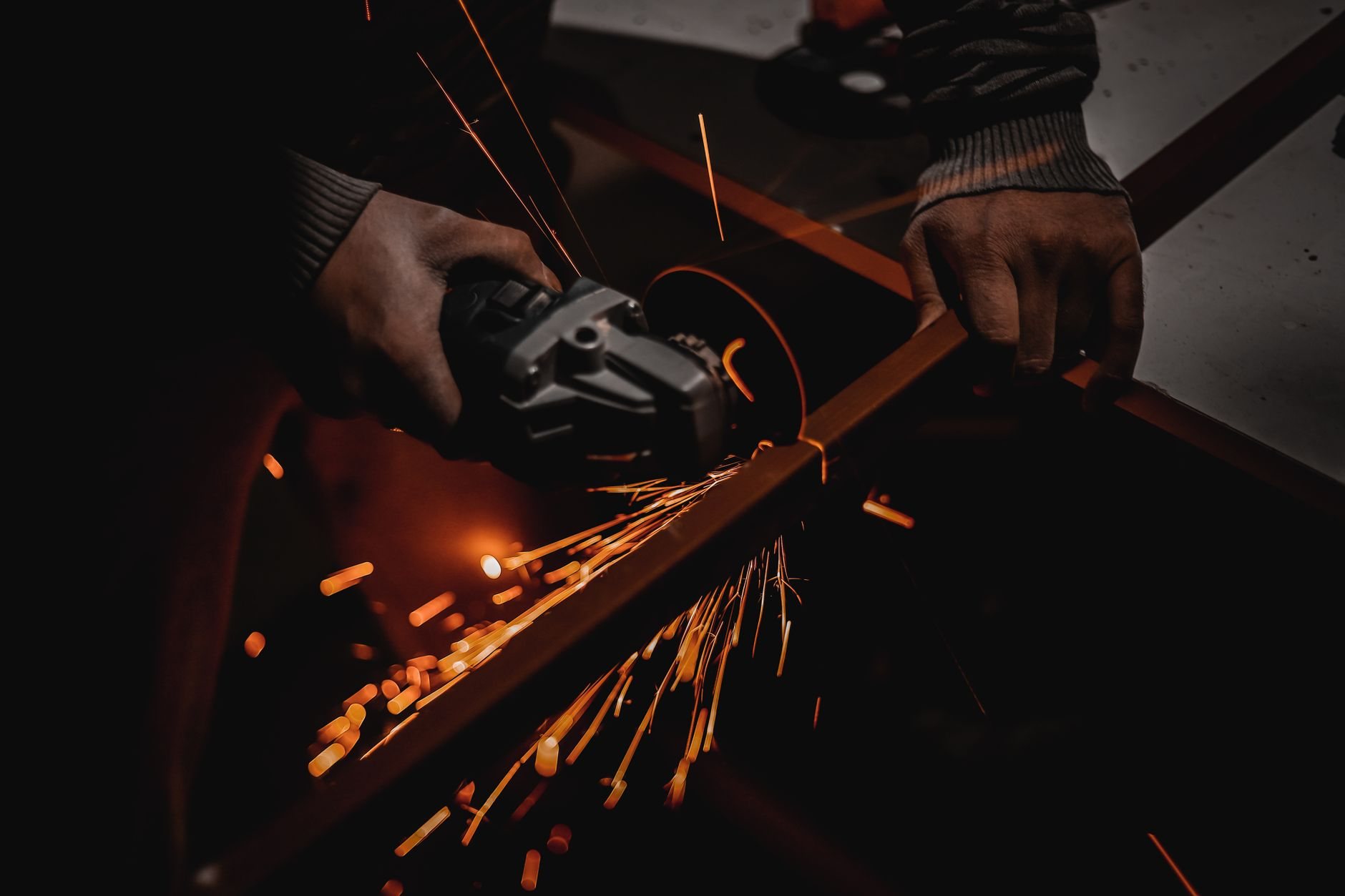
It’s the wrong fit in two honest cases. If the shop can’t lose the floor for a week of cure, or it’s an unheated pole building being coated in January, the answer is a polyaspartic floor coating, accepting a thinner build. If the main threat is weld spatter rather than rolling loads, bare densified polished concrete shrugs off hot metal that pits any resin. Many fabrication shops split the difference: resin in the service bays, bare concrete under the welding tables.
What a shop-grade epoxy system is built from
- Slab prep to CSP 3–4. Thicker systems want a coarser profile, so we grind harder than for a garage and shot-blast larger bays. Old oil in a used mechanic shop is the usual complication.
- Moisture-tolerant primer. Shops near Utah Lake — Vineyard, Saratoga Springs, west Provo and Orem — sit over a shallow water table, and older shop slabs often have no vapor barrier. We test every slab; high readings get a vapor-mitigating primer.
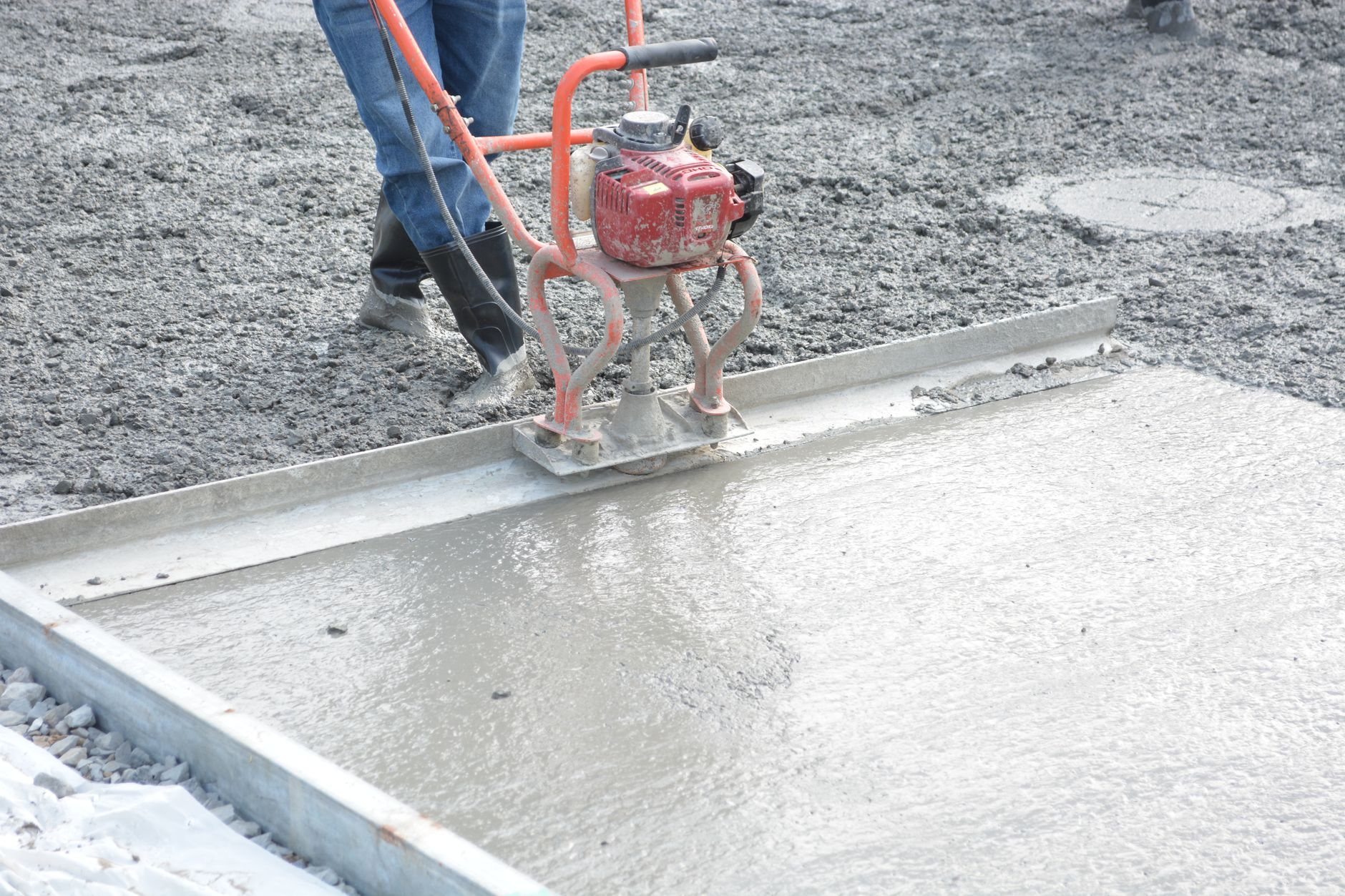
- Double-broadcast quartz, 1/16″ to 1/8″. Pigmented 100%-solids epoxy, colored quartz broadcast to rejection, scraped, then a second coat and broadcast. The quartz is harder than the resin and gives the floor its traction. Our default for mechanic and fleet bays.
- Trowel-down epoxy mortar, 1/8″ to 1/4″. Resin and graded aggregate screeded by hand, for forklift aisles, lift pads, and slabs pitted past what a broadcast hides.
- Integral cove base. A 4″ to 6″ radius troweled up the wall so wash-down water can’t collect in the wall-floor joint; standard in any shop with a drain.
- Chemical-resistant topcoat. Clear urethane or novolac epoxy chosen for what the shop actually spills — brake fluid, gear oil, battery acid, and the road brine fleet vehicles track in all winter. Anti-slip grit is fine in assembly bays, coarse at wash bays and drains.
- Semi-rigid joint filler. Control joints under forklift traffic get polyurea so slab edges don’t spall as wheels cross; a coating run over an open joint cracks the first week.
How a shop floor install runs
- Walk the shop with the equipment plan. Where lifts anchor, where the forklift turns, where drains sit. Lift anchors go through the coating into the slab, so we coat around a marked pad rather than core a finished floor.
- Test and propose. Moisture, hardness, and oil contamination, then a written proposal naming each layer, thickness, and return-to-service date.
- Clear and prep. Tool chests, lifts, and benches out; grinding, joint repair, crack chasing, cove base.
- Heat if needed. Mortar and quartz systems want the slab above roughly 55°F through cure. An uninsulated metal shop in Eagle Mountain in November needs temporary heat for a week — a line in the proposal, not a surprise.
- Place bay by bay, then cure. Prime, broadcast or trowel, topcoat. Foot traffic next day, rolling loads at three days, lifts and forklifts at about a week.
A new slab needs roughly 28 days of cure first; if we’re pouring the shop or garage slab too, we specify it flat and without curing compound, and the floor is a return trip. All of it is performed under Grandview’s Utah DOPL B100 license, verifiable at dopl.utah.gov.
What does an epoxy shop floor cost in Utah?
As ballpark planning numbers — not quotes — a double-broadcast quartz epoxy shop floor along the Wasatch Front typically runs about $7 to $12 per square foot installed, and a trowel-down epoxy mortar roughly $10 to $18. That is two to three times a residential garage coating; the gap is aggregate, thickness, and prep. What moves it: oil contamination in a used slab, cove base priced per linear foot, temporary heat for winter installs, and grinding off a failed garage-grade coating first. A conversation, a site visit with a moisture test, then a written proposal — ranges are for planning; the proposal is the number.
Questions we actually get
Will a shop epoxy floor hold up under a two-post lift?
The floor system isn’t what holds the lift; the slab is. Most lift manufacturers want 4″ or more of 3,000-psi concrete at the anchors, and a quartz or mortar floor adds load spread, not strength. We check slab thickness at the lift pads first — if it’s thin, that’s a concrete conversation before a coating one.
Can you coat over the oil-stained floor in my existing mechanic shop?
Usually. Oil that has wicked into the slab keeps migrating up and breaks the bond, so we degrease, grind, and water-break test the stained areas; stubborn spots get an oil-tolerant primer. A section saturated through gets a localized slab repair instead, and we say so up front.
How long is my shop down for an epoxy floor?
Plan on a week to ten days from empty building to forklifts back on it: two to three days of prep and placement, then five to seven days of cure above about 55°F. Phasing by bay keeps part of the shop working; if a week is impossible, polyaspartic puts you back in two days with a thinner floor.
Will weld spatter and cutting slag damage the floor?
Yes. Hot metal pits any resin floor, quartz and mortar included. Welding stations in a coated shop get a steel plate or welding blanket, or we leave those bays as bare densified concrete and coat only the service and office areas. Decide that layout with us before the slab is ground.
Epoxy shop flooring is one finish in our decorative concrete scope within the site, structure and envelope family, and pairs with industrial concrete slabs when the shop needs a thicker floor first.
Tell us what you’re working on
Send a few photos of the shop floor, rough dimensions, and what rolls across it. We reply within a couple of hours during business hours — a day at most — with a straight read on system, prep, and a realistic range.