
Epoxy & Metallic Epoxy Floors in Utah
An epoxy floor coating is a two-part resin bonded to a ground concrete slab, built up in layers to a jointless, chemical-resistant surface — solid color, decorative flake, or a metallic pigment finish that moves like stone. It suits garages, basements, shops, and retail floors, and Grandview installs it across Utah County and Salt Lake County under a Utah B100 license.
Discuss a project Or call (385) 236-1741
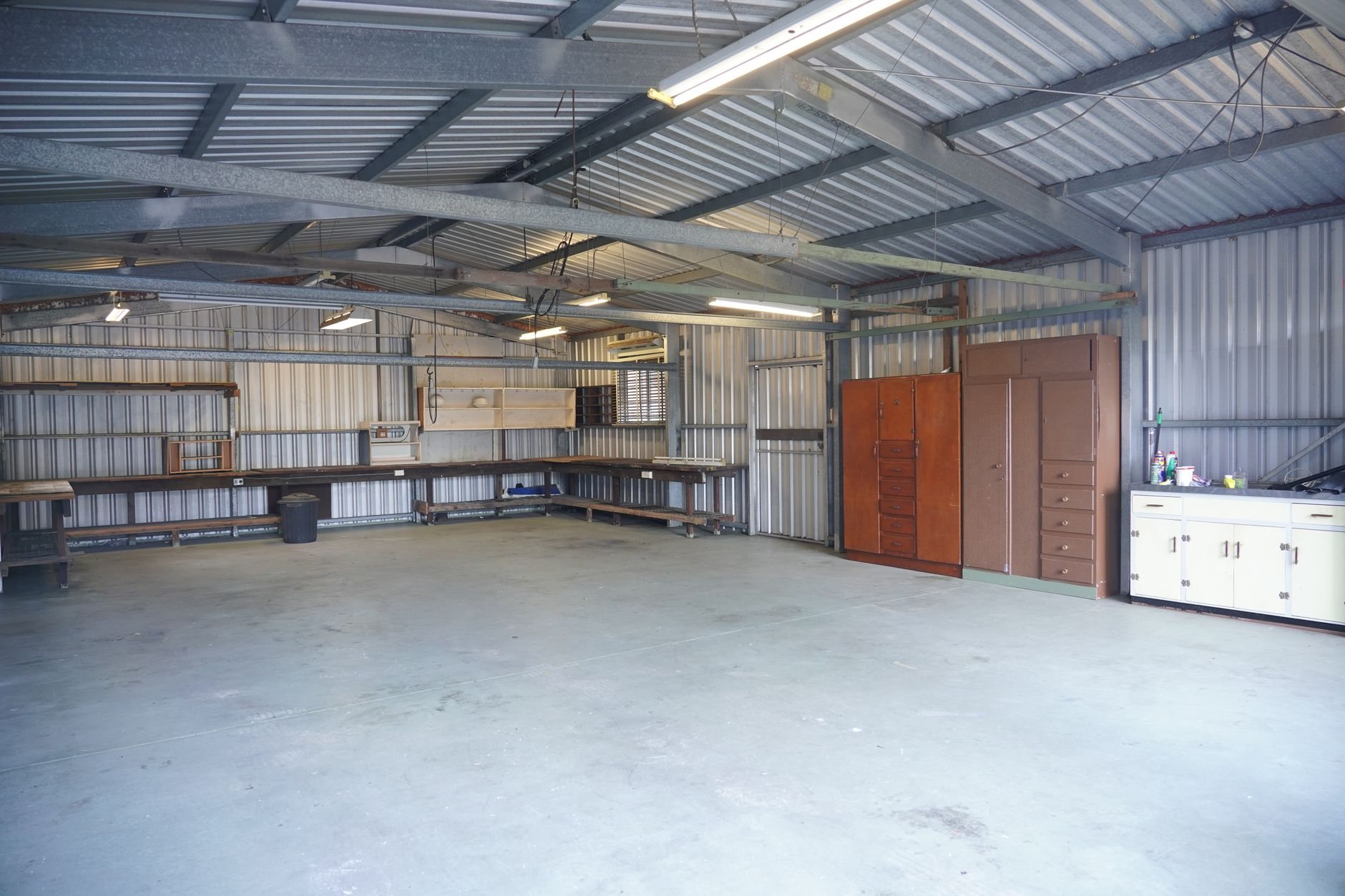
Epoxy, polyaspartic, or polished — which floor is right?
Epoxy is the right choice when you want the thickest film for the money, a wide color range, or a metallic finish — which only epoxy does well, because the pigments need a slow-curing resin to flow in. It builds to 20–30 mils per coat, bridges minor defects, and resists oil, brake fluid, and the road brine Utah winters track in.
It is the wrong choice in two cases. If the floor gets direct sun — a south-facing garage with the door open all day — epoxy ambers; a polyaspartic coating is UV-stable and cures in hours, at a higher material cost. And if you want a floor that cannot peel because nothing was applied to it, polished concrete is the honest answer, if the slab is hard and flat enough.
For a working shop where abrasion rules, see epoxy shop and garage flooring. Epoxy is one finish in our decorative concrete scope, inside the site, structure and envelope family.
What an epoxy floor system is made of
An epoxy floor is a stack of chemically different layers, each with one job. The floor is only as good as the layer that’s missing.
- Primer. A low-viscosity epoxy that wets into the ground slab’s pores. On damp or dusty slabs this is the layer that decides adhesion.
- Body coat. 100%-solids pigmented epoxy at 10–20 mils, squeegeed and back-rolled. This is the thickness, color, and impact resistance. Kit-store “garage floor paint” is 2–3 mils and a different product entirely.
- Broadcast layer (optional). Vinyl flake, quartz, or metallic pigment seeded into the wet body coat. Flake hides imperfections and adds traction.
- Topcoat. A clear urethane or polyaspartic wear layer, UV-resistant so color and sheen hold under Utah’s high-elevation sun coming in from the driveway.
How a metallic epoxy floor is made
Metallic epoxy uses a clear, slow-curing epoxy with mica-based metallic pigment mixed in. It is poured over a solid-color base coat and worked while wet — rolled, trowelled, misted with denatured alcohol or a second pigment — so the pigments drift into veins, pools, and clouds as the resin levels. No two floors repeat; the result reads as marble, river stone, or lava depending on the colors and the hand that moved them. Slab temperature and installer pace matter more here than in any other coating. A clear topcoat locks the pattern and takes the wear; without it, a metallic floor scratches to a haze within a year.
Why slab prep decides whether epoxy stays down
Epoxy floors fail at the bond line, not in the resin.
- Moisture vapor. Slabs on grade near Utah Lake — Vineyard, parts of Saratoga Springs, Lehi, and Provo — often sit over a shallow water table. Epoxy is a vapor barrier; moisture rising through the slab lifts it in blisters. We test before we quote, then specify a moisture-mitigating primer or tell you epoxy is the wrong system.
- Surface profile. We diamond-grind every slab to roughly CSP 2–3, removing curing compound, sealer, and weak paste. Acid etching leaves residual salts and a smoother surface; it is the usual reason a floor peeled.
- Cracks and joints. Hairline cracks on slabs over expansive clay get chased and filled with flexible polyurea. Control joints are filled flush or honored as joints — your call, decided before primer.
- Cure window. Epoxy cure slows below about 50°F. An unheated Wasatch Front garage in January needs temporary heat for a few days — a cost line, not a surprise.
All of it is performed under Grandview’s Utah DOPL B100 license, verifiable at dopl.utah.gov.
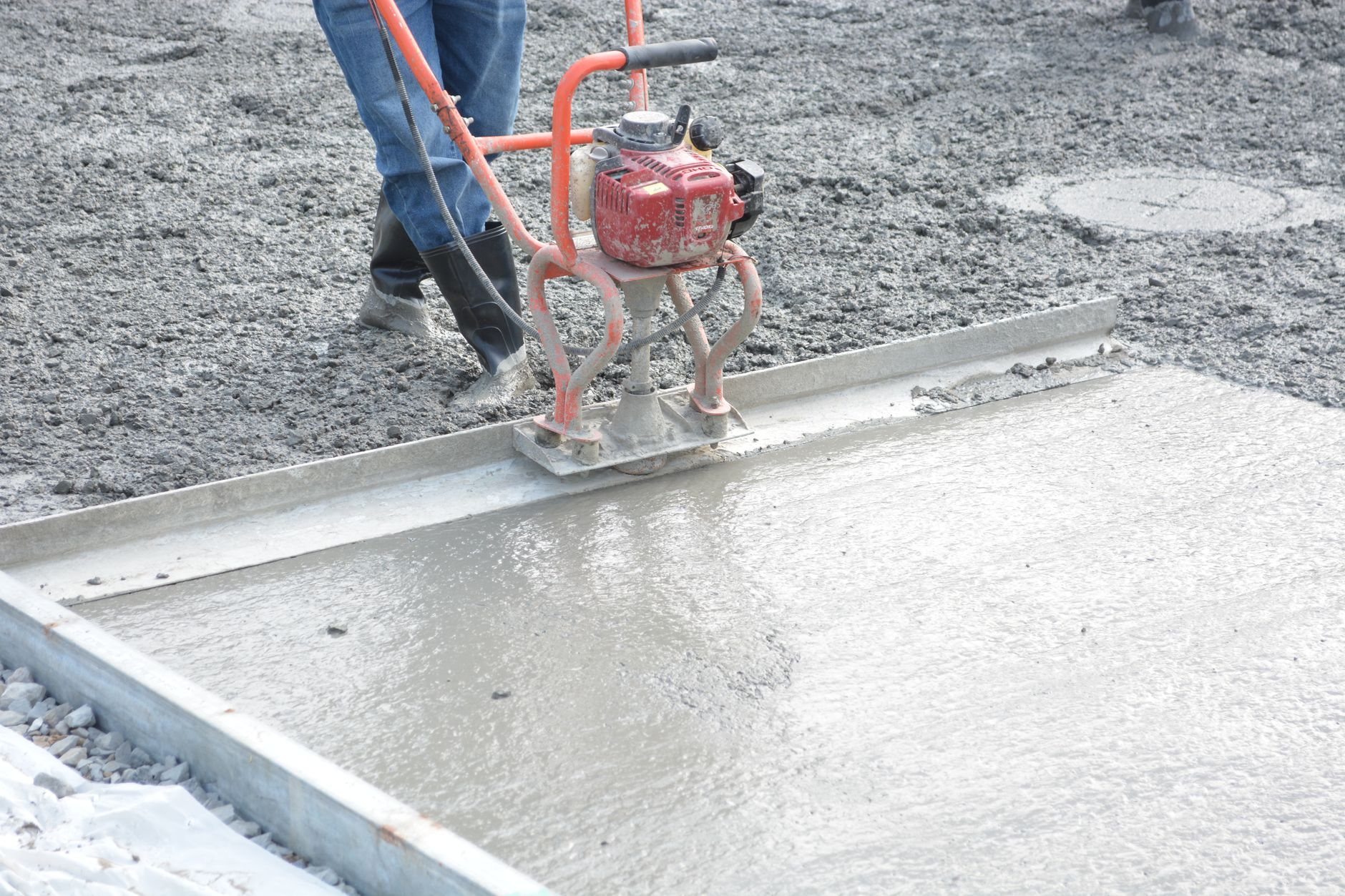
What does an epoxy floor coating cost in Utah?
As ballpark planning numbers, not quotes: a solid-color 100%-solids epoxy system with a clear topcoat typically runs about $4 to $7 per square foot installed along the Wasatch Front, a full flake floor about $6 to $10, and a metallic epoxy floor roughly $10 to $16 for the pigments, base coat, and hand time in the wet film. What moves those numbers:
- Moisture mitigation. A vapor-rated primer is a real line item on lakeside slabs; skipping it on a wet slab costs the whole floor.
- Slab condition. Old coatings, tile adhesive, or spalling mean more grinding and patching.
- Topcoat and metallic complexity. A polyaspartic topcoat costs more than clear epoxy; two-color metallic with hand-worked veins takes longer than a single pigment.
Our sequence: a conversation, a site visit with a moisture test, then a written proposal naming every layer by product and thickness. Ranges are for planning; the proposal is the number.
Questions we actually get
Will an epoxy floor get hot-tire pickup in a Utah garage?
Not if the system is right. Hot-tire pickup — the coating lifting where tires sit — happens with thin water- or solvent-based epoxies that soften under heat. A primed 100%-solids epoxy with a urethane or polyaspartic topcoat holds up to tires coming off a 100°F July driveway.
How long does epoxy take to cure before I can park on it?
Foot traffic in about 24 hours, light loads at 48 to 72 hours, vehicles at about seven days for a full cure at normal temperatures. Cold slabs stretch all of those. If you need the garage back in a day, that is the main argument for polyaspartic.
Can you put epoxy over my existing basement or garage floor?
Usually, after grinding off whatever is there and testing for moisture. A peeling old coating signals a vapor or adhesion problem we diagnose before coating over it. A slab with active cracks may want a micro-topping first. On a new garage or shop, we specify the slab for coating from the day it’s poured.
Does a metallic epoxy floor show scratches?
The metallic layer itself is soft and would, which is why every metallic floor gets a clear wear topcoat, and why we recommend satin over high gloss in heavy-use space. The topcoat can be buffed and recoated years later without disturbing the pattern.
Tell us what you’re working on
Send a photo of the floor and its rough size. We reply within a couple of hours during business hours — a day at most — with a straight read on the right system and a realistic range.