
Polyaspartic floor coatings in Utah County
A polyaspartic floor coating is a fast-curing, UV-stable polyurea applied over ground concrete — the system to choose when a garage or shop floor has to be back in service in a day or two, or coated in an unheated space in winter. Grandview grinds, repairs, and coats these floors under a Utah B100 license, and we’ll say plainly when cheaper epoxy would serve you as well.
Discuss a project Or call (385) 236-1741
When polyaspartic is the right choice — and when epoxy is
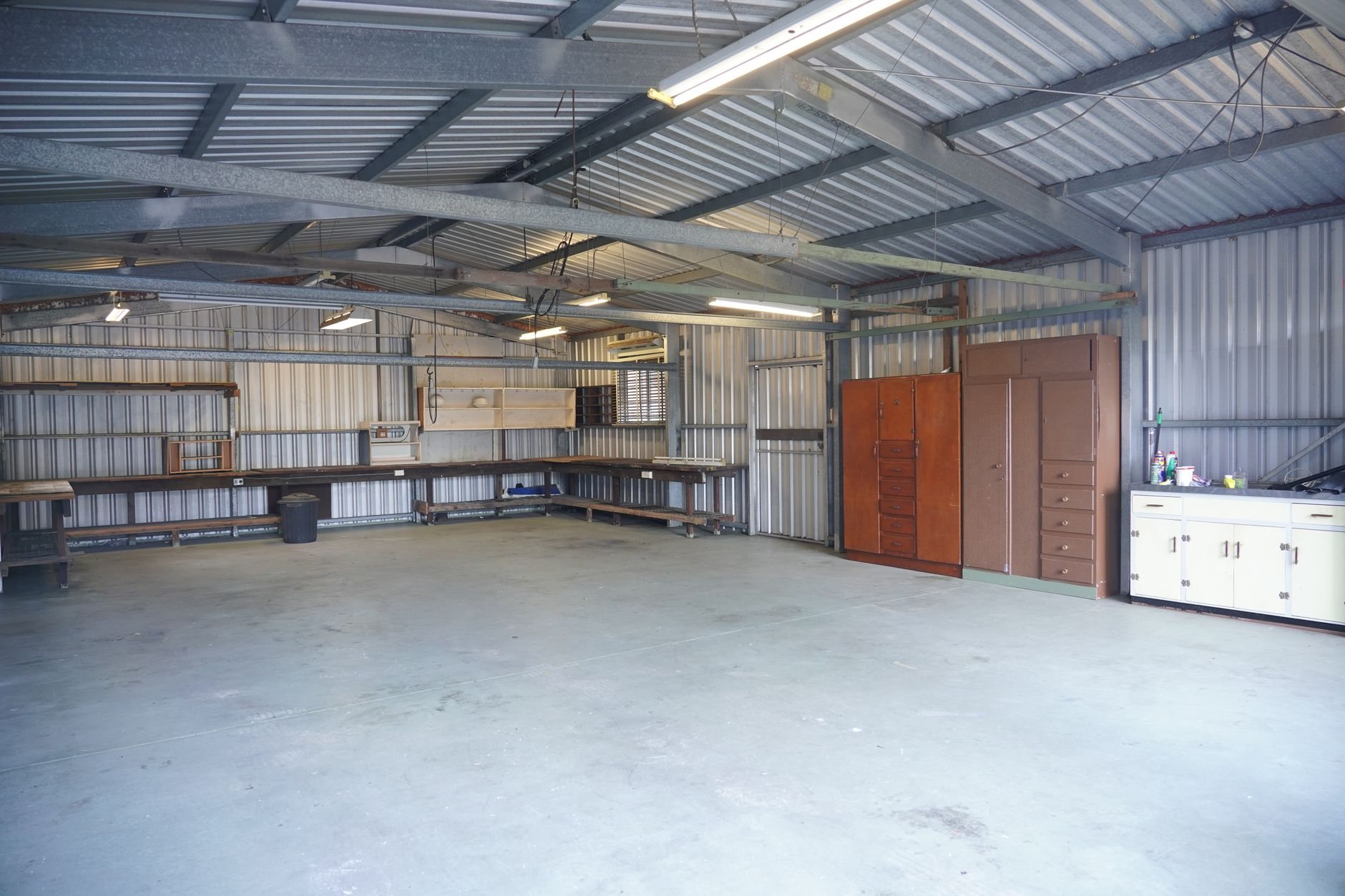
Choose polyaspartic for three reasons: speed, cold, and sun. It cures in hours, goes down in a garage well below freezing, and won’t amber under UV the way epoxy does. If none of those apply, a 100%-solids epoxy coating gives a thicker build for less money.
- Winter installs. Epoxy wants the slab at roughly 55°F or warmer for days; most unheated Utah garages lose that window by late October. January garage floors are polyaspartic floors.
- Floors you can’t lose for a week. Walkable the same evening, parking within a day or two, versus five to seven days for epoxy.
- Sun-facing bays. Utah’s elevation means stronger UV than the same latitude at sea level. Epoxy behind a south-facing door yellows within a few seasons; polyaspartic holds its color and gloss, and resists hot-tire pickup better.
Where it’s the wrong fit: a rough, pitted slab. Polyaspartic goes down thin — two coats totaling roughly 15 to 25 mils — and telegraphs every defect beneath it. Those floors want a cementitious overlay first, or polished concrete instead of a coating. Large shop floors that can afford a cure window belong on our epoxy shop flooring page.
What a polyaspartic installation involves
Mixed polyaspartic has a working time of about 15 to 30 minutes, so everything that matters happens before the bucket is open.
- Moisture testing. Polyaspartics tolerate less slab moisture than epoxy. We test before we quote; a slab pushing vapor needs a mitigation primer or a different system.
- Diamond grinding. The slab is ground to a consistent profile (roughly CSP 2–3). Acid etching doesn’t reliably cut the trowel-densified top of a garage slab — it’s the usual reason a coating lets go in sheets.
- Crack and joint repair. Cracks and spalls are cut, cleaned, and filled flush with fast-set polyurea; control joints are filled in a garage, honored under heavy shop equipment.
- Basecoat. Pigmented polyaspartic, rolled in sections sized to the pot life. An epoxy basecoat under a polyaspartic top is a legitimate hybrid, but it gives back the winter and fast-return advantages, so we label it if we propose it.
- Flake broadcast. Vinyl flake broadcast to rejection — until the wet basecoat can’t accept more — then scraped flat. Full flake hides variation a solid-color floor would show.
- Clear topcoat. Clear polyaspartic with anti-slip aggregate matched to the floor’s use. Walk on it that evening; park in a day or two.
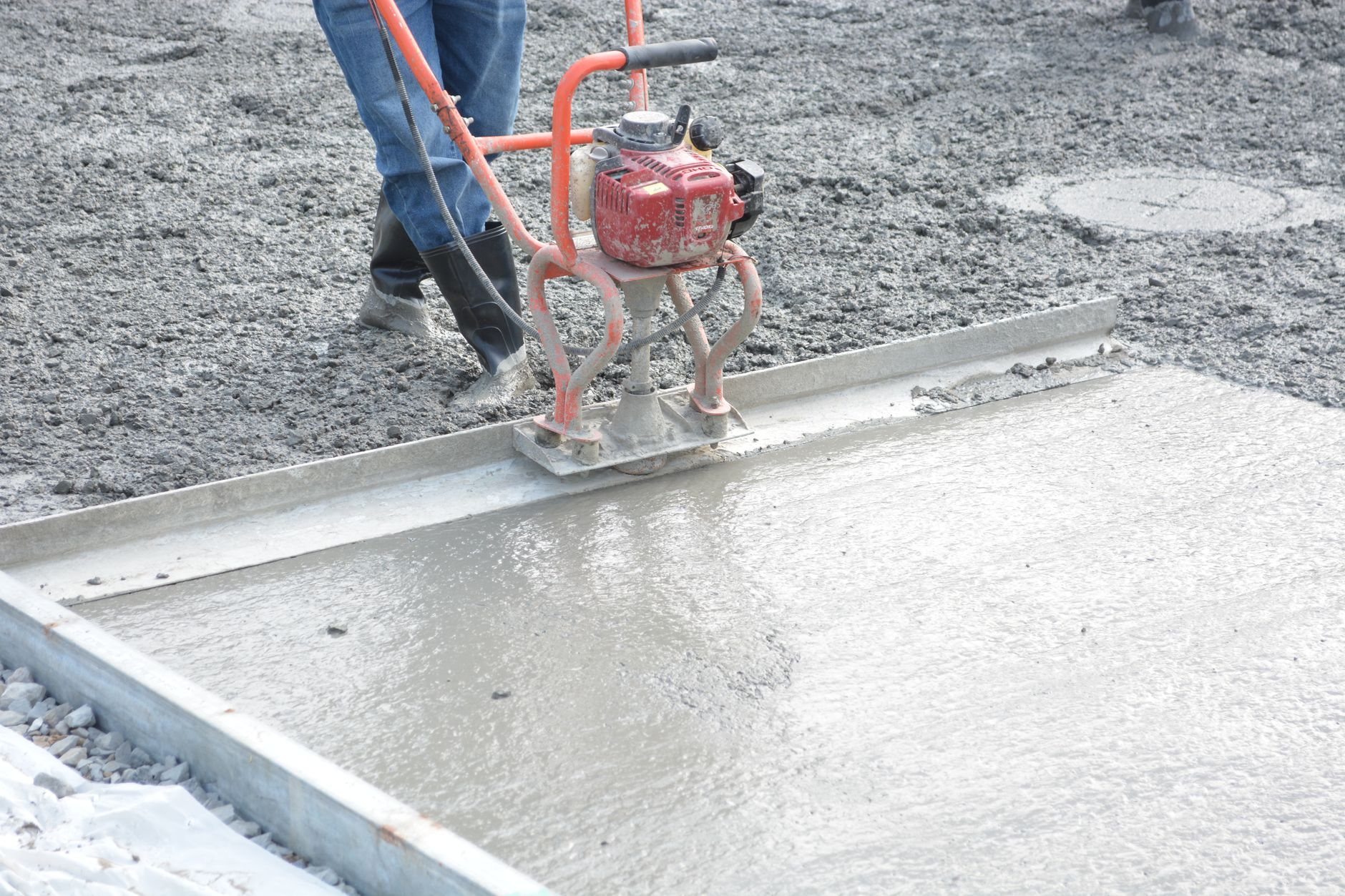
On new slabs: fresh concrete needs about 28 days of cure before it will hold a coating. If we’re pouring a new garage or shop slab or replacement flatwork, the coating is a separate return trip.
Why Utah garage floors need a coating at all
From November through March, cars carry road deicer and salt brine into the garage, where it melts and soaks into bare concrete. The freeze–thaw cycling that follows — well over a hundred cycles a season along the Wasatch Front — scales an uncoated slab. A coated floor turns that brine into something you squeegee out the door.
Slab moisture is the other local variable. Garages near Utah Lake — parts of Vineyard, Saratoga Springs, and west Orem and Provo — sit over a shallow water table, and slabs there without a vapor barrier can push enough moisture to fail a coating from below. We’d rather lose a job than coat a wet slab.
Polyaspartic is one finish in our decorative concrete scope within the site, structure and envelope family, installed under Grandview’s Utah DOPL B100 license, verifiable at dopl.utah.gov.
What does a polyaspartic garage floor cost in Utah?
As a ballpark planning number — not a quote — a full-flake polyaspartic system on a Wasatch Front garage typically runs about $6 to $10 per square foot installed, with a two-car garage landing around $2,500 to $5,000. That’s roughly a third more than comparable epoxy; the premium buys cure speed, the winter window, and UV stability.
- Slab condition. Heavy cracking or pitting adds repair time; a leveling skim coat is a separate scope.
- Removing an old coating. Grinding off failed epoxy or paint is slow work, priced on its own line.
- Moisture mitigation. A high test result adds a vapor-mitigating primer — not optional on those slabs.
- Flake versus metallic. Full flake and solid color price similarly; metallic costs more and demands a flatter slab.
A conversation, a budget range after seeing the floor, then a firm written proposal. Ranges are for planning; the proposal is the number.
Questions we actually get
Can a polyaspartic floor really be installed in winter?
Yes — that’s its main advantage in Utah. Polyaspartic cures in an unheated garage at temperatures epoxy can’t tolerate, so we coat floors through December, January, and February. The slab must be dry and frost-free, and cure slows in the cold, so keep cars out an extra day when it’s well below freezing.
How soon can I park on it?
Foot traffic the same evening in most conditions, and vehicles typically within 24 to 48 hours. Warm weather shortens that window; a cold garage stretches it. We give you a specific return-to-service time at the walkthrough based on that day’s temperature.
Why did my last garage coating peel, and will this one?
Nearly every peeled floor we see failed for one of two reasons: it was acid-etched instead of ground, or it went over a slab pushing moisture. Grinding and a moisture test address both. A properly prepped polyaspartic floor bonds into the concrete rather than sitting on it, which is why it holds up to tires and deicer.
Is a polyaspartic floor slippery?
A glossy clear topcoat over smooth concrete can be, especially with snowmelt on it. Full-flake floors carry natural texture, and we add fine anti-slip aggregate to the topcoat on every garage we coat. Shops and entries that see wet boots get more grit. Tell us how the floor will be used and we’ll match the finish.
Tell us what you’re working on
Send a couple of photos of the floor and rough dimensions. We reply within a couple of hours during business hours — a day at most — with a straight read on whether polyaspartic or epoxy fits, what prep the slab needs, and a budget range.