
Composite deck builders in Utah County
Composite decking is a wood-fiber and polymer board, usually wrapped in a protective cap, that holds its color without staining and shrugs off the UV that grays bare wood at our elevation. Grandview designs, permits, and builds composite decks under a B100 general contractor license, with the gapping, fastening, and joist spacing the manufacturers’ warranties require.
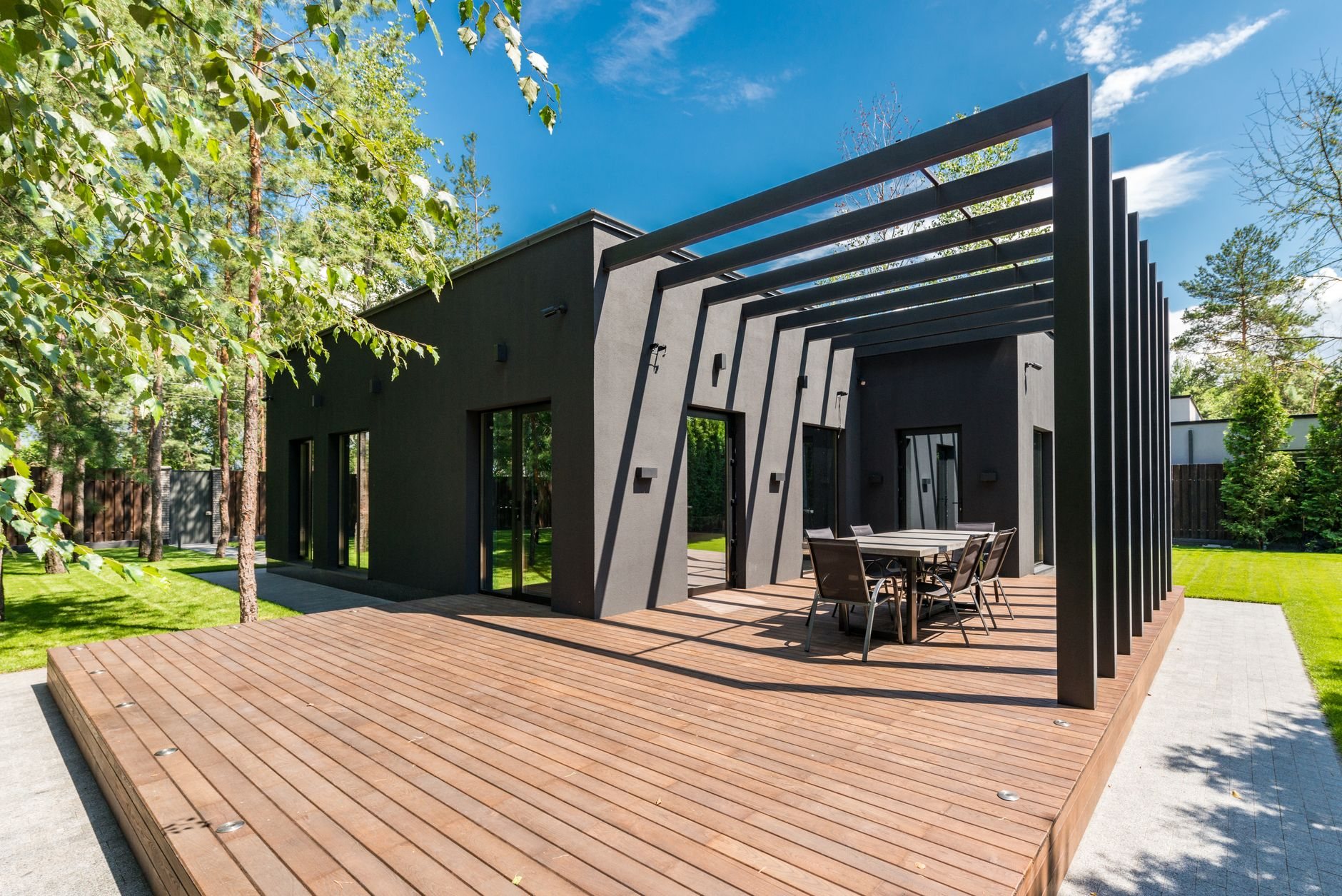
When composite is the right board, and when it isn’t
Composite is the right choice when you want a deck you can ignore. No stain, no sealer, no sanding a south-facing surface every other spring. It’s where most clients land once they price what a pressure-treated deck costs to keep looking decent over fifteen years at Utah’s UV intensity.
It isn’t right for everyone. If you want real grain and accept a maintenance calendar, a cedar deck costs less and looks like wood because it is. If you want a cooler, lighter board for a west-facing or rooftop deck, cellular PVC decking has no wood fiber at all. If fire resistance or a stone-flat surface is the priority, mineral-based composite is a different material at a different price.
Capped versus uncapped composite
Uncapped composite is the first-generation material: wood flour and plastic extruded as one solid board. It absorbs some moisture, which is why older uncapped decks show mildew spotting and uneven fade. Capped composite wraps that core in a thin polymer shell on three or four sides, and the cap carries the 25- to 50-year fade and stain warranties the major lines advertise. We build almost exclusively with capped boards; the savings on uncapped rarely survive a Utah summer or two.
One thing to learn before install rather than after: dark boards get hot. At 4,500 feet with clear-sky summers, a charcoal composite deck in afternoon sun can be too hot for bare feet. On west-facing decks we steer toward lighter tones and leave samples in the sun on your lot before you choose.
How we install composite decking so the warranty holds
Composite doesn’t rot or check, but it moves with temperature and sags if joists are too far apart. Both are installation problems, and manufacturers void warranties when their guides are ignored, so our process follows them line by line.
- Frame for composite, not for wood. Joists at 16 inches on center for straight runs and 12 inches for diagonal or picture-framed layouts, with blocking under every board end. Composite shows every high joist, so we plane the frame flat first, then tape every joist top; the pressure-treated frame still decides the deck’s real lifespan.
- Gap for Utah’s temperature swing. Composite grows and shrinks along its length with heat. A board installed at 35 degrees in March expands by summer; one installed at 95 degrees in July contracts by January. Manufacturers like Trex publish end-gap tables keyed to board temperature at install, and in a climate that swings from below zero to over 100 degrees we gap by the thermometer. Skipping this is why composite decks buckle at the ends or open wide gaps in winter.
- Hidden fasteners on grooved boards. Edge-grooved composite takes clips that sit in the groove and screw to the joist, so the surface has no fastener heads to catch snow shovels. Solid-edge boards at the perimeter and stairs get color-matched composite screws and plugs. Ordinary wood screws mushroom the cap and void coverage.
- Picture frame, breaker boards, and fascia. Long runs get a breaker board instead of butt joints, the perimeter gets a solid-edge border so no cut groove shows, and fascia is composite with its own gapping. Wood fascia on a composite deck ages at a different speed and shows it by year three.
- Ventilation and drainage. Composite needs airflow underneath. Grade-level decks get clearance and open skirting; walkout decks get under-deck drainage sized for monsoon-season cloudbursts.
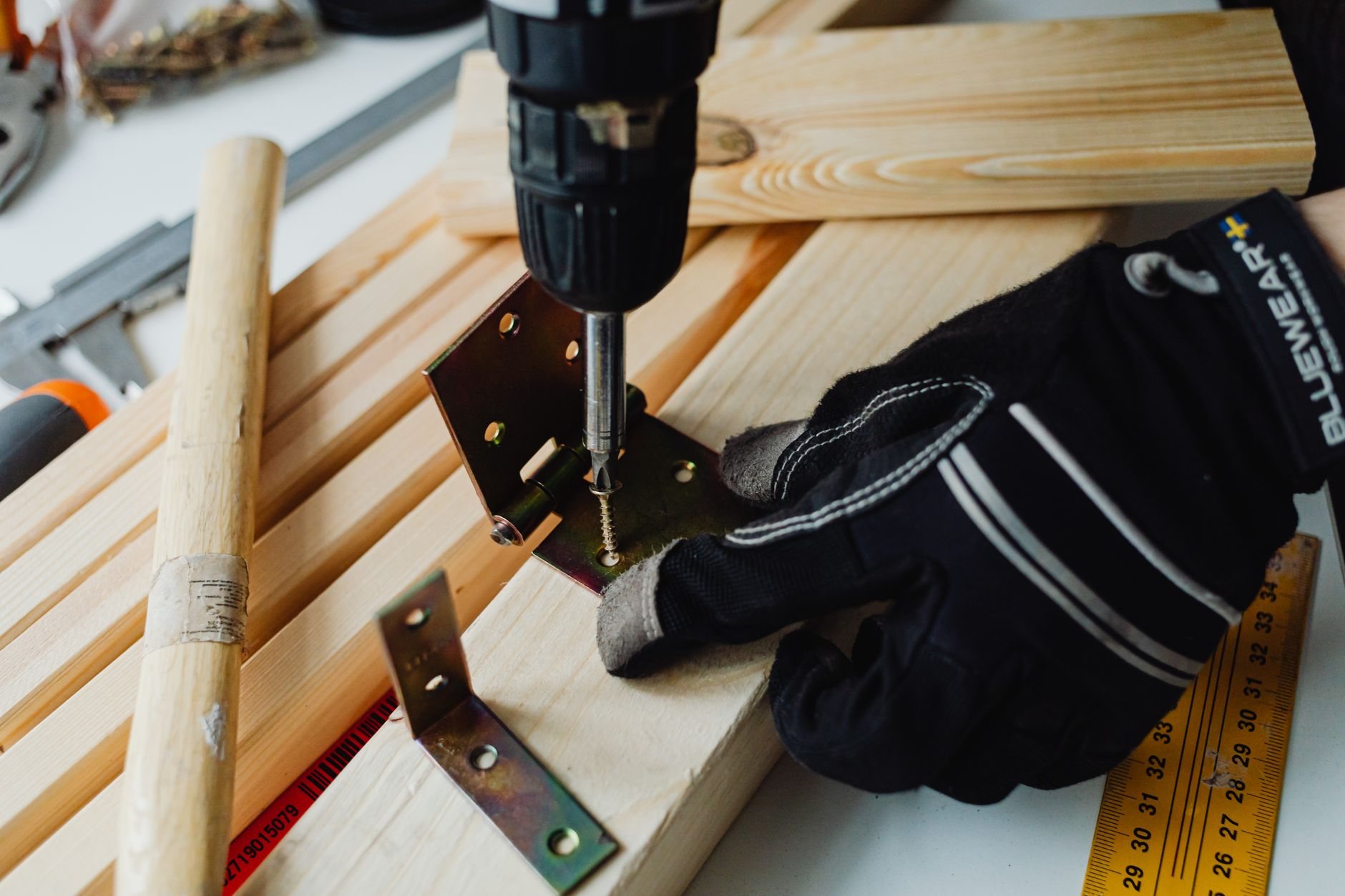
Footings, ledger, and railing follow the standards on our main deck construction page: footings below frost depth, a through-bolted and flashed ledger, and bench-lot framing sized for heavier snow loads than the valley floor. Composite boards aren’t structural, so none of that changes with the surface. If your existing frame is sound, we can reboard it in composite; our deck repair and reboarding page covers how we inspect a frame first.
What does a composite deck cost in Utah County?
As ballpark planning numbers, not quotes, composite decks in our market typically run about $60–$95 per square foot installed, with footings, framing, and standard railing. The spread is mostly board tier: entry-level capped composite at the low end, premium lines with multi-tonal streaking and heavier caps at the top. A 300-square-foot composite deck with a simple layout usually lands in the $18,000–$28,000 range.
- Board tier and line. The biggest lever. Entry, mid, and premium tiers within one brand can differ by half again in material cost.
- Layout complexity. Diagonal boards and picture framing add labor and waste, and push joist spacing to 12 inches.
- Composite fascia, risers, and trim. Finishing every exposed edge in matching composite is the right detail and adds material.
- Height, site, and railing. Same drivers as any deck: a bench-lot walkout with cable railing costs far more than a grade-level platform.
After a site walk you’ll get a budget range, then a firm estimate once board line, color, and railing are chosen.
Questions we actually get
Does composite decking really last 25 years in Utah?
The board surface generally does; manufacturer warranties on capped lines run 25 to 50 years against fade and stain. The deck’s real lifespan is set by the pressure-treated frame underneath, which is why we tape joists, ventilate the underside, and flash the ledger properly.
Can composite boards span the same joist spacing as wood?
No. Composite is less stiff than lumber, so manufacturers cap joist spacing at 16 inches on center for perpendicular runs and 12 inches for diagonals. If we’re reboarding an older wood deck framed at 24 inches, we sister in joists first. Skipping that produces a spongy deck and voids the warranty.
Why are there gaps at the ends of composite boards?
Because the boards expand and contract with temperature along their length. The end gap is set at install from the board’s temperature that day, per the manufacturer’s table, so the deck has room to grow in July and doesn’t open wide in January. No end gaps means buckling.
Is composite worth the extra cost over pressure-treated wood?
Usually, if you’ll own the home long enough. Composite costs roughly 40 to 60 percent more than pressure-treated up front. Against that, a wood deck here wants stain or sealer every two to three years, and skipped maintenance at our UV levels shortens its life. Over a decade the costs converge; the time saved is the real difference.
Composite decks are part of our site, structure & envelope work, built under a license you can verify at Utah DOPL, and often paired with custom stairs and metal railings or built-in deck lighting.
Tell us about the composite deck you have in mind
We reply within a couple of hours during business hours, a day at most. You’ll get a straight read on board options, layout, framing, and budget before anyone commits to anything.