
Cedar deck builders in Utah County
A cedar deck is a wood deck surfaced in Western red cedar — a naturally rot- and insect-resistant softwood that stays cool underfoot and takes stain well, but needs the right fasteners and a finish schedule to survive Utah sun. Grandview designs, permits, and builds cedar decks across Utah County under a B100 general contractor license.
When cedar is the right deck board
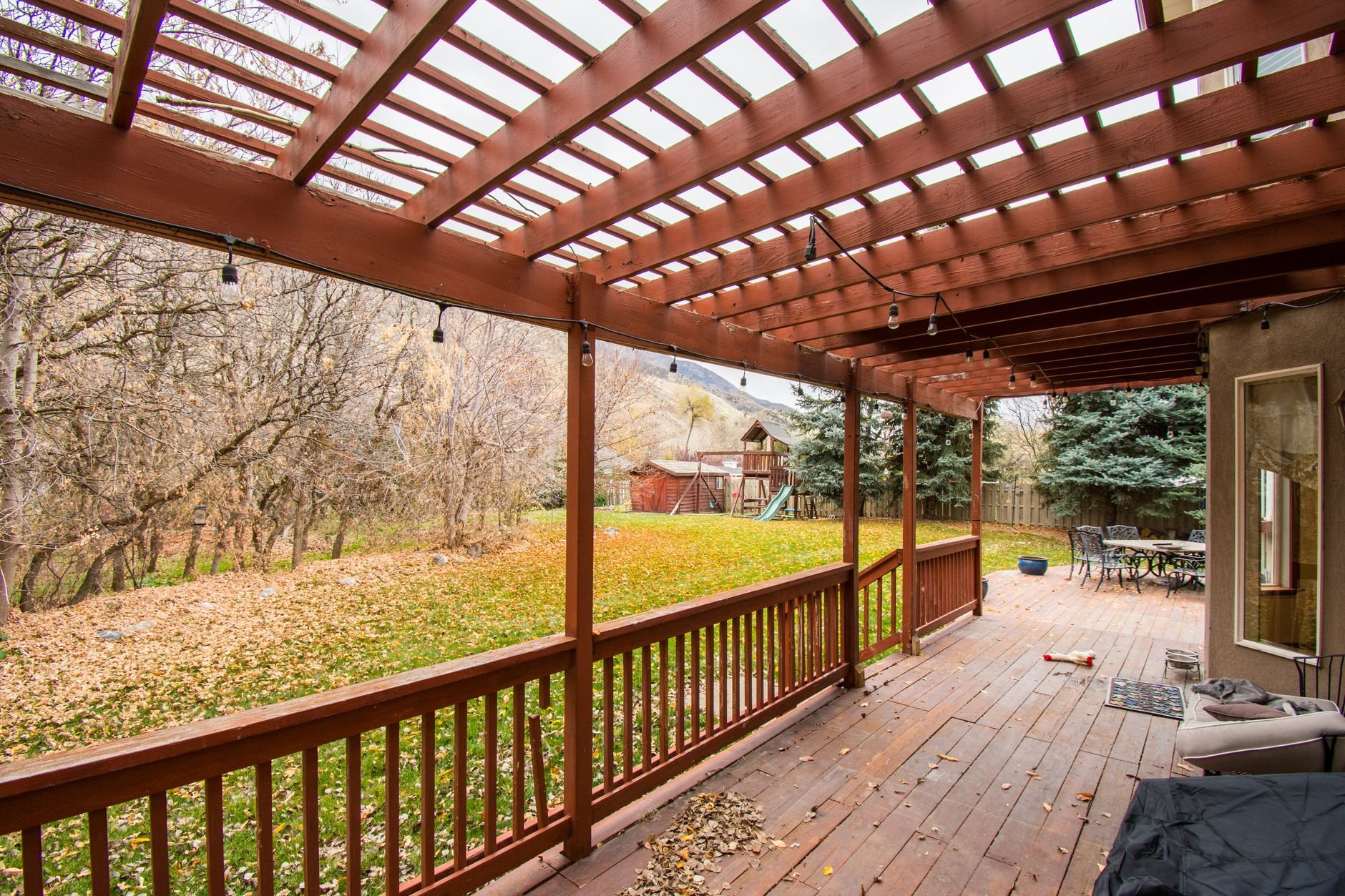
Cedar sits in the middle of the wood decking range: more than a pressure-treated pine deck, less than a redwood deck, and better-looking than either in year one — tight, straight grain in amber to reddish-brown, no green treatment tint, no chemical preservatives in the board you walk on barefoot. People choose it when they want real wood and will stain it on a schedule.
It’s the wrong choice for a few situations. Cedar is soft — a dropped grill tank dents it where a composite deck or ipe deck would shrug. Heavy dog traffic or zero maintenance points to composite. A shaded, slow-drying north-side deck can hold moisture long enough to shorten cedar’s life; there we’ll talk through under-deck ventilation first.
Within cedar, grade is the real decision. Select Tight Knot (STK) is the common deck grade — sound knots, good character, reasonable price. Clear grades (A & Better, Architect Clear) cost sharply more and mostly go on railings, fascia, and stair treads. The Western Red Cedar Lumber Association publishes the grading rules; we’ll show you both grades in hand.
What goes into a cedar deck build
The frame under a cedar deck is still pressure-treated lumber — cedar’s decay resistance comes from heartwood oils, not a treatment, and it isn’t rated for ground contact or joists. Cedar is the surface, stairs, fascia, and often the railing. Footings and ledger follow the same standard as any deck Grandview builds; what changes is how the boards are chosen, fastened, and finished.
- Board spec. Typically 5/4×6 radius-edge cedar decking, kiln-dried where we can get it. Green cedar shrinks noticeably after installation and opens gaps wider than planned. Bundles acclimate on site before cutting.
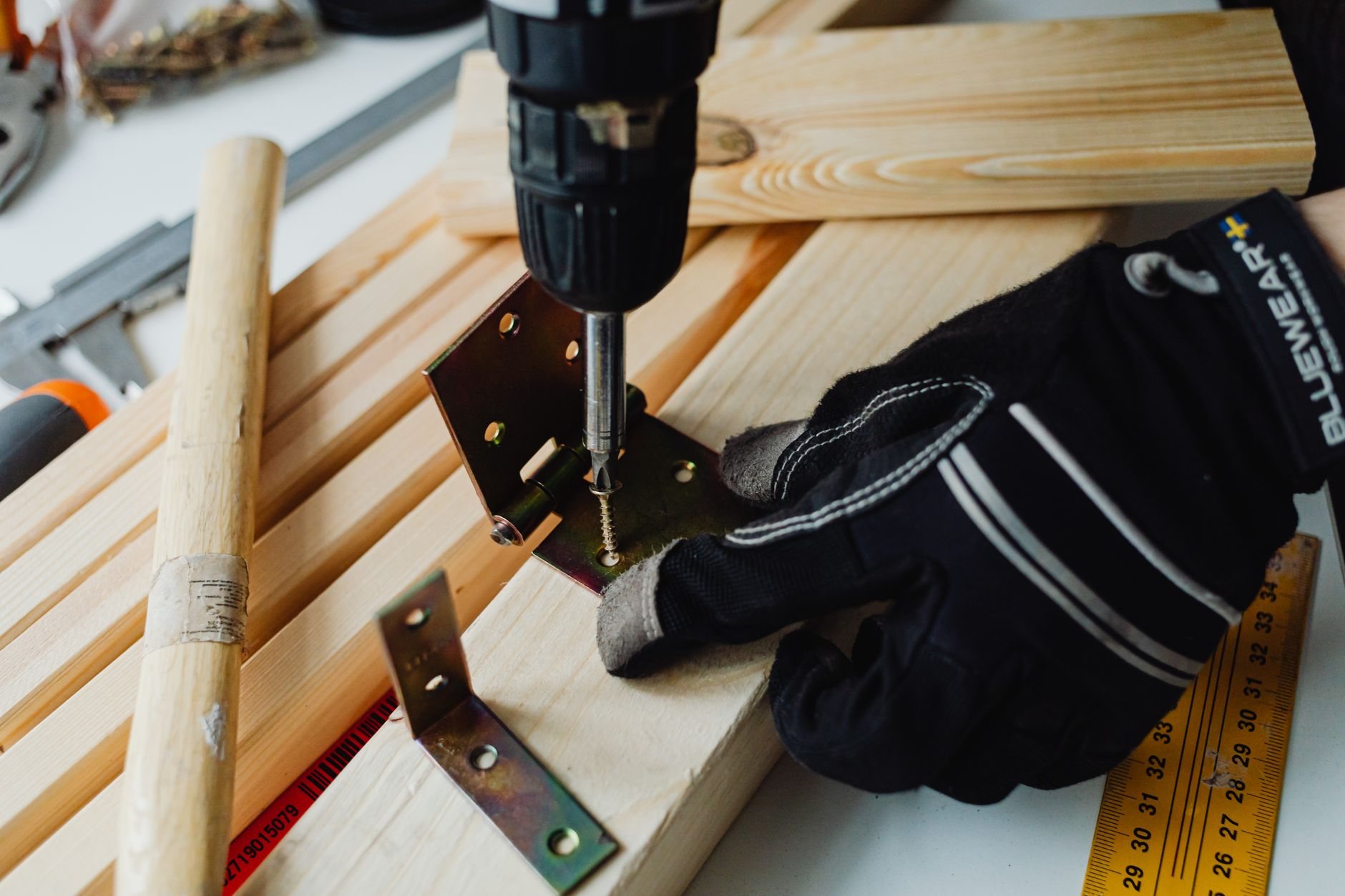
- Fasteners. Cedar’s tannins react with plain or galvanized steel and leave black streaks around every screw head within a season. We use stainless or ceramic-coated screws rated for cedar, or hidden clips for a clean face. Joist hangers stay hot-dip galvanized because they live in the treated frame, not the cedar.
- Gapping and orientation. Kiln-dried cedar gets a 3/16-inch gap; wetter stock is laid tighter because it will shrink. Boards go bark-side up where the grain allows, so any cupping sheds water.
- End cuts. Every cut end is sealed before installation; unsealed end grain is where checking starts.
- Joist protection. Joist tape on the treated frame keeps water from sitting at every fastener penetration — what decides whether the structure outlives the surface.
Finishing cedar for Utah’s sun
Left bare, cedar weathers to silver-gray — fast at our elevation — and gray cedar is drier, rougher cedar that checks sooner. To keep the warm color, the deck needs a penetrating oil-based or semi-transparent stain once the boards have dried to accept it, usually a few weeks after installation. Film-forming finishes and solid paints are a mistake on cedar decking: they peel under foot traffic and then have to be stripped.
Plan on refreshing the finish every two to three years, sooner on south- and west-facing decks where Utah’s elevation pushes UV intensity well above the national norm. Hard-water spotting from sprinklers marks freshly oiled cedar; aim the heads away. Our deck staining crew handles the recoat; if boards have gone too far, a reboard on a sound frame is far cheaper than a rebuild.
What does a cedar deck cost in Utah County?
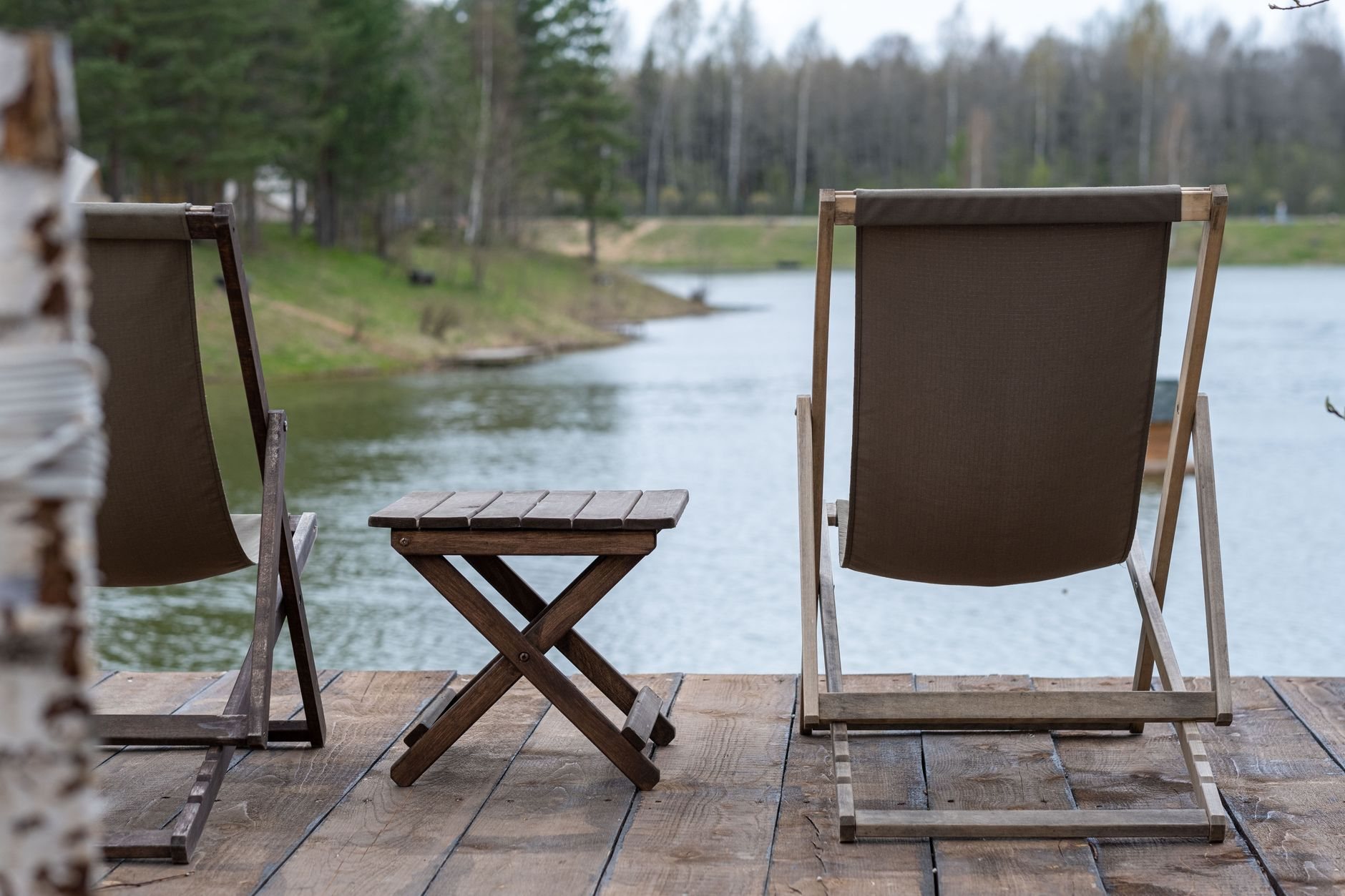
As ballpark planning numbers — not quotes — a cedar deck in our market typically runs about $45–$70 per square foot installed, with frost-depth footings, treated framing, cedar decking, and basic railing. That lands between pressure-treated and composite. A 300-square-foot STK cedar deck with cedar railing is usually in the $14,000–$21,000 range before extras.
What moves the number on cedar specifically:
- Grade. Clear-grade decking can add 60–100% to board cost over STK; most clients put clear cedar only on railings and caps.
- Fastener system. Stainless face screws cost more than coated; hidden clips add material and labor for a fastener-free surface.
- Railing. Cedar posts and pickets are the natural pairing; metal balusters or cable in cedar posts cost more and open up a mountain view.
- Site and soil. Bench-lot decks in Alpine, Highland, or Cedar Hills carry heavier snow loads than the valley floor, and expansive clay or collapsible bench soils — mapped by the Utah Geological Survey — can mean deeper or more footings.
After a site walk you’ll get a budget range to plan against, then a firm estimate once grade, railing, and layout are settled.
Questions we actually get
How long does a cedar deck last in Utah?
A cedar surface stained on schedule and kept clear of standing water commonly lasts 15–20 years here; neglected, bare cedar in full sun can be rough and checked inside ten. The treated frame underneath, with flashed ledger and joist tape, generally outlasts the boards, which is why a mid-life reboard is often the smart move.
Why are there black streaks around the screws on my cedar deck?
Tannin reaction. Cedar’s natural extractives react with iron in plain or galvanized fasteners and bleed dark stains across the board. It’s cosmetic but stubborn. We prevent it with stainless or cedar-rated coated screws, or hidden clips. If you already have streaks, an oxalic-acid brightener before restaining will lighten them.
Should I choose cedar or redwood?
They perform similarly; the differences are color, availability, and price. Redwood runs deeper red, usually costs more, and is harder to source in Utah in consistent grades. Cedar is lighter, more readily stocked locally, and a bit softer. If you like the amber tone and want the more economical of the two, cedar is usually the answer.
Can I build a cedar deck without staining it?
Yes. Cedar’s decay resistance doesn’t depend on the finish, so a bare deck won’t rot early if it drains and dries. It will gray within a season or two at Utah’s elevation and roughen sooner. If you want the silver look, we’ll still seal end cuts and recommend a clear water repellent to slow checking.
Tell us about the cedar deck you have in mind
We reply within a couple of hours during business hours — a day at most. You’ll get a straight read on grade, layout, railing, and budget before anyone commits. Cedar decks are part of our site, structure & envelope work, built under a B100 license you can verify at Utah DOPL.