
Pressure-Treated Wood Decks in Utah County
A pressure-treated wood deck is the lowest-cost real deck you can build — copper-treated lumber for frame and surface, corrosion-rated hardware, footings below frost depth. Grandview designs, permits, and builds them under a B100 general contractor license across Utah County and Salt Lake County.
When pressure-treated is the right deck
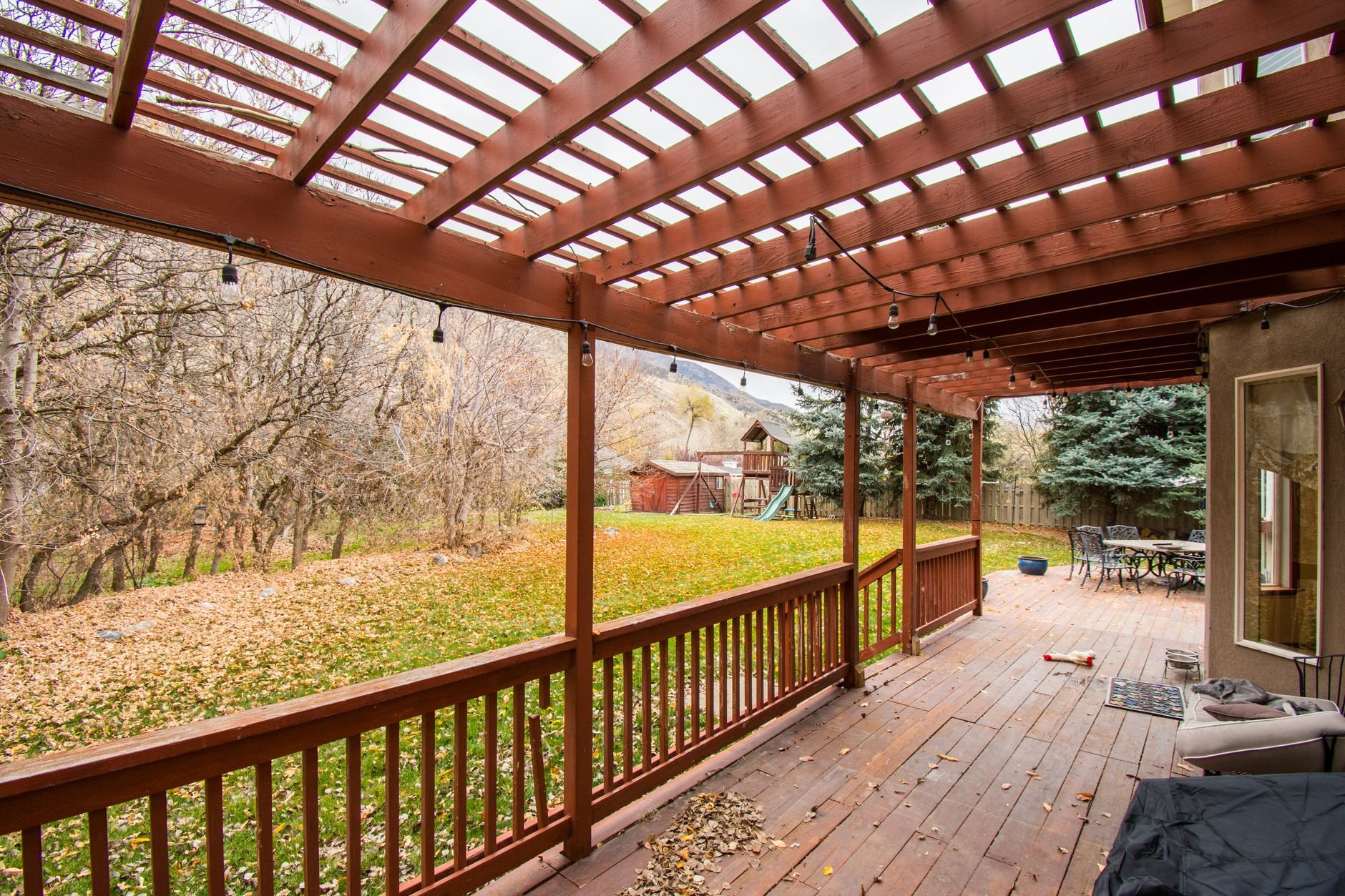
Every deck we build sits on a pressure-treated frame, so the real question is whether the walking surface should be treated lumber too. It’s the right call when budget decides, when the deck is large enough that a premium surface would double the price, when it belongs to a rental, or when you plan to stain anyway.
It’s the wrong call if you never want to refinish. Composite decking costs more and asks nothing of you afterward. Cedar and redwood give a cleaner board without incising marks and natural rot resistance in place of chemical treatment, at a higher price. Treated lumber wins on cost and repairability and loses on looks off the truck; stained, the gap narrows.
If your treated frame is sound and only the boards are tired, reboarding and restaining is the better project.
What goes into a pressure-treated deck that lasts
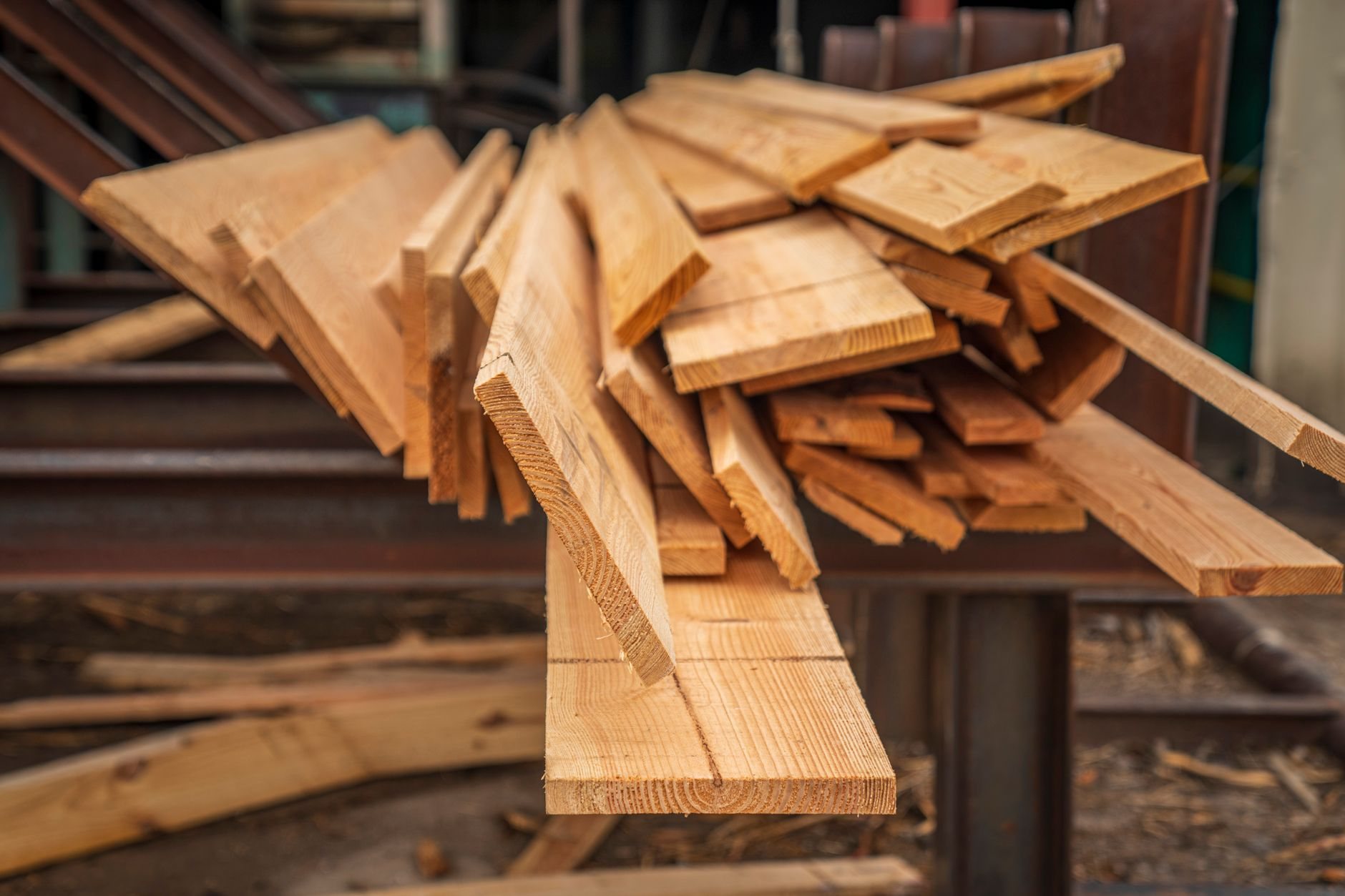
Treated lumber is treated lumber until you read the end tag. Residential pressure-treated wood sold since 2004 uses copper-based preservatives such as ACQ, copper azole, and micronized copper azole; the older arsenic-based CCA was withdrawn from residential use, as the EPA’s overview of wood preservatives explains. Copper drives the rest of the spec.
- Ground-contact rating where it counts. Posts, lumber within six inches of grade, and framing in poor ventilation get ground-contact (UC4A) stock, not the lighter above-ground (UC3B) retention most deck boards carry.
- Hardware that survives copper. Copper-treated wood corrodes ordinary zinc-plated steel. Hangers, post bases, and ledger bolts go in hot-dip galvanized (G185) or stainless; deck screws are coated and rated for ACQ contact.
- Field cuts re-treated. Treatment penetrates only the outer shell, so every cut end, notch, and bolt hole gets brushed with copper naphthenate.
- Wet lumber, handled accordingly. Treated boards usually arrive saturated. We set joists crown-up, tape the tops, and lay 5/4×6 decking tight-butted when wet so it shrinks to a drainage gap. Kiln-dried-after-treatment (KDAT) stock is gapped on install.
- Posts off the concrete. 6×6 posts stand on standoff bases that lift the end grain above the footing; a post set in the pour wicks water regardless of rating.
Utah adds its own pressures. Our dry air pulls moisture out of wet treated lumber faster than most markets, so expect more checking and shrinkage the first summer. Elevation sharpens UV, and unprotected treated boards facing south or west gray out within a year or two. On bench lots in Alpine or Draper we size joists and beams for heavier snow than the valley floor.
How a pressure-treated deck build runs
- Site walk and layout. We measure, check how the ledger meets the house, and confirm which members need ground-contact stock based on grade and airflow.
- Permit and lumber order. Framing plan and railing detail go to your city. Grades, use categories, and hardware are written on the order, not left to the yard.
- Footings and posts. Concrete below frost depth, commonly around 30 inches along the Wasatch Front; verify the exact number with your building department.
- Ledger and frame. Through-bolted, flashed ledger, galvanized hangers, taped joist tops, re-treated cuts. Inspected and photographed before decking covers it.
- Decking, stairs, and railing. Two rated screws per joist, picture-framed edges where the design calls for it, and stairs and guards to current Utah-adopted code.
- First finish. Once water stops beading on the wood, a penetrating oil stain goes on. Our deck and fence staining work covers that coat and sets the two-to-three-year schedule.
Problems happen. Surprises should not. The lumber spec is settled on paper before delivery, where most treated-deck shortcuts start.
What does a pressure-treated deck cost in Utah County?
As ballpark planning numbers, not quotes, pressure-treated wood decks in our market typically run about $40–$60 per square foot installed, including footings, frame, treated decking, and wood railing. A 300-square-foot treated deck at grade lands around $12,000–$18,000; the same footprint in composite starts where this range ends.
- Lumber grade. #1 treated decking has fewer knots and less wane than #2; KDAT adds again.
- Ground-contact quantity. Low decks with poor airflow push more of the frame into UC4A stock, which carries a premium.
- Railing. Treated 2×2 pickets are the economical floor; metal balusters or cable move the total more than the decking does.
- Ongoing finish. Not in the build price, but a treated deck wants stain or sealer every two to three years here.
After a site walk you’ll get a budget range, then a firm estimate once grade, hardware, and railing are chosen.
Questions we actually get
How soon can I stain a new pressure-treated deck?
When water stops beading on the boards, usually several weeks to a few months in Utah’s dry air, sooner in July than October. Staining saturated lumber traps moisture and the finish peels. KDAT decking is the exception and can be finished within days.
Why is the lumber green or brown, and will it stay that way?
The color comes from the copper preservative, and it fades. Unfinished treated wood weathers to gray within a year or two at our elevation and UV exposure. A semi-transparent or solid stain sets the color you want and protects the surface; it’s the biggest factor in how a treated deck looks at year five.
Can I use regular screws and hangers on treated lumber?
No. Copper-based treatments corrode plain and electro-galvanized steel, and the connectors fail long before the wood does. Hangers, post bases, and bolts need hot-dip galvanized (G185) or stainless; screws need an ACQ-rated coating. Inspectors check for it at the framing inspection.
Is a pressure-treated deck safe for kids and pets?
Current residential treated lumber uses copper-based preservatives, not the arsenic-based CCA withdrawn from residential use in 2004. The precautions are ordinary: seal the surface, don’t burn offcuts, wash hands after handling raw lumber. Boards from a 1990s deck may be CCA and should be disposed of, not reused.
This is one option within our deck construction service and the wider site, structure & envelope family. Our B100 license is verifiable through Utah DOPL.
Tell us about the deck you have in mind
We reply within a couple of hours during business hours — a day at most. You’ll get a straight read on grade, hardware, footings, and budget before anyone commits.