
Decks with Built-In Lighting in Utah County
Built-in deck lighting is low-voltage LED fixtures set into stair risers, post caps, rail undersides, and the deck surface, with the cable run inside the frame before the boards go down. Grandview plans the fixtures with the framing and builds the chases, sleeves, and transformer location into the deck under a B100 general contractor license.
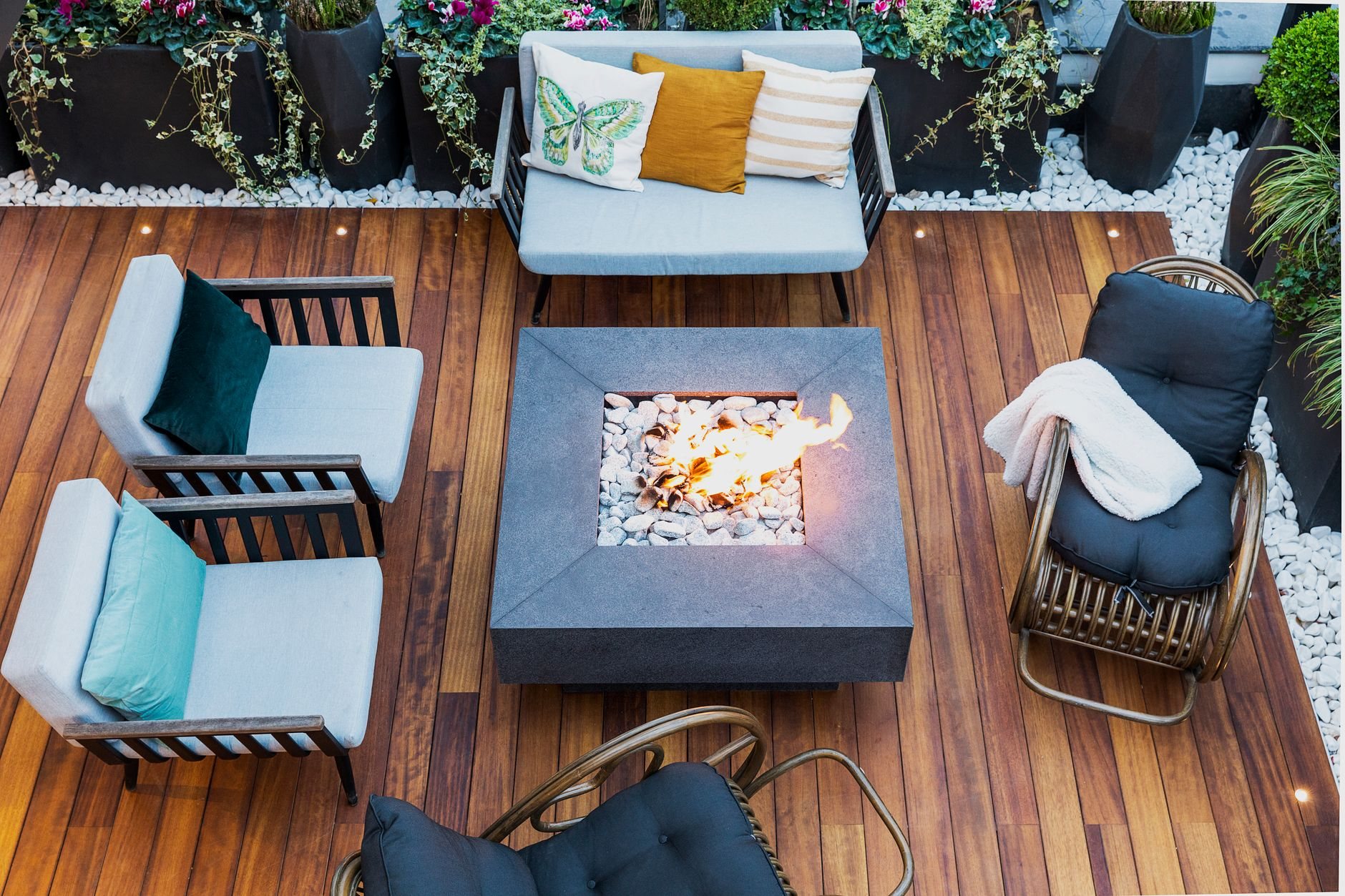
When lighting belongs in the build, not the shopping cart
Plug-in string lights and solar post caps are fine for a deck you already have. They’re a poor answer for a deck you’re about to build, because the one week wiring is cheap is the week the joists are open. After that, every fixture means pulling boards, fishing cable, or living with a cord.
Built-in lighting earns its place on any deck with stairs you’ll use after dark, on a second-story deck where the patio underneath wants light too, and on a covered deck where ceiling fixtures need a rough-in before the ceiling closes. If the project is mainly the stairs and guards themselves, start with custom deck stairs and railings; if it’s a bench with light underneath, see decks with built-in seating. This page is the wiring plan that threads through all of them.
What goes where: the fixture plan
Good deck lighting puts a little light exactly where a foot lands and almost none anywhere else. We lay fixtures out on the framing drawing, not on site with a pencil.
- Stair riser lights. Small recessed LEDs in every second or third riser, aimed down at the tread. This is the fixture that prevents falls, and a recessed riser light survives a snow shovel where a surface-mounted tread light doesn’t.
- Post-cap and rail lights. Lit caps mark the corners; strip LEDs under the rail cap wash the guard without glare and keep cable or metal baluster sightlines clean.
- In-deck recessed pucks. Flush lights along a perimeter or across a step-down between levels, walkable and sweepable.
- Sconces, ceiling, and under-deck fixtures. Line-voltage lights on the house wall, a covered-deck ceiling, or under the joists of a raised deck; these need a box and a circuit, not a transformer.
Finish matters at our elevation. Wasatch Front UV yellows cheap polycarbonate lenses and chalks painted housings within a few seasons, so we specify powder-coated aluminum or brass bodies with glass or UV-stable lenses, matched to the railing hardware.
Low-voltage or line-voltage?
Nearly all riser, cap, rail, and in-deck fixtures run on a 12-volt system: a transformer plugs into a weatherproof GFCI outlet at the house, and a thin two-conductor cable feeds every fixture through the frame. One transformer with a photocell or timer handles a typical residential deck. LEDs use at least 75% less energy than incandescent and last far longer, per the U.S. Department of Energy, so we spec nothing else outdoors.
The line-voltage side is simple and honest. The GFCI outlet that feeds the transformer, any dedicated circuit, the wall switch inside the door, and 120-volt sconces or ceiling fixtures are electrical work. Grandview holds the contract and manages licensed electricians; we coordinate, sequence, and quality-check their work within your project, and we build the frame and low-voltage runs around their rough-in so nobody opens a finished deck twice.
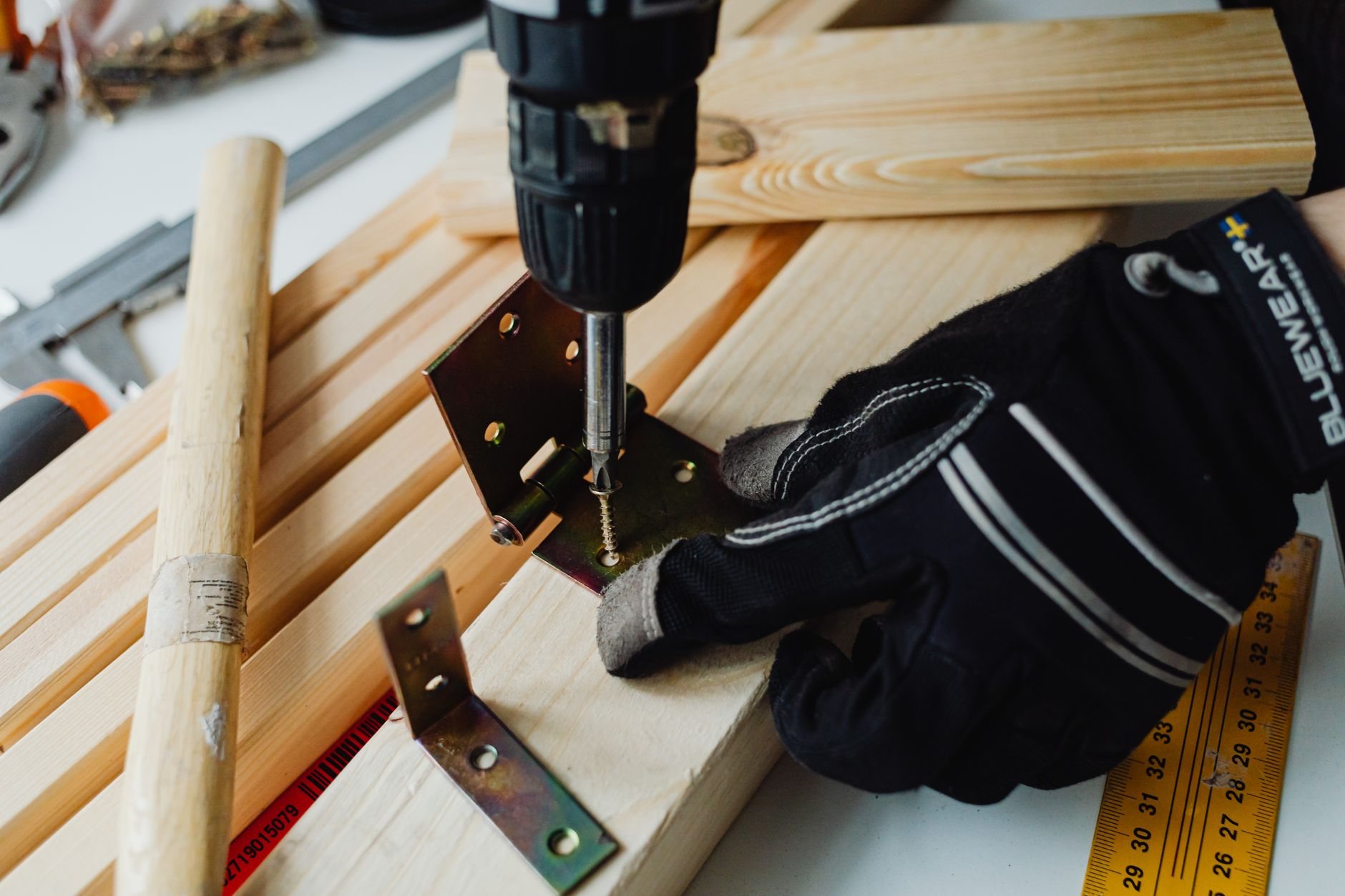
How the wiring gets built into the deck
- Fixture plan on the framing drawing. Every light, the transformer, the outlet, and the switch are marked before permit submittal, so the electrician’s rough-in and our chases agree.
- Sleeves before concrete. Where cable crosses a slab, walkway, or footing zone, conduit sleeves go in before the pour. Freeze-thaw cycling along the Wasatch Front breaks cable buried directly under flatwork; a sleeve lets it move and lets you replace it.
- Chases in the frame. Cable runs through bored holes in joists and stringers, clear of where decking and riser fasteners will land. Post-cap runs go up a groove in the post that the trim covers.
- Fixtures set with the finish. Riser lights go in with the risers, pucks with the boards, caps and strips with the railing, each tested before the next board hides its wire.
- Controls and handoff. Transformer mounted, photocell or timer set, and a marked-up plan of every run handed to you. Good work should not require detective work.
Two Utah notes shape the plan. HOA boards in the newer developments across Lehi, Saratoga Springs, and Eagle Mountain often review exterior lighting, and a number of Utah cities favor shielded, downward-facing fixtures; recessed riser and under-cap lights already satisfy that, and we confirm anything else with your city and HOA before ordering. On a bench lot the deck is often the brightest thing on the hillside after dark, so we keep output low and warm, around 2700K.
What does built-in deck lighting cost in Utah County?
As ballpark planning numbers, not quotes, a complete low-voltage LED package on a mid-sized deck typically adds about $1,500–$5,000 to the build: a dozen or so riser and post-cap fixtures, cable, a transformer with photocell, and the labor to build the runs into the frame. Sconces, a ceiling fan, or a dedicated circuit add electrical scope, which we price as its own line so you can see it.
What moves the number: fixture count and grade (brass and glass cost more than aluminum and plastic), the length of stair runs on a tall bench-lot deck, whether cable has to be sleeved under concrete, and the controls you want. You’ll get a planning range after the site walk, then a firm estimate once fixtures are chosen.
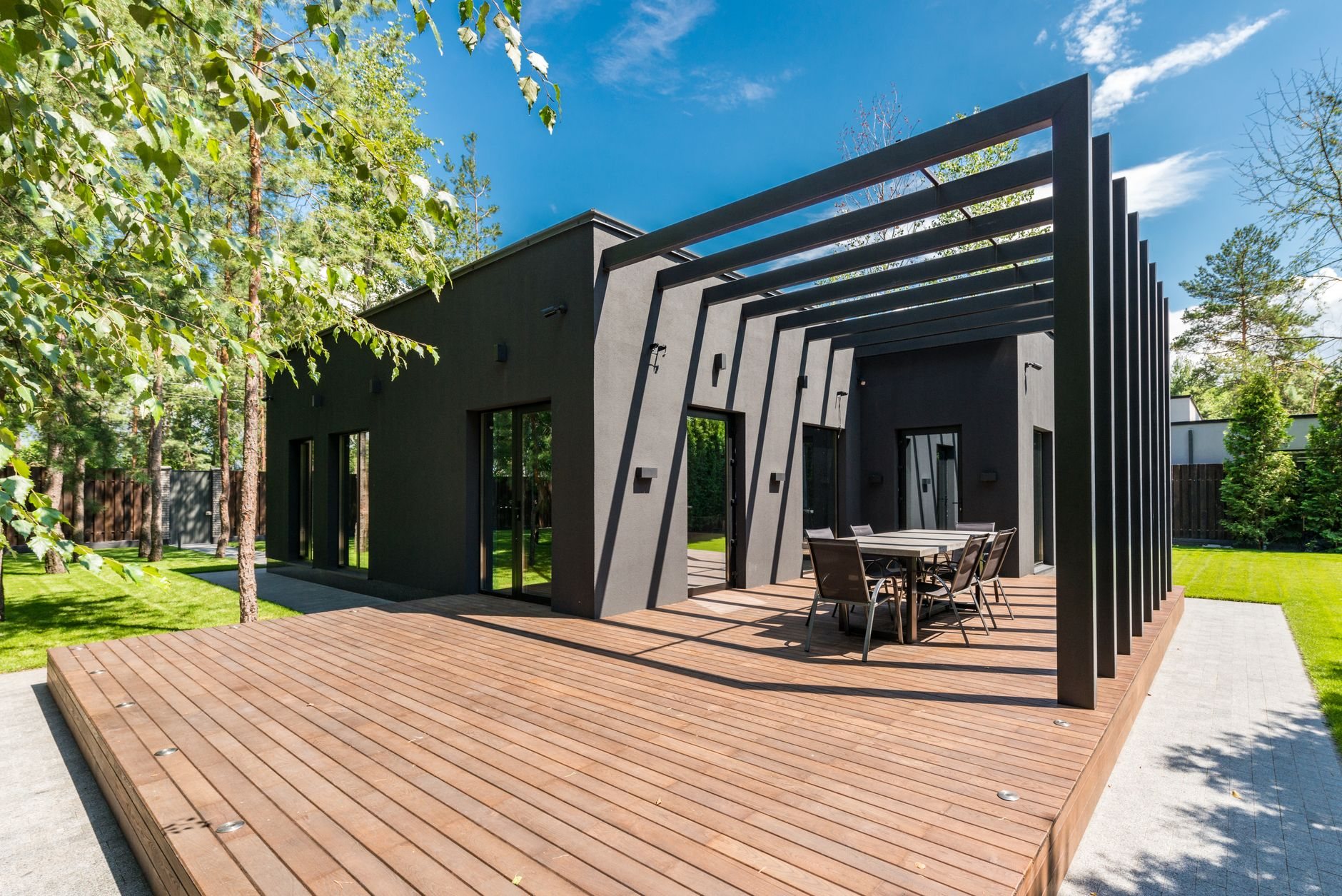
Questions we actually get
Can you add built-in lighting to a deck you didn’t build?
Usually, but it costs more than building it in. Riser lights and post caps retrofit well because stairs and railings come apart in pieces; in-deck pucks and rail strips mean lifting boards or caps to run cable. If the frame is near the end of its life, lighting is better paired with a rebuild.
Does deck lighting need a permit or an electrician?
The low-voltage fixtures generally don’t, but the outlet, switch, and any 120-volt fixtures do, and they’re inspected as part of the deck permit. Grandview holds the contract and manages licensed electricians for that work and sequences their rough-in with our framing. Confirm specifics with your city’s building department.
What drives the cost most?
Fixture count and grade, then how much line-voltage work you want. A dozen aluminum riser and cap lights on one transformer is the economical baseline; brass fixtures, long stair runs, sleeved cable under a patio, and 120-volt sconces each add real cost. Building in during construction is always cheaper than retrofitting later.
Will the fixtures survive Utah winters and snow shoveling?
Recessed riser lights and under-cap strips sit out of the shovel’s path and out of standing water, which is why we favor them over surface tread lights. Wet-rated fixtures handle freeze-thaw fine; cable is what fails under concrete, so we sleeve every crossing. Elevation UV is harder on cheap lenses than cold is.
Tell us about the deck you’re planning
Lighting is one part of a complete deck construction project in our site, structure & envelope family, under a license you can verify at Utah DOPL. We reply within a couple of hours during business hours, a day at most.