
PVC & cellular PVC decks in Utah County
Cellular PVC decking is a 100% polymer board with no wood fiber in it, so it doesn’t absorb water, swell, or grow mold the way wood-plastic composite can. Grandview designs, permits, and installs PVC decks under a B100 general contractor license, with the fastening and expansion gapping the material demands.
When PVC is the right deck surface, and when it isn’t
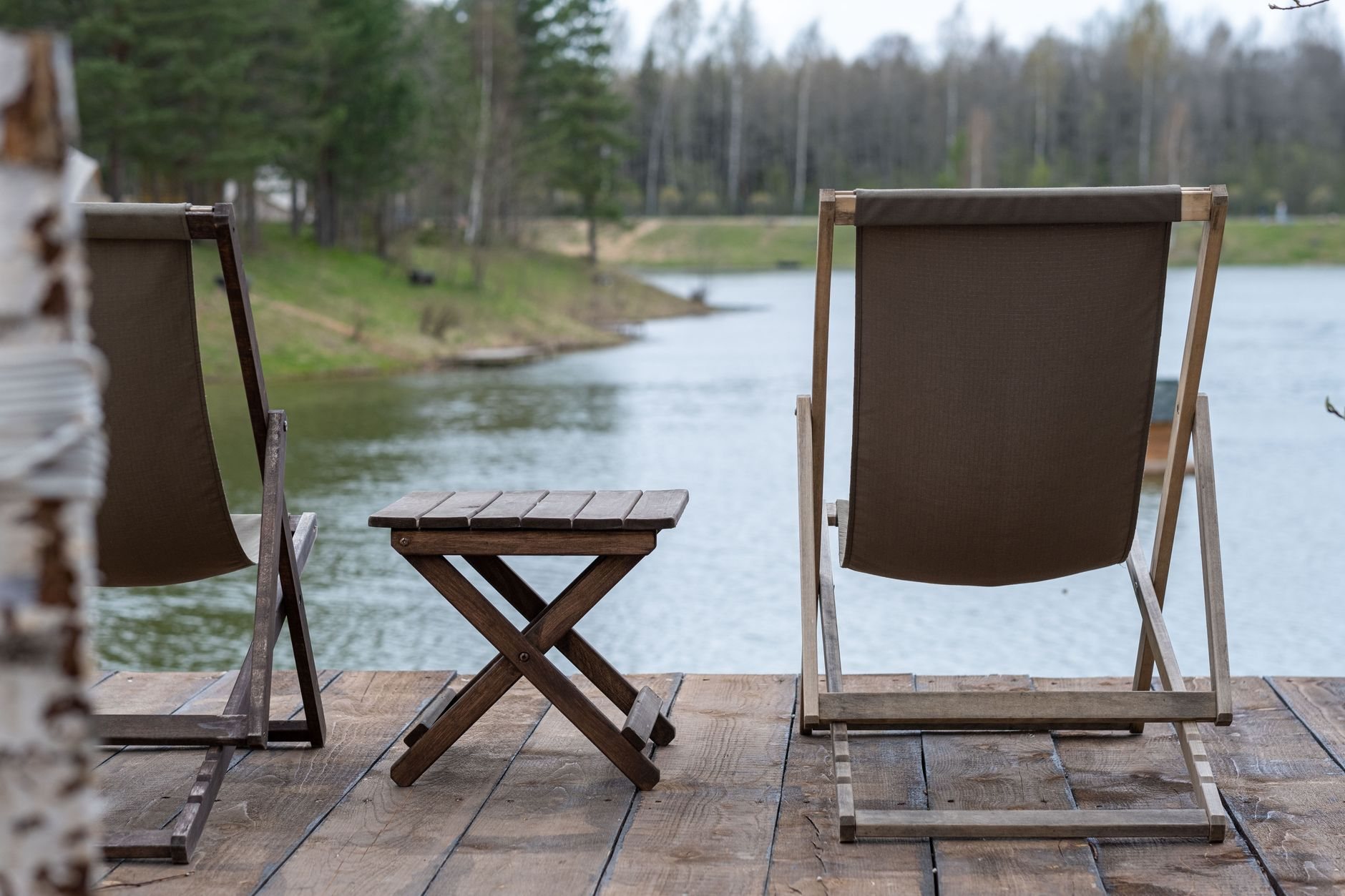
PVC earns its premium in two situations. The first is a deck that stays wet: around a hot tub, beside a pool, under a north-facing eave, or anywhere snow piles from December to March. With no wood flour inside, there is nothing to hold moisture, so the board won’t cup, swell, or stain from within. The second is a homeowner who wants a light color that stays light. Cellular PVC takes the brightest whites, grays, and sand tones in decking and holds them under high-elevation sun better than any wood-filled product.
If your deck is sunny and dry and a mid-tone brown or gray suits you, a capped wood-plastic composite deck gets most of the benefit for noticeably less. If you want the stiffest, coolest board available and don’t mind the weight, mineral-based composite is the closer comparison. For a walk-out over living space, watertight aluminum decking may matter more than board feel.
PVC is not a structural upgrade. It sits on the same pressure-treated frame as every other surface, built to the standards on our main deck construction page.
What a PVC deck installation involves
Two things separate a PVC install from a composite one: the boards move more with temperature, and they weigh less. Both change how we build.
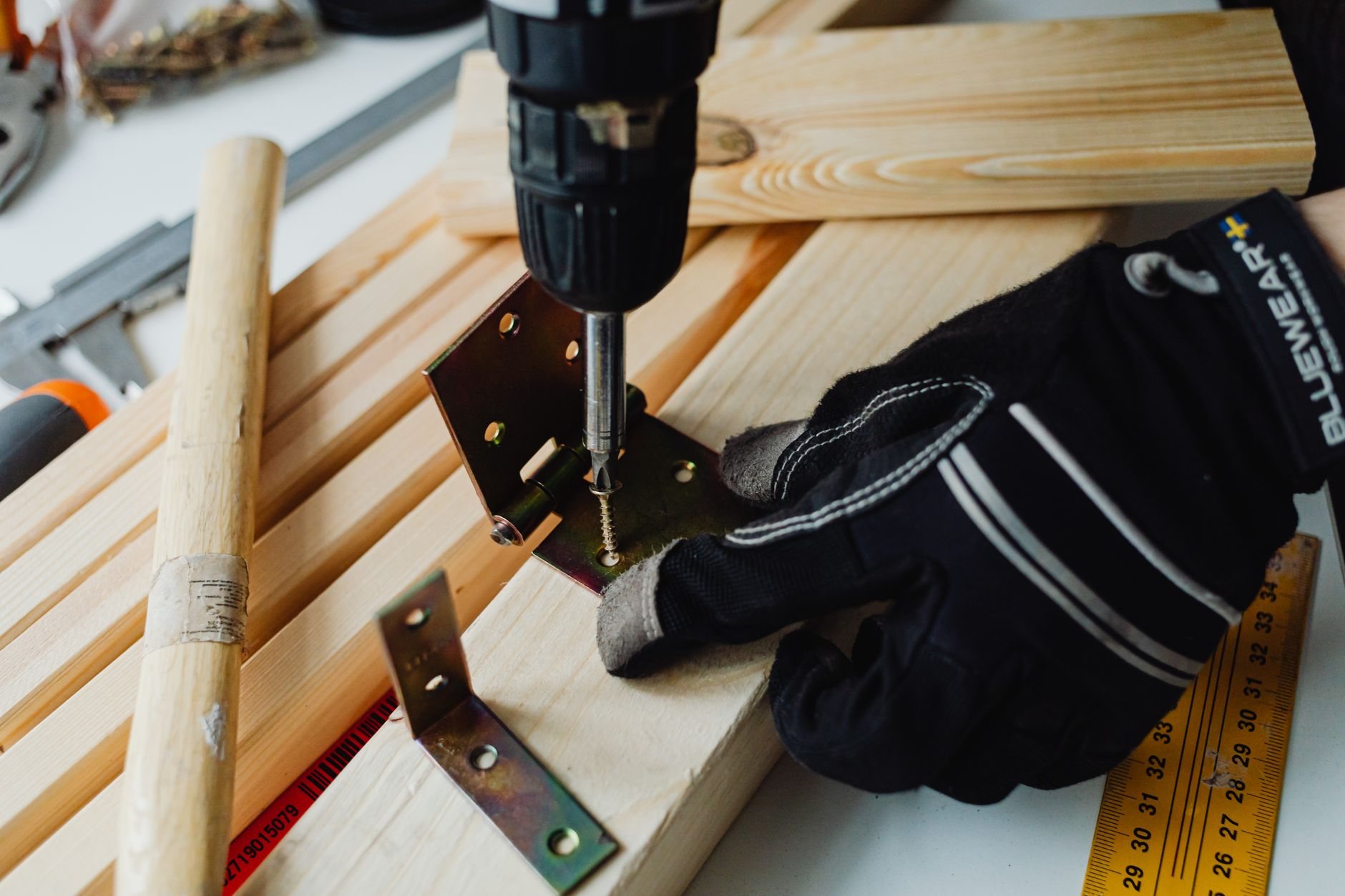
Expansion gapping. PVC has a higher coefficient of thermal expansion than wood-filled composite; a 16-foot board grows and shrinks a visible fraction of an inch between a January morning and a July afternoon. Manufacturers such as TimberTech publish gapping charts keyed to board temperature at the moment of installation. We measure that temperature, set end-to-end and board-to-house gaps from the chart, and record it. Installed tight on a cold day, PVC buckles in summer; installed loose in August, it shows open joints in winter.
Breaker boards and fastening. On runs past about 20 feet we break the field with a perpendicular board so expansion is absorbed at several short joints instead of one long one. Grooved-edge PVC takes hidden clips that let each board float; borders, stair treads, and breaker boards get color-matched plugged screws. Plain deck screws dimple PVC and telegraph every joist line.
Joist spacing, fascia, and railing. Cellular PVC is lighter and slightly more flexible than mineral composite, so joists stay at 16 inches on center for a straight lay and tighten to 12 inches for diagonals and stair treads, with joist tape on every top edge. Matching PVC fascia and risers wrap the frame so no wood is left to weather. Railing posts, covered on our deck stairs and railings page, mount through the decking into framing, never into the board.
How PVC handles Utah sun, snow, and temperature swing
Utah County sees valley lows near zero and summer highs over 100 degrees, and PVC boards register every degree of that swing. That is why we install from the gapping chart rather than by eye.
UV intensity at our elevation is the other factor. Early uncapped PVC chalked and faded; today’s capped cellular PVC carries a co-extruded cap on top and usually all four sides, with the longest fade-and-stain warranties in the category. Light colors also run cooler underfoot than dark composite on a west-facing deck in July.
Snow is where PVC quietly wins. Boards shed meltwater instead of soaking it up, so there is no surface freeze-thaw cracking and no spring mold line where the drift sat. On bench lots in Alpine or Cedar Hills we still size the frame for the heavier snow load; that is a structure question, not a surface one.
What does a PVC deck cost in Utah County?
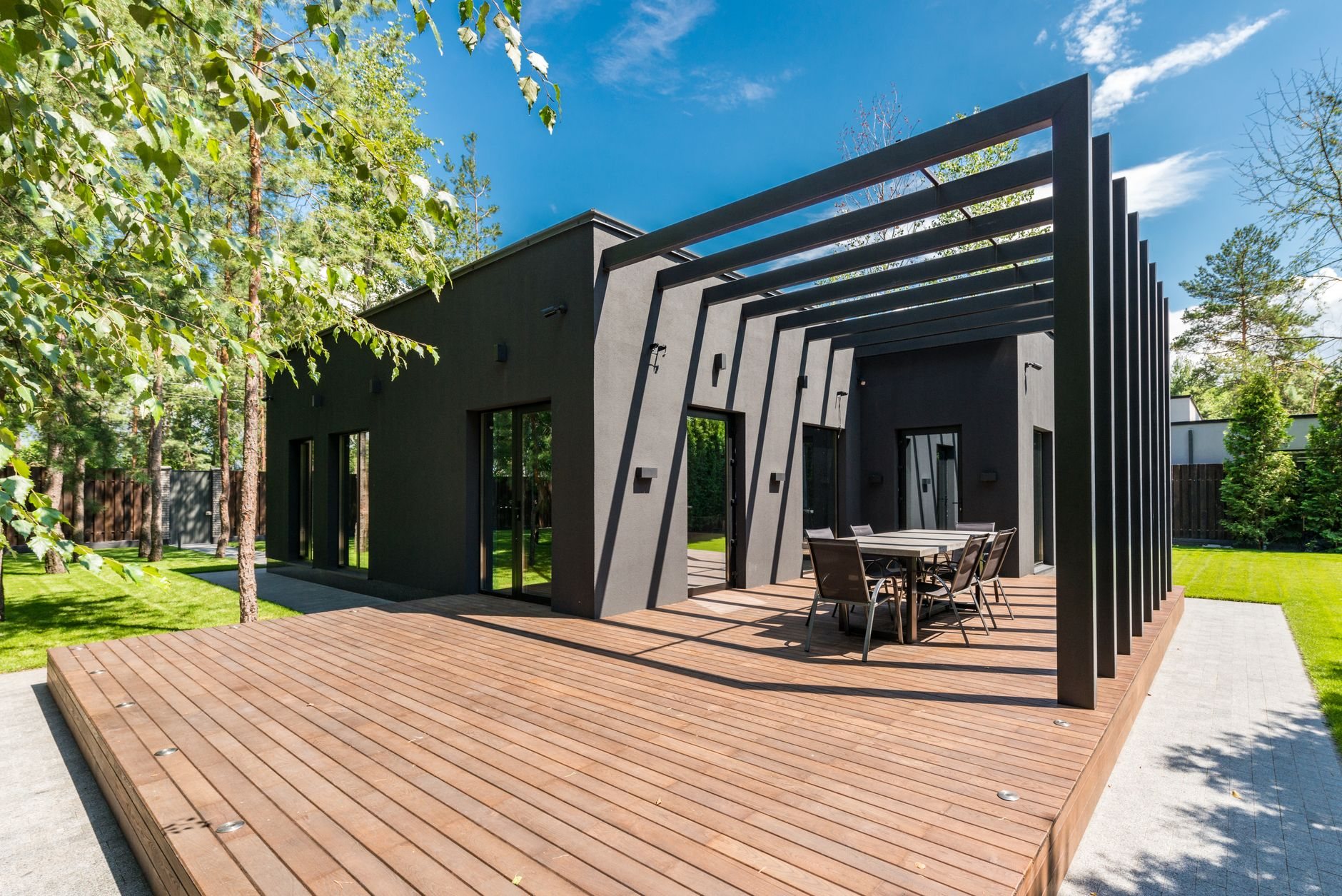
As ballpark planning numbers, not quotes, a complete PVC deck in our market typically runs about $75–$115 per square foot installed, including footings, framing, and standard railing. That is roughly $15–$20 per square foot above a mid-tier composite deck of the same footprint, almost all of it in the boards. A 300-square-foot PVC deck lands somewhere in the $23,000–$35,000 range depending on:
- Board line and color. Multi-tone premium PVC costs more than solid color; very light boards sometimes carry a surcharge.
- Pattern. Diagonal or herringbone lays need 12-inch joists and more cuts, and PVC waste is expensive waste.
- Fascia and risers. Wrapping every exposed frame edge in PVC adds material but removes the last wood you’d ever stain.
Every Grandview project runs under a B100 license you can verify at Utah DOPL. After a site walk you’ll get a budget range, then a firm estimate once board line and railing are chosen.
Questions we actually get
Is PVC decking the same as composite decking?
No. Composite blends wood flour with plastic; cellular PVC is all polymer with no wood in it. That is why PVC doesn’t absorb water or support mold, weighs less, takes lighter colors, and costs more. Both are usually capped and both go on a pressure-treated frame, so the difference is in the board, not the structure.
Does PVC decking expand and contract more than composite?
Yes, and it’s the main installation constraint. PVC moves more with temperature, so we gap board ends and the house edge per the manufacturer’s chart for board temperature on install day, use breaker boards on long runs, and fasten with clips that let boards float. Done right, you never notice it; done wrong, boards buckle.
Can PVC decking be installed in winter?
It can, with care. Cold boards are at their shortest, so winter installs get the widest gaps on the chart, and cutting goes slower below freezing. We prefer shoulder-season days; winter framing with spring decking is a common sequence.
Why does a PVC deck cost more than composite?
The board itself. Cellular PVC is more expensive to produce than wood-plastic composite, and premium lines carry the longest fade and stain warranties in decking. Framing, footings, permits, and railing cost the same either way, which is why the premium shrinks on a large deck.
Tell us about the deck you have in mind
We reply within a couple of hours during business hours, a day at most. You’ll get a straight read on whether PVC is worth it for your site, plus a planning range, before anyone commits. Part of our site, structure & envelope family.