
Aluminum deck installation in Salt Lake City
Aluminum decking is an extruded, powder-coated metal board that can’t rot, burn, splinter, or absorb water, and in interlocking versions it doubles as a watertight roof over whatever sits below. Grandview designs, permits, and installs aluminum deck systems in Salt Lake City and along the Wasatch Front under a B100 general contractor license.
When aluminum is the right deck board, and when it isn’t
Aluminum earns its price in three situations. The first is fire: homes on the Salt Lake City foothills and the Draper and Herriman benches sit in mapped wildland-urban interface areas where a non-combustible deck surface is favored by current Utah-adopted code and by many insurers. The second is a deck that must also be a roof — a second-story deck over a patio or walkout, where an interlocking aluminum system drains to a gutter and keeps the space below dry. The third is weight: a rooftop deck or long cantilever where dead load matters, because aluminum boards weigh a fraction of what composite or wet lumber does, which on a bench lot leaves more of the frame’s capacity for snow.
If none of those apply, you’re paying for properties you won’t use. A capped composite deck gives you the no-maintenance surface for less. Cellular PVC is lighter and cooler without any metal. If a fire-rated, stone-flat surface is the goal but a watertight deck isn’t, mineral-based composite gets there at a different price. We’ll say which fits before we price anything.
On heat: light powder-coated aluminum runs cooler than dark composite in the same August sun at 4,300 feet; dark aluminum facing west still gets hot. We leave samples on your lot for an afternoon before you choose a color.
What an aluminum deck install involves
Aluminum boards sit on the same pressure-treated or steel frame as any other deck, with footings below frost depth and a through-bolted, flashed ledger as described on our main deck construction page. What changes is everything that touches the metal.
- Pick the system first. Plank-style boards lay like composite with a gap between them. Interlocking watertight boards snap together with a built-in channel that carries water to a collector gutter at the low edge. The choice drives framing slope, gutter detail, and railing attachment, so it’s settled before footings are dug.
- Frame to the span table. Most aluminum boards are rated for joists at 16 inches on center and many lines allow 24, one reason the material pencils out on steel or long-span frames. We frame to the published table for the exact board.
- Slope it if it’s watertight. An interlocking system needs the frame pitched away from the house, typically about a quarter inch per foot, so water reaches the gutter instead of pooling in the channels. In a summer monsoon cloudburst that gutter does real work, so we size it like roof drainage.
- Isolate the metal. Aluminum laid directly on copper-treated lumber corrodes where the two meet, and common deck screws set up the same galvanic reaction. Every joist top gets barrier tape and every fastener into the boards is stainless or the manufacturer’s coated screw. This detail separates a 30-year aluminum deck from one with white corrosion at the fasteners by year five.
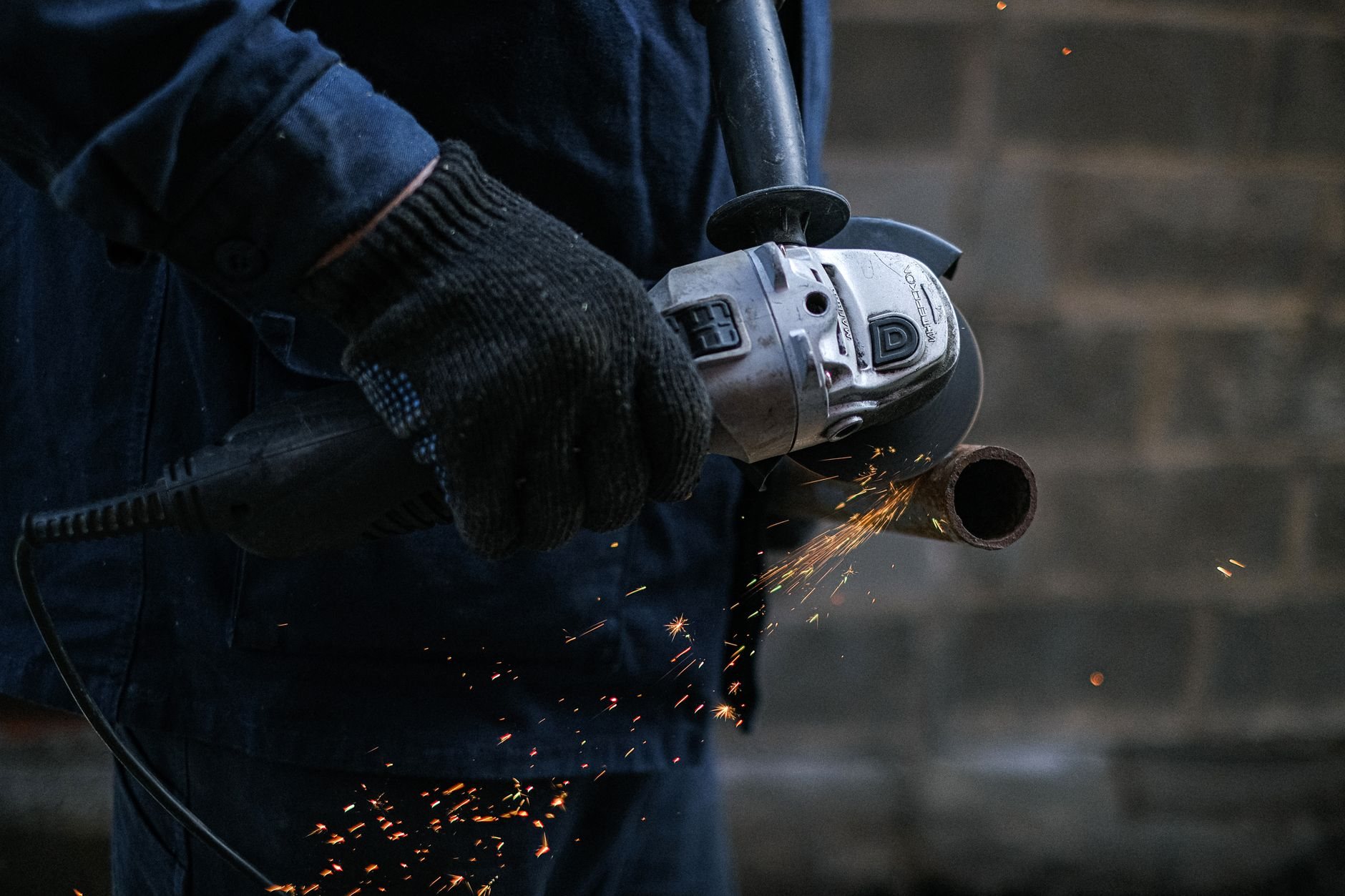
- Cut clean, gap for heat. Boards are cut with a non-ferrous blade, deburred, and capped with the system’s end trim and fascia. Aluminum moves less with temperature than composite or PVC, but it moves, so perimeter gaps follow the install guide for that day’s board temperature.
- Railing and inspection. Guard posts mount through the boards to the frame with the system’s blocking kit, never to the boards alone; metal railing pairs naturally. Inspections close the permit, which inside city limits runs through Salt Lake City Building Services.
A board that holds no water also has nothing to split through 100-plus freeze-thaw days a year, and a factory powder coat holds color under elevation UV far longer than stain. On a watertight install the space underneath becomes usable, and we often finish it in the same contract. A deck over living space rather than a patio is a different assembly, covered on our deck and balcony waterproofing page.
What does an aluminum deck cost in Salt Lake City?
As a ballpark planning number, not a quote, a complete aluminum deck in our market typically runs about $80–$125 per square foot installed, including footings, framing, boards, and a standard metal railing. That’s above composite and roughly level with premium hardwood. Interlocking watertight systems sit at the top of the range because of the gutter, slope, and trim work.
- Plank versus watertight. The watertight system costs more and pays back only if you use the dry space it creates.
- Frame material. Steel costs more than pressure-treated lumber but gives elevated and rooftop decks a lighter, straighter frame.
- Color and finish tier. Woodgrain textures and custom colors add to the per-foot price.
- Under-deck scope. Gutters, downspouts, a ceiling, and lighting below are their own line items.
- Height and access. Taller posts, longer stairs, and crane or hand-carry access to a rooftop.
After a site walk you’ll get a budget range, then a firm estimate once the system and color are chosen. Our license is verifiable any time through Utah DOPL.
Questions we actually get
Can aluminum decking go on my existing wood frame?
Often, yes. The frame must be sound, flat, and at a joist spacing the span table allows, with barrier tape on every joist so aluminum never touches treated lumber. A watertight system also needs slope, which may mean shimming joists. We inspect the ledger and footings first.
Is aluminum decking slippery when wet or icy?
Finished boards carry a textured powder coat that performs comparably to composite when wet. Snow and ice behave as on any smooth deck surface, and a plastic shovel clears them without scratching the coating. Metal-edged shovels and chloride ice-melt are the two things to keep off it.
Does a metal deck get loud in rain or hail?
Plank boards over an open frame are quiet. Watertight interlocking boards over an enclosed ceiling behave more like a metal roof and are audible in a hard storm. If the room below is a bedroom or office, we discuss that before you choose a system, not after.
What makes aluminum cost more than composite?
Raw material and extrusion, mainly. The boards are a metal product with a factory finish, so the per-foot price is higher before labor. Installation adds stainless fasteners, non-ferrous cutting, and on watertight systems the slope, gutter, and trim. The offset is a surface that won’t need refinishing or fire-hardening later.
Tell us about the deck you have in mind
We reply within a couple of hours during business hours — a day at most. You’ll get a straight read on whether aluminum is the right call for your lot and what it will take. It’s one of many surfaces in our site, structure & envelope family.