
Standby Generator Installation
A standby generator is a permanently installed natural-gas or propane unit on a pad outside your home that starts itself seconds after a utility outage and shuts off when power returns. Grandview Contractors coordinates the complete installation across Utah County and Salt Lake County under our B100 general contractor license, with licensed electricians and gas fitters doing the connected work.
Standby, portable, or battery: when the permanent unit wins
A standby generator is the right choice when the outage has to be covered whether or not anyone is home: a furnace on a January night in Alpine while you’re out of town, a sump pump during spring thaw, medical equipment, or a well pump on a lot outside city water. If the loads matter when you’re absent, you want a unit that starts on its own.
If you’ll be home to roll out a unit and start it, a portable generator hookup covers a few circuits for a fraction of the cost. If outages are short and you’d rather have silent backup — or already have solar — home battery backup is the competitor; it empties in hours to a day, where a gas-fed standby unit runs as long as the gas main does. Facilities with life-safety loads belong on our commercial backup power page.
Already own a generator and only need the switching hardware? That’s the narrower generator transfer switch scope.
How a standby generator gets sized, placed, and installed
A standby generator touches electrical, gas, concrete, and often excavation at once. Grandview holds the contract and manages licensed electricians and gas-line installers; we sequence the pad, trenching, and patching, pull the permits, and quality-check each piece before the inspector sees it. Our license and every trade partner’s are verifiable at dopl.utah.gov.
- Load calculation, not guesswork. We list what must run — furnace blower, sump, refrigerator, well pump, air conditioning if you want summer coverage — and add motor starting surge. Most Wasatch Front homes land between 14 kW and 26 kW air-cooled; load-management modules let a smaller unit serve the whole panel by shedding the big motors.
- Altitude derate. Utah County sits around 4,500 feet, bench lots higher. Gas-fueled engines lose output as elevation rises, and manufacturers such as Generac publish derate tables for this. We size on derated output at your elevation, not the number on the box.
- Fuel supply. Natural gas is the usual choice here: no tank, no refills, and the main almost never goes down with the power. A 22 kW unit at full load can draw more gas than a furnace, water heater, and range combined, so the gas line is sized from the meter — often a dedicated run and sometimes a meter upsize through the utility. Lots without gas service get a propane tank sized to your outage expectations.
- Placement and clearances. Manufacturer listings set minimum distances from windows, doors, soffit vents, and combustibles. We also plan for snow: on bench lots the exhaust and intake have to stay clear of drifts.
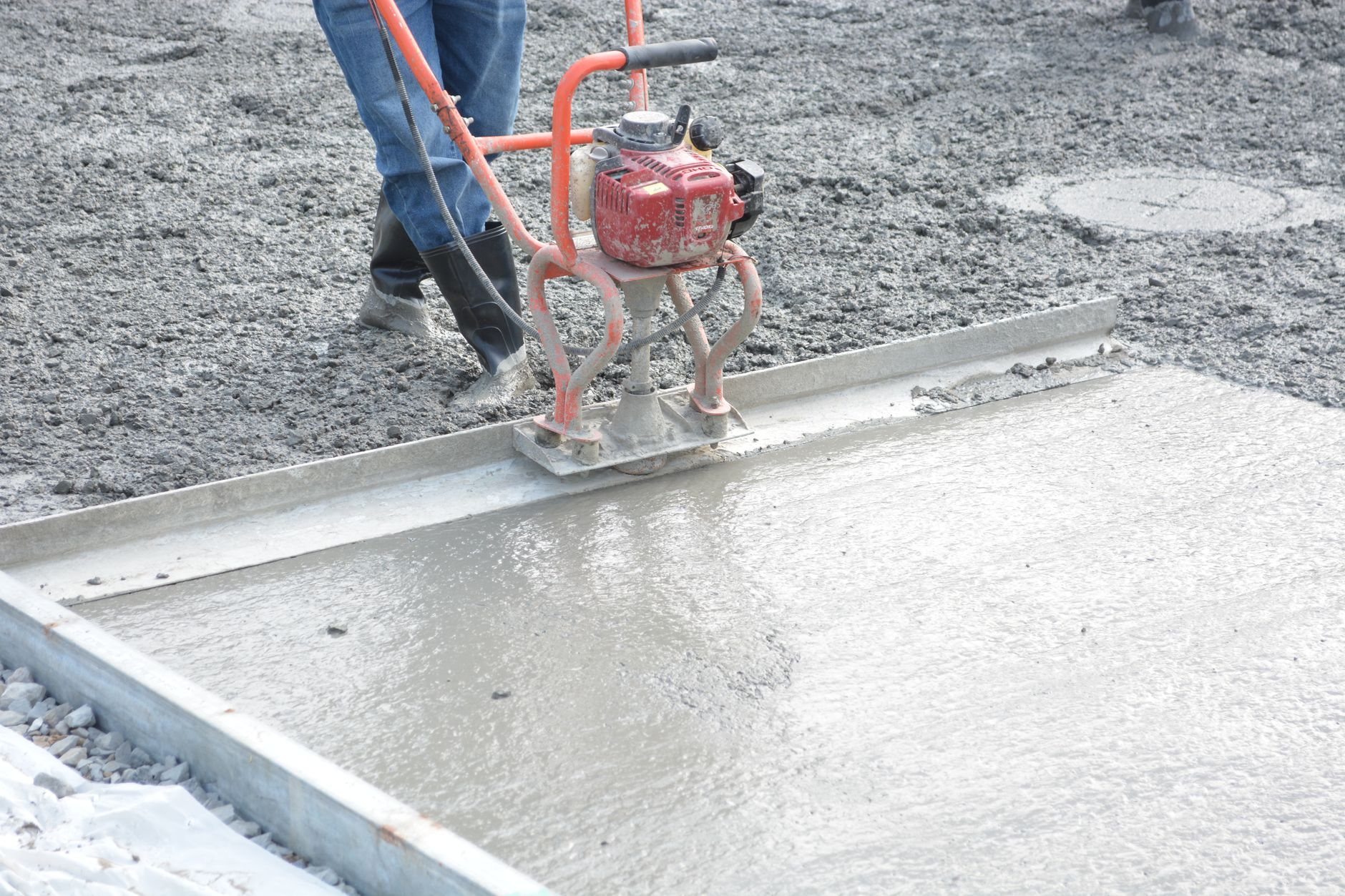
- The pad. A level, air-entrained concrete pad or listed composite pad on compacted gravel. Air entrainment matters — a pad that spalls through a hundred freeze-thaw cycles a year stops being level, and an unlevel generator stops being warrantable. The unit is anchored per current Utah-adopted seismic requirements, with a flexible gas connector so a Wasatch fault shake doesn’t crack a rigid line.
- Transfer switch and feeders. An automatic transfer switch beside the meter, feeders in buried conduit, and the two-wire start circuit to the controller. If the panel can’t accept it cleanly, an electrical panel upgrade is scoped first, not discovered mid-job.
- Startup and exercise cycle. The manufacturer’s authorized technician commissions the unit for warranty. We simulate an outage, time the transfer, and set the weekly exercise cycle for a daytime slot the neighbors won’t notice. Cold-weather kits — battery warmer and oil heater — go on every unit; a generator that won’t crank at minus ten is a lawn ornament.
What does standby generator installation cost in Utah County?
As a ballpark planning range, a complete air-cooled standby generator installation — unit, automatic transfer switch, pad, gas line, permits, and startup — typically lands between $11,000 and $20,000 along the Wasatch Front. These are planning numbers, not a quote; the figure firms up after a site visit and load calculation.
What moves the number:
- Gas run and meter. Twenty feet of gas pipe beside the meter is simple. Eighty feet across a yard, a meter upsize, or a propane tank set with its own clearances is where budgets grow.
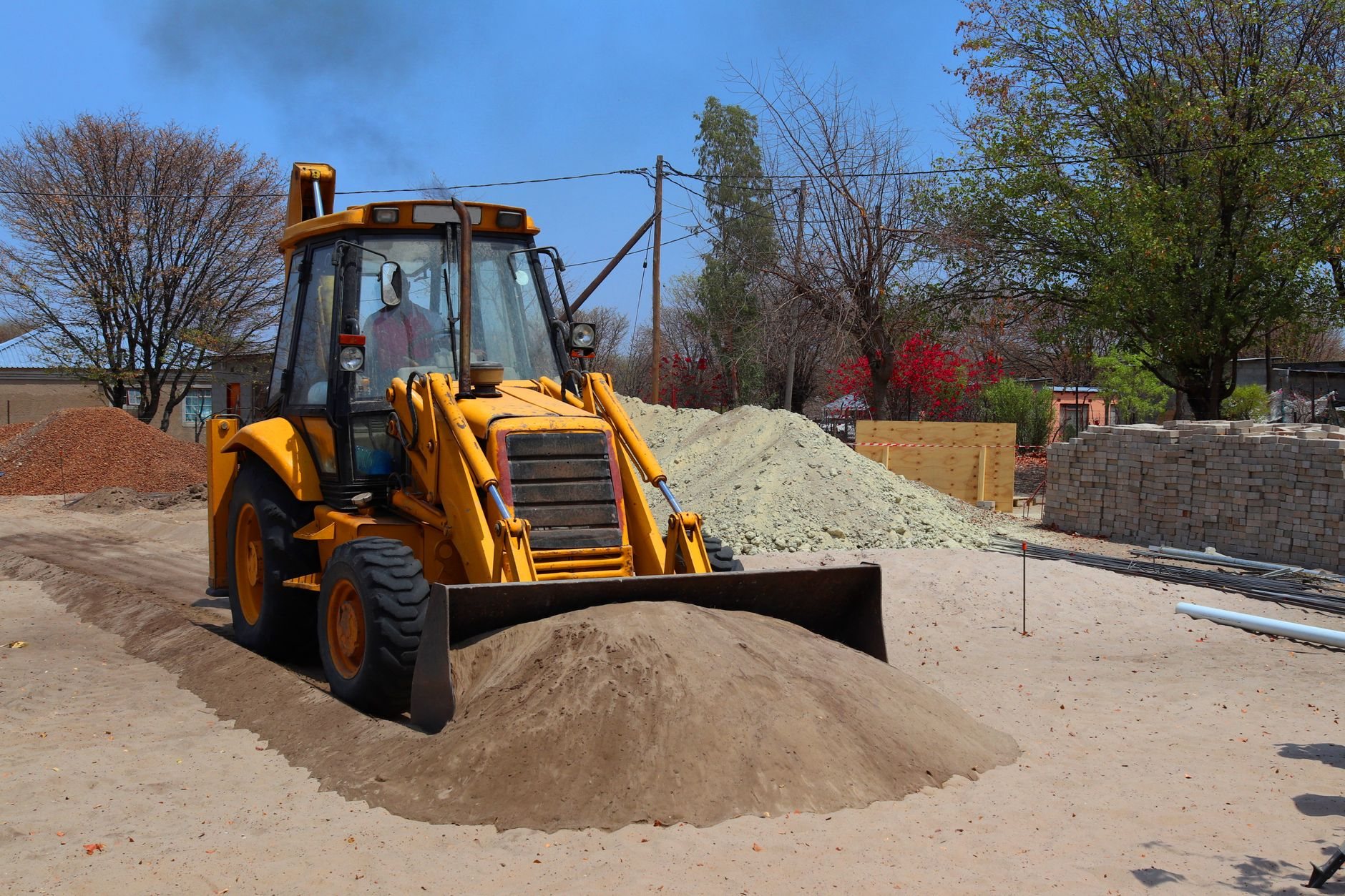
- Trenching conditions. Collapsible bench soils and cobble along the east side of the valley trench slower than valley-floor clay, and frozen ground can push trenching into spring.
- Approvals. HOA-governed developments in Lehi, Saratoga Springs, and Eagle Mountain often require architectural approval for exterior equipment; we fold that into the schedule.
Questions we actually get
How far from the house does a standby generator have to be?
It depends on the manufacturer’s listing and current Utah-adopted code, but the pattern is consistent: a short clearance from the wall behind it, a larger clearance from any window, door, or vent that opens, and nothing combustible near the exhaust. Verify specifics with your city’s building department; we handle that in the permit.
Will my existing gas meter handle a generator?
Often not without attention. A whole-home unit at full load is a large gas appliance, and many residential meters are sized only for the furnace, water heater, and range already on them. We total the connected load and coordinate any meter upsize with the gas utility before the unit is ordered.
What happens to the install schedule in winter?
Electrical and gas work proceed year-round. Trenching and pad pours depend on ground conditions — frozen soil and sub-freezing pours add cost or delay. Call in December and the honest answer is often a January design and permit with trenching at first thaw.
Does a standby generator need a permit in Utah?
Yes — typically an electrical permit for the transfer switch and feeders and a plumbing or mechanical permit for the gas line, each with inspections. Some cities add a zoning check on placement and noise. We pull all of it under one scope.
Standby generators run inside our MEP and systems coordination, part of the renovation and build-out family. Pairing a generator with solar or storage? See solar + battery storage.
Tell us what you’re working on
We reply within a couple of hours during business hours — a day at most. You’ll get a straight read on scope, sequence, and budget before anyone commits to anything.