
Battery Backup & Energy Storage Systems
A home battery backup system is a wall-mounted lithium battery with its own inverter that keeps your essential circuits running the instant the grid drops — no fuel, no noise, no startup delay. Grandview Contractors coordinates home battery backup installation across Utah County and Salt Lake County: we hold the contract, bring in licensed electricians, and sequence, inspect, and quality-check their work under our B100 general contractor license.
When a battery is the right backup — and when it isn’t
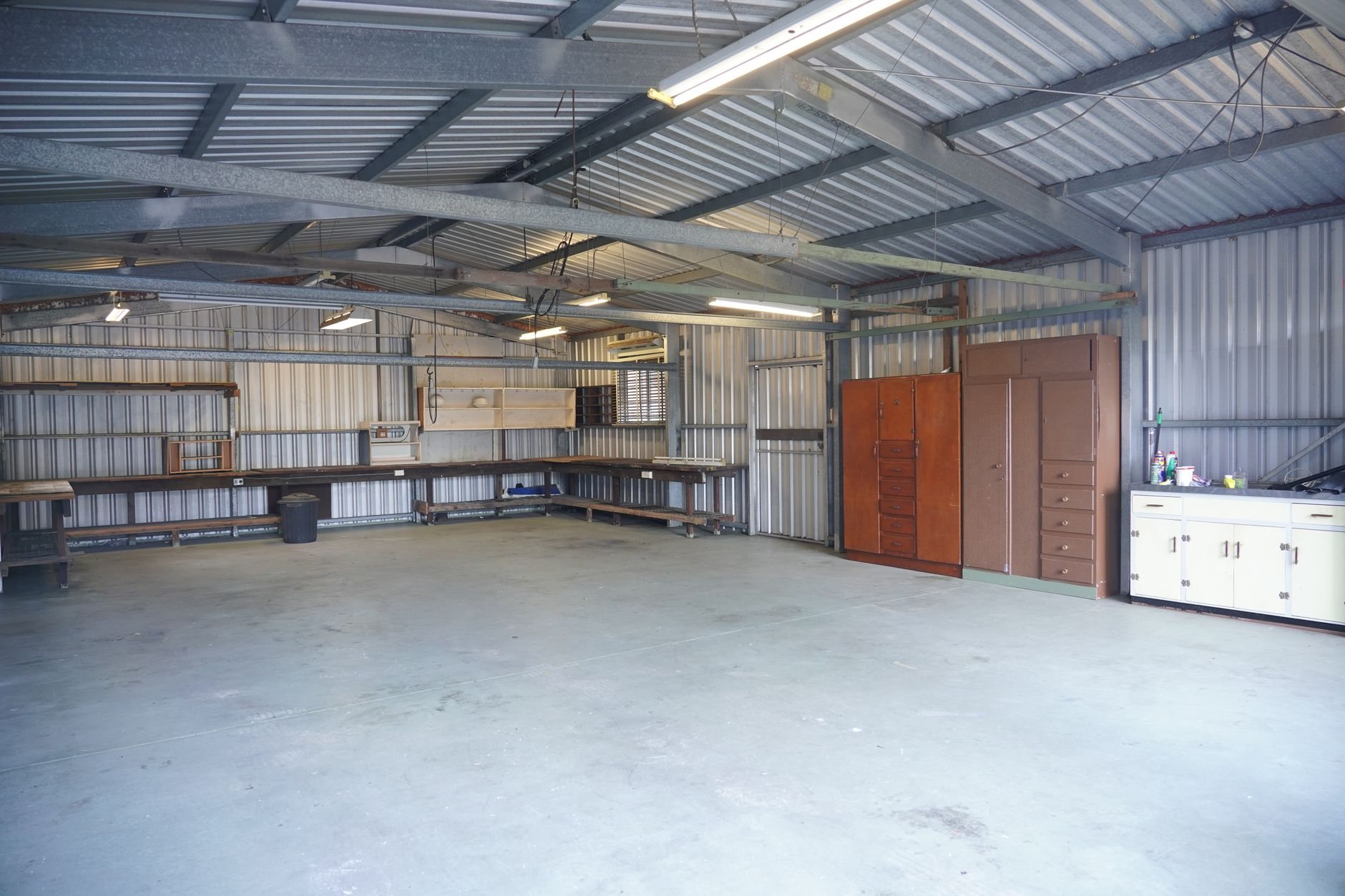
The system on this page charges from the grid and discharges during an outage. No solar, no generator. It’s the right fit when outages last hours rather than days, when a generator isn’t welcome — HOA noise rules, a townhome, no gas service — or when you want backup that is silent and automatic. Transfer happens in milliseconds; the furnace blower never notices.
It’s the wrong fit for multi-day outages or heavy loads. One battery carries essential loads for hours, not days, and a central air conditioner can empty it fast. For that job, a standby generator with a transfer switch is the honest answer, and a portable generator hookup the budget version. If you have rooftop panels or plan to, read solar + battery storage instead — same hardware, but daily recharging changes the sizing math. Facilities that can’t go dark: see commercial backup power.
Which loads actually need to stay on
Every battery backup project starts with a critical-loads list, not a product. The usual essentials:
- Refrigerator and freezer — roughly 1 to 2 kWh per day combined
- Gas furnace blower and igniter — a few hundred watts, not thousands
- Well pump or sump pump — startup surge must fit the battery’s peak output
- Modem, router, and a few outlets for phones and laptops
- Kitchen and bath lights, garage door opener, medical equipment
What usually stays off: central air, electric water heaters, dryers, and EV chargers — backing those up means stacking a second or third battery. Two numbers govern the design: kWh decides how long you run, kW decides how much runs at once (the Department of Energy’s storage basics primer explains the distinction). Startup surges — a 1 HP well pump can need three times its running wattage — get specified on paper, not discovered during the first outage.
How a home battery backup installation goes together
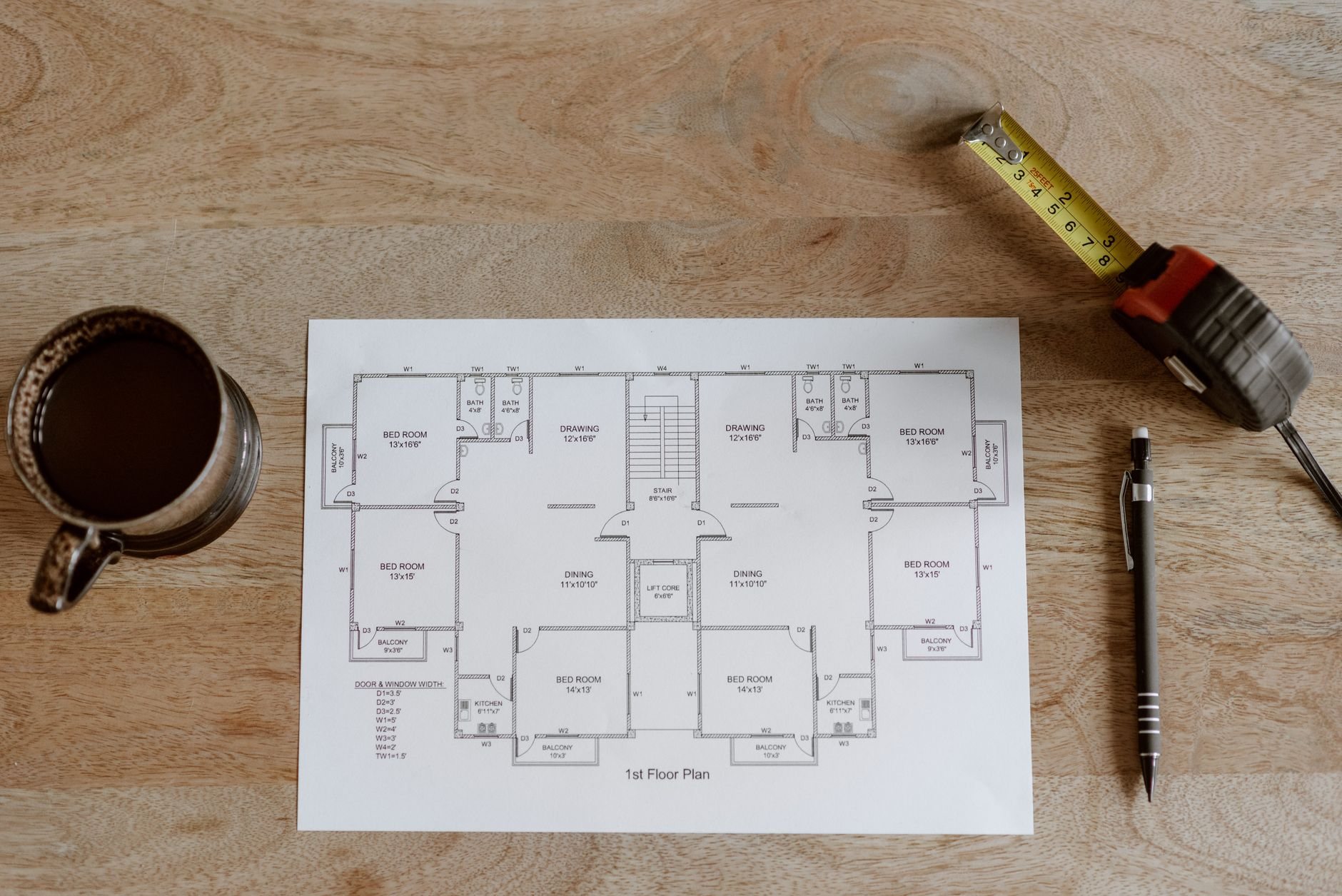
- Load study and panel strategy. Essential-loads sub-panel (cheaper, fixed list) or whole-home backup with load controllers that shed the AC and EV charger once the house is on battery — decided before any hardware is ordered.
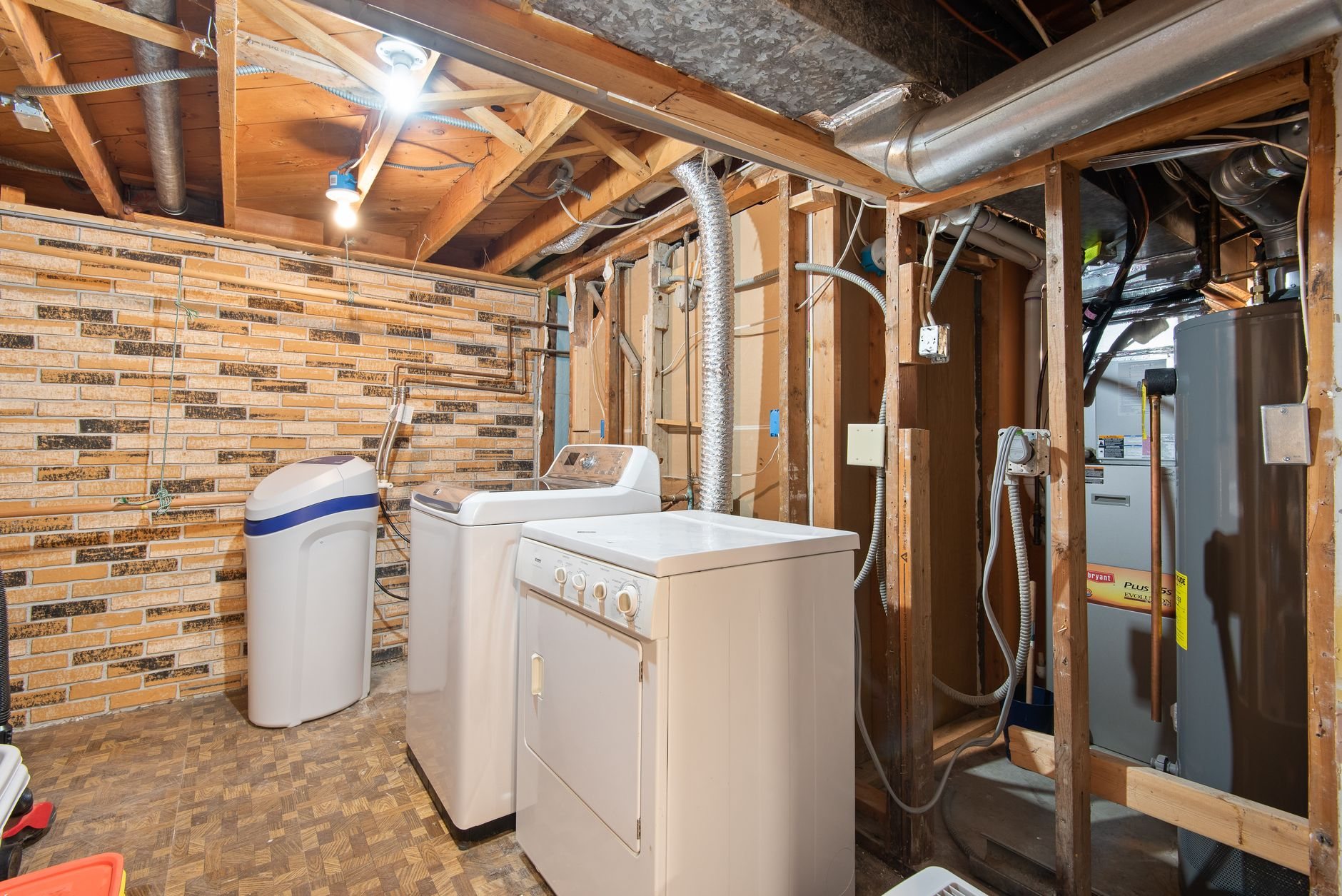
- Location. Garages and mechanical rooms, usually. Current Utah-adopted code limits where an energy storage system can go, requires listed equipment, sets clearances, and calls for impact protection where a vehicle could strike it. Temperature matters too: lithium batteries stop charging near freezing, and an unheated garage on a bench lot in Alpine or Draper sits below that for weeks each winter — sometimes a mechanical-room wall wins.
- Mounting and anchorage. These units weigh 250 to 350 pounds. They fasten into studs or masonry per the manufacturer’s pattern, with anchorage detailed for the seismic expectations of building along the Wasatch fault.
- Electrical. The licensed electrician sets the backup gateway between meter and main panel, builds the critical-loads panel, lands the inverter, and installs the disconnects and rapid-shutdown labeling. We check it against the one-line drawing before the inspector does.
- Permits, utility, inspection. An electrical permit with your city, plus an interconnection application with Rocky Mountain Power — required even without solar, because the inverter is grid-interactive. Lehi and Saratoga Springs queue differently from Provo, Orem, and Salt Lake City; we schedule around the real timeline.
- Commissioning. We open the main breaker and simulate the outage. Every circuit on the list has to carry. Then the app gets set — backup reserve, charging windows — and the closed permit is yours.
Battery work runs with the same discipline as all our MEP and systems coordination within the renovation and build-out family. Our license, and every electrician’s, is verifiable at dopl.utah.gov.
What does home battery backup cost in Utah?
As a ballpark planning number, a single 10 to 15 kWh battery with its gateway and a critical-loads panel typically lands between $12,000 and $20,000 installed along the Wasatch Front; each stacked battery adds roughly $8,000 to $12,000. Budgeting ranges, not a quote — a site visit and load study turn them into an estimate.
What moves the number: how many batteries the load list demands; whole-home backup with load controllers versus a fixed essential-loads panel; the condition of your service, since a full 100A panel often needs an electrical panel upgrade first; the conduit run and any bollards; and permit and interconnection fees. Rocky Mountain Power has run a program that pays enrolled homeowners to let the utility dispatch their battery on peak days, and federal credit rules for residential storage changed recently — check both when you buy. We don’t price around incentives that may not be there.
Questions we actually get
How long will a home battery keep my house running?
It depends on what’s on the critical-loads panel. A single 13.5 kWh unit running a fridge, gas furnace blower, internet, lights, and a few outlets commonly lasts 10 to 20 hours. A well pump or any electric heat shrinks that fast. We size from the load list and give you the honest runtime before you buy.
Can I add solar to the battery later?
Usually, yes — most current batteries are AC-coupled and accept a later array. Plan the gateway location, conduit, and panel capacity for it now; adding solar later triggers a second interconnection review and permit. If panels are a real possibility, we design the battery as phase one of a solar + storage system.
Does a battery need a permit and utility approval in Utah?
Yes to both. Your city issues an electrical permit and inspects against current Utah-adopted code, and Rocky Mountain Power reviews an interconnection application because the inverter is grid-interactive. Both are part of our scope. Verify any city-specific placement rule with your building department — a few cities read the garage requirements differently.
Do I need a panel upgrade before a battery can be installed?
Often, if the panel is older or full. The gateway and critical-loads panel need breaker space and a service that can handle the inverter’s output; a crowded 100A panel in a 1970s Orem or Sandy home rarely has either. We confirm it in the load study, so the cost lands in the estimate, not mid-project.
Tell us what you’re working on
We reply within a couple of hours during business hours — a day at most. You’ll get a straight read on scope, sequence, and budget before anyone commits to anything.