
Smart Home Automation, Built Into Your Project
Smart home automation installation is lighting control, motorized shades, thermostats, locks, and the hub that ties them together, wired and programmed while the walls are open instead of patched in later. Grandview Contractors holds the contract under a B100 general contractor license and coordinates licensed electricians and low-voltage integrators to build it into Utah County remodels and new homes.
When automation is the job, and when a sibling page fits better
This page is for the control layer: dimmers, keypads, shade motors, thermostats, door locks, and the hub that lets one tap at the front door turn off every light in the house. If you only need cable in the walls, structured wiring and data cabling is the narrower scope. If the goal is strong Wi-Fi in every room, that is network and Wi-Fi infrastructure, which automation depends on but does not replace. Fixtures and layouts belong to recessed and LED lighting; automation decides how those fixtures are controlled.
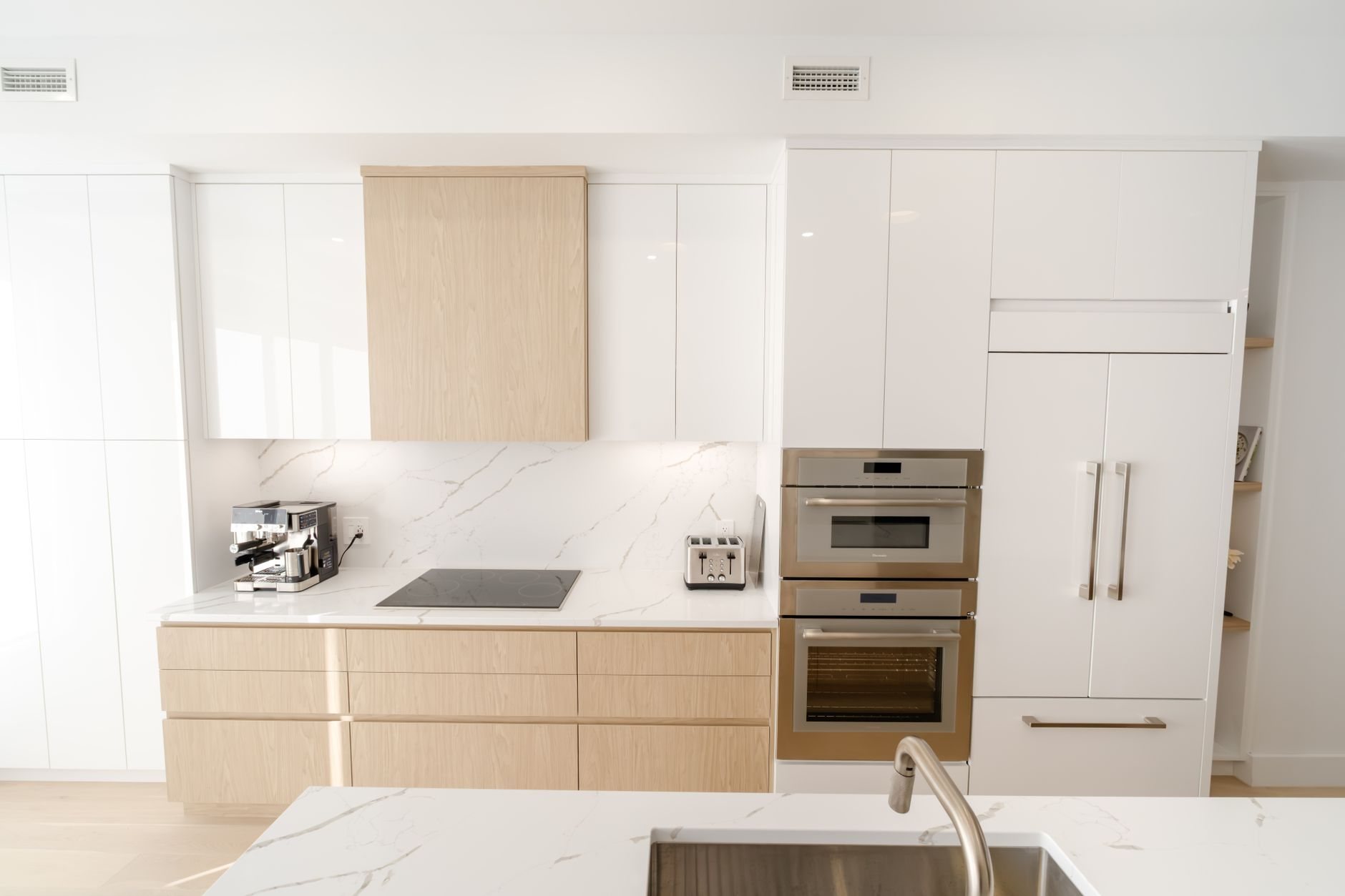
It is the right fit when you are already opening walls for a whole-home renovation, a kitchen remodel, or a new build, and you want scenes and schedules that behave the same way in five years. It also fits a retrofit aimed at one problem: a great room with nine switches and no logic, west-facing glass that bakes the house every July afternoon, or a rental managed from your phone.
If a handful of plug-in smart bulbs will make you happy, that is a trip to the store, not a construction scope, and we will say so.
What a smart home automation installation actually includes
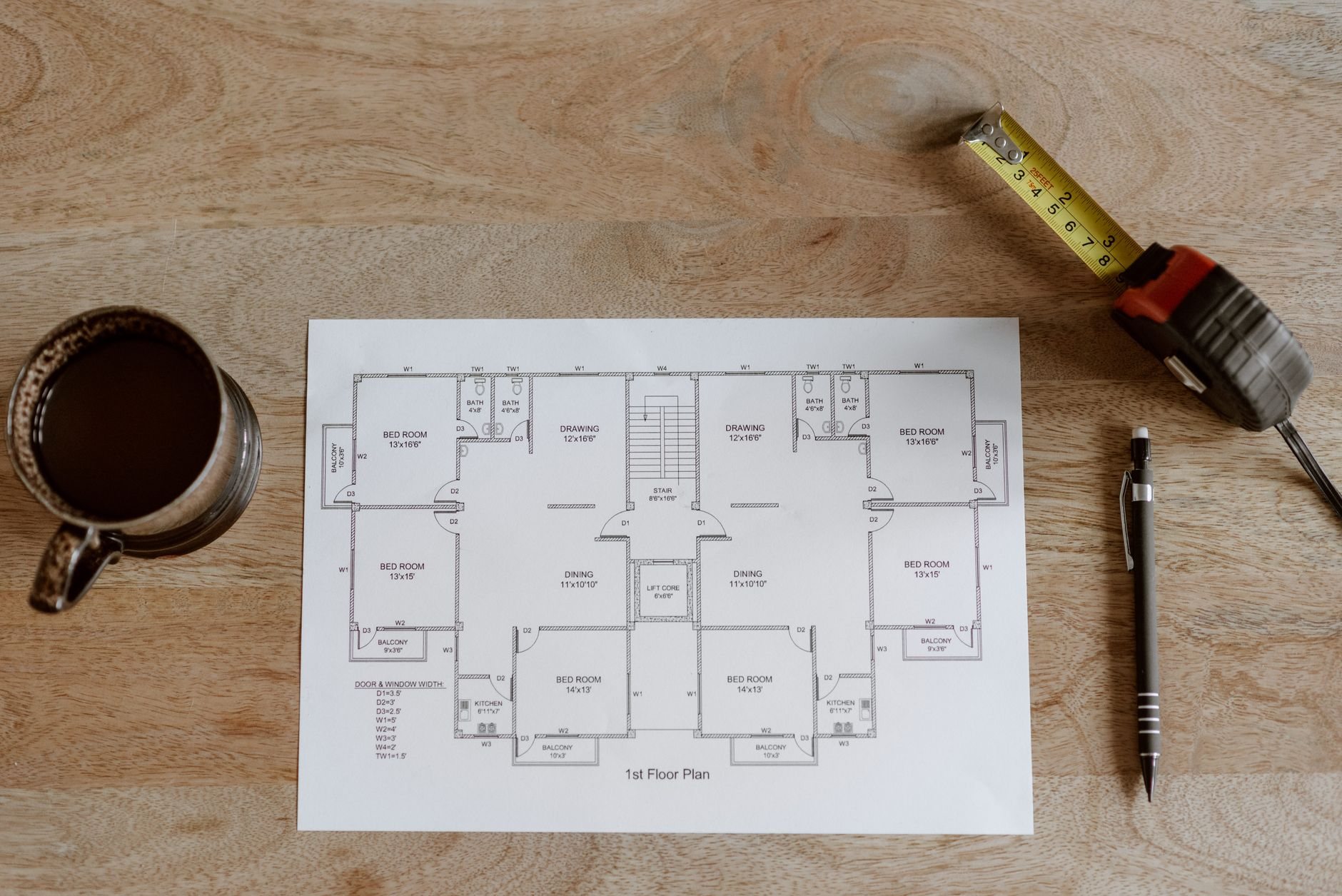
Automation starts as a device schedule, not a shopping list. Before rough-in, we walk every room with you and the integrator and decide which loads get controlled, where keypads go, and which windows get shades. That schedule tells the electrician three things the plans usually leave out: every controlled switch box needs a neutral conductor, keypad locations need deeper boxes than a standard toggle, and multi-way lighting can often drop to one load dimmer plus low-voltage keypads instead of three line-voltage switches.
Motorized shades are the part that goes wrong most often when added late. Hardwired motors need a 120V outlet or a low-voltage run at the head of each window, a pocket or fascia sized to the roller diameter, and square openings so the fabric tracks straight. We coordinate the pocket with the framer and drywall crew, which is why shades belong in the plan before insulation, not after paint.
The rest is a list of small coordination items: a C-wire at every thermostat, a PoE drop to the front door for the doorbell and lock, power and conduit to the garage door opener, a ventilated rack on its own circuit for the processor, and a conduit sleeve from panel to rack so the next technology has a path in. Scene programming, app setup, and a labeled device map come with the handover. Good work should not require detective work.
How automation fits into the build schedule
- Choose the platform first. A dealer-programmed whole-home processor, a lighting-specific system with wireless dimmers, and a hub-based mix of protocols each wire differently. The platform decides the rough-in, so we settle it before the electrician prices anything.
- Rough-in with the electrical. Licensed electricians pull line-voltage loads to the device schedule; the integrator pulls keypad, shade, and sensor cable in the same window. Both pass the city electrical inspection before drywall.
- Trim and terminate. Dimmers, keypads, thermostats, and locks go in after paint. Shades are measured from the finished opening, so their lead time sits inside the drywall-to-trim gap instead of delaying move-in.
- Program, commission, hand over. Scenes, schedules, and shade positions get set with you in the house, then documented. Sunset schedules matter: valley-floor lots lose direct sun before bench lots as the Wasatch shadow comes across, and the programming should match the actual lot.
Two local realities shape the programming. High-elevation UV and long summer afternoons make west- and south-facing glass the first place shades pay for themselves, so those windows lead the shade schedule. And winter inversion season along the Wasatch Front makes an air-quality sensor tied to the ERV or HRV a useful automation, not a gadget.
What smart home automation costs in Utah County
Ballpark planning numbers, not quotes. A single-room retrofit with a few smart dimmers, a thermostat, and a hub typically lands in the low thousands installed. Whole-home lighting control in a new build or full renovation usually runs from the high single-digit thousands into the twenties, driven by controlled-load and keypad count. Motorized shades price per window, commonly several hundred dollars to more than fifteen hundred each. A fully integrated, dealer-programmed system with lighting, shades, climate, locks, and audio can reach the tens of thousands.
What moves the number: controlled-load count, hardwired versus battery shades, whether walls are already open, and the platform’s programming fees. Smart thermostats are the cheapest win on the list; ENERGY STAR-certified models must demonstrate field energy savings to earn the label, which you can check at energystar.gov.
Questions we actually get
Can automation be added to a finished home without opening walls?
Partly. Wireless dimmers and battery shades retrofit well, and most switch boxes wired in the last two decades have the neutral they need. Hardwired shade motors, keypads, and a rack location usually mean some drywall work, which we scope and repair as part of the job.
Does Grandview program the system itself?
No. Grandview holds the contract and manages licensed electricians for the line-voltage work and a low-voltage integrator for cabling, hardware, and programming. We sequence them, inspect their work, and sign off before handover. Trade partner licenses, like ours, can be checked at dopl.utah.gov.
What depends on the network, and what happens when the internet goes out?
Hardwired lighting and shade systems keep working from the wall keypads without internet; app control and voice assistants stop until it returns. That is why we plan the rack, switch, and access-point drops with the network infrastructure, not after it.
What is the biggest cost driver, and how do we keep it in check?
Controlled-load count. Every dimmer, keypad, and shade motor is a line item, so the fastest way to hold budget is to automate the rooms you use every evening and leave the guest bath on a standard switch. We tier the device schedule so you see what each room adds before anything is ordered.
Tell us what you’re working on
We reply within a couple of hours during business hours, a day at most, with a straight read on scope, sequence, and budget. Automation runs inside the electrical, plumbing, and HVAC coordination on every renovation and build-out, alongside home theater and AV wiring and security cameras.