
Structured Wiring & Data Cabling
Structured wiring is the hard-wired backbone of a building: Cat6 or Cat6A data, coax, and conduit pulled as dedicated home runs from every room back to one central enclosure, so the network, TV, cameras, and access points don’t depend on Wi-Fi alone. It’s the right scope for a new build, addition, or any remodel with the walls open; Grandview holds the contract under a B100 general contractor license and manages the licensed low-voltage trade partners who pull, terminate, and test it.
When structured wiring is the scope, and when it isn’t
Structured wiring is the cable in the walls, not the gear on the ends of it. If the question is which router, how many access points, or why the office drops video calls, that’s network and Wi-Fi infrastructure — which works far better on a proper cable plant. If the scope is speaker wire, HDMI paths, and a rack for one room, that’s home theater and AV wiring. Security cameras and smart home automation ride on the same Cat6 drops; this page is about getting those drops into the walls correctly in the first place.
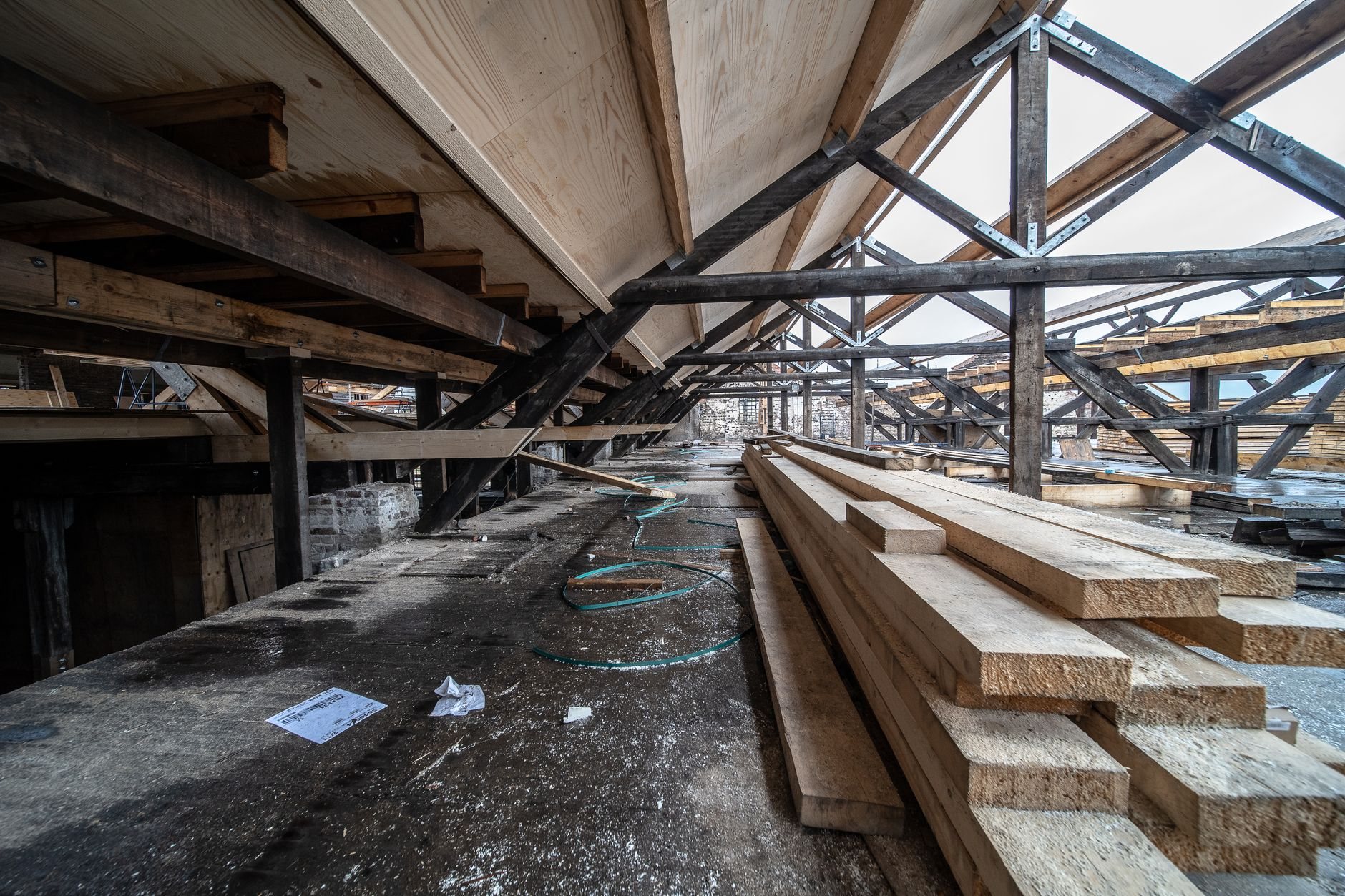
It belongs in the plan whenever drywall is coming off or going up: every new home and ADU in the fast-growing subdivisions around Lehi, Saratoga Springs, and Eagle Mountain, where pre-wiring at framing costs a fraction of opening finished walls a year later, and any basement finish, addition, or whole-home rewire. If an electrician is already fishing cable, the data runs should go in the same holes.
Retrofits in finished homes are possible; the budget just shifts from cable to access. Pre-1960 brick homes in Provo and Salt Lake City with no framed wall cavity are the hardest case, and we’ll say up front which drops are practical and which should wait for a wall that’s coming open anyway.
How a structured wiring installation is specified and sequenced
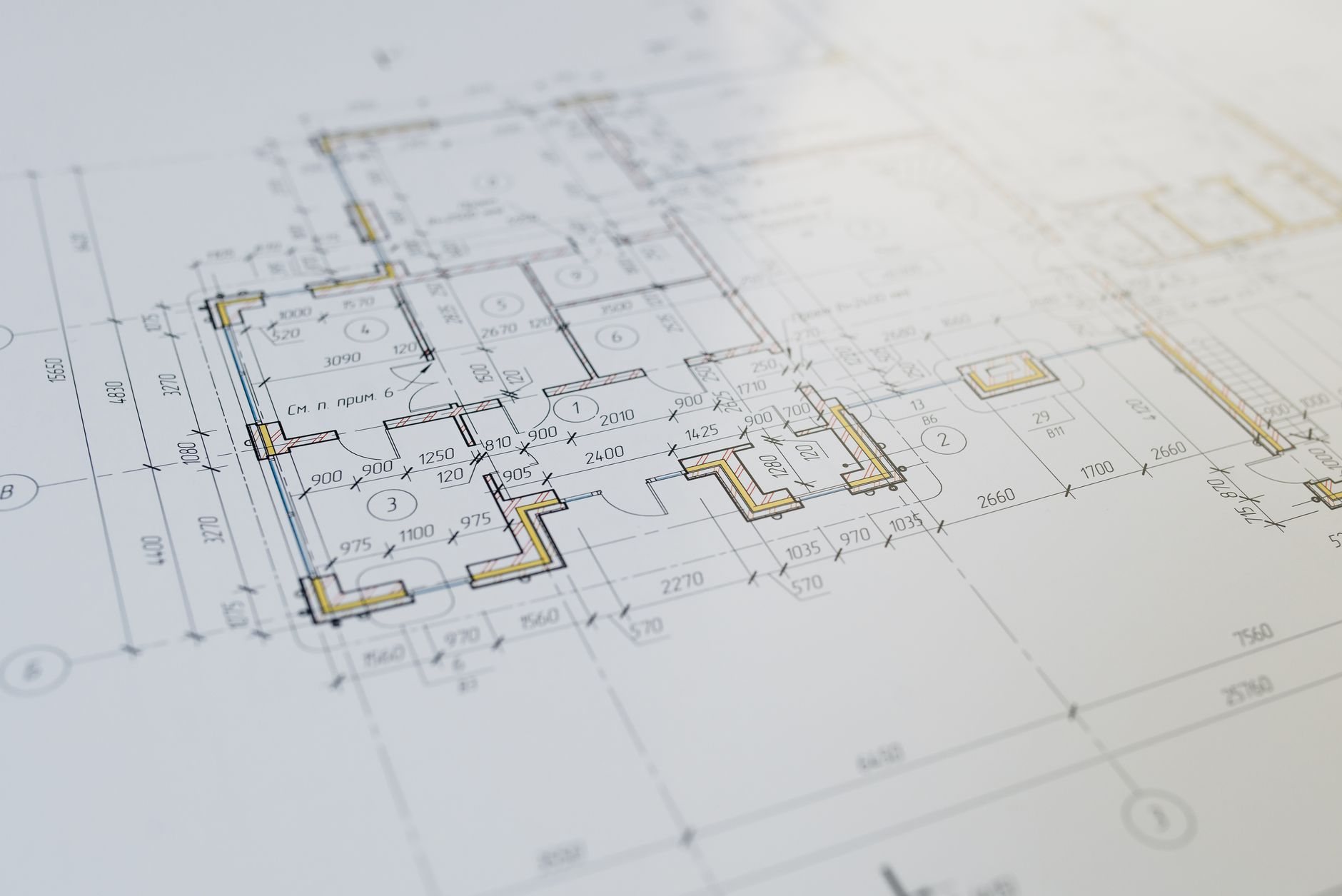
- Drop map on the floor plan. Every location gets marked before rough-in: two data jacks at each TV wall and desk, one ceiling drop per access point, one at each exterior camera and the doorbell, plus coax where a cable box still lives. A missed drop is a drywall patch.
- Pick the cable and the enclosure. Cat6 covers most homes; Cat6A is worth it for long runs, 10-gig backbones, and commercial spaces. Coax is RG6 quad-shield. Everything lands in a recessed structured media enclosure, usually in the mechanical room, with a patch panel, power, and room for the modem, router, and a PoE switch.
- Rough-in with the electricians. Low-voltage goes in after line-voltage rough-in, kept separated from the power runs and crossing them at right angles to avoid interference. No tight staples, no sharp bends, and no runs near Cat6’s 328-foot limit, which long ramblers and detached shops can hit if the enclosure sits in the wrong corner.
- Conduit for what you haven’t bought yet. Flexible ENT (“smurf tube”) from the enclosure to the attic, to each TV wall, and from the exterior demarcation point to the enclosure. That last one matters here: fiber from the providers serving Provo, Orem, Lindon, and much of Utah County is a thin cable that’s easy to pull through conduit and miserable to fish without it.
- Terminate, test, label. After drywall and paint, jacks go on keystone plates, the panel is punched down, and every run is tested with a cable certifier. Both ends are labeled to the drop map, so nobody is tracing wires with a flashlight in five years.
What does structured wiring cost in Utah County?
As a planning ballpark, not a quote: a whole-house pre-wire during new construction tends to run $2,000 to $6,000, or roughly $150 to $300 per drop with the enclosure and patch panel as a separate line. Retrofit drops through finished walls often run $250 to $500 each, because the time is in the access, not the cable.
- Drop count and distance. Each run is its own pull; a detached shop or a far corner of a large lot adds length, and sometimes a second enclosure.
- Cat6 versus Cat6A. Cat6A is thicker and slower to terminate; worth it for commercial fit-outs and 10-gig backbones, rarely for a three-bedroom home.
- Open framing versus finished walls. The single biggest variable. Pre-wire at rough-in is the cheapest this cable will ever be.
- Exterior runs. Camera and gate drops outdoors need UV-rated, direct-burial or conduit-protected cable; Utah’s high-elevation sun degrades ordinary jackets fast.
Consultation, then a budget range, then an estimate once the drop map is settled. Our license and every trade partner’s are verifiable at dopl.utah.gov. This scope runs inside our MEP and systems coordination work and the wider renovation and build-out family; most residential structured wiring we coordinate goes in alongside a basement finish or a new build.
Questions we actually get
Does Grandview pull the cable with its own crew?
No. Grandview holds the contract and manages licensed trade partners who specialize in low-voltage cabling; we sequence their work with the electricians, framers, and drywall crew, and quality-check the terminations and test results before closing out. The drop map, conduit plan, and any patching run under the same contract.
Is structured wiring still worth it when Wi-Fi is fast?
Yes, and the reason is Wi-Fi itself. Good wireless coverage comes from wired access points in the right ceilings, not one router in a closet. Hard-wired drops also take TVs, desktops, cameras, and doorbells off the wireless band, which is what keeps the Wi-Fi fast for everything that has to use it.
Cat6 or Cat6A for a new home?
Cat6 for most homes: it handles multi-gigabit speeds at residential run lengths and terminates cleanly. Choose Cat6A for commercial spaces, runs that approach the length limit, or a backbone between enclosures. Either way, add conduit to the attic and TV walls so the next cable, whatever it is, pulls without a drywall patch.
What determines whether a retrofit drop is practical?
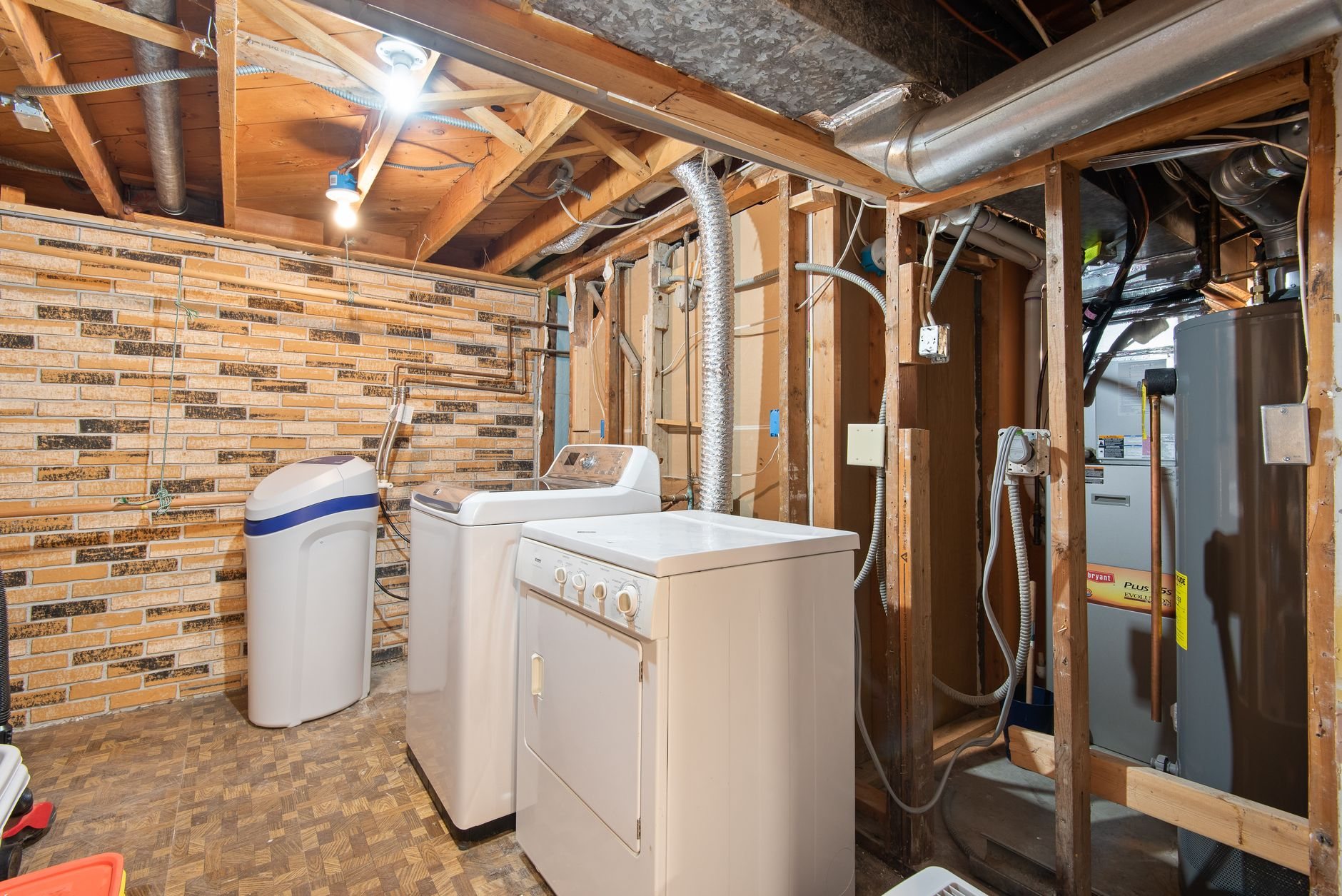
The path. A drop with an attic or unfinished basement above or below it usually fishes clean. One that must pass a fire block, cross a floor through finished space, or enter a brick wall with no cavity often costs more than it’s worth, and we’ll say which is which at the walkthrough, not after the holes are cut.
Tell us what you’re working on
We reply within a couple of hours during business hours — a day at most. You’ll get a straight read on scope, sequence, and budget before anyone commits to anything.